 25
Jan,2026
25
Jan,2026
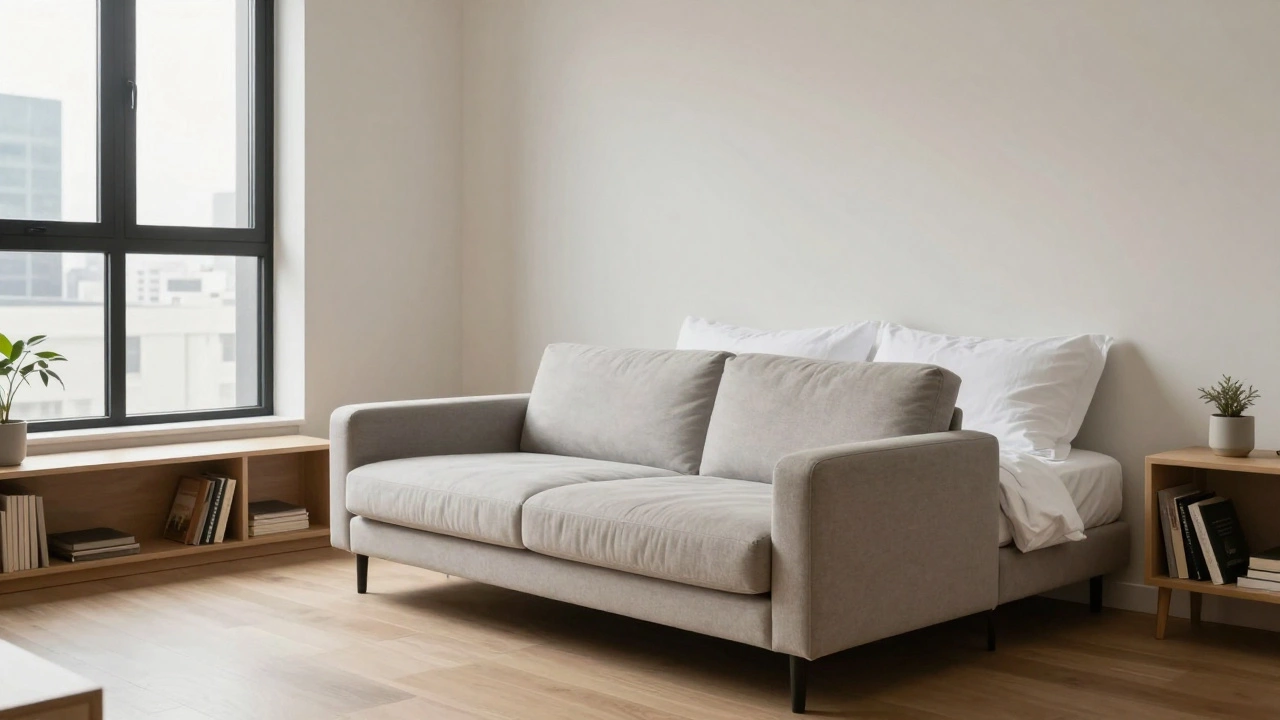
When you live in a one-bedroom apartment in Melbourne, every square meter counts. You need a place to sit, sleep, and maybe even host guests without turning your living room into a cluttered storage unit. That’s where sleeper sofas come in. But are they really a good idea-or just a marketing trick that looks great in catalogs but falls apart after three months?
Let’s cut through the hype. A sleeper sofa isn’t just a couch with a mattress hidden inside. It’s a compromise. And like any compromise, it works brilliantly for some people and leaves others frustrated. The key isn’t whether they’re good or bad-it’s whether they fit your life.
They Save Space-But Only If You Pick the Right One
In cities like Melbourne, where studio apartments are common and rent keeps climbing, space-saving furniture isn’t a luxury-it’s a necessity. A sleeper sofa replaces two pieces of furniture: a couch and a bed. That’s two less items to squeeze into a 40-square-meter unit. No need to clear out the living room when guests stay over. No need to buy a separate guest bed that sits unused 90% of the time.
But not all sleeper sofas are built the same. The cheap ones-often under $600-use flimsy metal frames and thin foam mattresses that feel like sleeping on a cardboard box. I’ve seen people buy these online, only to return them after one night because their back ached so badly they slept on the floor. The better models, like those from Australian brands such as Harvey Norman’s SleepEase a line of sleeper sofas designed with orthopedic coil springs and high-density foam mattresses, or imported European options like Ligne Roset’s Togo Sleeper a modern design with a pull-out mechanism that locks securely and supports a 12cm memory foam mattress, use proper bed frames, not just folding metal bars.
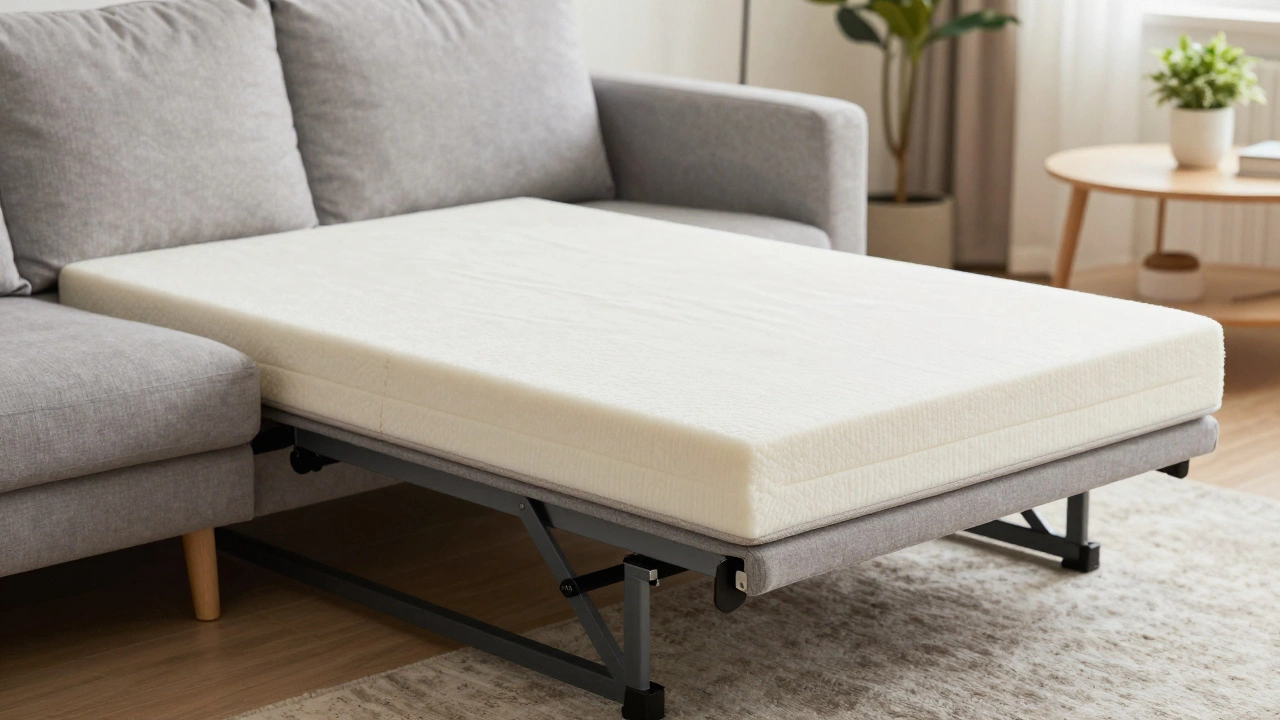
Look for these specs: a mattress thickness of at least 10cm, a steel frame with reinforced joints, and a pull-out mechanism that doesn’t require lifting the entire sofa. If you have to lift the seat cushion to pull out the bed, walk away. That’s a sign it’s designed for occasional use, not regular sleep.
Comfort Is a Big If
Here’s the truth: most sleeper sofas don’t feel like a real bed. Even the good ones. You’re trading mattress quality for space efficiency. A standard queen mattress is 15cm thick. Most sleeper sofas offer 8-12cm. That’s a noticeable difference. If you’re someone who sleeps on your side or has chronic back pain, you’ll feel it.
I tested three models over six months with friends who sleep over regularly. One had a 10cm foam mattress with a quilted top-it was okay for short stays. Another had a coil spring base with a 12cm memory foam layer-it felt close to a real bed, but the frame creaked every time someone moved. The third, a budget model under $450, felt like sleeping on a suitcase. After two nights, the foam compressed permanently.
Pro tip: If you’re planning to use it as a regular bed, buy a mattress topper. A 5cm memory foam topper adds comfort, reduces pressure points, and extends the life of the sleeper sofa’s built-in mattress. It’s a $100 investment that makes a huge difference.
They’re Hard to Use Every Day
Converting a sleeper sofa from couch to bed isn’t hard-but it’s inconvenient. You have to remove cushions, pull out the frame, and reposition the mattress. If you’re tired after work, you don’t want to do that every night. That’s why most people only use them for guests.
Some newer models, like the Futon-style sleeper sofas a hybrid design that folds flat without a separate mattress, commonly used in Japanese and Scandinavian interiors, eliminate the pull-out step. But they’re less comfortable than traditional models and often lack proper back support when sitting. They’re better for occasional use, not daily sleeping.
If you’re thinking of using it as your primary bed, ask yourself: Do you really want to rearrange your living room every night? For most people, the answer is no.
They Don’t Last as Long as Regular Furniture
Sleeper sofas have moving parts. That means more things can break. The hinge mechanism, the frame joints, the fabric where the mattress slides out-all of these wear out faster than on a standard couch. A quality sofa can last 10-15 years. A sleeper sofa? 5-8 years if you’re lucky.
Real-world data from Consumer Reports in 2024 shows that sleeper sofas have a 32% higher return rate within two years than regular sofas. The main reasons? Broken mechanisms (41%), sagging mattresses (35%), and fabric tearing near the pull-out zone (18%).
That doesn’t mean they’re all garbage. Brands like IKEA’s FRIHETEN a durable, modular sleeper sofa with a 10-year warranty on the frame and a 2-year warranty on the mattress have improved significantly. Their steel frame design and reinforced stitching make them one of the most reliable options on the market. But even then, you’re paying for a shorter lifespan.
Storage? Maybe. But Not Much
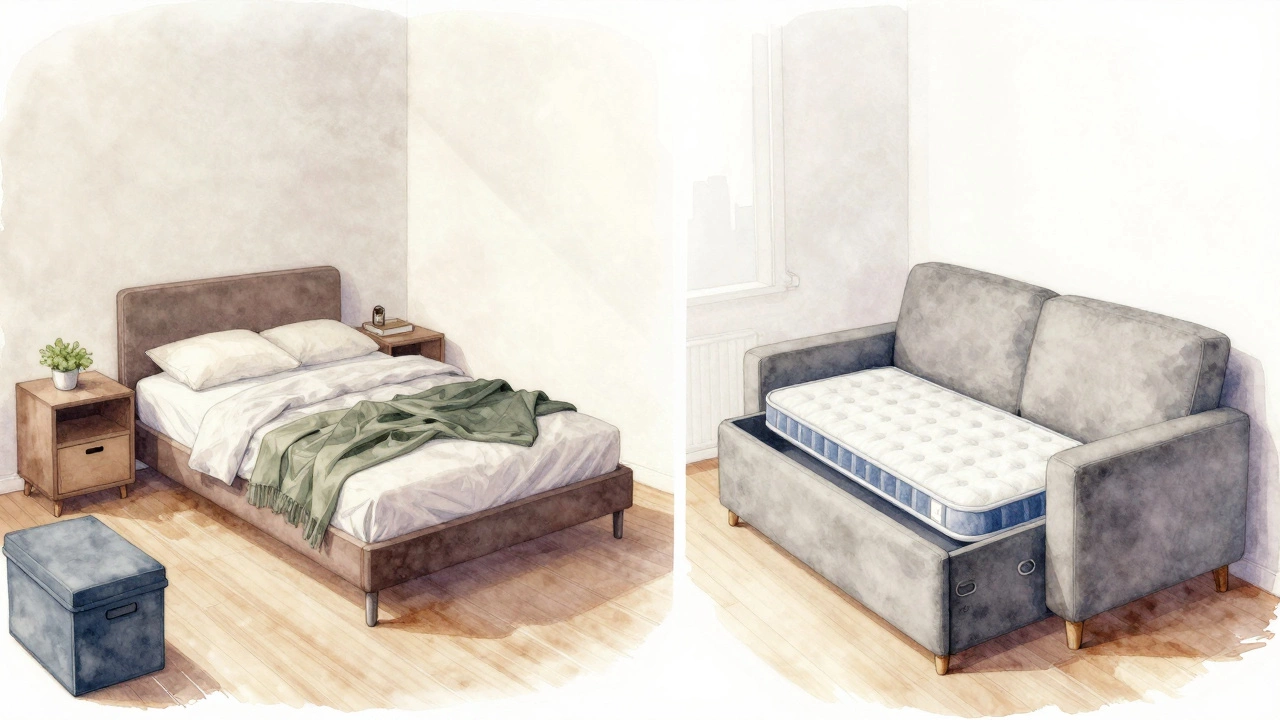
Some sleeper sofas come with built-in storage under the seat. It sounds great-until you realize you can’t store anything bulky. Most compartments are shallow (10-15cm deep) and meant for throw blankets or pillows. You won’t fit suitcases, seasonal clothes, or boxes. If you need serious storage, a storage ottoman or under-bed drawers are better options.
Don’t buy a sleeper sofa just because it claims to have "hidden storage." That’s rarely the main benefit.
Who Should Buy One?
Here’s who sleeps well on a sleeper sofa:
- People who have guests over once a month or less
- Those living in small apartments or studios where a separate guest bed isn’t possible
- Anyone who doesn’t sleep on their side or have back issues
- People who prioritize space over luxury
Here’s who should skip it:
- Anyone who needs a comfortable daily bed
- People with chronic back or joint pain
- Those who hate rearranging furniture
- Anyone planning to use it for long-term guests
Alternatives to Consider
If you’re unsure about a sleeper sofa, here are three alternatives that might work better:
- Daybed with trundle - Looks like a couch from the front, pulls out a full-size bed underneath. More stable than a sleeper sofa, and often more comfortable. Good for small rooms.
- Modular sectional with pull-out base - Some high-end brands offer sectionals where one chaise converts into a bed. More expensive, but far more durable and stylish.
- Air mattress + storage ottoman - Keep a high-quality air mattress (like the Intex Comfort Plush a 2025 model with built-in pump and 8cm memory foam top, rated 4.7/5 by 12,000 users) in a storage ottoman. Inflates in 90 seconds. Deflates and stows away. No moving parts to break.
The air mattress option is surprisingly popular in Melbourne. It’s cheap, easy to replace, and doesn’t compromise your living room’s look. You just need a little storage space.
Final Verdict
Sleeper sofas aren’t a bad idea-they’re a practical idea. But only if you know what you’re getting into. They’re not a replacement for a real bed. They’re a backup. A solution for when you need a place to sleep and don’t have room for anything else.
If you’re buying one, spend at least $800. Go for steel frames, 10cm+ mattresses, and brands with warranties. Skip the cheap ones. And if you plan to use it more than twice a month, consider the air mattress + ottoman combo. It’s cheaper, easier, and lasts longer.
For most people in small homes, a sleeper sofa is a smart trade-off. Just don’t expect it to feel like your bed at home. It’s not supposed to.
Are sleeper sofas comfortable for daily use?
Most sleeper sofas aren’t designed for daily use. The mattresses are thinner than standard beds, and the frames aren’t built for constant movement. If you sleep on your side or have back pain, you’ll likely feel discomfort. For occasional guests, they’re fine. For daily sleeping, a real bed or an air mattress is better.
How long do sleeper sofas last?
A well-made sleeper sofa lasts 5 to 8 years. Cheaper models break down in under 2 years, often due to broken mechanisms or sagging mattresses. Look for steel frames and warranties-brands like IKEA’s FRIHETEN offer up to 10 years on the frame. Regular use shortens lifespan, so treat it like a guest bed, not your main one.
What’s the best mattress thickness for a sleeper sofa?
Aim for at least 10cm. Anything thinner feels too hard and lacks support. High-end models use 12cm memory foam or coil springs. Avoid models with foam under 8cm-they compress quickly and lose shape. Adding a 5cm memory foam topper can improve comfort without replacing the whole sofa.
Can you use a sleeper sofa as a regular couch?
Yes, but with caveats. The seat cushion may feel firmer than a regular sofa because it’s designed to support both sitting and sleeping. Over time, the fabric around the pull-out mechanism can wear out faster. If you use it daily, choose a durable fabric like microfiber or performance-grade upholstery. Avoid velvet or linen-they show wear quickly.
Do sleeper sofas require special maintenance?
Yes. Clean the mechanism every 6 months with a dry cloth to remove dust and debris. Don’t use water or cleaners near the hinges. Rotate the mattress every few months to prevent uneven wear. Avoid sitting on the edges where the bed folds out-that’s where the frame is weakest. If you hear creaking, tighten the screws or contact the manufacturer.
Are sleeper sofas worth it for renters?
Yes, if you need to maximize space and can’t install permanent furniture. They’re portable, don’t require assembly, and can be moved easily. Just check your lease-some landlords restrict furniture with moving parts. For renters, IKEA’s FRIHETEN or a high-quality air mattress with a storage ottoman are both excellent, low-commitment options.
If you’re still unsure, try renting a sleeper sofa for a month before buying. Many Melbourne furniture stores offer short-term rentals. Test it with a friend sleeping over. See how you feel in the morning. That’s the real test.