 27
Apr,2026
27
Apr,2026
Sofa Bed Repair Diagnostic Tool
Describe the primary symptom of your sofa bed to get a recommended fix.
Recommended Solution
Quick Fixes for Immediate Relief
If you have guests arriving tonight and your bed is dipping, you don't have time for a full rebuild. You need a "bandage" solution. The fastest way to address a dip is to add external support under the mattress.
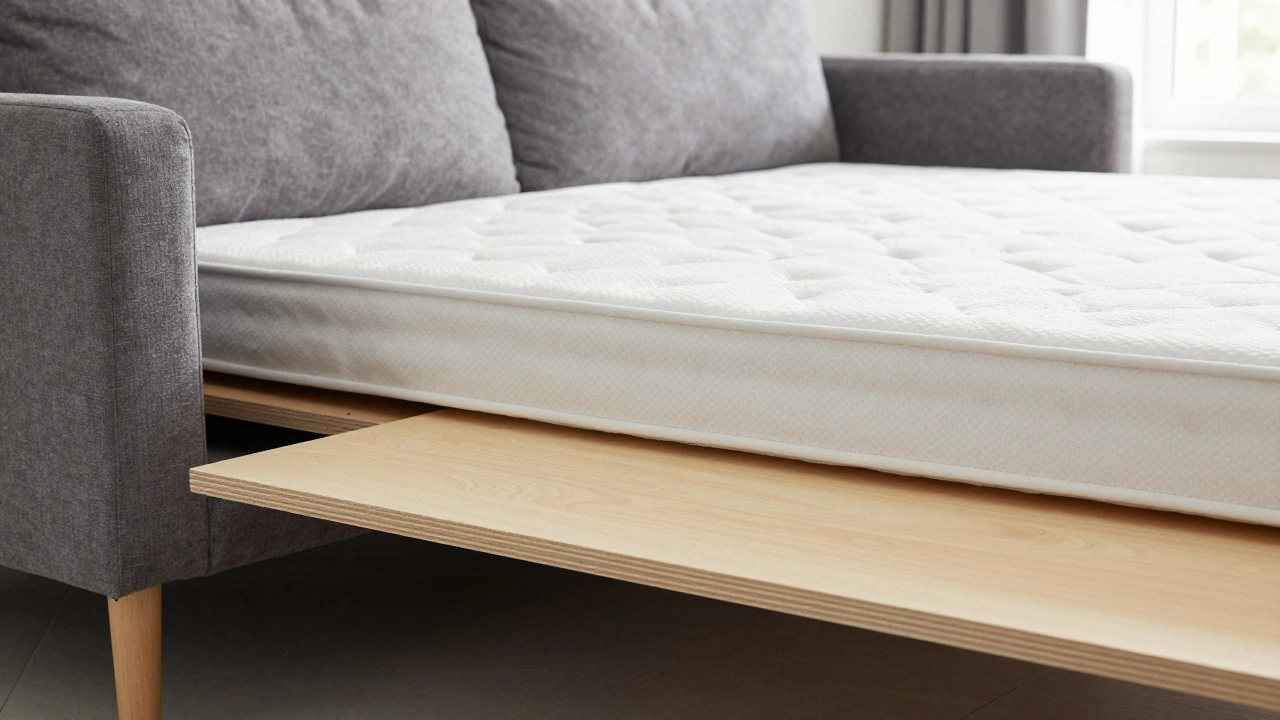
- Plywood Slats: Cut a piece of 1/2-inch plywood to fit the frame. Placing this under the Mattress (the padded layer you sleep on) distributes weight more evenly across the frame and stops the center from bowing.
- High-Density Foam Toppers: A 2-inch memory foam topper can mask a minor sag. It won't fix the frame, but it fills the gaps and provides a more uniform surface for the sleeper.
- Furniture Risers: If the sofa bed sags because the legs are bowing under pressure, adding heavy-duty risers can sometimes stabilize the base, though this is more common in freestanding daybeds than integrated sleepers.
Identifying the Root Cause
To actually stop the sag, you have to find out where the failure is happening. Is it the fabric, the foam, or the metal? You'll need to pull the bed out fully and inspect the underbelly.
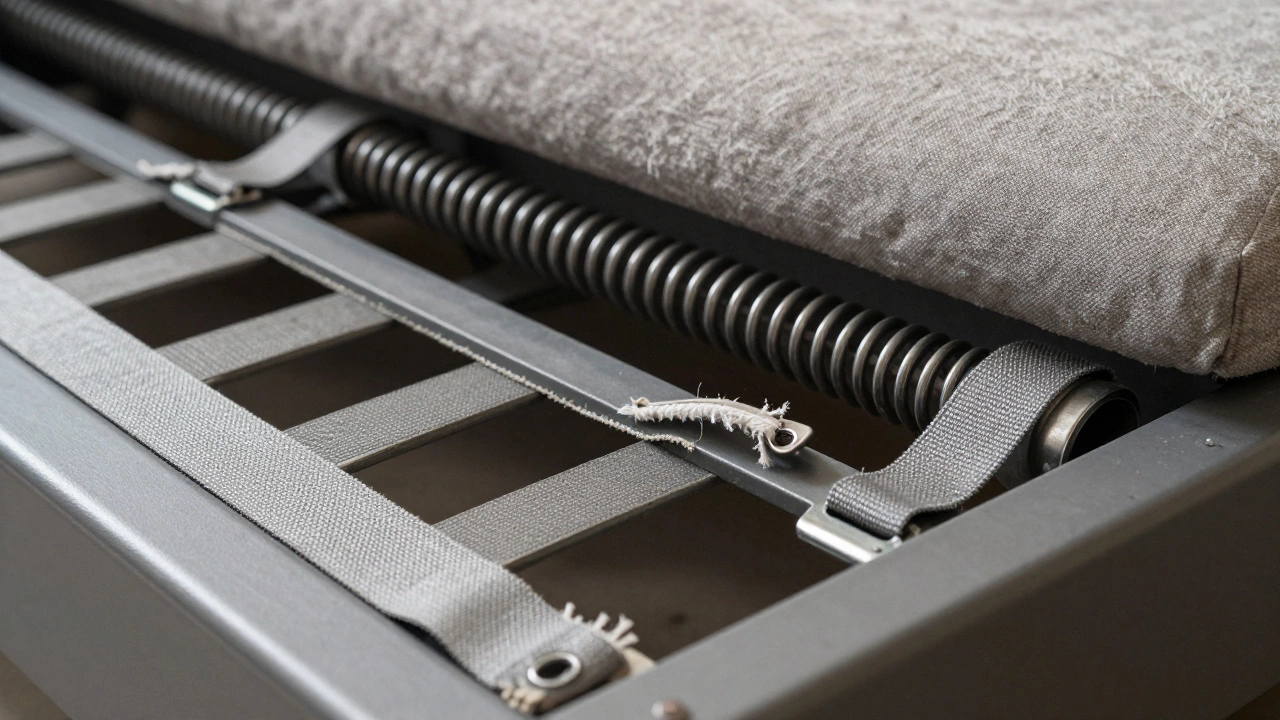
First, look at the Sinuous Springs. These are the zig-zag wires that provide the primary bounce. If one of these has popped out of its clip or has lost its tension, the whole section will collapse. Next, check the Webbing-the heavy-duty fabric straps that hold the springs. If the webbing is frayed or stretched, the springs have nothing to hold them up.
Finally, check the Folding Mechanism. Over time, the bolts and hinges can loosen. A loose bolt in the center hinge can create a visible gap that feels like a massive dip when someone lies on it. A simple tighten with a wrench can sometimes solve the problem entirely.
How to Repair Sagging Springs and Webbing
Once you've found the culprit, you can move toward a permanent repair. You don't need to be a professional upholsterer, but you will need a few basic tools like a staple gun and a set of pliers.
- Tightening the Webbing: If the straps are loose, you can use a webbing stretcher or simply pull them taut and use a heavy-duty staple gun to re-secure them to the frame. Make sure the straps are parallel and tight enough to "ping" when you pluck them.
- Replacing Sinuous Springs: If a spring is bent or broken, you can buy replacement clips. Slide the new clip onto the frame and snap the spring into place. If the spring itself is dead, you can replace the individual wire, though this requires a bit more muscle to stretch it into position.
- Adding Support Bars: For older frames, adding a center support beam made of hardwood or steel can prevent the middle from dipping. This essentially creates a bridge that takes the pressure off the weaker springs.
| Material | Best For | Durability | Ease of Install |
|---|---|---|---|
| Plywood | Quick flat surface | Medium | Very Easy |
| Memory Foam | Comfort/Surface gaps | Low | Instant |
| Steel Supports | Permanent frame fix | High | Hard |
| Polypropylene Webbing | Replacing old straps | Medium | Moderate |
Dealing with Foam Compression
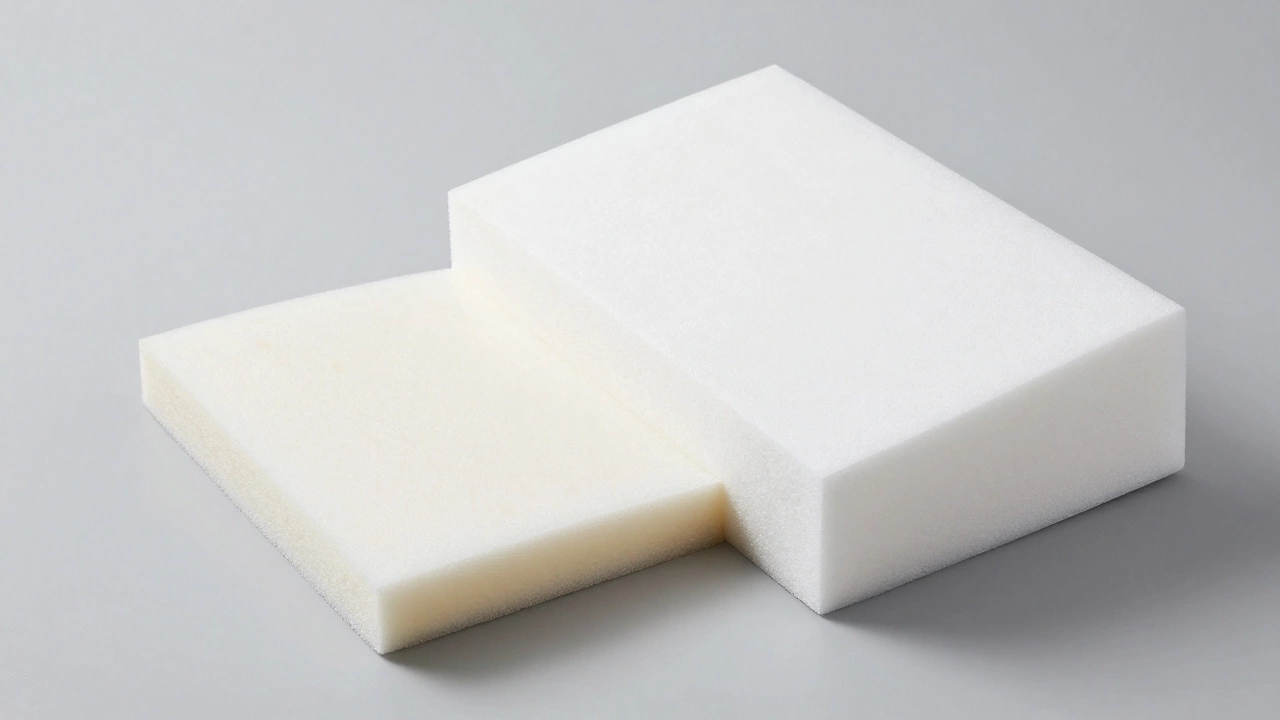
Sometimes the frame is perfectly fine, but the Polyurethane Foam has simply collapsed. This is common in cheaper sofa beds where the foam density is too low. When foam cells break down, they lose their ability to push back, leaving a permanent crater where people usually sit or sleep.
You can't "un-compress" foam, but you can replace it. If your sofa bed has a removable cover, unzip it and pull out the old foam. Replace it with high-density foam-look for something with a rating of at least 2.5 lbs per cubic foot. This ensures the bed stays firm for years instead of months. If the foam is glued in, you might need to use a utility knife to cut out the saggy section and glue in a new block of foam using a specialized upholstery adhesive.
Preventing Future Sagging
To stop sofa bed sagging from returning, you need to change how the furniture is used. The most common cause of sags is "point loading," which happens when someone sits on the very edge of the cushions or sleeps in the exact same spot every single night.
Encourage guests to shift positions. More importantly, rotate your mattress if it's a separate unit. If it's an integrated fold-out, try to distribute the weight by ensuring the bed is fully extended and locked into place before anyone sits on it. When the mechanism isn't fully locked, it puts uneven stress on the joints, which leads to those annoying dips.
Regularly check the bolts. Every six months, take a look at the folding hinges and tighten any screws that have vibrated loose. A quick 10-minute check-up can prevent a total frame collapse that would otherwise require a professional repair service.
Can I use a mattress topper to fix a sagging sofa bed?
A topper helps with comfort and fills in small gaps, but it doesn't fix the structural cause of the sag. If your springs are broken, a topper will just sink into the hole along with the sleeper. Use a plywood board first, then add the topper for the best results.
Is it worth repairing an old sofa bed or should I just buy a new one?
If the frame is solid wood or steel and only the foam or a few springs are gone, it's definitely worth repairing. Replacing foam and a few clips costs a fraction of a new sofa. However, if the main frame is cracked or warped, the cost of professional structural repair often outweighs the value of the piece.
What is the best material to put under a sagging mattress?
Plywood or MDF (Medium Density Fiberboard) are the best choices. Plywood is generally preferred because it is stronger and less likely to snap under a concentrated load. A thickness of 1/2 inch to 3/4 inch is usually enough to provide a firm base without making the bed too high.
How do I tell if my springs are actually broken?
Reach under the sofa and press down on the springs. A healthy spring will bounce back instantly. If the spring feels limp, stays compressed, or if you see a gap where the wire has detached from the frame clip, the spring is broken or has lost its tension.
Will adding a board make the sofa bed uncomfortable?
It can make the bed feel firmer, which many people actually prefer for back support. If it feels too hard, simply add a memory foam topper on top of the mattress. The board provides the necessary support, and the topper provides the softness.
Next Steps and Troubleshooting
If you've tried the plywood and foam fixes and the bed still feels like a hole, you might be dealing with a warped frame. This happens when the wood has twisted or a metal rail has bent. In this scenario, you should look for a local furniture restoration expert who can weld or reinforce the frame.
For those with a click-clack style sofa bed, check the legs. Often, these beds sag because the legs aren't fully locked into the perpendicular position. Ensure the legs are clicking into place and that the floor is level. If you're on a thick carpet, the legs might be sinking unevenly, which creates a perceived sag in the middle of the bed.