 9
Apr,2026
9
Apr,2026
Outdoor Furniture Material Selector
Answer three quick questions to find the perfect low-maintenance material for your lifestyle.
Your Best Match:
-
-
-
Quick Guide: Maintenance Effort by Material
- Powder-Coated Aluminum: Lowest effort. Just soap and water.
- HDPE Plastic: Very low effort. Resistant to stains and fading.
- Synthetic Wicker: Low to Medium. Requires occasional deep cleaning of weaves.
- Teak: Medium. Low maintenance if you like the grey look; high if you want the gold look.
- Steel: High. Rust is an inevitable battle.
The Gold Standard for Low Effort: Powder-Coated Aluminum
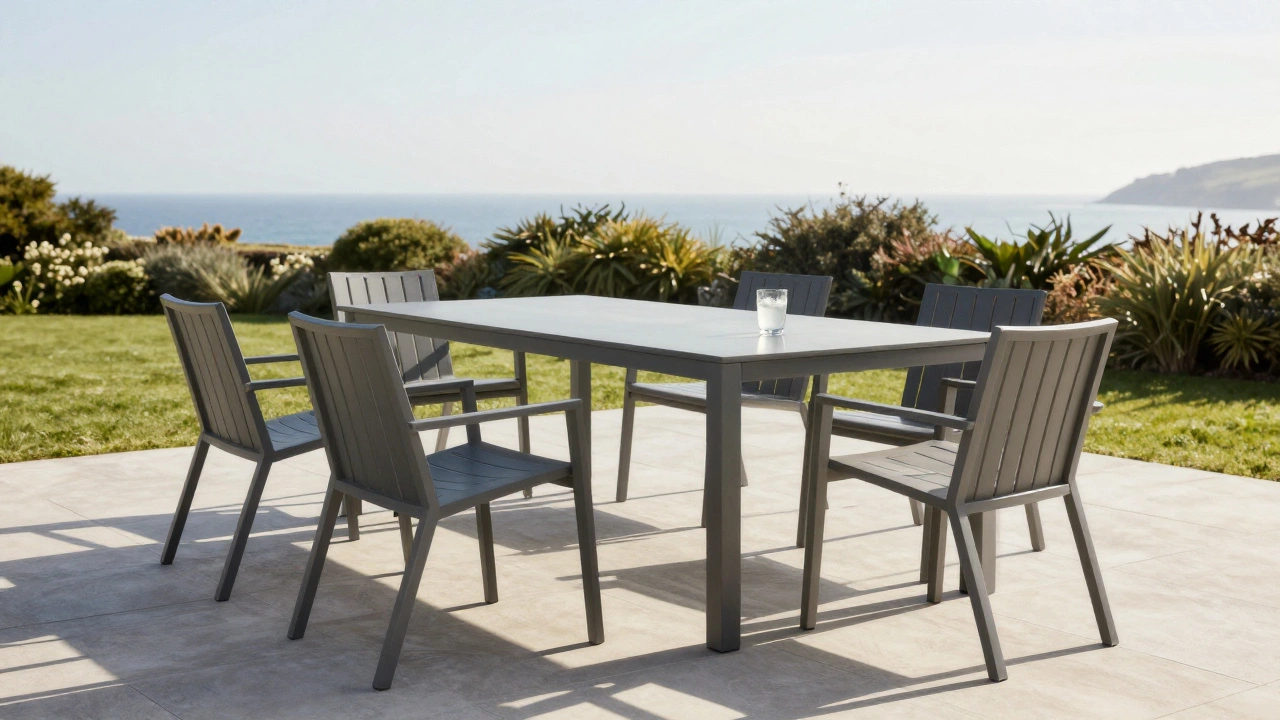
If you want to basically ignore your furniture for three years and have it still look new, Powder-Coated Aluminum is your best bet. Unlike paint, which is sprayed on and can flake, powder coating is a dry powder electrostatically applied to the metal and then cured under heat to form a hard, durable skin. This creates a seal that is incredibly resistant to moisture and chips.
Why does this matter for you? Because Aluminum doesn't rust. If the coating gets a tiny scratch, the metal underneath won't bubble or bleed orange streaks across your patio. For someone living in a salt-heavy coastal area, this is a non-negotiable. To keep it clean, you don't need special chemicals; a garden hose and a mild dish soap solution every few months are enough to remove pollen and dust.
The Modern Workhorse: HDPE Plastic
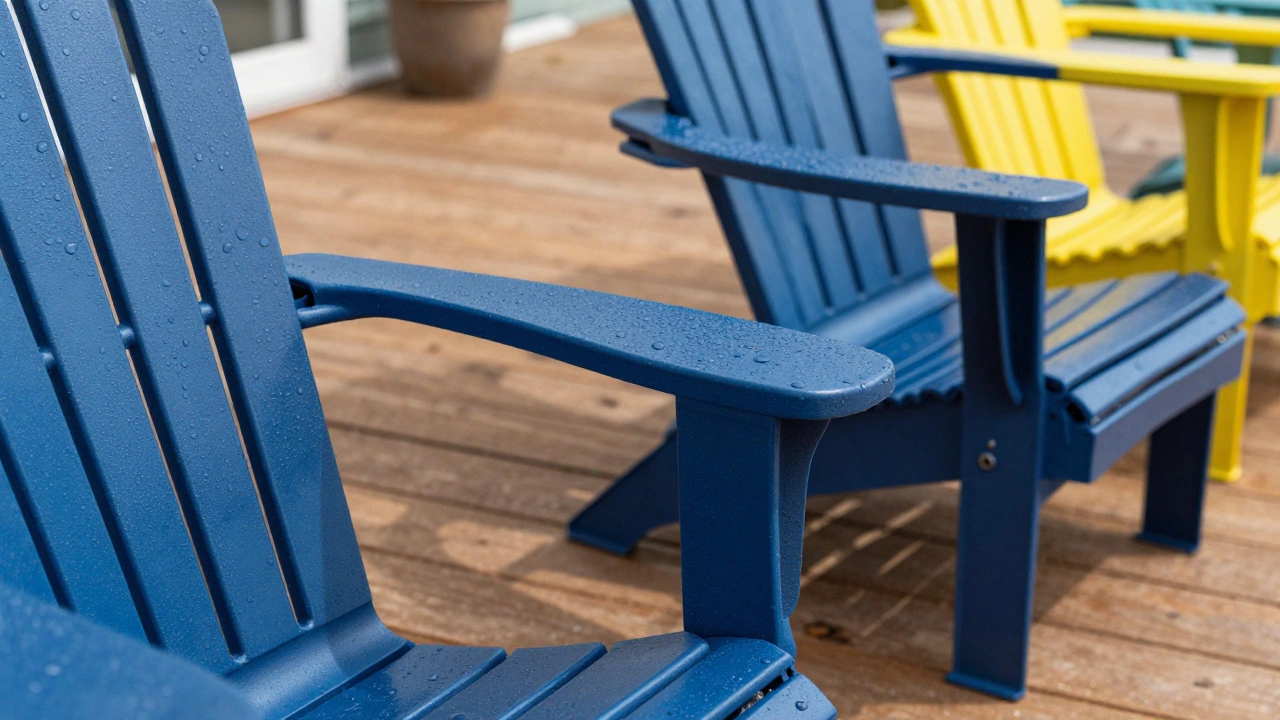
You've probably seen those heavy, colorful Adirondack chairs that look like plastic but feel solid. That's HDPE Plastic (High-Density Polyethylene). This isn't the cheap, flimsy plastic from the 90s that cracks after one summer in the sun. HDPE is a dense polymer that is often made from recycled milk jugs and detergent bottles, making it heavy enough not to blow away in a storm but smooth enough to wipe clean in seconds.
The magic of HDPE is that the color is blended throughout the material. If you accidentally scratch the armrest, the color underneath is the same. It's also virtually impervious to mold and mildew, which is a lifesaver if you live in a damp climate. You can literally spray it down with a pressure washer without worrying about stripping the finish.
Synthetic Wicker vs. Natural Rattan
We all love the look of a woven lounge set, but Natural Rattan is a nightmare for maintenance-it dries out, cracks, and rots if left in the rain. That's why Synthetic Wicker (often made from Polyethylene) is the smarter choice for the average person. It mimics the look of natural fibers but is essentially a waterproof plastic ribbon.
However, "low maintenance" doesn't mean "zero maintenance" here. The weaves in synthetic wicker act like tiny shelves for dust and spider webs. While you don't have to oil it or varnish it, you will need to use a vacuum with a brush attachment or a soft brush to get into the crevices. If you let grime build up in the weave, it can actually trap moisture against the internal frame, which might lead to rust if the frame is cheap steel.
| Material | Cleaning Needs | Weather Resistance | Lifespan | Effort Level |
|---|---|---|---|---|
| Aluminum | Soap & Water | Excellent (No Rust) | 10-20 Years | Very Low |
| HDPE Plastic | Hose/Pressure Wash | Excellent (UV Stable) | 15-25 Years | Very Low |
| Synthetic Wicker | Brushing/Vacuuming | Good (Waterproof) | 5-10 Years | Low/Medium |
| Teak Wood | Oiling (Optional) | High (Natural Oils) | 20+ Years | Medium |
| Steel | Painting/Rust Removal | Poor (Rusts) | 3-7 Years | High |
The Teak Dilemma: Natural Beauty vs. Effort
When people talk about high-end outdoor furniture, Teak always comes up. Teak is a dense hardwood from the Tectona grandis tree, and it's naturally oily, which makes it resistant to rot and insects. But here is the catch: maintenance depends entirely on your aesthetic preference.
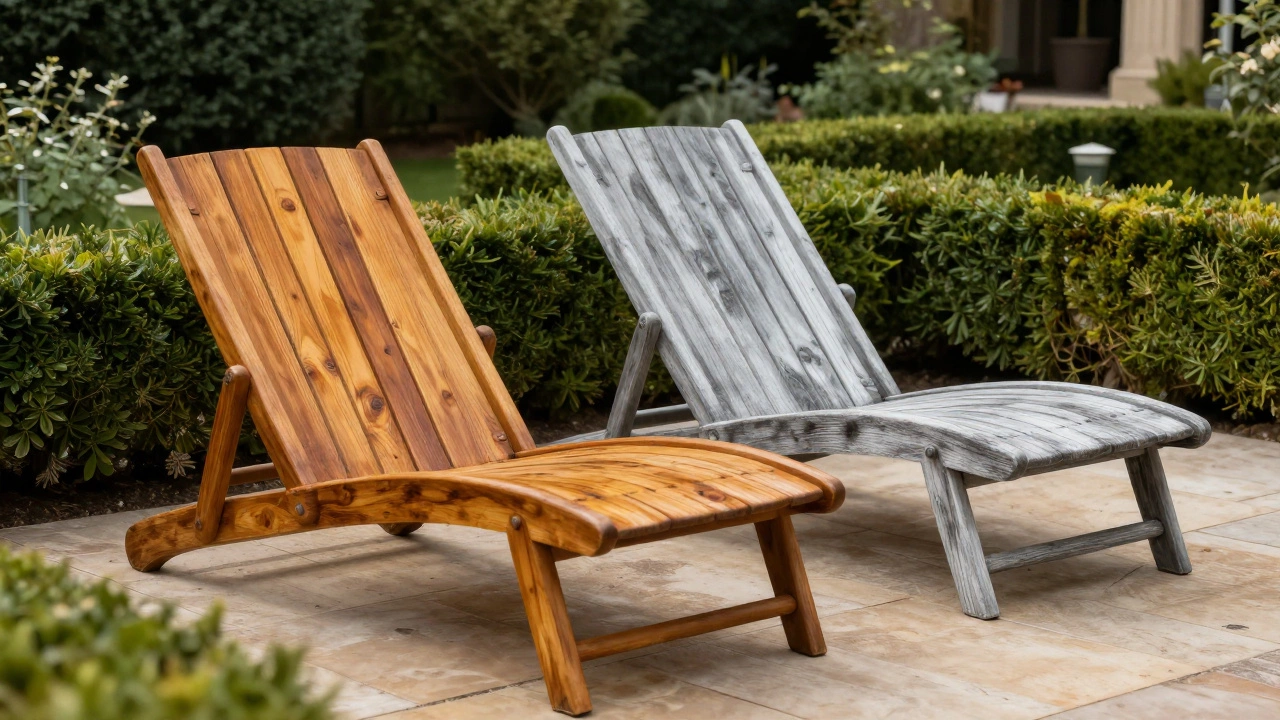
If you love the golden-brown look of new teak, you're in for a lot of work. You'll need to apply Teak Oil annually to prevent it from fading. But if you're okay with the furniture turning a sophisticated, silvery-grey patina, teak is actually very low maintenance. You just let it weather naturally. The only real chore is a quick scrub with mild soap once a year to remove surface mildew, especially in shaded areas of the garden.
Avoid These Maintenance Traps
Not all "outdoor" furniture is created equal. Be wary of Wrought Iron or cheap steel. While they look classic, they are essentially rust magnets. Once a chip occurs in the paint, water hits the iron and the oxidation process begins. You'll find yourself sanding and repainting every two years just to keep the furniture from falling apart.
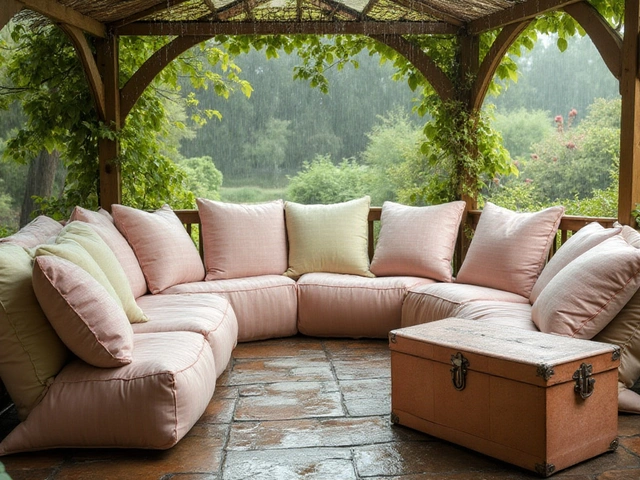
Similarly, be careful with low-grade fabrics. If you're buying cushions, look specifically for Solution-Dyed Acrylic (like Sunbrella). Cheap polyester fabrics fade in the sun and soak up water like a sponge, leading to mold. Solution-dyed acrylics are dyed all the way through the fiber, meaning they don't fade and they repel water, making a simple wipe-down all you need after a rainstorm.
Pro Tips for Maximum Longevity
Even the easiest furniture lasts longer with a few smart habits. First, don't trust "all-weather" claims blindly. If you live in an area with harsh winters, the biggest threat isn't the rain-it's the freeze-thaw cycle. Water gets into tiny cracks, freezes, expands, and pops the material. The easiest maintenance of all is simply using high-quality breathable covers during the off-season.
Another tip: avoid using harsh bleach or abrasive scrubbers on powder-coated or plastic surfaces. It might remove the stain faster, but it creates micro-scratches that actually make it easier for dirt to stick the next time. A soft microfiber cloth and a gentle detergent are all you ever need.
Does plastic furniture really last as long as wood?
High-quality HDPE plastic can actually outlast many hardwoods because it doesn't rot or suffer from insect damage. While a top-tier teak set can last decades, HDPE plastic is designed to withstand UV rays and moisture for 15-25 years without needing any chemical treatments or sanding.
How do I stop synthetic wicker from getting dirty in the cracks?
The best way is to use a handheld vacuum with a brush attachment once a month to remove dry dust. For deeper cleans, use a soft-bristled brush and a mixture of warm water and mild soap. Avoid using a high-pressure washer too close to the weave, as it can occasionally loosen the strands if they aren't woven tightly.
Is aluminum better than steel for salty air?
Yes, significantly. Aluminum naturally forms a protective oxide layer that prevents deep corrosion, and when combined with powder coating, it is the gold standard for coastal environments. Steel, even when painted, is prone to rusting once the protective layer is breached by salt air.
Do I really need to oil my teak furniture?
Only if you want to maintain the original honey-brown color. Teak contains natural oils that protect it from rotting, so oiling is for aesthetics, not for structural integrity. If you prefer the weathered silver look, you can skip the oil entirely and just clean the surface occasionally.
What is the easiest fabric to clean for outdoor cushions?
Solution-dyed acrylic is the top choice. Unlike printed fabrics, the color is integrated into the fiber, so it doesn't peel or fade. These fabrics are also engineered to resist water and mold, meaning most spills can be cleaned with just a damp cloth.
Next Steps for Your Backyard
If you're currently shopping, start by assessing your local climate. If you're in a high-humidity or coastal zone, prioritize powder-coated aluminum or HDPE plastic to avoid the rust and rot cycle. If you have a covered porch, you might get away with synthetic wicker or a treated wood.
Before you buy, check the warranty specifically for "powder coating peel" or "UV fading." A company that guarantees their finish for 5-10 years is usually using a higher-grade process than a budget brand. Finally, invest in a few high-quality waterproof covers; it's a small upfront cost that eliminates 80% of the annual cleaning work.