 12
Apr,2026
12
Apr,2026
Outdoor Furniture Value Calculator
Is a premium HDPE set (like POLYWOOD or Trex) actually cheaper in the long run than buying budget plastic sets every few years?
Budget Option (e.g. Keter)
Premium HDPE (e.g. POLYWOOD)
$0
$0
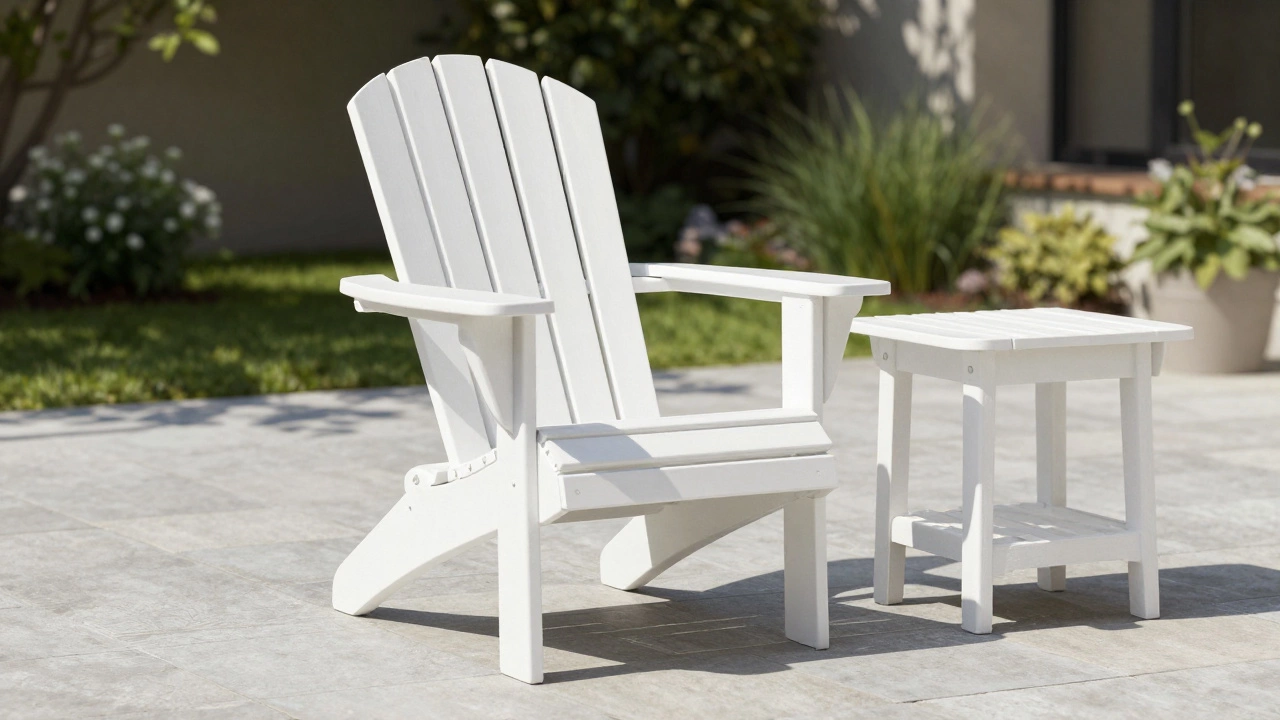
If you've spent any time browsing for patio gear, you've probably seen those chunky, colorful chairs that claim to last a lifetime. A lot of that fame belongs to POLYWOOD is a leading manufacturer of high-density polyethylene (HDPE) outdoor furniture known for its durability and recycled materials. Also known as Polywood Furniture, it basically set the gold standard for 'plastic wood'. But is it actually the best option on the market, or are you just paying for the brand name? When you're dropping a few thousand dollars on a dining set, you want to know who else is playing in this league and if they do it better.
Key Takeaways for Your Backyard
- The Top Rival: Trex (specifically their furniture lines) is the most direct competitor in terms of material and prestige.
- Budget Alternatives: Brands like Keter and Lifetime offer plastic options, but they don't use the same heavy-duty HDPE.
- The Trade-off: POLYWOOD wins on warranty and brand recognition, but competitors often beat them on modern aesthetics and price.
- Material Matters: Not all 'plastic' furniture is the same; HDPE is the heavy-duty stuff that doesn't peel or crack.
The Heavy Hitter: Trex and the Battle of HDPE
When people ask who the biggest competitor is, the conversation usually starts with Trex. While Trex is world-famous for decking, their foray into furniture puts them right in POLYWOOD's crosshairs. Both companies rely on High-Density Polyethylene (HDPE), which is a dense, durable plastic made from recycled milk jugs and detergent bottles.
The real difference comes down to the "feel." POLYWOOD often leans into a traditional, almost chunky Adirondack style. Trex, on the other hand, tends to experiment more with textures that mimic real wood grain. If you're looking at a side-by-side, you'll notice Trex sometimes offers a slightly more contemporary profile. However, POLYWOOD has a deeper catalog of specific pieces-like swivel rockers and oversized gliders-that Trex hasn't fully mirrored. In a head-to-head, it's a toss-up: do you want the established furniture giant or the decking king who knows how to handle the elements?
The Luxury Contenders: High-End Alternatives
If you aren't looking for the 'plastic wood' look but want the same HDPE outdoor furniture levels of durability, you run into brands like Brown Jordan or Telescope. These aren't competitors in price-they're in a different stratosphere-but they compete for the same customer: the person who hates maintenance.
These luxury brands often use powder-coated aluminum or high-grade synthetic resins. While POLYWOOD sells the 'eco-friendly' angle, these high-end brands sell 'architectural art.' If you live in a coastal area with high salt spray, a powder-coated aluminum set from a luxury competitor might actually outperform HDPE, as it won't hold onto heat as much as dark-colored plastic does during a July afternoon.
| Feature | POLYWOOD | Trex Furniture | Standard Plastic (e.g. Keter) |
|---|---|---|---|
| Material | Recycled HDPE | Recycled HDPE/Composite | Polypropylene / Resin |
| Lifespan | 20+ Years | 20+ Years | 3-7 Years |
| Maintenance | Soap and Water | Soap and Water | Low (but fades faster) |
| Price Point | Premium | Premium | Budget |
| Sustainability | High (Recycled) | High (Recycled) | Low to Medium |
The Budget Disruptors: Why Keter and Lifetime Matter
Not everyone has $500 for a single chair. This is where brands like Keter and Lifetime Products enter the fray. Now, let's be clear: these aren't 'competitors' in quality. They use injection-molded resins and polypropylenes, which are lightweight and cheap.
But they are competitors for the *wallet*. A huge chunk of POLYWOOD's potential customers look at the price tag and decide a $60 Keter chair is 'good enough' for a rental property or a temporary patio. The danger here is the 'sun-bake' effect. Cheap plastics degrade under UV rays, becoming brittle and cracking within five years. POLYWOOD uses UV-stabilized pigments baked into the material, which is why their colors don't flake off like a bad spray paint job. If you're choosing between these, you're deciding between a 5-year disposable product and a 20-year investment.
Evaluating the "Eco-Friendly" Claim
One of POLYWOOD's biggest selling points is that they save millions of plastic bottles from landfills. However, Sustainability is a competitive battlefield. Some rivals argue that the energy used to transport heavy HDPE furniture across the country offsets the benefit of using recycled plastic.
When comparing competitors, look at the certifications. Many generic 'poly-lumber' brands pop up on Amazon or Wayfair claiming to be recycled. Most of these are white-label products from factories that don't provide the same transparency as POLYWOOD or Trex. If a brand can't tell you exactly what percentage of the chair is post-consumer waste, they're likely just using a plastic blend that happens to look like wood.
Common Pitfalls When Shopping for Poly-Furniture
Don't get blinded by the 'lifetime warranty' buzzword. While POLYWOOD is generous, many competitors offer similar guarantees. The real question is: what does the warranty actually cover? Some only cover 'structural failure,' meaning if the color fades or a slat warps slightly, you're out of luck.
Another trap is weight. HDPE is heavy. That's great for wind-your furniture won't fly away during a thunderstorm-but it's a nightmare if you like to rearrange your deck every season. Some competitors have started offering 'hybrid' sets that mix aluminum frames with poly-slats to reduce the weight without sacrificing the look. If you have a balcony or a second-story deck, check the total weight of the set before you order.
Is POLYWOOD actually better than Trex?
It depends on your style. POLYWOOD generally has more variety in furniture types (like rockers and gliders), while Trex often has more modern designs and a deep connection to the decking world. In terms of material durability, both are nearly identical because they both use HDPE plastic.
Why is poly-furniture so much more expensive than regular plastic?
Standard plastic furniture is injection-molded-it's a fast, cheap process. HDPE furniture is milled and crafted more like real lumber. It's much denser, doesn't crack in the sun, and doesn't feel like a cheap toy. You're paying for the material density and the longevity.
Does HDPE furniture get hot in the sun?
Yes, specifically the darker colors. Because it's a dense plastic, it absorbs heat. If you live in a place like Arizona or Florida, look for lighter colors or competitors that offer breathable mesh seating paired with poly-frames.
Can I paint poly-furniture if the color fades?
Generally, no. The color is baked into the plastic. Most paints will peel off almost immediately because the surface is non-porous. This is why choosing the right color from the start is so important.
Which brand is best for salt-water environments?
Both POLYWOOD and Trex are excellent for the coast because they don't rust. However, if you're very close to the ocean, ensure the screws and fasteners are stainless steel. Some budget competitors use galvanized screws that will rust and streak the plastic over time.
What to Do Next
If you're still undecided, start by defining your 'maintenance budget.' If you're okay with replacing a set every five years, go with a budget brand like Keter. If you want a 'buy it once' solution, compare the specific dimensions of a POLYWOOD set against a Trex set. Measure your patio-HDPE furniture is often bulkier than metal or thin plastic, and a set that looks great online might actually block your walkway once it's delivered.