 16
Feb,2026
16
Feb,2026
Furniture Storage Method Calculator
This tool helps you determine the best storage method for your furniture based on its material, storage environment, and duration. Using plastic wrap can cause serious damage—this calculator shows you how to avoid it.
Recommended Storage Method
When you’re packing up furniture for storage-whether it’s a seasonal move, a renovation, or just clearing space-you’ve probably heard the advice: wrap it in plastic. But is that really the best idea? Or are you accidentally setting your couch, dresser, or dining table up for damage?
Many people assume covering furniture in plastic is a simple, cheap way to keep dust and moisture away. But in reality, wrapping furniture in plastic can cause more harm than good. It’s not about being lazy or skipping steps-it’s about understanding how materials react in enclosed, climate-controlled (or uncontrolled) spaces.
Why Plastic Wraps Are a Bad Idea for Most Furniture
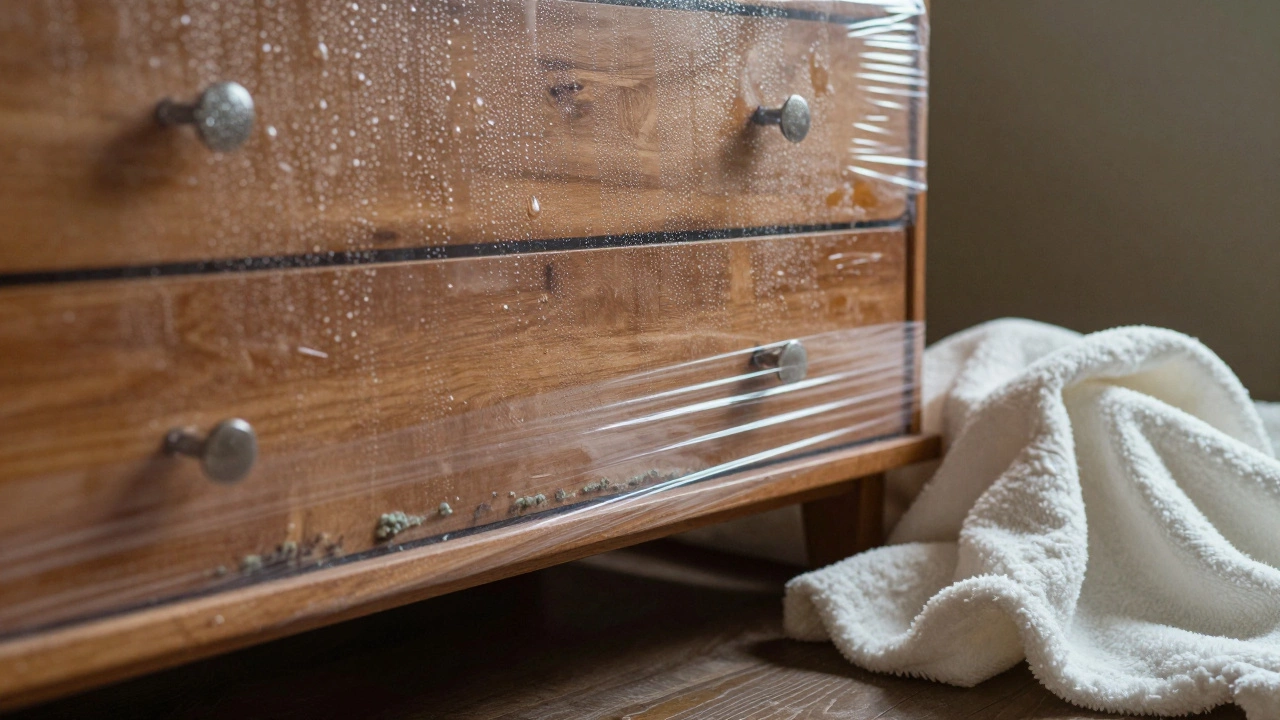
Plastic wrap, especially cheap contractor-grade polyethylene, traps moisture. That’s the first problem. Furniture, especially wood, leather, and fabric, needs to breathe. When you seal it in plastic, any humidity from the air, from the floor, or even from the furniture itself can’t escape. That creates a mini greenhouse effect.
Think about it: your wooden dresser might have absorbed a little moisture from a damp basement or a humid day before storage. Wrapped in plastic? That moisture stays locked in. Over weeks or months, it leads to warping, cracking, or even mold under the surface-where you won’t see it until it’s too late.
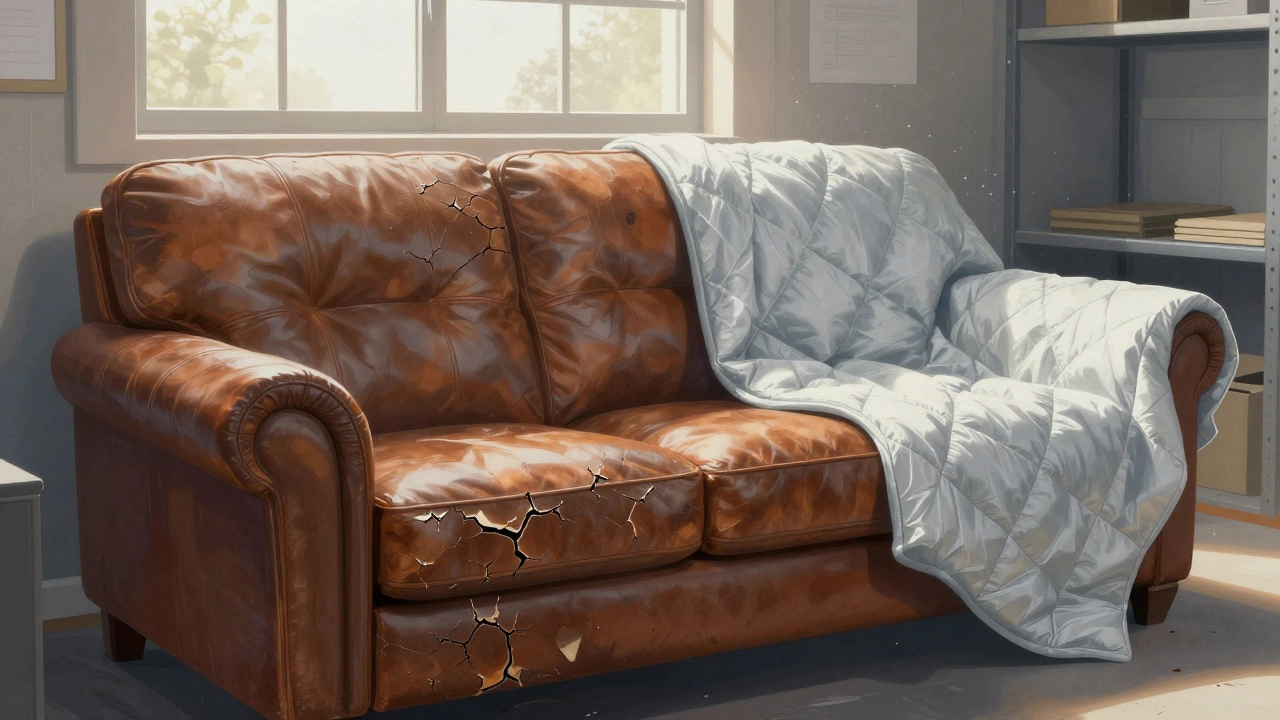
Leather is even worse. Plastic prevents airflow, which dries out the natural oils in leather. The result? Cracking, stiffness, and discoloration. A leather sofa wrapped in plastic can go from supple to brittle in just 3 months.
And don’t forget fabric. Upholstered pieces like sofas or armchairs can trap odors, mildew, and dust. Plastic doesn’t stop dirt-it just holds it against the fabric. And if there’s any moisture, you’re not just storing furniture-you’re growing a science experiment.
What Happens in Different Storage Environments?
Not all storage units are created equal. A climate-controlled unit in Phoenix is very different from an unheated garage in Minnesota.
- Climate-controlled units: These maintain steady temperature and humidity (usually 55-75°F and 45-55% RH). They’re ideal for wood, leather, and electronics. But even here, plastic wrap is unnecessary and risky.
- Non-climate-controlled units: These swing wildly with the seasons. Summer heat and humidity? Winter freezing and dry air? Plastic traps moisture during humid months and can cause condensation when temperatures drop. The result? Swelling, peeling finishes, and mold.
- Home basements or attics: These are the worst places to store wrapped furniture. Basements are damp. Attics get hot and dry. Either way, plastic makes it worse.
Studies from the Wood Handbook by the U.S. Forest Products Laboratory show that wood furniture exposed to humidity above 60% for more than 30 days without ventilation has a 70% higher chance of developing structural damage. Plastic wrap increases that risk by locking in moisture.
What Should You Use Instead?
Forget plastic. Use breathable, protective materials designed for furniture storage.
- Cotton or canvas furniture covers: These let air move while blocking dust. They’re perfect for sofas, chairs, and dressers. Look for ones with drawstrings or elastic edges to keep them snug.
- Moving blankets (furniture pads): These thick, quilted pads protect against scratches and dings. Use them to wrap tables, mirrors, and sideboards. They’re reusable and easy to store.
- Zippered mattress covers (for upholstered pieces): These are made of non-woven polyester and allow moisture to escape. They’re designed for long-term storage and are often used by professional movers.
- Plastic sheeting (only for the floor): If you’re worried about damp floors, lay down a vapor barrier-like a 6-mil plastic sheet-under the furniture. But never wrap the furniture itself.
For wood furniture, always use a wax-based furniture polish before storage. It creates a protective layer that repels moisture without sealing in humidity. Apply it lightly, buff it off, and let it dry. It’s a simple step that makes a big difference.
How to Store Furniture the Right Way
Wrapping isn’t the only mistake people make. Here’s the full checklist for safe furniture storage:
- Deep clean everything. Dust, crumbs, and spills attract pests and mold. Vacuum upholstery. Wipe wood with a damp cloth and dry immediately.
- Disassemble when possible. Take apart bed frames, tables, and shelves. Store screws and parts in labeled bags taped to the main piece.
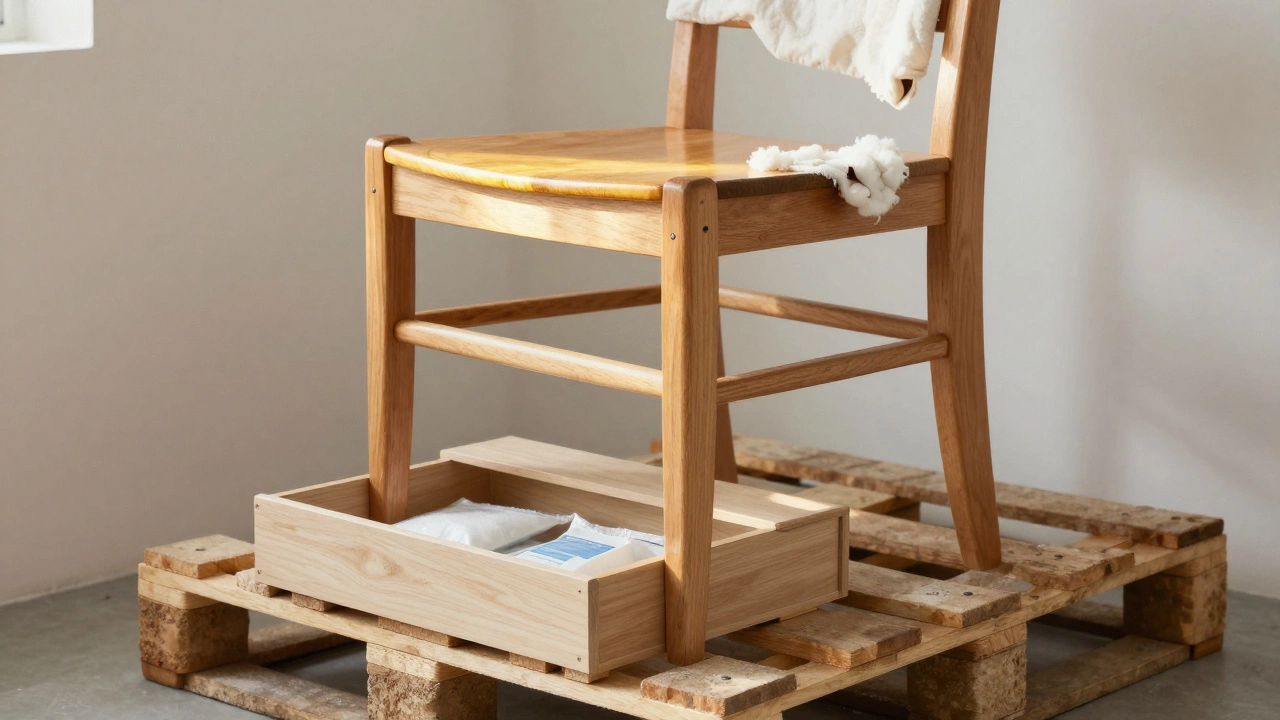
- Elevate furniture off the floor. Use pallets, cinder blocks, or furniture risers. Even 2 inches makes a difference in preventing moisture wicking.
- Leave breathing room. Don’t stack items tightly. Leave space between pieces so air can circulate.
- Use silica gel packs. Tuck a few into drawers or inside cabinets. They absorb excess moisture without trapping it.
- Check every 2-3 months. If you can, visit your storage unit. Look for damp spots, musty smells, or insect activity. Catching problems early saves thousands.
What About Antique or High-Value Furniture?
Antique wood, heirloom pieces, or designer furniture deserve special care. Don’t rely on generic advice.
- Consult a professional conservator. They can treat surfaces with reversible, archival-safe sealants.
- Use acid-free tissue paper inside drawers and cabinets to prevent scratching and chemical damage.
- Store in a stable environment. If your storage unit doesn’t have climate control, consider renting a small climate-controlled locker just for these items.
Insurance companies like State Farm report that 42% of furniture damage claims in storage come from improper covering-not theft or accidents. The most common claim? Warped wood and mildewed upholstery.
Myth vs. Reality
| Myth | Reality |
|---|---|
| Plastic keeps furniture clean | Plastic traps dust, dirt, and moisture against the surface, causing stains and mold |
| It’s cheaper than buying covers | Damage from plastic can cost 10x more than replacing a $20 cotton cover |
| All storage units are dry | Over 60% of non-climate-controlled units have humidity levels above 60% in summer |
| Wrinkles in plastic mean it’s working | Wrinkles trap moisture pockets. Smooth plastic still traps air |
| Leather needs plastic to stay soft | Leather needs airflow. Plastic dries it out. Use leather conditioner instead |
Bottom Line: Don’t Wrap It. Protect It.
Wrapping furniture in plastic isn’t protection-it’s a slow-motion disaster. You’re not keeping it clean. You’re sealing in damage.
The right way to store furniture isn’t about covering it tightly. It’s about letting it breathe, keeping it dry, and giving it space. Use breathable covers. Elevate it. Clean it. Check it. Those steps cost little and save everything.
Think of it this way: your furniture isn’t a box of clothes. It’s made of materials that react to their environment. Treat it like a living thing, not a sealed package.
Is it okay to use plastic wrap on furniture for short-term storage?
Even short-term storage (a few weeks) can cause damage if humidity is high. Plastic traps moisture, and damage can start in as little as 2 weeks. It’s not worth the risk. Use a cotton cover instead-even for a quick move.
What if I don’t have breathable covers? Can I use old sheets?
Yes, clean cotton sheets are a decent temporary solution. Avoid synthetic blends like polyester-they trap moisture. Wash the sheets first to remove detergent residue, which can stain wood or fabric. Secure them with twine or clips so they don’t slip.
Should I cover wooden furniture at all?
You don’t need to cover wood unless you’re in a dusty environment. A light coat of furniture wax is enough. If you do cover it, use a breathable moving blanket. Never use plastic. Wood needs to breathe to avoid cracking or warping.
Can I store upholstered furniture on its back?
No. Storing a sofa or chair on its back puts pressure on the frame and springs, which can cause permanent sagging or breakage. Always store upright or on its side, with legs supported. Use furniture risers or pallets to keep it off the floor.
Do I need to clean furniture before storing it?
Absolutely. Dust, crumbs, and spills attract pests like silverfish and cockroaches. Vacuum upholstery, wipe down wood with a damp cloth, and dry immediately. Even a small spill left under a cover can turn into mold or stains over time.