Historical fashion: How past styles shape today's furniture trends
When you think of historical fashion, the evolution of clothing styles across centuries that influenced design, materials, and social habits. Also known as period dress, it didn’t just change what people wore—it changed how they lived. The way people stored clothes, sat down, or displayed their belongings was directly shaped by the silhouettes, fabrics, and social rules of their time. A corseted 18th-century woman needed a different kind of chair than a 1920s flapper. And that shift didn’t stop when fashion changed—it carried into furniture design, storage, and even room layouts we still use today.
Take the armoire, a freestanding wardrobe used before built-in closets became common. Also known as clothes press, it wasn’t just a storage unit—it was a status symbol. In the 1700s, elaborate armoires mirrored the ornate embroidery and rich velvets of high fashion. Today, those same shapes appear in modern bamboo furniture at Bamboo Tiger, where clean lines and bold tiger-stripe patterns echo the drama of historical silhouettes. Even the way we think about durability ties back: if your great-grandparents’ armoire lasted 200 years, why should your sofa only last seven? Historical fashion taught us that quality materials and thoughtful construction weren’t luxuries—they were necessities.
And it’s not just about storage. The rise of the lounge chair in the 1950s came from a shift in fashion toward relaxed, casual wear. People stopped dressing up to sit down, so furniture had to adapt. That’s why today’s cuddle sofas and low-back loveseats feel so natural—they’re the direct descendants of post-war comfort culture. Even color choices aren’t random. The popularity of gray and taupe sofas? That’s not just a 2024 trend. It’s the same neutral palette that dominated Victorian interiors, chosen because dark dyes were expensive and light fabrics showed dirt. We’re still making the same practical choices, just with better fabrics.
Historical fashion didn’t disappear—it got repurposed. The same logic that made armoires necessary in homes without closets now makes modular bamboo storage smart for small UK apartments. The same care that went into hand-stitched velvet garments is now reflected in how we choose upholstery that lasts. And when you see a tiger-striped accent chair, you’re not just looking at a bold design—you’re seeing a modern twist on the exotic patterns that once adorned royal robes and aristocratic upholstery.
What you’ll find below isn’t just a list of articles. It’s a map of how fashion’s past still lives in your living room. From why your sofa lasts longer than you think, to how the name for your closet changed across countries, to what materials actually stand the test of time—every post connects back to a deeper story. You don’t need to know the history to enjoy your furniture. But knowing it? That’s what turns a purchase into something that lasts.
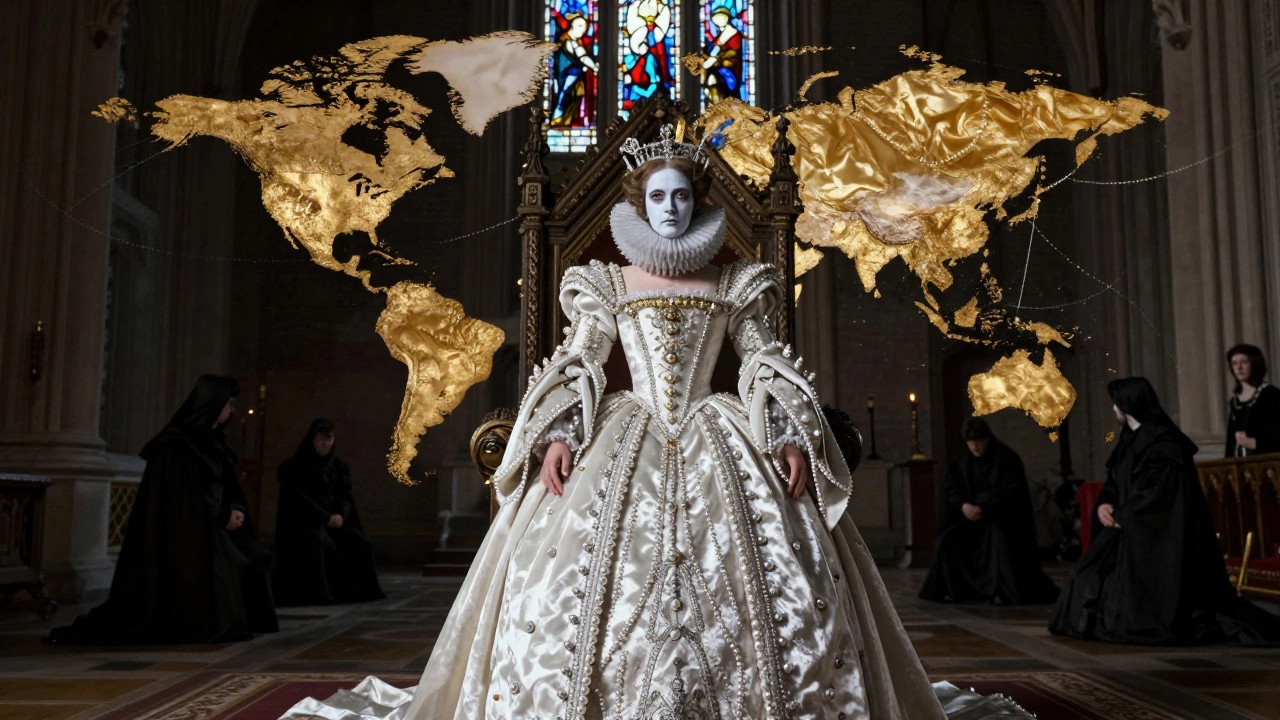
Why Did Queen Elizabeth I Dress the Way She Did?
Queen Elizabeth I used her wardrobe as a tool of power, politics, and propaganda. Every garment was carefully chosen to project authority, reinforce her image as the Virgin Queen, and assert England’s global influence.
View more