How Long Does a Sofa Last? Real Lifespan, Signs of Wear, and When to Replace
A sofa, a primary seating piece in most homes, designed for comfort and daily use. Also known as a couch, it’s one of the biggest investments you’ll make for your living space—so knowing how long it should last matters. Most sofas don’t break overnight. They fade, sag, and wear out slowly, tricking you into thinking they’re still fine. But if your cushions are flat as pancakes, the frame creaks when you sit down, or the fabric is fraying at the seams, it’s not just old—it’s done.
The sofa lifespan, how long a sofa remains functional and comfortable before needing replacement usually runs between 7 and 15 years. That’s not a guess—it’s based on real-world use, material quality, and how often it’s sat on. A sofa with a solid hardwood frame, eight-way hand-tied springs, and high-density foam cushions can easily hit 12 years or more. But if it’s built with particleboard, glued joints, and low-resilience foam? You’re lucky if it makes it past five. The high quality couch, a sofa built with durable materials and craftsmanship for long-term use isn’t always the most expensive one, but it’s the one with visible structure, not just a pretty cover.
What kills a sofa faster? Pets with claws, kids jumping on it, direct sunlight bleaching the fabric, and never flipping or rotating cushions. A sofa that gets daily use in a busy household won’t last as long as one in a guest room. But even high-traffic sofas can stretch their life with basic care. Flip cushions monthly. Vacuum crevices every few weeks. Use a fabric protector. Fix loose springs or wobbly legs early. You’re not just cleaning—you’re extending the life of your investment.
And don’t ignore the frame. If you can see cracks in the wood or hear snapping sounds when you sit, the sofa’s skeleton is failing. No amount of reupholstering will fix that. That’s when you’re better off replacing it. But if the frame is solid and the cushions are just worn out? Reupholstering might be smarter—and cheaper—than buying new. We’ve seen people turn 10-year-old frames into fresh-looking sofas for less than half the price of a new one.
There’s no magic number. A sofa’s life depends on how it’s made, how it’s used, and how it’s treated. But if you know what to look for, you can spot the warning signs before it’s too late. Below, you’ll find real stories and practical guides from people who’ve been there—how to tell if your couch is worth saving, which fabrics hide dirt best, what makes a sofa truly durable, and when it’s time to walk away.
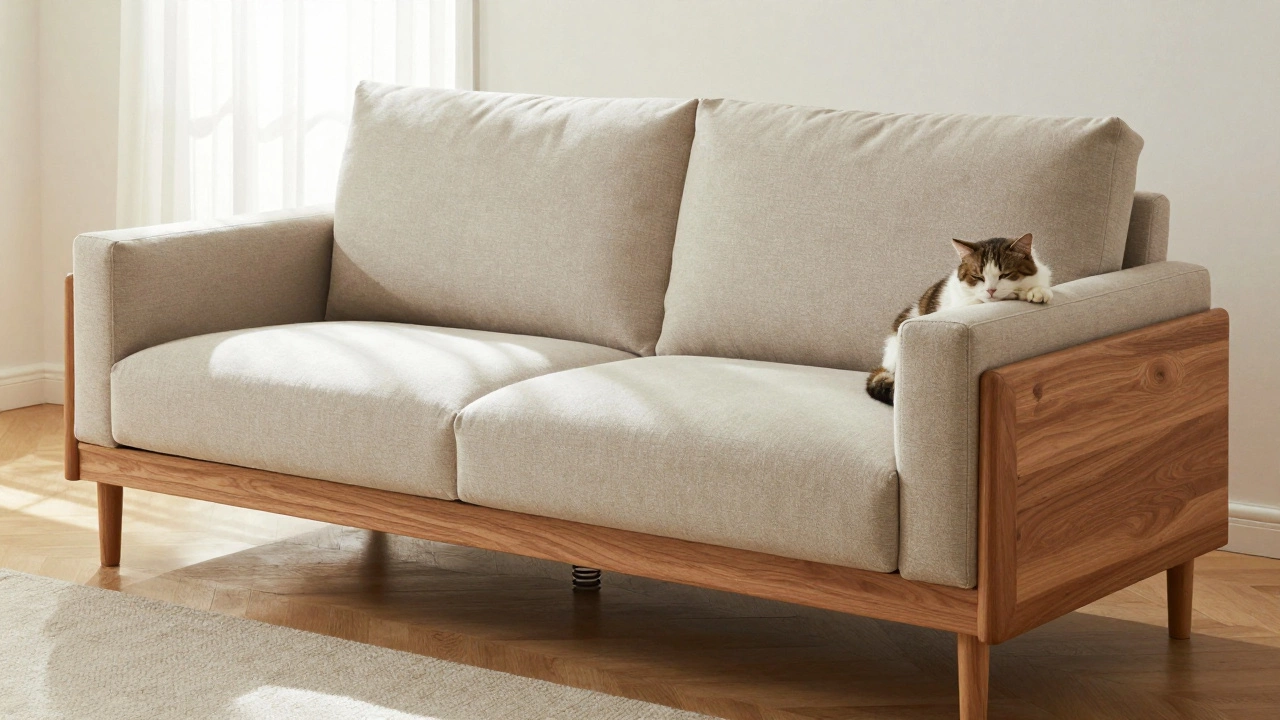
How Long Should the Average Sofa Last? Real-World Expectations and How to Make It Last Longer
Most sofas last 7-15 years, but quality and care make a huge difference. Learn what materials and construction make a sofa last longer-and how to spot when it’s time to replace it.
View more