U.S. Furniture Terms: Common Words and What They Really Mean
When you hear closet, a built-in storage space, often in a bedroom, used for hanging clothes and storing items. Also known as wardrobe, it isn’t just a place to hang your shirts—it’s a cultural clue. In the U.S., "closet" is the default word for built-in storage, while in the UK, people say "wardrobe" even for the same thing. That’s not just semantics—it’s a difference in how spaces are designed, built, and used. A wardrobe, a freestanding cabinet for storing clothes, often with doors and internal shelving or hanging rods. Also known as armoire, it in America usually means a big, movable piece, not something built into the wall. And an armoire, a tall, ornate freestanding cabinet, often used for clothes or electronics, with decorative detailing? That’s the fancy cousin of the wardrobe, usually found in living rooms or master suites, not the kids’ room. These aren’t interchangeable words—they reflect real differences in furniture design, space planning, and even how people live.
Then there’s the sofa, a large, upholstered seat for multiple people, often used in living rooms. Also known as couch, it—same thing, right? Not always. In the U.S., "sofa" sounds a bit more formal, often used in catalogs or when talking about quality. "Couch" is what you say after a long day. But here’s the catch: some stores use "sofa" to mean a higher-end piece, while "couch" gets stuck with the budget models. It’s not a rule, but it’s a pattern you’ll see in pricing and marketing. And don’t get started on "sectional"—that’s not just a big sofa. It’s a modular system, often L-shaped or U-shaped, designed to fit corners and maximize seating. These terms matter because they tell you what you’re actually getting: structure, size, function, and even quality. If you’re shopping online or comparing prices across regions, mixing these up could cost you time, money, or comfort.
These aren’t just words. They’re shortcuts to understanding how furniture fits into American homes. A closet is part of the architecture. A wardrobe is a piece you move. A sofa is where you relax. Each one carries assumptions about space, lifestyle, and budget. That’s why the posts below—on TV placement, bookshelf styling, office chairs, and couch longevity—aren’t just random tips. They’re all connected by the same underlying truth: knowing the right terms helps you make smarter choices. Whether you’re deciding if your bookcase should hit the ceiling, if your coffee table should be square or round, or whether a chair without armrests is worth the savings, you’re navigating a landscape shaped by language. These posts cut through the noise. They give you clear, practical answers based on real use, not marketing fluff. What you’ll find here isn’t theory—it’s what works in actual homes, with real people, sitting on real furniture.
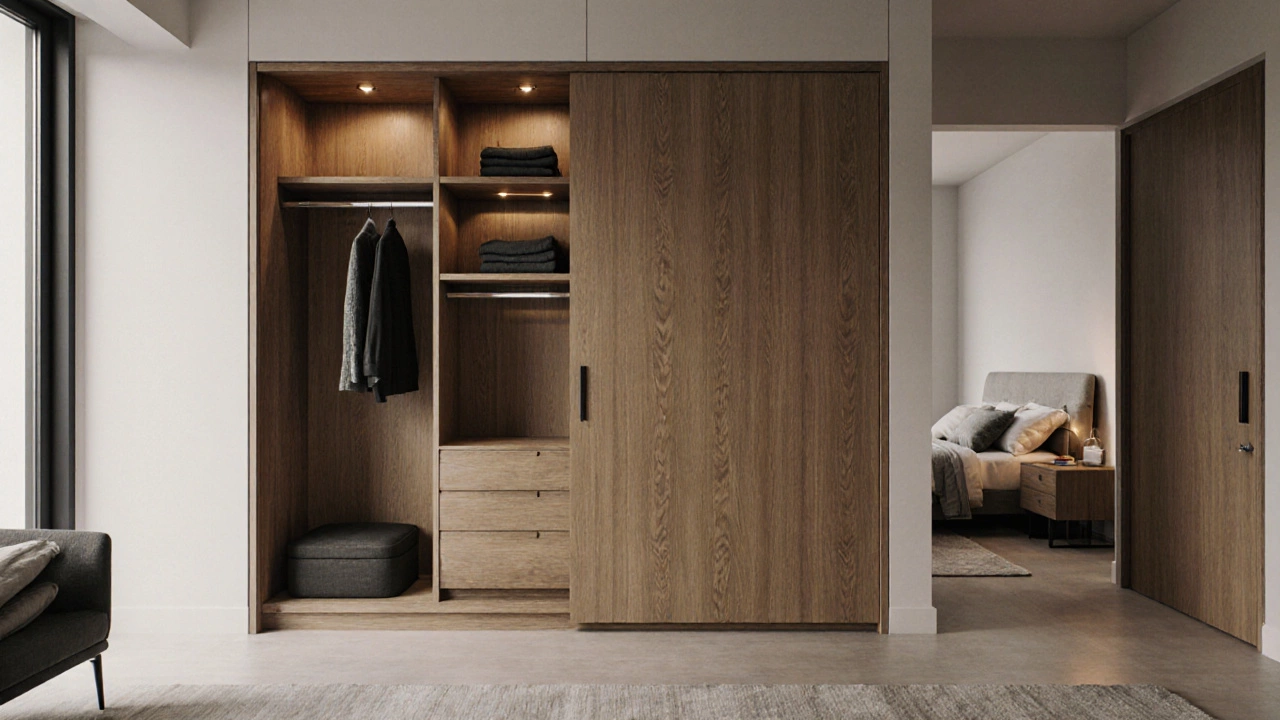
What Do Americans Call Wardrobes? The Real Name Used in U.S. Homes
Americans don't call wardrobes wardrobes-they call them closets. Learn why the U.S. prefers built-in storage, how the terms differ across English-speaking countries, and what to search for when shopping for clothes storage.
View more