Vintage Storage: Smart Ways to Store Furniture Without Damaging It
When you own vintage storage, the careful preservation of older furniture pieces that have historical or sentimental value. Also known as antique furniture care, it isn’t just about keeping things out of the way—it’s about protecting decades of craftsmanship from moisture, dust, and temperature swings. Too many people wrap their old chests, dressers, or armchairs in plastic, thinking it’s safe. But plastic traps humidity, and that’s how mold starts, wood warps, and finishes crack. Real furniture storage, the process of safeguarding household pieces during moves, renovations, or seasonal changes. needs breathable covers, stable temps, and room to breathe.
Think about your storage furniture cover, a protective layer designed specifically for upholstered or wooden pieces during long-term storage.. It’s not a trash bag. It’s not a cheap plastic tarp. It’s something like cotton canvas or a specialized moving blanket that lets air pass through. If your piece has a wooden frame—especially oak, walnut, or teak—it needs humidity control. A damp basement? Bad idea. A hot attic? Worse. The sweet spot is a cool, dry space with steady temps, like a climate-controlled garage or storage unit. And never store a piece directly on concrete. Always lift it with pallets or wooden blocks. Moisture rises, and wood absorbs it like a sponge.
What about leather? Velvet? Upholstered chairs with delicate stitching? Each material has its own needs. Leather dries out without airflow. Velvet attracts dust like magnets. And don’t forget about pests—silverfish and wood-boring beetles love old wood and fabric. Keep storage areas clean, use cedar blocks (not mothballs), and check in every few months. A quick wipe-down with a dry cloth can catch problems early.
You don’t need to be a museum curator to do this right. Just pay attention. The difference between a piece that survives 20 years in storage and one that turns to dust? It’s not luck. It’s knowing what to cover it with, where to put it, and how often to look at it. The posts below give you real, no-fluff advice from people who’ve been there—whether it’s how to wrap a 1950s sideboard, why plastic is a trap, or what fabric actually works for long-term protection. You’ll find out what works, what doesn’t, and how to avoid the mistakes that ruin vintage pieces every single day.
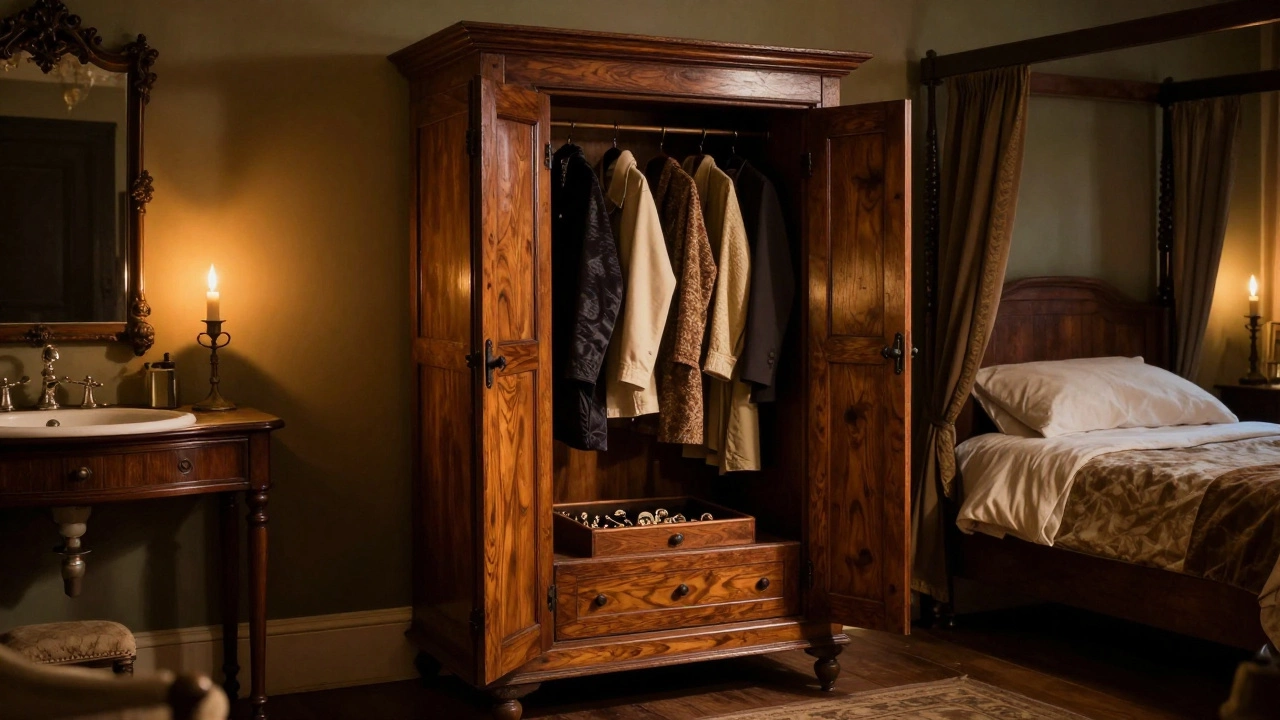
What Are Old Closets Called? The Real Names of Vintage Storage Furniture
Old closets weren't built into walls - they were freestanding furniture. Discover the real names like armoire and clothes press, how they were used, and why they still matter today.
View more