 1
Dec,2025
1
Dec,2025
Vintage Storage Furniture Quiz
Test your knowledge of historical storage furniture terms. Identify whether each description refers to an armoire, clothes press, or wardrobe based on the article.
Question 1
"A tall, ornate wooden cabinet with carved details and often a mirror, popular in Victorian homes."
Question 2
"A sturdy British cabinet with thick wooden panels and locks, often containing candle holders or small compartments for jewelry."
Question 3
"A freestanding cabinet that evolved from a room where clothing was stored, often with sliding doors."
Question 4
"A heavy wooden cabinet from colonial times with hanging rods and no decorative details."
Your Results
Ever opened an old house and seen a tall, heavy wooden cabinet with doors and shelves inside, and wondered what people called it back in the day? You’re not alone. Many folks today call it a closet, but that’s not what it was originally named - especially if it’s from the 1700s or early 1900s. Old closets weren’t built into walls like modern ones. They were standalone pieces of furniture, often passed down through generations. So what were they really called?
Armoire: The Classic Name for a Tall Clothes Cabinet
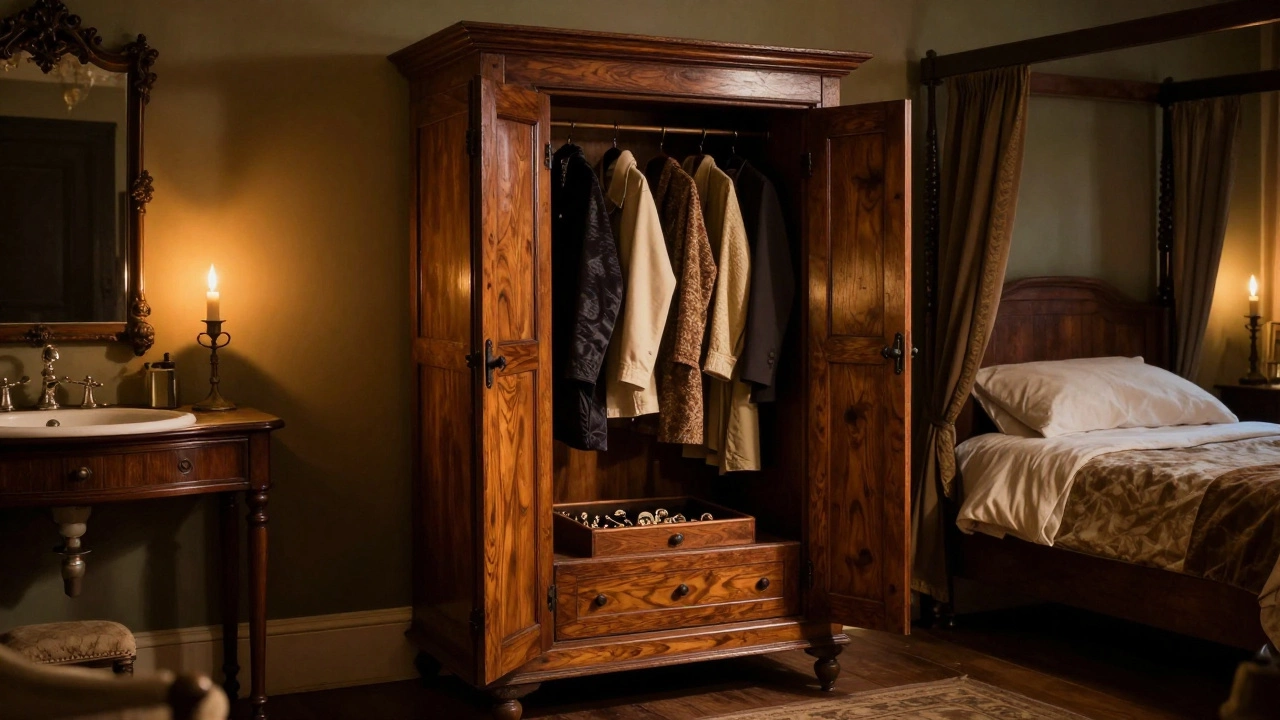
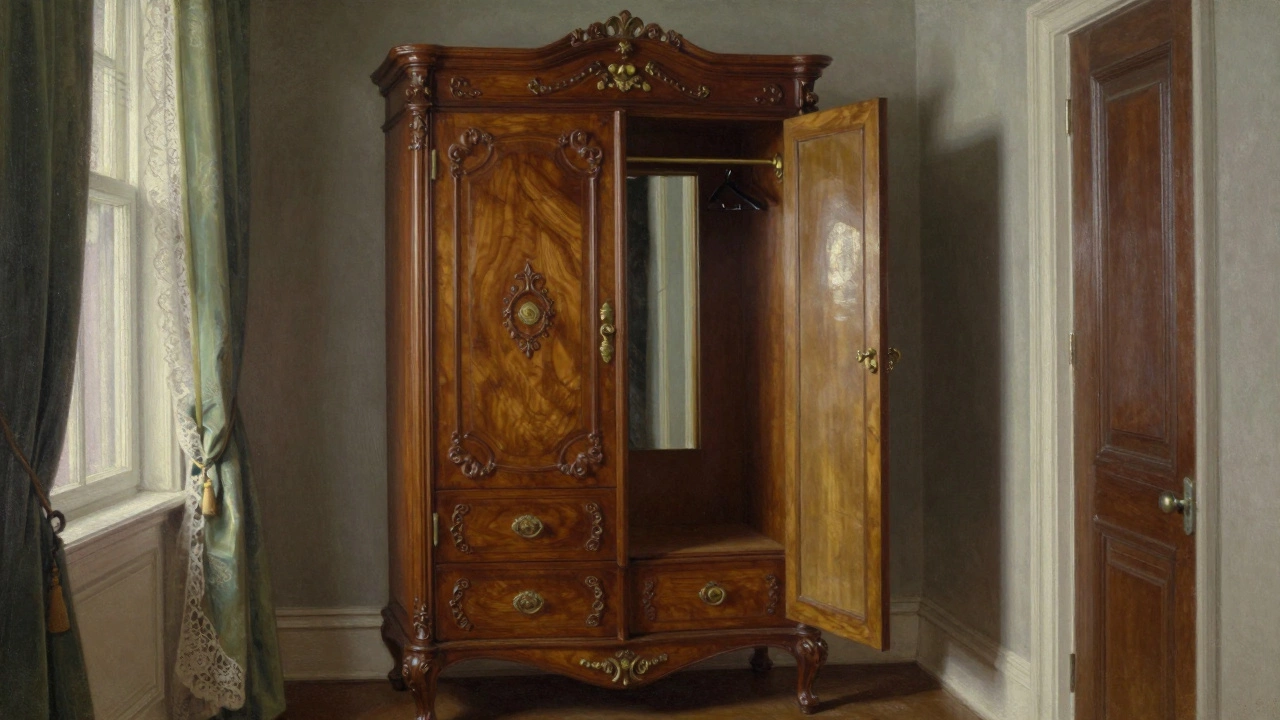
The most common name for an old closet-style piece is armoire. Originating from France in the 1600s, an armoire was designed to store clothes, linens, and sometimes even weapons or valuables. These weren’t just storage units - they were statement pieces. Made from walnut, oak, or mahogany, they often featured carved details, brass hardware, and sometimes mirrors or drawers on the bottom. In Victorian homes, an armoire could be as large as a small room door, standing nearly eight feet tall. You’d find them in bedrooms, dressing rooms, or even hallways. Today, antique armoires are still prized for their craftsmanship and can sell for thousands at auction.
Clothes Press: The British Term for a Heavy Wooden Storage Unit
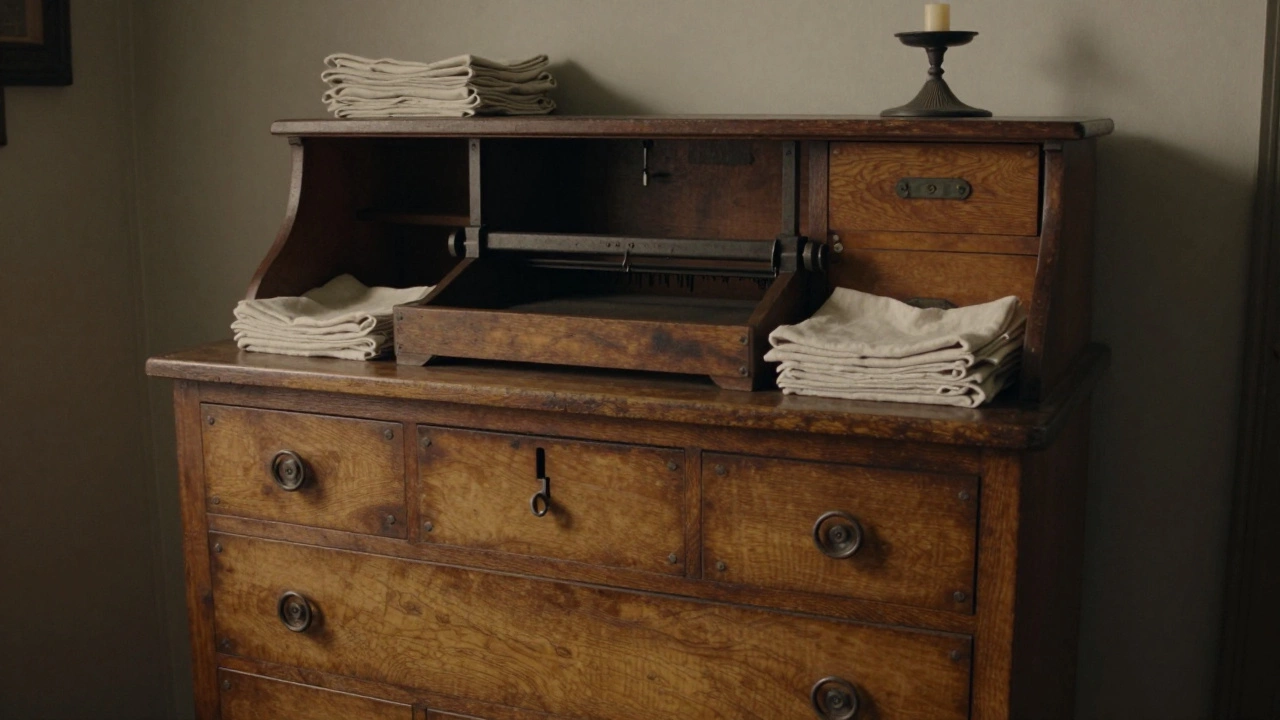
If you’re reading old English household inventories from the 18th century, you’ll often see the term clothes press. This was the standard term used in Britain and its colonies, including Australia and America. A clothes press was essentially a box with hanging rods inside, sometimes with shelves above or drawers below. Unlike modern wardrobes, clothes presses were built to be sturdy - they had thick wooden panels, iron hinges, and locks to keep out moths and thieves. Some even had built-in candle holders or small compartments for jewelry. In colonial homes, the clothes press was often the only place to hang good clothing, since fabric was expensive and needed protection from damp and insects.
Wardrobe: A Term That Evolved Over Time
The word wardrobe has been around since the 1300s, but it didn’t always mean what we think today. Originally, a wardrobe was a room - a dedicated space where clothing was stored and sorted. Over time, as homes got smaller and furniture became more mobile, the term shifted. By the late 1800s, a wardrobe was a freestanding cabinet that replaced the room. In fact, many early 20th-century wardrobes were called “closet wardrobes” because they mimicked the shape of built-in closets. So when someone today says “wardrobe,” they might mean a modern sliding-door unit, but in 1910, it meant a heavy wooden cabinet with hangers and a mirror.
Other Names You Might Hear
Depending on the region and era, you might come across a few other names for these pieces:
- Chest of drawers - Not a closet, but often paired with one. Used for folded clothes, linens, or undergarments.
- Press bureau - A hybrid piece with drawers on the bottom and hanging space above. Common in 18th-century French and English homes.
- Linens press - Designed specifically for storing bed sheets and tablecloths, often with sliding doors and no hanging rods.
- Great wardrobe - A grand, oversized version used in manor houses or wealthy households. Sometimes included a built-in seat or mirror.
These names weren’t interchangeable. Each had a specific function. A clothes press held hanging garments. A linen press held folded fabrics. A chest of drawers held small items. Mixing them up today is common - but knowing the difference helps when you’re shopping for antiques or restoring old furniture.
Why the Confusion? Modern vs. Historical Terms
Today, “closet” almost always means a built-in space in a wall. But in the 1800s, most homes didn’t have them. Built-in closets only became common after World War II, when mass-produced housing needed to save space. Before that, every home relied on freestanding furniture for storage. That’s why you’ll find armoires and clothes presses in 19th-century homes - they weren’t optional. They were essential.
Modern furniture brands now use “closet” as a marketing term for any storage unit, even if it’s a cheap particleboard box. But if you’re looking at a piece from 1850, calling it a “closet” is like calling a horse-drawn carriage a “car.” It’s not wrong, but it misses the history.
How to Identify an Old Closet Piece
If you’ve found an old wooden cabinet and want to know what it really is, here’s how to tell:
- Check the wood - Real antique pieces use solid hardwood, not plywood or MDF. Look for hand-cut dovetail joints in drawers.
- Look at the hardware - Brass or iron handles, hand-forged hinges, and hand-cut screws (with irregular threads) are signs of pre-1850 work.
- Check for hanging rods - If there’s a metal or wooden rod inside, it’s likely a clothes press or armoire.
- Look for labels or stamps - Some pieces have maker’s marks inside the back panel or on the underside.
- Measure the height - Antique armoires are usually 7 to 8 feet tall. Modern wardrobes are often 6 feet or less.
Even if it’s missing a door or has scratches, don’t toss it. These pieces were made to last. Many have been refinished and sold as vintage finds. A solid oak clothes press from 1880 can be worth $1,500 to $4,000 today, depending on condition.
What to Do With an Old Closet Piece Today
These aren’t just relics - they’re functional. Many people use armoires as:
- TV stands with hidden storage
- Entryway organizers for coats and boots
- Home office filing cabinets
- Display cabinets for books or collectibles
They’re especially popular in Melbourne homes where space is tight but character matters. A well-restored clothes press adds warmth and history to a modern apartment. And unlike flat-pack furniture, these pieces can be repaired, refinished, and passed down again.
Final Thought: Names Carry History
Calling an 1820s clothes press a “closet” isn’t wrong - it’s just lazy. The real names - armoire, clothes press, press bureau - tell you who made it, where it came from, and how it was used. They’re part of a story about how people lived, what they valued, and how they protected their belongings before electricity, central heating, or plastic hangers existed. Next time you see one, don’t just see storage. See craftsmanship. See centuries of care.
What’s the difference between an armoire and a wardrobe?
An armoire is a French-style cabinet, usually ornate and tall, often with decorative carvings and sometimes a mirror. A wardrobe is a more general term that evolved from a room into a storage cabinet - simpler in design, often with sliding doors. In modern use, the words are often swapped, but historically, armoires were luxury items, while wardrobes were practical household furniture.
Are clothes presses the same as armoires?
They’re similar, but not identical. A clothes press is a British term for a heavy wooden cabinet with hanging space, often without fancy detailing. An armoire is French, usually more decorative, and may include drawers or mirrors. Many armoires function as clothes presses, but not all clothes presses are armoires.
Why did people stop using clothes presses?
After World War II, housing developments in the U.S., UK, and Australia began building homes with built-in closets to save space and reduce costs. Mass production made cheap, flat-pack wardrobes available, and people stopped needing large, expensive freestanding pieces. Clothes presses became outdated because they took up more floor space and were harder to move.
Can I use an old armoire as a modern closet?
Absolutely. Many people today use antique armoires as walk-in closet alternatives, especially in apartments. They’re perfect for storing coats, suits, or seasonal clothing. Just make sure the wood is in good shape and the hanging rod is sturdy. You can even add a modern lighting strip inside for better visibility.
How do I know if my old cabinet is valuable?
Look for solid wood, hand-cut joinery, original hardware, and maker’s marks. Pieces from the 1700s to early 1900s made of walnut, mahogany, or oak are most valuable. Condition matters - original finishes are worth more than repainted ones. A well-preserved 1850s clothes press can sell for $2,000 or more. If you’re unsure, take photos and ask a local antique dealer.
If you’ve got one of these old pieces in your home, treat it like family history - not just furniture. It survived wars, moves, and changing styles. That’s more than most things we buy today can say.