 1
Dec,2025
1
Dec,2025
When you’re buying a corner sofa, you’re not just buying furniture-you’re investing in the heart of your living room. It’s where you unwind, entertain, and spend hours scrolling or binge-watching. So why risk picking a color that looks great in the showroom but clashes with your rug, curtains, or next year’s accent pillows? The truth is, there’s one simple answer to the question: gray is the color that goes with everything. But it’s not the only one.
Why Neutral Is the Only Smart Choice for a Corner Sofa
Corner sofas are bulky. They take up space. They’re expensive. And once you bring one home, you’re stuck with it for years. That’s why color choice matters more than fabric, leg style, or even cushion firmness. A bold red or bright blue might feel exciting now, but in two years, when your kids have grown and your style has shifted, that sofa will look like a mistake. Neutral tones-grays, beiges, taupes, and soft blacks-don’t just blend in. They anchor the room. They let everything else breathe. Think of them as the canvas for your life. Your throw blankets, your artwork, your seasonal decor-they all become the stars. Your sofa? It’s the quiet stage.The Three Neutral Colors That Actually Work
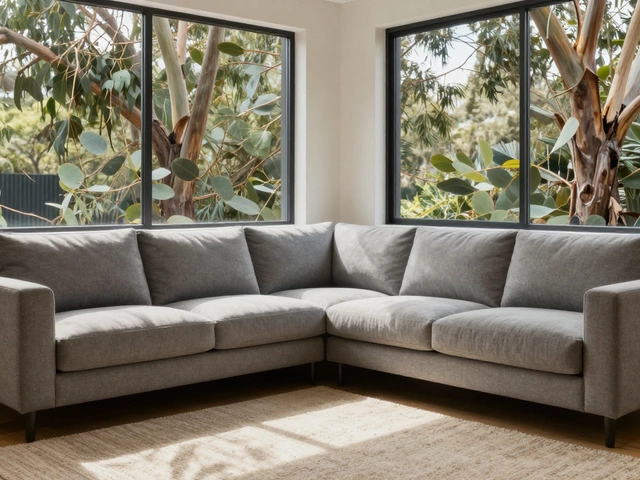
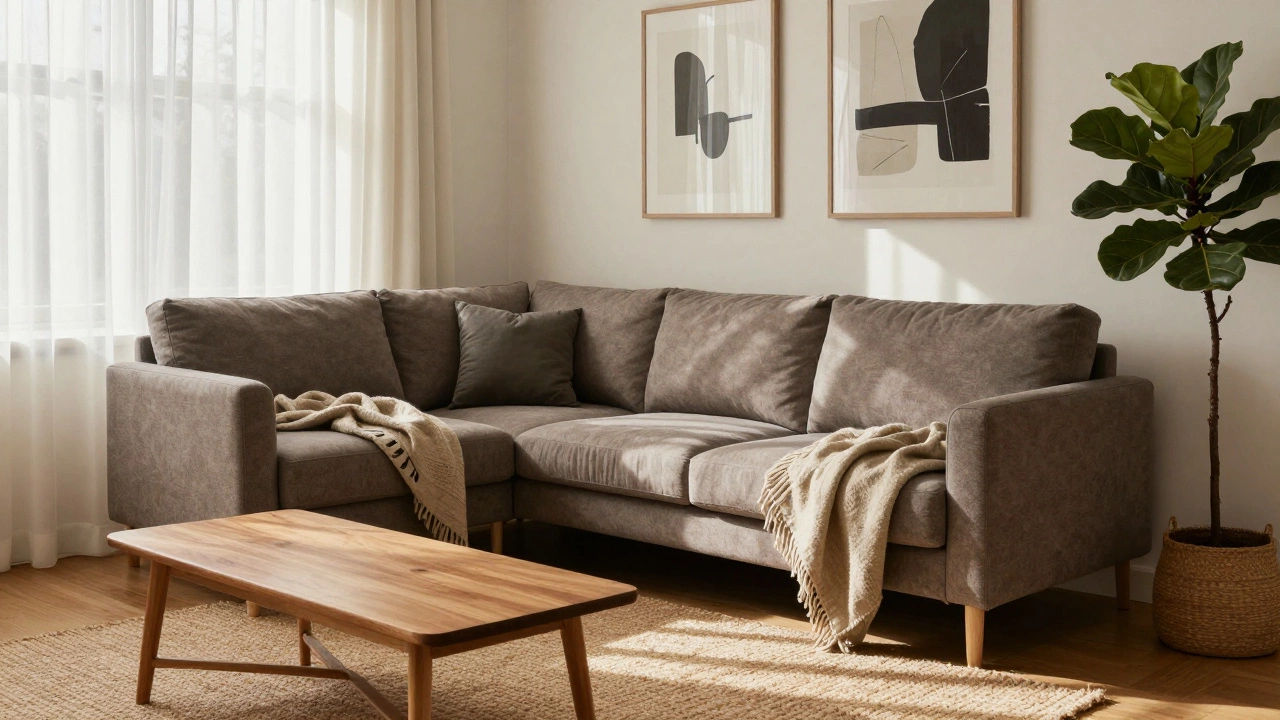
Not all neutrals are created equal. Some look cold. Some look dirty. Some look like they belong in a dentist’s waiting room. Here are the three that actually work in real homes, tested across Melbourne apartments, suburban houses, and coastal cottages.- Warm Gray (like Benjamin Moore’s Gray Owl or Farrow & Ball’s Skimming Stone): This isn’t the icy gray you see in modernist magazines. It’s a gray with a touch of brown or beige underneath. It reads as cozy in winter and fresh in summer. It pairs with wood tones, linen, and even navy without looking dull.
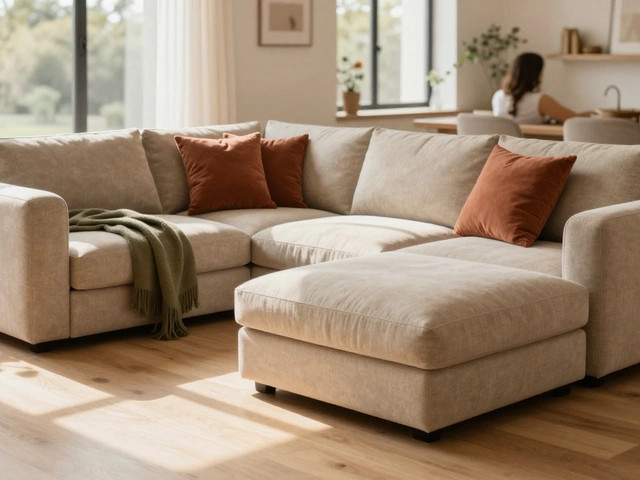
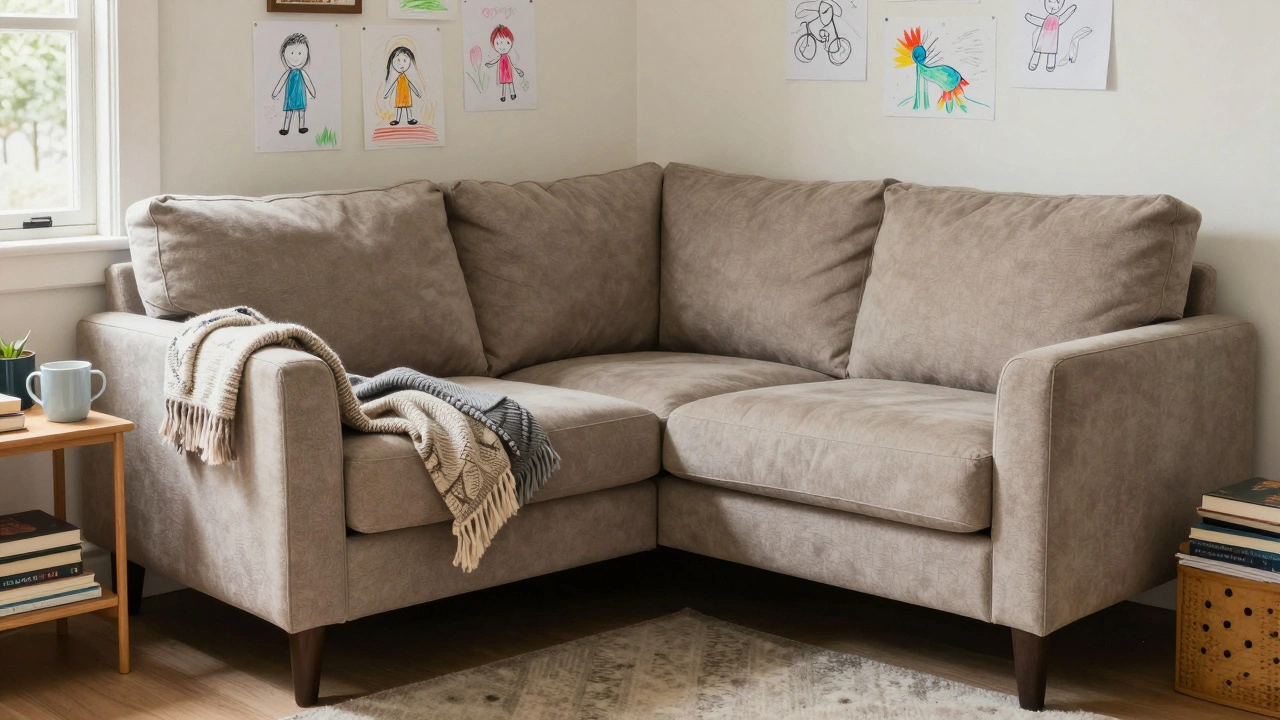
- Beige-Taupe (think Sherwin-Williams’ Accessible Beige or Pantone’s Soft Taupe): This isn’t your grandma’s beige. Modern taupe has a hint of gray, making it more sophisticated than cream but warmer than gray. It’s the color that makes your white walls look intentional, not empty.
- Charcoal (like Benjamin Moore’s Kendall Charcoal or Dulux’s Night Shadow): Darker than black, softer than onyx. Charcoal adds depth without swallowing the room. It’s perfect for rooms with good natural light or if you have lighter flooring. It hides stains better than any other color, which is why it’s the top pick in homes with pets or kids.
These three colors don’t just match-they elevate. They don’t compete with your art, your plants, or your favorite rug. They make everything else look better.
Why White and Cream Are Risky (Even Though Everyone Recommends Them)
You’ve seen the Instagram photos. A pristine white corner sofa with perfect pillows, sunlight streaming in, no fingerprints, no crumbs. That’s not real life. That’s a photoshoot. White and cream sofas look amazing for about two weeks. Then kids spill juice. Dogs shed. Coffee cups leave rings. Dust clings like a second skin. In Melbourne’s humid winters and dusty summers, a white sofa becomes a chore. Even the best stain-resistant fabrics can’t beat time and life. If you love the look of white, go for a light gray instead. It reads as white from across the room but hides the mess. Same vibe. Zero guilt.What About Black?
Black sofas are bold. They’re modern. They look expensive. But they’re not for everyone. In a small, dimly lit room, black can feel like a void. In a sun-drenched space with high ceilings? It becomes a statement. But here’s the catch: black shows lint, pet hair, and dust like nothing else. You’ll be vacuuming daily. And if you have a pet that sheds? You’ll hate your life by month three. Charcoal is the smarter alternative. It gives you the same sleek, high-end look without the maintenance nightmare.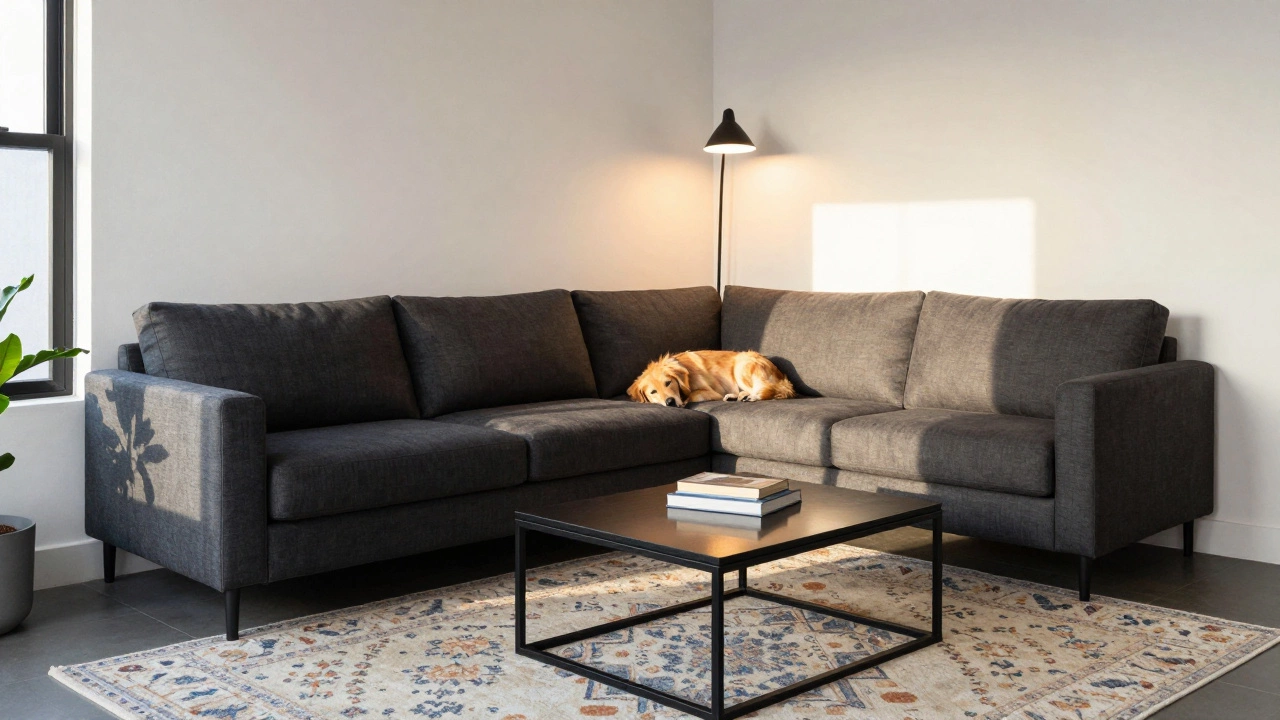
How to Test a Sofa Color Before You Buy
Don’t just trust a swatch. Don’t rely on the showroom lighting. Bring your own. Here’s how to test a color for real:- Take a large fabric sample home (most stores will give you one for free).
- Place it on your floor next to your rug, coffee table, and curtains.
- Look at it in morning light, afternoon sun, and evening lamplight.
- Live with it for two days. Sit on it. Lie on it. Watch TV on it.
- Ask a friend: “Does this feel like home?”
If it feels like it belongs, it’s the right color. If it feels like something you’re forcing into the room, walk away.
What to Pair With Your Neutral Sofa
A neutral sofa isn’t boring. It’s flexible. Here’s how to make it pop without changing the sofa:- Throw pillows: Mix textures-linen, velvet, wool. Use one bold color (like mustard, teal, or rust) and two neutrals.
- Rugs: Go for a patterned rug in earthy tones. A jute rug with subtle stripes works wonders with gray.
- Artwork: Lean into black-and-white photography or abstract watercolors. They don’t compete-they complete.
- Plants: A tall fiddle-leaf fig or a trailing pothos adds life. Green and gray are a natural duo.
- Lighting: Brass or matte black lamps add warmth and contrast. Avoid plastic-looking fixtures.
The goal isn’t to match everything. It’s to layer. A neutral sofa gives you permission to play.
Real-Life Examples from Melbourne Homes
I’ve seen dozens of corner sofas in homes across Melbourne. The ones that still look good after five years? They all follow the same rule. - A Carlton terrace with a warm gray corner sofa, a navy velvet armchair, and a mustard yellow rug. The sofa hasn’t changed. The rest of the room has evolved three times. - A South Yarra apartment with a charcoal sofa, white walls, and a black metal coffee table. It looks like a design magazine-but it’s lived in. There’s a dog sleeping on it. - A family home in Footscray with a taupe sofa, kids’ drawings pinned to the wall, and mismatched throw blankets. The sofa doesn’t stand out. It holds everything together.These aren’t showrooms. They’re homes. And they all have one thing in common: the sofa didn’t fight the room. It supported it.
What Colors to Avoid
Some colors are trendy. Some are just trouble.- Bright red or orange: These dominate the room. They age poorly. They’re hard to match with anything else.
- Pastel blue or mint: Looks great in spring, feels dated by winter. They also show dirt like a white shirt.
- Patterned sofas: A floral or geometric print might look cool now, but it’s a design time bomb. You’ll want to replace it before you replace your TV.
- Too-light beige: If it looks like milk, it will look like a mess in six months.
These colors are fun to look at online. They’re terrible to live with.
Final Rule: Buy the Sofa You Can Live With for 10 Years
You don’t need to match your sofa to your current decor. You need to match it to your future self. Will you still love this color when your kids are teenagers? When you’re redecorating for the third time? When you’ve moved houses and brought it with you? Gray, taupe, and charcoal don’t just go with everything. They go with everyone. They’re timeless because they’re not trying to be trendy. They’re quiet. They’re strong. They’re the kind of color that doesn’t need to shout to be noticed.So skip the bold hues. Skip the Instagram fads. Pick the color that feels calm. The one that lets your life happen around it. That’s the sofa you’ll still love in 2035.
Can a gray sofa look too cold?
Yes, if it’s the wrong shade. Avoid cool grays with blue undertones-they can feel sterile. Instead, choose warm grays with hints of brown or beige. Pair it with wood tones, textured throws, and warm lighting to soften it. In Melbourne’s climate, warmth matters more than you think.
Is a charcoal sofa too dark for a small room?
Not if you balance it right. Charcoal works in small spaces when paired with light walls, a bright rug, and plenty of natural light. Avoid dark flooring and dark curtains. Use mirrors and layered lighting to open up the space. Many Melbourne apartments use charcoal sofas successfully-because they’re practical and stylish.
Should I get a fabric or leather corner sofa?
For neutral colors, fabric is better. It’s softer, warmer, and easier to update with throws. Leather can look sleek, but it shows scratches and gets cold in winter. If you go leather, choose a dark brown or charcoal-it hides wear better than black. But for long-term comfort and flexibility, go with a high-quality performance fabric like Crypton or Sunbrella.
What’s the best way to clean a neutral sofa?
Vacuum weekly with a brush attachment. Spot clean spills immediately with a damp cloth and mild soap. For deeper cleaning, hire a professional every 12-18 months. Avoid steam cleaners-they can damage fabric backing. Always test any cleaner on a hidden spot first. Performance fabrics are designed to be low-maintenance, so you don’t need to baby them.
Can I change the look of my sofa without buying a new one?
Absolutely. Swap out throw pillows and blankets seasonally. Add a lightweight slipcover in summer if you want to lighten the look. Change your rug or artwork. Rearrange your lighting. A neutral sofa is a blank canvas-you can reinvent the room around it without spending a fortune.
Next Steps: What to Do Before You Buy
1. Measure your space. Corner sofas come in many sizes. Don’t assume your room fits a standard L-shape. 2. Test the seat depth. You should be able to sit back with your knees slightly bent. Too shallow? You’ll feel perched. Too deep? You’ll sink and struggle to get up. 3. Ask about the frame. Solid hardwood (like oak or kiln-dried pine) lasts longer than particleboard. 4. Check the warranty. A good sofa comes with at least a 5-year frame warranty. 5. Bring home a fabric swatch. Live with it for 48 hours before you commit.The right color doesn’t just look good. It makes your life easier. Choose wisely. You’ll thank yourself in five years.