 11
Jan,2026
11
Jan,2026
Closet vs Wardrobe Selector Tool
Find the perfect storage solution for your space with this personalized tool. Answer a few questions to get tailored recommendations based on the key differences explained in the article.
Your Personalized Recommendation
Why This Recommendation?
Ever stood in front of your clothes, wondering why your closet feels cramped while your friend’s wardrobe looks like a luxury boutique? You’re not alone. People mix up closet and wardrobe all the time - but they’re not the same thing. And knowing the difference can change how you organize your space, what you buy, and even how much room you need in your home.
What Exactly Is a Closet?
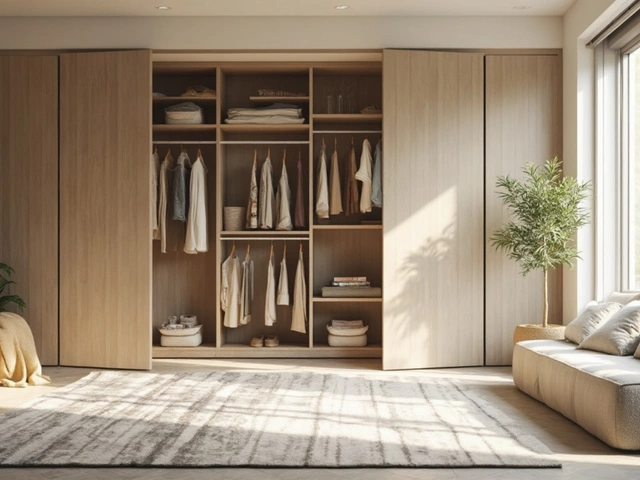
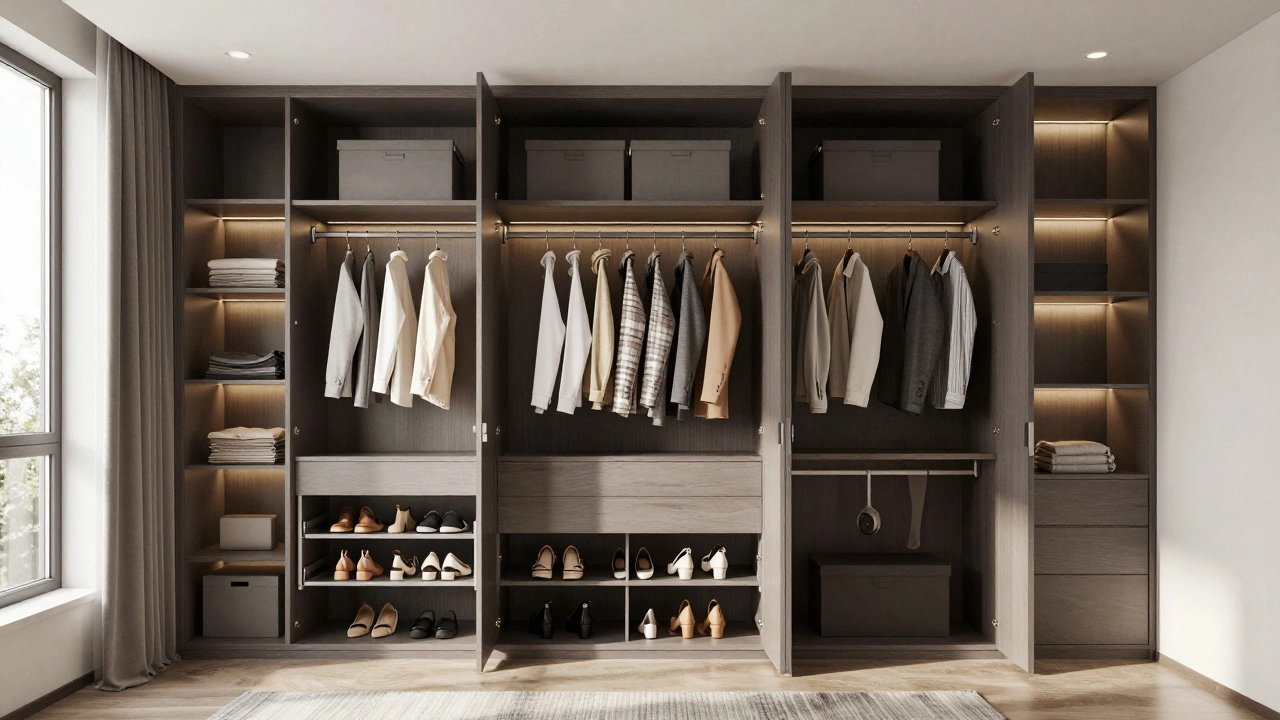
A closet is a built-in storage space, usually part of the wall structure of a room. It’s not furniture - it’s architecture. Most homes built after the 1950s include at least one closet in the bedroom. Walk-in closets are common in newer houses, while reach-in closets are the standard in older or smaller homes.Closets are typically enclosed by a door or curtain and have rods for hanging clothes, shelves above or below, and sometimes drawers or cubbies. They’re fixed in place. You can’t move them. If you rent an apartment and the closet is small, you’re stuck with it - unless you’re willing to remodel.
Modern closets often come with custom organizers: pull-out shoe racks, tie holders, jewelry trays. These turn a basic hole in the wall into a high-functioning storage system. But even the fanciest closet is still part of the building. It doesn’t have legs. It doesn’t have doors you can take off and carry to another room.
What Exactly Is a Wardrobe?
A wardrobe is a freestanding piece of furniture designed to store clothes. Think of it like a tall cabinet with doors, shelves, rods, and sometimes drawers. You can buy one from IKEA, West Elm, or a local carpenter. You can move it. You can take it with you when you move apartments. You can paint it, refinish it, or even repurpose it as a bookshelf later.Wardrobes come in all shapes and sizes. Some are slim and tall, perfect for narrow spaces. Others are wide and deep, with mirror doors and internal lighting. Some even have built-in seating or pull-out ironing boards. They’re designed to be self-contained storage units - not attached to the walls, not part of the structure.
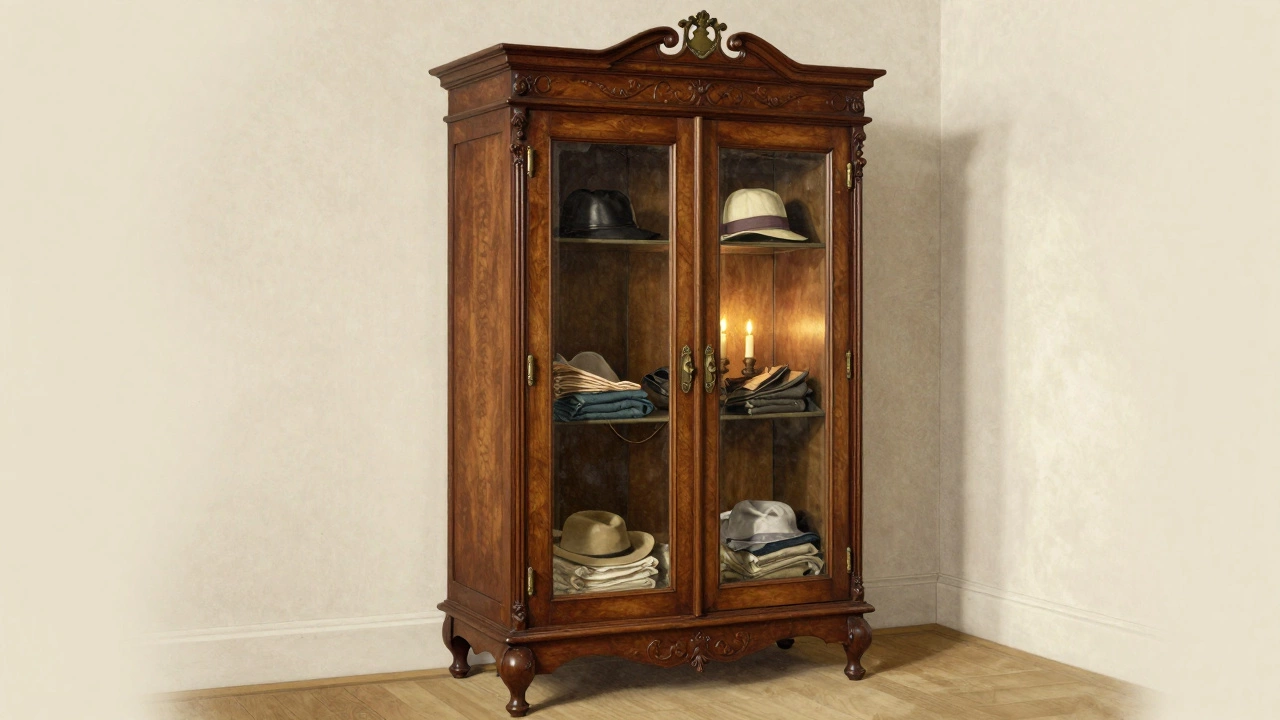
Wardrobes have been around for centuries. In 18th-century Europe, they were luxury items - carved wooden cabinets for nobles. Today, they’re practical for renters, dorm rooms, or homes without built-in closets. If you live in a studio apartment and need to store 30 shirts, a wardrobe might be your only option.
Key Differences at a Glance
| Feature | Closet | Wardrobe |
|---|---|---|
| Type | Built-in architectural feature | Freestanding furniture |
| Portability | Cannot be moved | Can be relocated easily |
| Installation | Requires construction | Assembly only (no tools needed for most) |
| Customization | High (with professional install) | Moderate (pre-made designs) |
| Cost | $1,000-$10,000+ (built-in) | $100-$1,500 (store-bought) |
| Best For | Permanent homes, large spaces | Rentals, small rooms, temporary setups |
When to Choose a Closet
If you own your home and have the budget, a built-in closet is the gold standard. It adds value to your property. Real estate agents say a well-organized walk-in closet can boost home value by up to 5%. It also saves floor space - no bulky furniture taking up room.Walk-in closets are ideal for people with large wardrobes: fashion collectors, people who work in creative fields, or families with multiple people sharing one room. You can zone your closet: shirts here, pants there, shoes on the bottom, accessories on the top. Some even have islands with drawers in the middle.
But here’s the catch: installing a custom closet isn’t cheap. A basic reach-in closet renovation starts around $1,000. A full walk-in with lighting, mirrors, and drawers can hit $8,000 or more. And if you’re renting? Forget it. Your landlord won’t let you tear down drywall.
When to Choose a Wardrobe
A wardrobe is your best friend if you’re renting, living in a small space, or just want flexibility. You don’t need permits. You don’t need a contractor. You can buy one online, have it delivered, and set it up in an afternoon.Wardrobes work great in dorms, home offices turned into guest rooms, or apartments without any built-in storage. They’re also popular in Europe, where older homes rarely have closets. In cities like London or Berlin, you’ll find wardrobes in nearly every bedroom - because there’s no other choice.
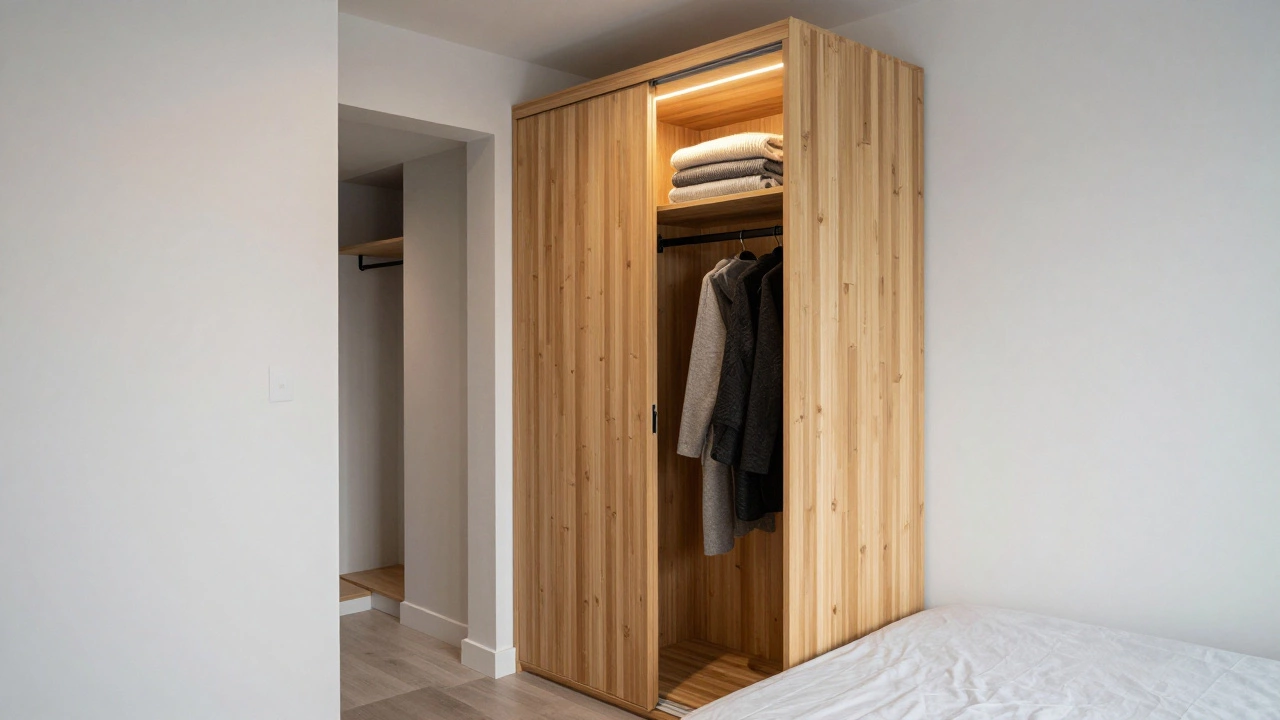
Modern wardrobes are smarter than ever. Some come with LED lighting, motion-sensor doors, or even Bluetooth speakers. Others have sliding doors that save space in tight corners. You can find ones made of bamboo, reclaimed wood, or recycled plastic - eco-friendly options that look stylish.
And if you’re tired of it? Just move it. Swap it out. Sell it. Donate it. That’s the freedom you don’t get with a closet.
Common Misconceptions
Many people think “closet” and “wardrobe” are interchangeable. They’re not. A closet is a room-within-a-room. A wardrobe is a piece of furniture. One is permanent. The other is portable.Another myth: “Closets are always bigger.” Not true. A reach-in closet in a 1970s apartment might be 2 feet deep and 4 feet wide. A tall, narrow wardrobe can hold just as much - and fit in a corner where a closet never could.
And don’t assume a wardrobe is just for clothes. Many people use them to store linens, seasonal gear, or even office supplies. A wardrobe with drawers can double as a filing cabinet or a craft storage unit.
What If You Have Both?
It’s not unusual - especially in newer homes. You might have a small reach-in closet near the door for everyday clothes, and a larger wardrobe in the corner for seasonal items, suits, or special occasion wear. That’s smart storage.Some people use the closet for hanging items and the wardrobe for folded clothes, shoes, or accessories. Others use the wardrobe as a visual centerpiece - a statement piece with mirrored doors - while the closet stays hidden and utilitarian.
Having both gives you flexibility. You can keep your daily essentials close at hand and store the rest elsewhere. It’s like having a pantry and a fridge - different purposes, same goal: keeping things organized.
Final Thoughts
The difference between a closet and a wardrobe isn’t just about looks - it’s about function, cost, and lifestyle. If you’re buying a house and want long-term value, invest in a well-designed closet. If you’re renting, moving often, or just want to avoid renovation headaches, a wardrobe is your practical, affordable solution.There’s no right or wrong. It’s about matching your storage to your life. A closet might be perfect for your dream home. But a wardrobe? That’s the tool that lets you live well - wherever you are right now.
Can a wardrobe replace a closet entirely?
Yes, absolutely. Many people in apartments, dorms, and small homes use wardrobes as their only clothing storage. A tall, deep wardrobe with multiple rods and shelves can hold the same amount - or more - than a standard reach-in closet. The key is choosing the right size and layout for your needs.
Are closets more expensive than wardrobes?
Generally, yes. A custom-built closet can cost anywhere from $1,000 to $10,000 depending on materials and size. A high-quality wardrobe from a store like IKEA or Pottery Barn typically runs $300-$1,500. The closet requires construction, labor, and materials. The wardrobe is ready-made and self-installed.
Do wardrobes take up more floor space than closets?
It depends. A reach-in closet is usually 24-30 inches deep and fits flush against the wall, so it takes up almost no floor space. A wardrobe needs room to open its doors - usually 36-48 inches of clearance in front. But if you choose a sliding-door wardrobe, it can be just as space-efficient as a closet.
Can I add a wardrobe to a room that already has a closet?
Of course. Many people do. The closet holds daily wear, while the wardrobe stores off-season clothes, formal wear, or items you don’t need daily. It’s a smart way to avoid clutter and keep your main storage area tidy.
What’s the best material for a wardrobe?
Solid wood is the most durable and looks best over time. Plywood is a good mid-range option - sturdy and affordable. MDF (medium-density fiberboard) is cheaper but less durable and prone to warping if exposed to moisture. For renters, engineered wood or metal-framed wardrobes offer a balance of style and affordability.