 22
Dec,2025
22
Dec,2025
Storage Unit Flooring Calculator
Find Your Perfect Flooring Solution
Select your storage unit details to get personalized recommendations for protecting your items from moisture and pests.
Recommended Flooring Solution
for a 5'x5' unit
Pros
Cons
When you rent a storage unit, the floor is usually just concrete. That’s fine-until you start putting things on it. Moisture, dirt, and pests don’t care how clean your stuff is. If you leave boxes directly on the floor, you’re asking for trouble. Water damage from leaks or condensation can ruin clothes, documents, electronics, and furniture. Mold grows fast in damp corners. Rodents chew through cardboard like it’s tissue paper. And once something’s ruined, it’s gone for good.
Why the floor matters more than you think
Most people think storage units are just big metal boxes. They’re not. They’re climate-controlled or not, depending on where you are. In Melbourne, winters are damp. Summers can be hot and sticky. Condensation forms on walls and drips down. If your boxes sit flat on the concrete, that moisture wicks right up into your stuff. A study by the Self Storage Association found that over 40% of damaged items in storage were caused by ground moisture alone. That’s not a small risk-it’s the #1 cause of loss.
And it’s not just water. Dirt gets tracked in. Dust settles. Insects crawl. Ants, silverfish, and even termites can find their way in through tiny cracks. If you’ve got wooden furniture, books, or fabric items down there, you’re basically setting up a buffet.
What to actually put on the floor
You don’t need fancy materials. You don’t need to spend hundreds. You just need to lift your stuff off the ground. Here’s what works:
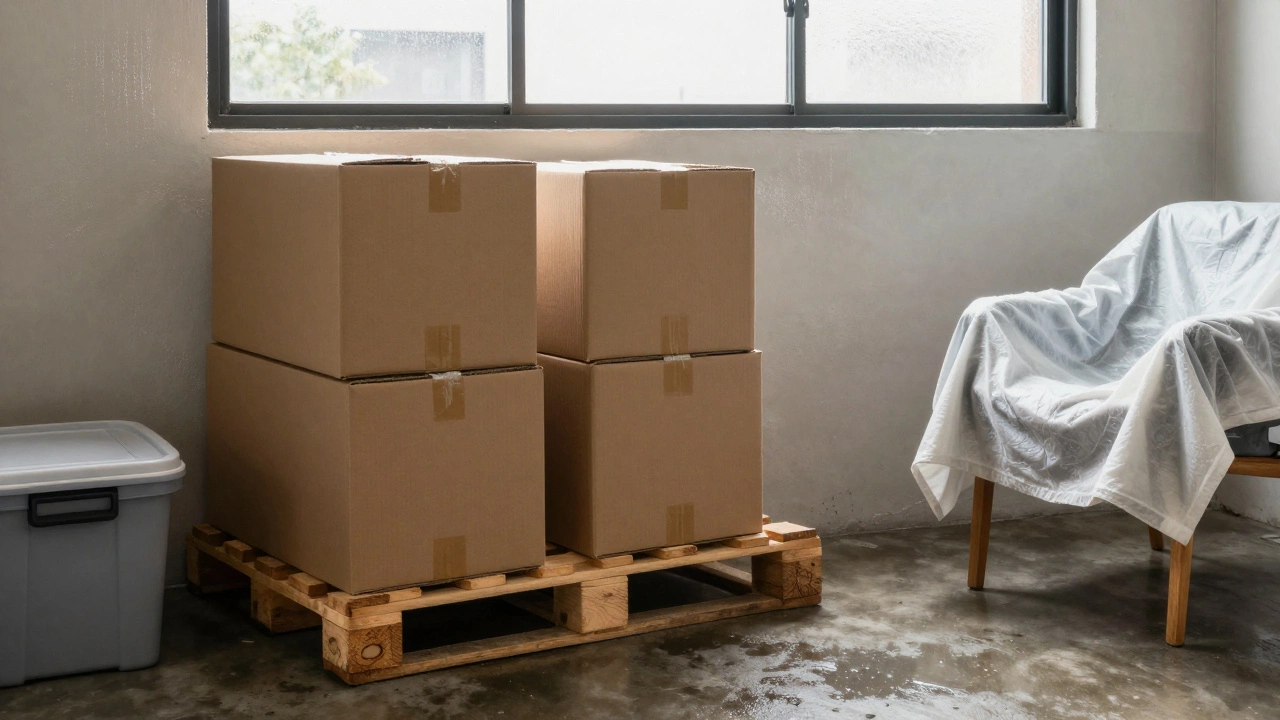
- Pallets-Wooden or plastic pallets are the gold standard. They’re cheap, easy to find, and give you 4-6 inches of air space. You can buy used ones from local warehouses or get them free from grocery stores. Place them flat, side by side, and stack your boxes on top. They let air circulate underneath, which stops moisture buildup.
- Plastic storage crates-If you’re storing smaller items, stackable plastic bins with lids work great. They’re waterproof, stackable, and you can slide them off the floor entirely. Just make sure they’re rated for long-term storage-not the flimsy ones from the dollar store.
- Cardboard risers-Yes, cardboard. But only if it’s thick and dry. Use heavy-duty moving cardboard sheets (like the kind you get from appliance deliveries) as a barrier. Lay them flat, then put your boxes on top. It’s not ideal long-term, but it’s better than nothing if you’re just storing things for a few months.
- Rubber or foam floor tiles-These are popular in home gyms and garages. They’re easy to install, waterproof, and cushion your items. You can buy them in 12x12 inch squares from hardware stores. Lay them like a puzzle across the floor. They’re a bit pricier, but if you’re storing valuable items like vintage records, musical instruments, or heirloom furniture, it’s worth it.
What not to use? Carpet, rugs, or old blankets. They trap moisture. They attract bugs. They rot. Avoid them at all costs.
How to arrange your storage unit properly
Putting something on the floor is step one. Arranging your unit right is step two. A messy unit leads to damaged items-even if you’ve got pallets under everything.
- Leave a 2-inch gap between your stacked items and the walls. That lets air flow and reduces condensation buildup.
- Keep heavy items on the bottom. Don’t stack boxes of books on top of fragile things like lamps or glassware.
- Use vertical space. Stack boxes neatly. Use shelving units made of metal or plastic (not wood-it can warp). Metal shelving doesn’t absorb moisture and won’t attract pests.
- Label everything clearly. Use a permanent marker. Don’t rely on memory. If you need to find your winter coats in July, you don’t want to tear the whole unit apart.
- Keep a walkway. Leave a clear path from the door to your most-used items. You’ll thank yourself later.
Protect what you store, not just the floor
Even with the best flooring setup, your stuff needs extra care.
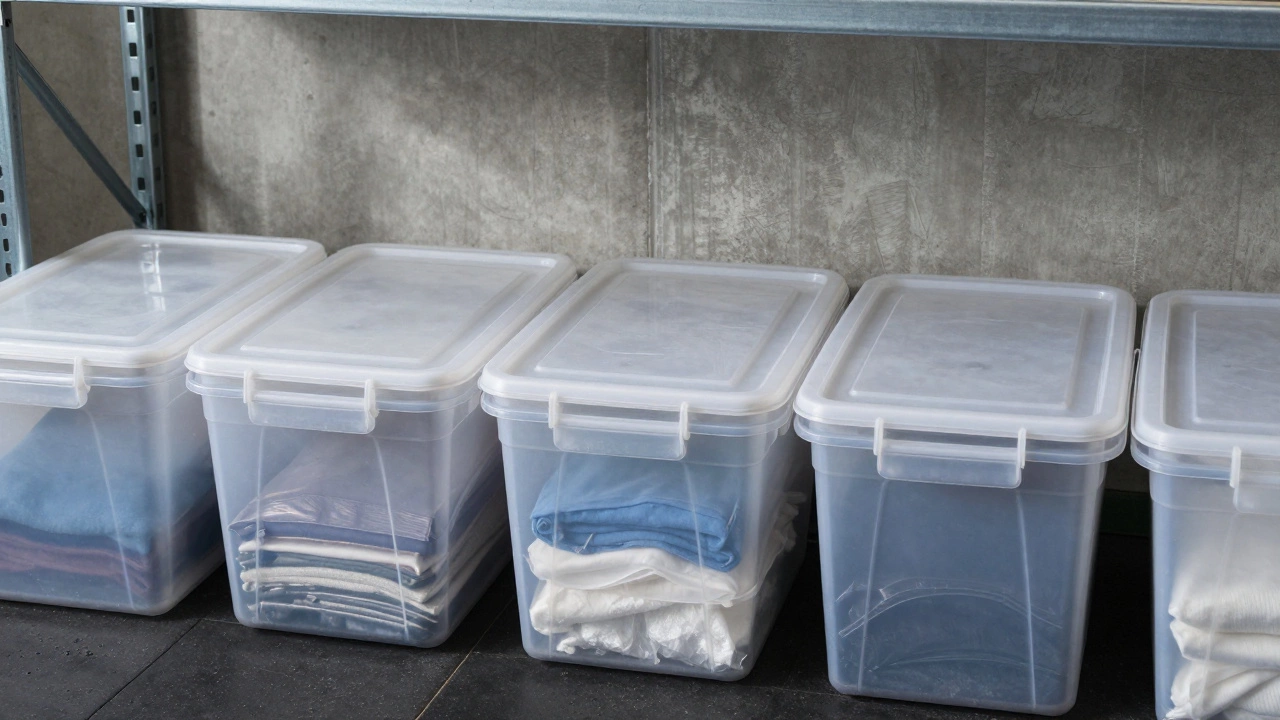
- Use plastic bins with tight seals for clothes, bedding, and documents. Cardboard boxes are fine for short-term, but for anything you care about, go plastic. Look for bins labeled "archival" or "climate-resistant".
- Wrap furniture in breathable moving blankets, not plastic wrap. Plastic traps moisture and causes wood to rot. Moving blankets let air move while protecting against scratches.
- Use silica gel packs. Tuck a few into boxes with clothes, shoes, or electronics. They absorb excess moisture and cost less than $1 each.
- Check your unit every 2-3 months. Open a box. Smell for mildew. Look for damp spots. If you see condensation on the walls, you might need a dehumidifier. Some units allow them-ask your provider.
What to avoid at all costs
People make the same mistakes over and over. Here’s what you should never do:
- Don’t store food. Not even dog food or cereal. It attracts pests that will chew through walls and boxes.
- Don’t store batteries. They can leak acid and ruin everything nearby.
- Don’t store flammable liquids-gasoline, paint thinner, propane tanks. It’s illegal in most places and a fire hazard.
- Don’t use cardboard for long-term storage of anything valuable. Even if it’s sealed, it absorbs moisture over time.
- Don’t assume your unit is dry. Even "climate-controlled" units can have humidity spikes. Always assume the floor is damp unless proven otherwise.
Real-life example: What happened to Sarah’s piano
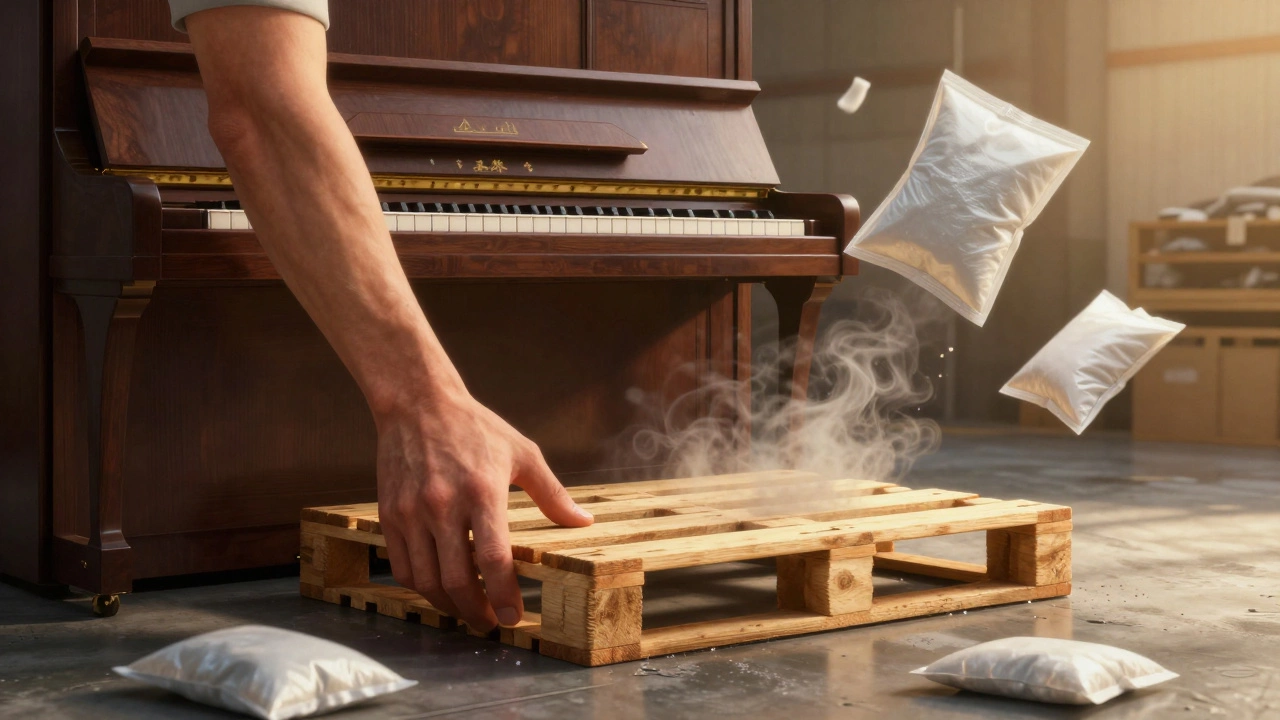
Sarah, a musician from Footscray, stored her upright piano in a Melbourne storage unit for 18 months while she traveled. She put it right on the concrete. When she came back, the legs were warped. The wood had swollen. The keys were sticky. The humidity had crept in slowly, and the piano was ruined. She spent $2,500 on repairs-and still couldn’t get the tone right.
If she’d put it on pallets, wrapped it in a breathable cover, and checked it once a month, she could’ve saved it. All it would’ve cost was $30 for pallets and a few moving blankets.
Final checklist: Your storage unit floor game plan
Before you load up your unit, run through this:
- Buy or source pallets or plastic storage crates.
- Place them flat on the floor, spaced evenly.
- Put all boxes, furniture, and items on top of them-nothing touches concrete.
- Use plastic bins for clothing, paper, and electronics.
- Wrap furniture in moving blankets, not plastic.
- Tuck in silica gel packs where needed.
- Leave space between walls and your stuff.
- Label everything clearly.
- Visit your unit every 2 months to check for dampness or pests.
Storage units aren’t magic. They don’t protect your stuff by default. You have to do the work. But it’s not hard. A few dollars and a little planning keep your things safe for years. Don’t wait until it’s too late. Start with the floor-and everything else follows.
Can I use cardboard boxes directly on the floor of a storage unit?
No. Cardboard absorbs moisture from concrete, which leads to mold, warping, and pest damage. Even if the box looks dry on the outside, the bottom is wetting up. Always lift boxes off the floor using pallets, plastic crates, or thick cardboard risers.
Are plastic storage bins better than cardboard boxes?
Yes, for long-term storage. Plastic bins are waterproof, airtight, and rodent-resistant. Cardboard is fine for short-term moves or dry environments, but it breaks down over time. If you’re storing clothes, photos, or electronics for more than 6 months, go with plastic bins labeled for storage use.
Do I need a dehumidifier in my storage unit?
Not always, but it helps. If your unit is in a damp climate like Melbourne, or if you notice condensation on the walls, a small portable dehumidifier can make a big difference. Check with your storage provider first-some units don’t allow them. Silica gel packs are a cheaper alternative for smaller spaces.
What’s the best material for storage unit flooring?
Wooden or plastic pallets are the best balance of cost, effectiveness, and availability. They lift items off the ground, allow airflow, and are easy to move. Rubber or foam tiles work well for high-value items but cost more. Avoid rugs, carpets, or blankets-they trap moisture and attract pests.
How often should I check on my storage unit?
Every 2 to 3 months is ideal. Open a few boxes. Smell for mildew. Feel for dampness. Look for signs of insects or rodents. If you spot condensation on the walls, consider adding silica gel packs or a dehumidifier. Regular checks catch problems before they become expensive.