 27
Jul,2026
27
Jul,2026
2024 Furniture Style Matcher
Select the primary attributes of a furniture piece or room setup to see how well it fits the 2024 aesthetic.
Trend Score
Based on 2024 Market DataSelect options above to analyze your style.
Walking into a furniture store in 2024 felt less like shopping and more like stepping into an art gallery that had finally decided to let people live in it. The sterile whites and cool grays of the previous decade were officially dead. If you were looking for what color furniture was in style back then, you weren't finding pastels or bright primaries. You were finding depth, warmth, and a serious commitment to nature.
For anyone trying to update their space now, understanding the 2024 palette is crucial. Whether you are hunting for deals on last season's stock or planning a refresh that feels timeless rather than trendy, knowing which hues defined that year helps you avoid buying pieces that will feel dated by next summer. The shift wasn't just about aesthetics; it was a reaction to global anxiety, a desire for comfort, and a push toward sustainability.
The Rise of Earth Tones and Grounded Neutrals
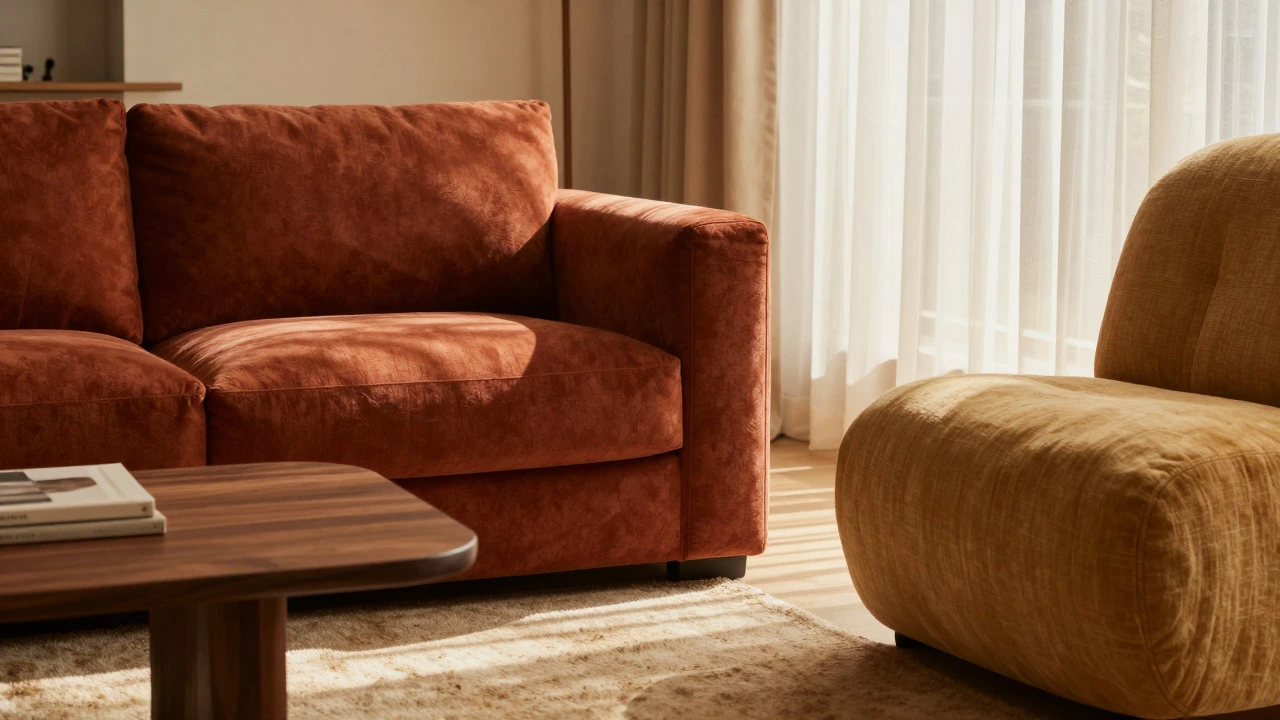
If there was one dominant force in 2024 furniture design, it was the embrace of earth tones. This wasn't the beige of the early 2000s. We're talking about rich, saturated shades that mimic the ground beneath our feet. Terracotta, ochre, clay, and warm sand became the new black. These colors provided a sense of stability and calm, which resonated deeply with homeowners seeking refuge from a chaotic world.
Furniture upholstered in these tones didn't just look good; it felt intentional. A sofa in deep terracotta acted as an anchor in a living room, while chairs in muted ochre added warmth without overwhelming the space. The key attribute here was texture. Smooth fabrics in these colors often looked flat, but bouclé, linen, and heavy cotton weaves caught the light and enhanced the natural variation found in earth pigments.
- Terracotta: Used heavily in accent chairs and ottomans, providing a pop of warmth against neutral walls.
- Ochre/Mustard: Found in throw pillows and occasional seating, offering a sunny contrast to darker woods.
- Clay/Rust: Popular for dining chairs and kitchen islands, bridging the gap between industrial and organic styles.
This trend also aligned perfectly with the rise of biophilic design. By using colors found in nature, designers created spaces that felt connected to the outdoors, even in urban apartments. The semantic link between "earth tone" and "wellness" was strong; buyers weren't just choosing a color, they were choosing a mood.
Moody Interiors: Dark Greens and Deep Blues
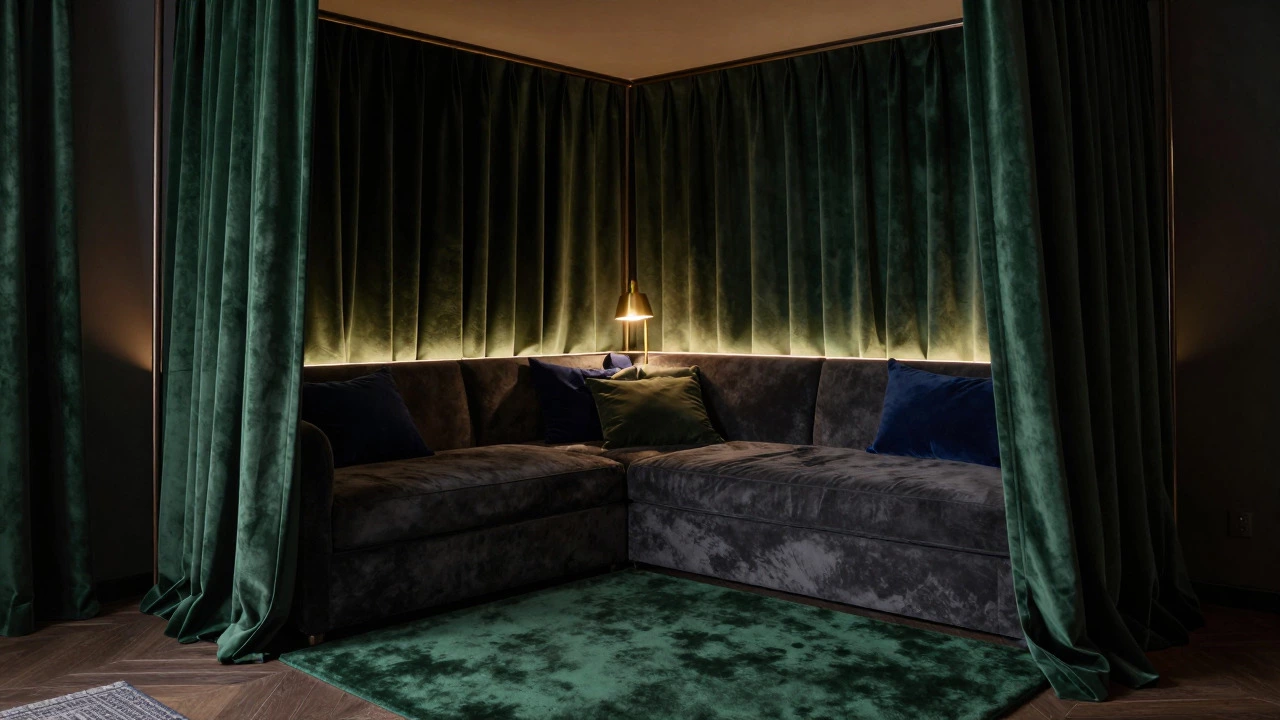
While earth tones covered the floor, dark colors climbed the walls and took over the upholstery. The "moody interior" trend peaked in 2024, moving away from the fear of dark spaces that had persisted for years. Deep forest greens, navy blues, and charcoal grays became staples for sofas, armchairs, and headboards.
Why did this happen? Dark furniture hides wear and tear better than light options, making it practical for families with pets and kids. But beyond utility, there was a psychological appeal. Dark colors create intimacy. A living room with a charcoal gray sectional and dark green velvet curtains feels like a cocoon. It’s cozy, private, and sophisticated.
| Color Family | Best Use Case | Psychological Effect | Material Pairing |
|---|---|---|---|
| Earth Tones (Terracotta, Clay) | Living rooms, Dining areas | Grounding, Calming | Linen, Bouclé, Walnut wood |
| Deep Greens (Forest, Olive) | Bedrooms, Studies, Cozy Corners | Intimate, Restorative | Velvet, Leather, Brass accents |
| Warm Grays (Greige, Taupe) | Open plan spaces, Offices | Balanced, Professional | Cotton blends, Light Oak |
| Black/Dark Charcoal | Modern minimalist setups | Sleek, Defined | Leather, Metal frames, Glass |
The relationship between dark furniture and lighting became critical. In 2024, smart lighting systems allowed homeowners to adjust brightness to complement dark upholstery. Without adequate ambient light, a dark blue sofa could disappear into the shadows. With the right warm-toned bulbs, however, those same fabrics revealed subtle patterns and textures that made them luxurious.
The Decline of Cool Grays and the Rise of Greige
You couldn't walk through a showroom in 2024 without noticing the absence of cool, blue-based grays. For a decade, gray was the default choice for modern homes. It was safe, it matched everything, and it felt clean. But by 2024, it started feeling cold and clinical. People wanted warmth. They wanted their homes to feel lived-in, not like waiting rooms.
This led to the surge of "greige"-a mix of gray and beige. It retained the neutrality of gray but added the warmth of beige. Furniture in greige tones offered versatility without sacrificing coziness. It paired well with both wood tones and metal finishes, making it a favorite for transitional styles that blend traditional and contemporary elements.
If you bought a cool gray sofa in 2018, it likely felt out of place in a 2024 context unless balanced with significant warm accessories. The market responded by flooding sales sections with discounted cool-gray inventory as manufacturers shifted production to warmer palettes. This creates an opportunity for budget-conscious shoppers today: you can find high-quality gray furniture at steep discounts if you’re willing to style it with warm textiles to soften its edge.
Natural Wood Tones and Material Honesty
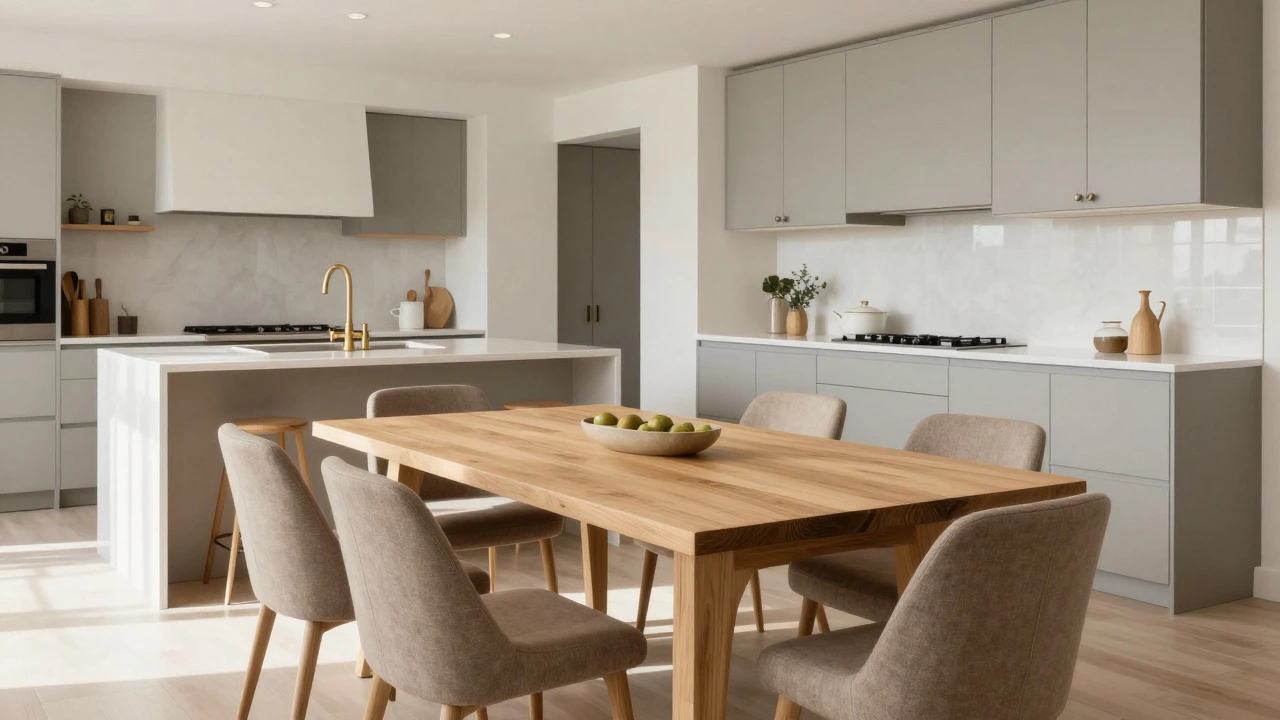
Color isn't just about paint or fabric; it's about the materials themselves. In 2024, there was a massive move toward "material honesty." This means showing off the natural grain and color of wood rather than hiding it under heavy stains or paints. Light oak, walnut, and teak became prominent in tables, shelves, and bed frames.
The preference leaned heavily toward medium-to-dark woods like walnut and cherry, which complemented the earthy and moody color trends mentioned earlier. Pale, bleached woods fell out of favor because they clashed with the deeper, richer aesthetic that dominated the year. The connection between furniture color and sustainability was clear: natural finishes required fewer chemicals and highlighted the beauty of the raw material, reducing the need for excessive processing.
When pairing upholstered furniture with wooden pieces, the rule of thumb in 2024 was contrast. A dark green velvet chair looked stunning next to a light oak coffee table. Conversely, a terracotta sofa paired beautifully with a dark walnut media console. This interplay of tones added visual interest and prevented the room from feeling monochromatic or flat.
Accent Colors: Jewel Tones and Muted Pops
While neutrals and earth tones formed the foundation, 2024 saw strategic use of jewel tones as accents. Emerald green, sapphire blue, and amethyst purple appeared in smaller furniture pieces like side chairs, poufs, and window seats. These colors added drama and luxury without committing the entire room to a bold palette.
Unlike the neon accents of previous eras, these jewel tones were often muted slightly with gray or brown undertones. This made them easier to integrate into everyday living spaces. A single emerald green armchair could transform a neutral living room, acting as a focal point that drew the eye and sparked conversation.
The use of these colors also reflected a broader trend toward personalization. Homeowners were less afraid to express individuality through color. Instead of following a strict design rulebook, they chose colors that resonated with their personal history or emotional preferences. This shift marked a departure from mass-market conformity toward curated, meaningful interiors.
Practical Tips for Buying 2024-Style Furniture Today
Now that we know what was popular, how do you apply this knowledge when shopping? First, focus on large items in versatile colors. Invest in sofas and sectionals in greige, olive green, or terracotta. These colors have staying power and won't feel outdated quickly. Save the bolder jewel tones for smaller, easily replaceable items like cushions or accent chairs.
Second, pay attention to texture. As noted earlier, color alone doesn't carry the trend. A flat, shiny terracotta couch might look cheap, but a textured bouclé version looks expensive and inviting. Always check the fabric quality and weave before purchasing.
Third, consider your lighting. If your home has north-facing windows with cool light, warm earth tones will balance it out beautifully. If you have south-facing windows with abundant sunlight, cooler tones like sage green or soft blues might prevent the space from feeling too hot. Test paint swatches or fabric samples in your actual home environment before committing.
Finally, look for sales on transitional items. Since the market has moved on from cool grays and stark whites, you can find excellent deals on these items. If you love the piece but hate the color, consider reupholstering it in a current trend color. Often, the cost of reupholstery is less than buying a new frame, and you get a custom result that fits your exact vision.
What was the most popular furniture color in 2024?
The most popular furniture colors in 2024 were earth tones, specifically terracotta, ochre, and warm clay shades. These were closely followed by deep greens and charcoal grays, reflecting a trend toward grounded, moody, and natural aesthetics.
Is gray furniture still in style?
Cool, blue-based grays fell out of favor in 2024, being replaced by warmer "greige" tones. However, charcoal and dark grays remained popular for creating moody, sophisticated interiors. If you have cool gray furniture, styling it with warm textiles can make it feel current again.
How do I pair earth tone furniture with other colors?
Earth tones pair beautifully with natural wood finishes like walnut and oak. For contrast, add accents in deep jewel tones like emerald green or navy blue. Neutral whites and creams can be used sparingly to brighten the space without washing out the warmth of the earth tones.
Why did dark furniture become popular in 2024?
Dark furniture gained popularity due to its practical benefits (hiding wear and tear) and its ability to create intimate, cozy atmospheres. The "moody interior" trend emphasized comfort and privacy, making dark sofas and chairs appealing choices for living rooms and bedrooms.
Can I mix different wood tones with 2024 color trends?
Yes, mixing wood tones was encouraged in 2024, especially when paired with earthy or moody upholstery. The key is to ensure there is enough contrast. For example, pair a light oak table with a dark green chair, or a walnut shelf with a terracotta sofa, to create visual interest and depth.