 30
Apr,2026
30
Apr,2026
Furniture & Lawn Compatibility Checker
How to use: Select the material of your furniture to see the potential impact on your lawn and the risk to your furniture's lifespan.
Risk Analysis
Select a material to see detailed risks.
Recommended Solution
Click a material card above to analyze the risk.
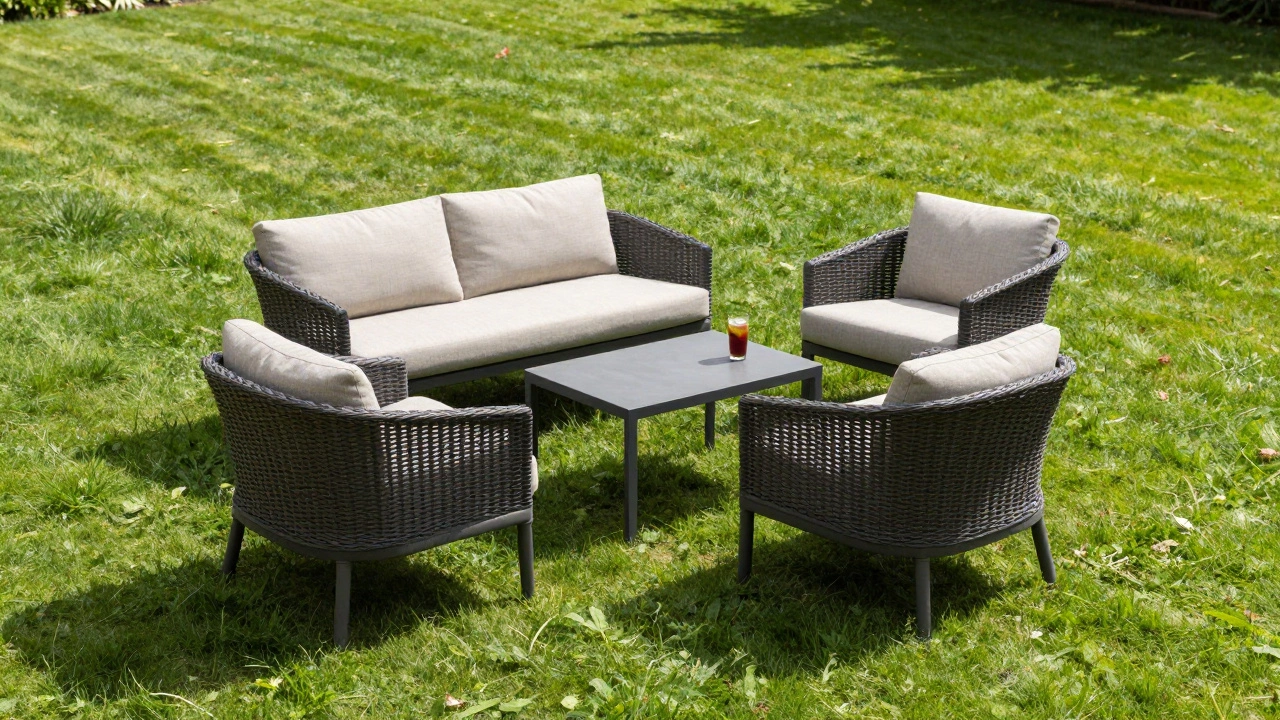
The short answer is yes, you can physically place your furniture on the grass, but doing so usually leads to two major headaches: dead patches of turf and ruined furniture legs. Whether you're dealing with the damp mornings of a Melbourne winter or the searing heat of a summer afternoon, placing heavy objects directly on living grass cuts off the two things plants need most-sunlight and oxygen. Within a few weeks, those gorgeous green blades will turn into a brown, muddy mess.
Quick Summary: The Grass Dilemma
- Lawn Health: Heavy furniture kills grass by blocking light and compacting soil.
- Furniture Lifespan: Moisture from the soil seeps into legs, causing rot, rust, or mold.
- Stability: Grass is uneven; your drinks will likely spill.
- Best Fix: Use a permeable base or a dedicated outdoor rug to separate the two.
Why Your Lawn Hates Furniture
To understand why this is a bad idea, we have to look at how Grass is a living photosynthetic organism that requires constant access to sunlight and carbon dioxide to survive. When you place a heavy Sofa or a table on the lawn, you create a "shadow zone." Without light, the chlorophyll breaks down, and the grass dies.
But it's not just about the light. There's also the issue of soil compaction. When you sit on a chair, your entire weight is concentrated through a few small points-the legs. This squashes the air pockets in the soil, making it harder for water to reach the roots. Over time, this creates a hard, anaerobic layer of earth where nothing can grow, even after you move the furniture away.
The Hidden Danger to Your Furniture
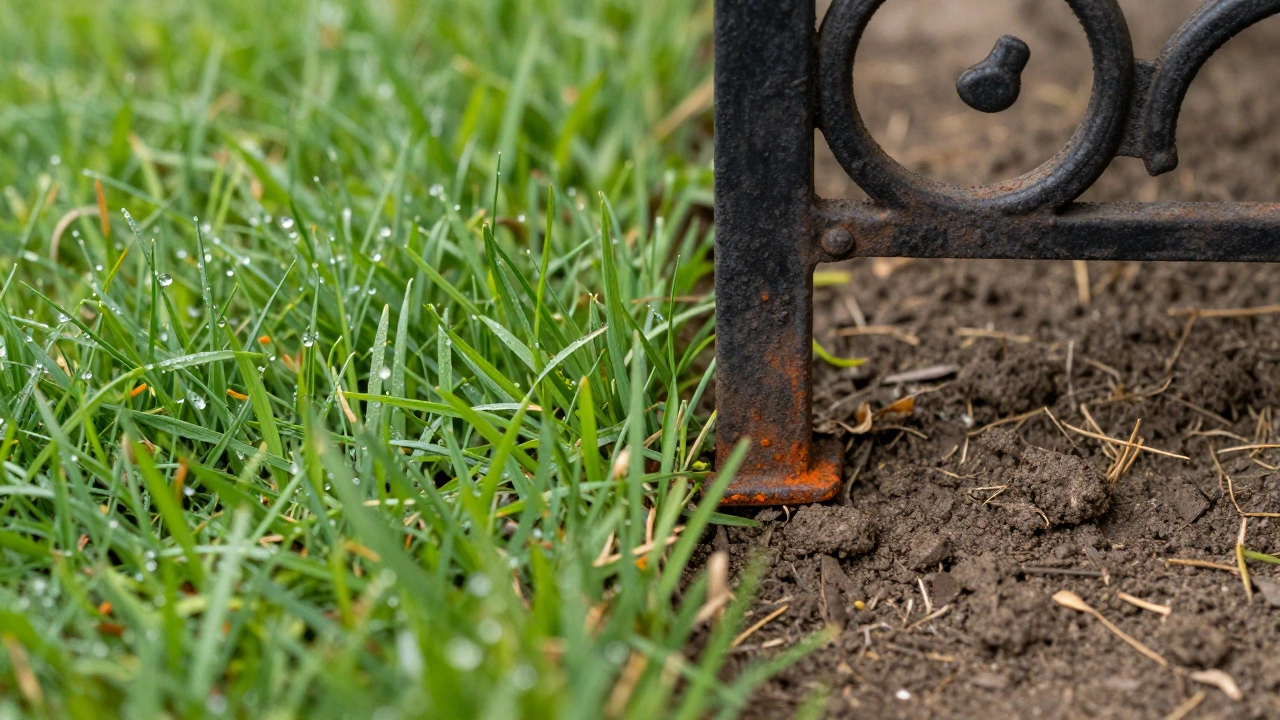
While the grass is suffering, your furniture is taking a hit too. Even if you have high-quality Teak, which is a dense, oily hardwood naturally resistant to decay, constant contact with damp soil is a problem. Grass holds moisture. On a cool morning, dew settles on the blades, and that moisture is trapped right against the bottom of your chair legs.
If you have Wrought Iron or steel furniture, this constant dampness accelerates the oxidation process. You'll start seeing rust bubbles at the base of the legs long before the rest of the piece shows wear. Even powder-coated aluminum, while more resistant, can suffer from "pitting" if the coating is scratched and the raw metal is exposed to the moist soil environment.
| Material | Lawn Impact | Furniture Risk | Recommended Action |
|---|---|---|---|
| Teak/Hardwood | High (Suffocation) | Mild (Rot/Mildew) | Use coasters or a rug |
| Wrought Iron | Very High (Weight) | High (Rust) | Avoid grass entirely |
| Plastic/Poly-Rattan | Medium (Light block) | Low (Staining) | Use breathable mats |
| Aluminum | Medium (Light block) | Low (Pitting) | Occasional repositioning |
Better Alternatives for a Lawn Lounge
You don't have to give up the idea of a backyard oasis; you just need a buffer. If you want the look of furniture on the grass without the dead patches, consider these options.
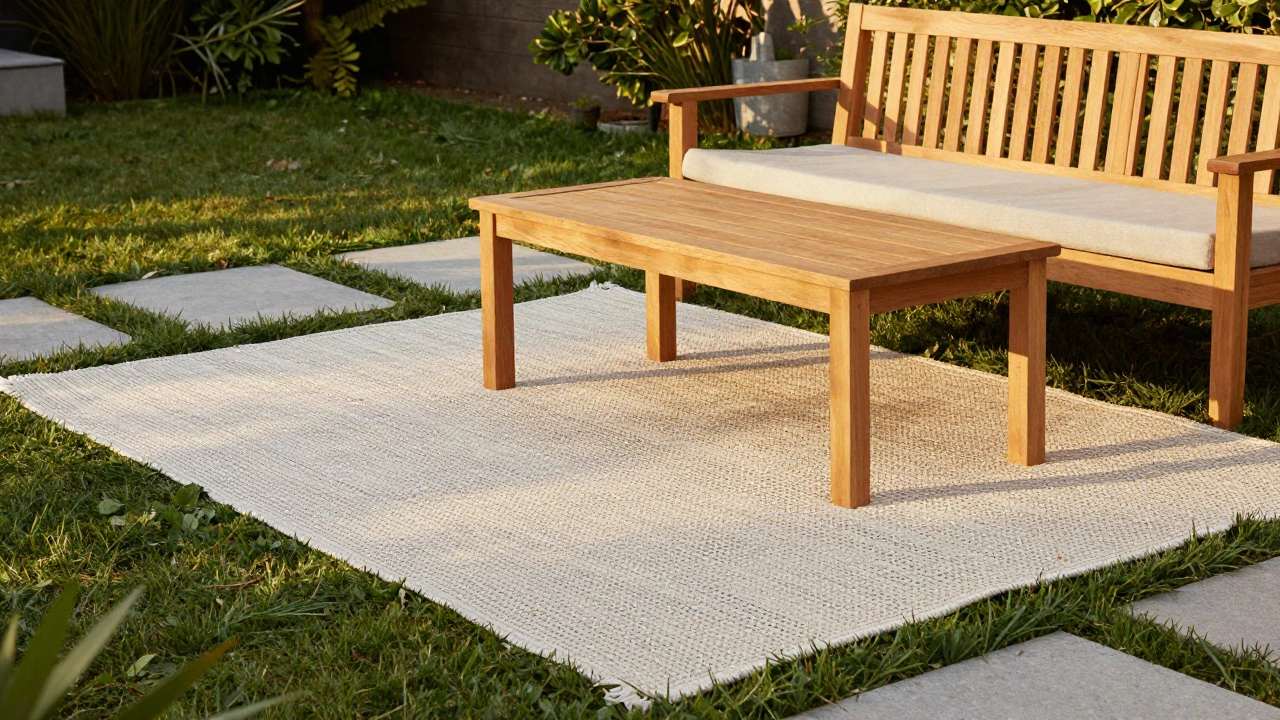
One of the most popular choices is an Outdoor Rug, which is a durable, weather-resistant floor covering made from synthetic fibers like polypropylene. A rug distributes the weight of the furniture across a larger surface area, reducing soil compaction. However, be careful: a thick, non-permeable rug can still kill grass by blocking sunlight. Look for "breathable" or open-weave designs that allow some air and light to filter through.
For a more permanent feel, try Decking Tiles. These are interlocking square platforms usually made of composite wood or plastic that can be laid directly on the ground. Because they are slightly raised, they provide a flat, stable surface for your table and chairs while allowing the ground beneath to breathe slightly better than a solid slab of concrete would.
If you're on a budget, simple rubber or plastic furniture coasters can save your legs from rotting. By adding just an inch of height and a wider base to the legs, you reduce the pressure on the grass and create a physical barrier against the damp soil.
How to Save Your Lawn After a Furniture Mistake
If you've already left your furniture in one spot for a month and now have a brown circle in your yard, don't panic. You can usually fix this with a bit of effort. First, move the furniture immediately. Give the area a good aeration by poking holes in the soil with a garden fork; this lets oxygen back into the compacted earth.
Next, apply a high-nitrogen fertilizer to encourage new growth. If the grass is completely dead, you'll need to scratch out the dead thatch and sow some new Kikuyu or Buffalo Grass seed-common, hardy varieties that handle the Australian climate well. Keep the area watered consistently for two weeks, and the patch should blend back into the lawn.
The Stability Factor: Why Level Ground Matters
Beyond the biology of the lawn, there's the physics of the experience. Grass is rarely perfectly flat. Even a slight dip in the turf can make a dining table feel like a seesaw. Have you ever tried to balance a glass of wine on a table that's sitting on a lawn? One small shift in weight or a gust of wind, and you've got a spill.
This is why creating a designated "zone" is so important. Whether it's a small gravel patch, a paved area, or even just a few large paving stones placed under the legs of your furniture, stability makes the space actually usable. A stable surface also prevents the legs from sinking deeper into the soil during rainy periods, which only exacerbates the damage to the grass.
Will a plastic rug stop my grass from dying?
Not entirely. While a rug helps with weight distribution, a solid plastic rug still blocks sunlight. If you leave it there permanently, the grass underneath will eventually die. To keep the grass alive, you should move the rug and furniture every week or two to let the lawn "breathe" and soak up the sun.
Is it better to use gravel or grass for garden furniture?
Gravel is significantly better for the longevity of your furniture. It provides excellent drainage, meaning your furniture legs aren't sitting in standing water. It also provides a level surface and eliminates the risk of creating dead patches in your yard.
Can I use a tarp under my furniture to protect the grass?
A tarp is actually worse than nothing. Tarps are non-permeable, meaning they trap moisture against the grass and block 100% of the light. Your grass will die much faster under a tarp than it would under a breathable outdoor rug.
How do I stop wooden furniture legs from rotting on the lawn?
The best way is to avoid direct soil contact. Use rubber feet, plastic glides, or place the furniture on a deck or rug. Additionally, applying a high-quality sealant or outdoor varnish to the bottom of the legs can provide a temporary moisture barrier.
Does the type of grass matter?
Yes, more resilient and faster-growing grasses like Kikuyu can recover from furniture-induced damage more quickly than slower-growing, finer grasses. However, no grass is immune to a total lack of sunlight and extreme soil compaction.
Next Steps for Your Backyard Setup
If you're determined to keep your furniture on the lawn, start by auditing your pieces. If you have heavy iron sets, look into getting a small portable patio mat. If you have lightweight plastic chairs, you can get away with moving them around more frequently.
For those planning a long-term layout, consider a "hybrid" approach. Keep the center of the lawn open and create small, paved "islands" using stepping stones. This gives you the aesthetic of a garden room without the heartbreak of a brown, dead lawn. If you've already caused damage, grab a garden fork and some seed this weekend to get your turf back in shape before the peak of summer hits.