 14
Sep,2026
14
Sep,2026
Futon Sleep Compatibility Calculator
Use this tool to determine if daily futon sleeping is right for you. Answer the questions below to receive a personalized compatibility score and tips.
Verdict
Calculating...
Personalized Recommendations
You’ve probably seen those sleek, minimalist apartments in Tokyo or Brooklyn where the bed is also the couch. It looks chic, it saves space, and it seems like a smart move for small living areas. But then you lie down at night, and the question hits: Is it okay to sleep on a futon every night?
The short answer is yes, but with big caveats. Your spine doesn’t care about your interior design aesthetic; it cares about support. If you treat a cheap, thin futon like a luxury hotel mattress, you’ll wake up with a stiff back. If you choose the right materials and maintain them properly, a futon can be one of the healthiest places to rest.
Understanding the Anatomy of a Futon
Before we talk about sleep quality, we need to clear up what a "futon" actually is. In Japan, a traditional futon is a thin cotton mattress laid directly on tatami mats. It’s firm, flat, and portable. In the West, when people say "futon," they usually mean a sofa bed with a metal or wooden frame that folds into a bed. These two are worlds apart in terms of comfort and support.
If you’re looking at Western-style futons, you’re dealing with a hybrid object. It’s designed to be furniture first and bedding second. This dual purpose is exactly why sleeping on one every night requires careful consideration. The frame mechanisms, the hinge points, and the density of the foam all play huge roles in how well you sleep.
The Good News: Why Daily Futon Sleeping Works
Many people thrive on futons. Here’s why it might work for you:
- Spinal Alignment: Traditional Japanese futons are incredibly firm. For stomach sleepers or those who prefer a hard surface, this prevents the sinking sensation that misaligns the spine. It keeps your back neutral.
- Better Circulation: Because there’s less pressure point buildup compared to soft memory foam, some users report better blood flow and fewer numbness issues in limbs.
- Cooler Sleep: Most futons use breathable materials like cotton, wool, or open-cell foam. Unlike dense polyurethane foams that trap heat, a good futon allows air to circulate, keeping you cool in summer.
- Mental Clarity from Minimalism: There’s a psychological benefit to having your bed double as your couch. When you fold it up during the day, your bedroom (or studio) becomes a clean, open space. This separation can help reduce anxiety and improve focus.
The Bad News: Potential Downsides
It’s not all zen gardens and clean lines. Sleeping on a futon nightly has real drawbacks if you aren’t prepared.
Support Issues for Side Sleepers: If you sleep on your side, your hips and shoulders need to sink slightly into the mattress to keep your spine straight. A very firm futon might push back too hard, causing shoulder pain or hip bursitis over time. If you have existing joint issues, this could exacerbate the problem.
Durability Concerns: Sofa-bed futons take a beating. They are folded and unfolded daily. The hinges wear out, and the foam compresses unevenly at the fold line. A $200 futon might feel fine for a month, but by month six, that center dip will ruin your sleep.
Allergens and Hygiene: Since futons often sit on the floor or low frames, they collect more dust mites and pet dander than elevated beds. Plus, because they are used as couches, they absorb crumbs, spills, and body oils differently than a standard mattress covered by sheets.
Futon vs. Traditional Mattress: The Showdown
How does a high-quality futon stack up against a regular mattress? Let’s break it down by key attributes.
| Feature | Western Futon (Sofa Bed) | Traditional Mattress |
|---|---|---|
| Primary Function | Seating and Sleeping | Sleeping Only |
| Thickness | 4-8 inches | 10-14 inches |
| Support Level | Firm to Medium-Firm | Soft to Extra Firm (Varies) |
| Lifespan | 3-5 years (with daily use) | 7-10 years |
| Portability | High (Folds up) | Low (Heavy/Bulky) |
| Cost | $200-$600 | $500-$2,000+ |
Notice the lifespan difference. If you plan to sleep on a futon every night, you are essentially using it as a primary mattress. You need to buy one rated for heavy use, not just occasional guest seating.
Choosing the Right Futon for Daily Use
Not all futons are created equal. If you’re committing to nightly sleep, ignore the cheapest options at discount stores. Look for these specific features:
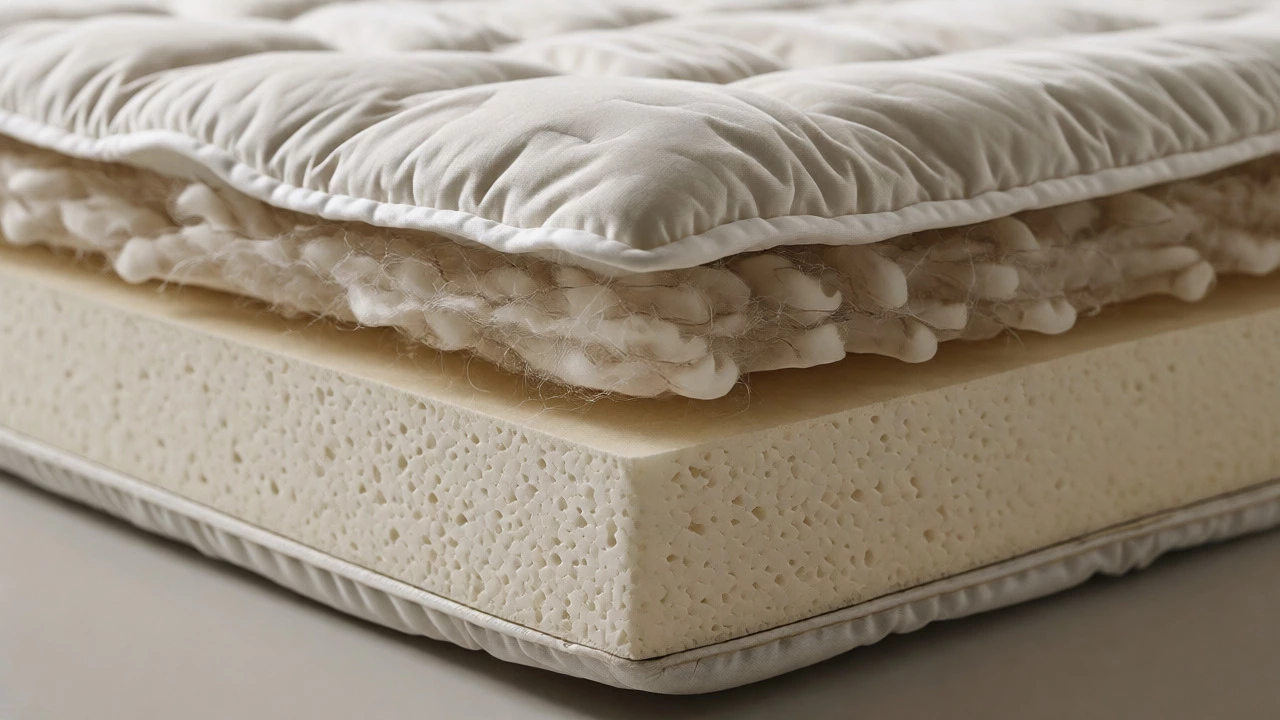
- Layered Construction: Avoid single-block foam mattresses. Look for layered designs with a core of high-density foam or innersprings topped with natural latex or wool. This provides both support and contouring.
- High-Density Foam: Check the density rating. You want at least 1.8 pounds per cubic foot (PCF). Anything lower will sag within a year of daily use.
- Sturdy Frame: Metal frames with locking mechanisms are generally more durable than wood for frequent folding. Ensure the slats are close together to prevent the mattress from bowing through the gaps.
- Removable Covers: You need to wash the cover regularly. A zippered, machine-washable cover is non-negotiable for hygiene.
Tips for Better Sleep on a Futon
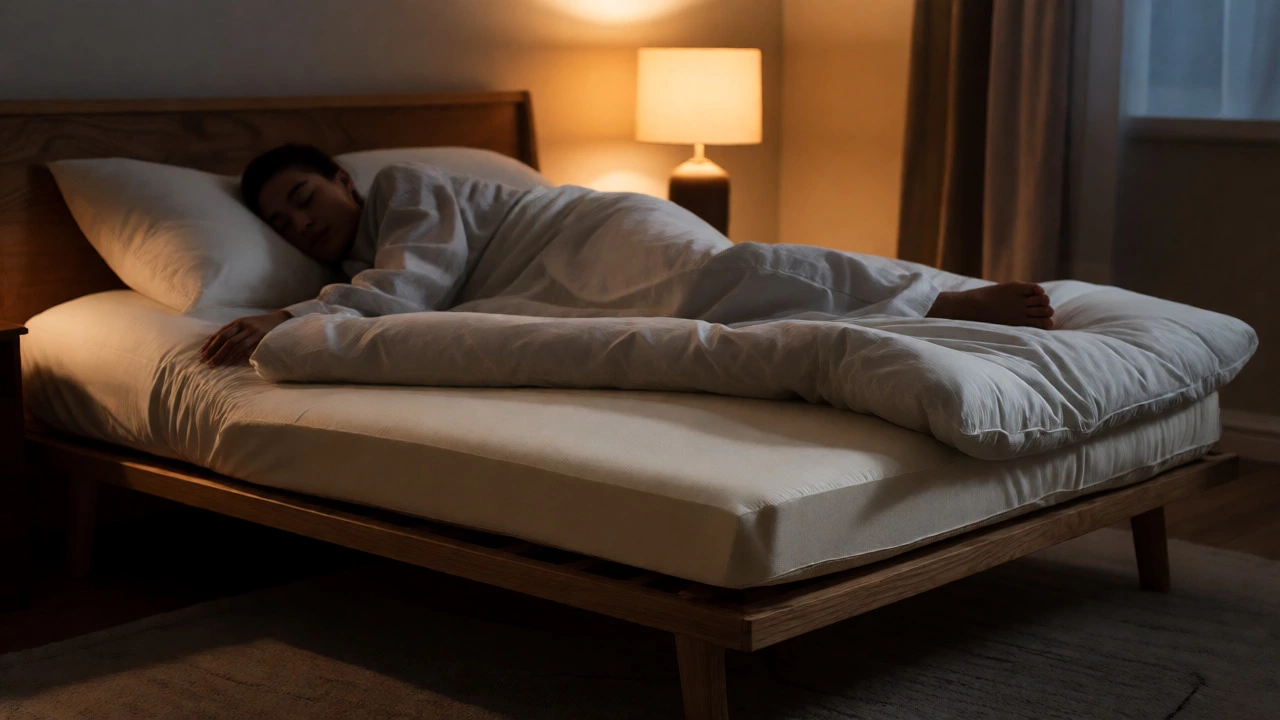
You can hack your setup to make nightly futon sleeping much more comfortable.
Add a Topper: If your futon feels too hard, don’t replace it immediately. Buy a 2-inch memory foam or latex topper. This adds the necessary cushion for side sleepers without sacrificing the overall firmness. It’s a cheap fix that extends the life of the base mattress.
Rotate Weekly: Just like a car tire, your futon wears unevenly. Rotate it head-to-foot once a week. This prevents permanent dips from forming where your hips rest.
Ventilate Daily: When you fold the futon up, leave it partially open or prop it against the wall for an hour. This lets moisture from sweat evaporate, preventing mold and mildew, which are common enemies of thick fabric layers.
Use a Mattress Protector: Since the futon acts as a couch, it gets dirtier. A waterproof, breathable protector shields the foam from spills and skin cells, keeping the structure intact longer.
Who Should Avoid Daily Futon Sleeping?
While many people adapt well, certain groups should think twice:
- People with Severe Back Pain: If you require specialized medical-grade support, a standard futon might lack the zoned support systems found in modern hybrid mattresses.
- Heavy Individuals: Futons have lower weight capacities. If you weigh over 250 lbs, check the manufacturer’s limit carefully. Exceeding it leads to rapid structural failure.
- Those with Mobility Issues: Folding a heavy futon frame twice a day can strain knees and backs. If getting up and down from a low profile is difficult, consider a platform bed instead.
The Verdict
So, is it okay to sleep on a futon every night? Yes, absolutely. But treat it like a serious piece of sleep equipment, not just a spare couch. Invest in quality materials, rotate it religiously, and listen to your body. If you wake up refreshed, you’ve made the right choice. If you wake up sore, add a topper or upgrade the core. Your spine will thank you for the honesty.
How long do futons last if slept on every night?
With daily use, a budget futon may last only 1-2 years before significant sagging occurs. High-quality futons with high-density foam or innerspring cores can last 3-5 years. Regular rotation and using a mattress protector can extend this lifespan significantly.
Is sleeping on a futon bad for your back?
Not necessarily. Many people find firm surfaces like futons beneficial for spinal alignment, especially stomach sleepers. However, side sleepers or those with chronic joint pain may find them too hard, leading to discomfort. Adding a soft topper can mitigate these issues.
Can I put a regular mattress on a futon frame?
Yes, many people place a twin or full-size mattress on a futon frame. However, ensure the frame's slats are spaced closely enough to support the mattress type. Also, check the weight capacity, as adding a thick mattress increases the load on the folding mechanism.
How do I keep my futon clean if I sleep on it daily?
Vacuum the futon weekly to remove dust and debris. Wash the removable cover every 2-4 weeks. Air out the futon daily by folding it halfway or propping it up to allow moisture to escape. Consider using a waterproof mattress protector underneath your sheets to guard against sweat and accidents.
What is the best material for a daily-use futon?
Look for a combination of high-density polyurethane foam (at least 1.8 PCF) and natural fibers like wool or cotton. Wool regulates temperature and wicks moisture, while high-density foam provides lasting support. Latex tops are also excellent for durability and comfort.