 16
Apr,2026
16
Apr,2026
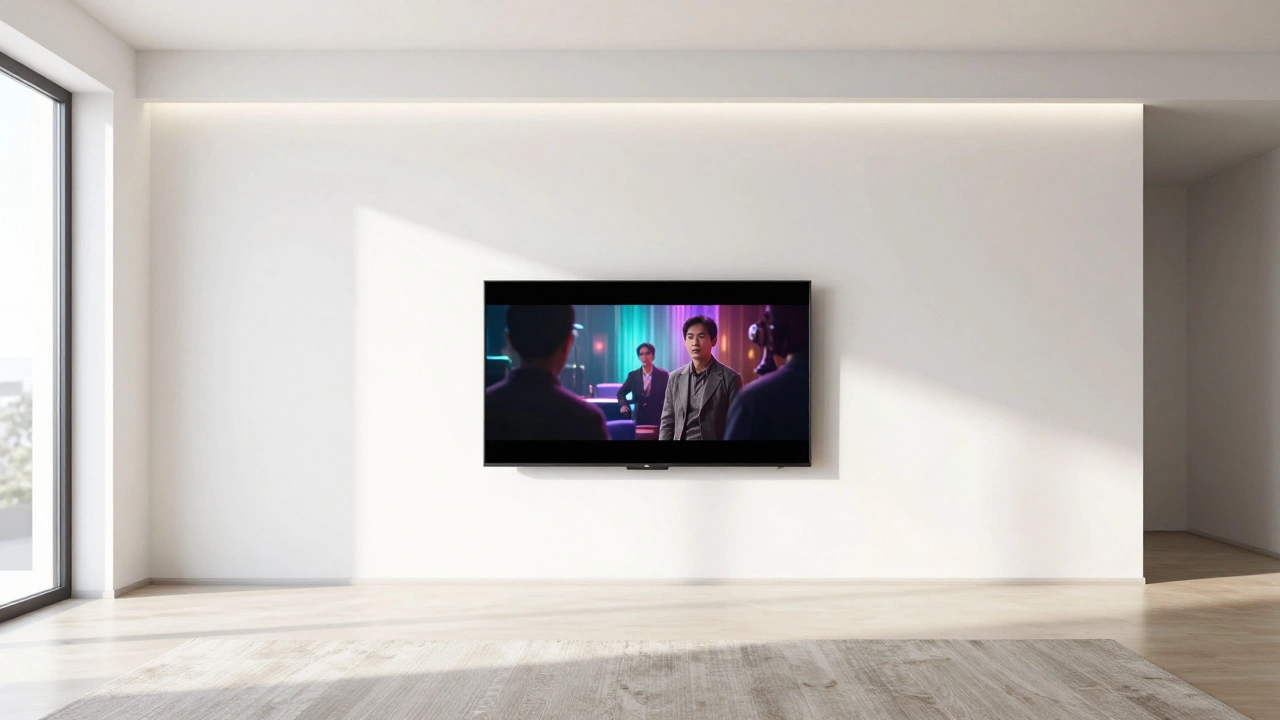
Deep contrast, movie marathons, high focus
Open feel, multi-purpose room, energetic
Sophisticated look without extremes
Select your primary goal to see the recommendation...
Our Recommendation
...
Quick Takeaways
- Dark walls improve perceived contrast and reduce glare, making them ideal for movie marathons.
- Light walls make small rooms feel larger and keep the space feeling energetic.
- Matte finishes are non-negotiable to avoid annoying light reflections on your screen.
- Neutral mid-tones provide a safe balance between the two extremes.
The Science of Contrast and Your Eyes
When we talk about TV wall color is the specific hue and saturation of the vertical surface where a television is mounted or placed, we are really talking about visual ergonomics. Your eyes perceive brightness relative to the surroundings. If you have a bright white wall behind a screen, the high contrast between the glowing panel and the reflective surface can cause eye strain over time. On the flip side, a dark wall absorbs more light. This creates a a 'sink' for the brightness, which allows the colors on your screen to pop. This is why professional home theaters almost always use deep blacks, navy blues, or dark grays. When the wall doesn't fight for attention, your brain focuses entirely on the imagery. However, if you're using a budget LED screen with low peak brightness, a pitch-black wall might actually make the screen feel like a glowing window in a dark void, which can be jarring if not balanced with some ambient lighting.When to Go Dark: The Cinematic Approach
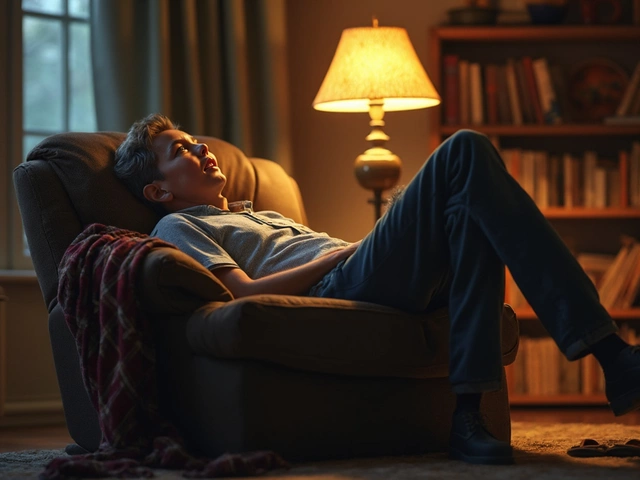
Choosing a dark palette is a power move for anyone who prioritizes the viewing experience. If you spend your weekends watching 4K HDR content, a dark wall is your best friend. Colors like charcoal, forest green, or deep navy act as a natural frame for the TV, masking the black bezel of the device and making it blend into the architecture. But it's not just about the screen. A dark wall creates a focal point in a room. If you have a massive living area, a dark Accent Wall a single wall painted a different color than the others to create a visual center can anchor the space, preventing your furniture from feeling like it's floating in a white box. Consider the impact of your TV Stand a piece of furniture designed to support a television and hold media components. A dark wall paired with a light oak or walnut stand creates a sophisticated, high-contrast look. If you go dark on both the wall and the stand, you risk the area becoming a "black hole" unless you add a few well-placed accessories like a gold lamp or a bright piece of art nearby to break up the heaviness.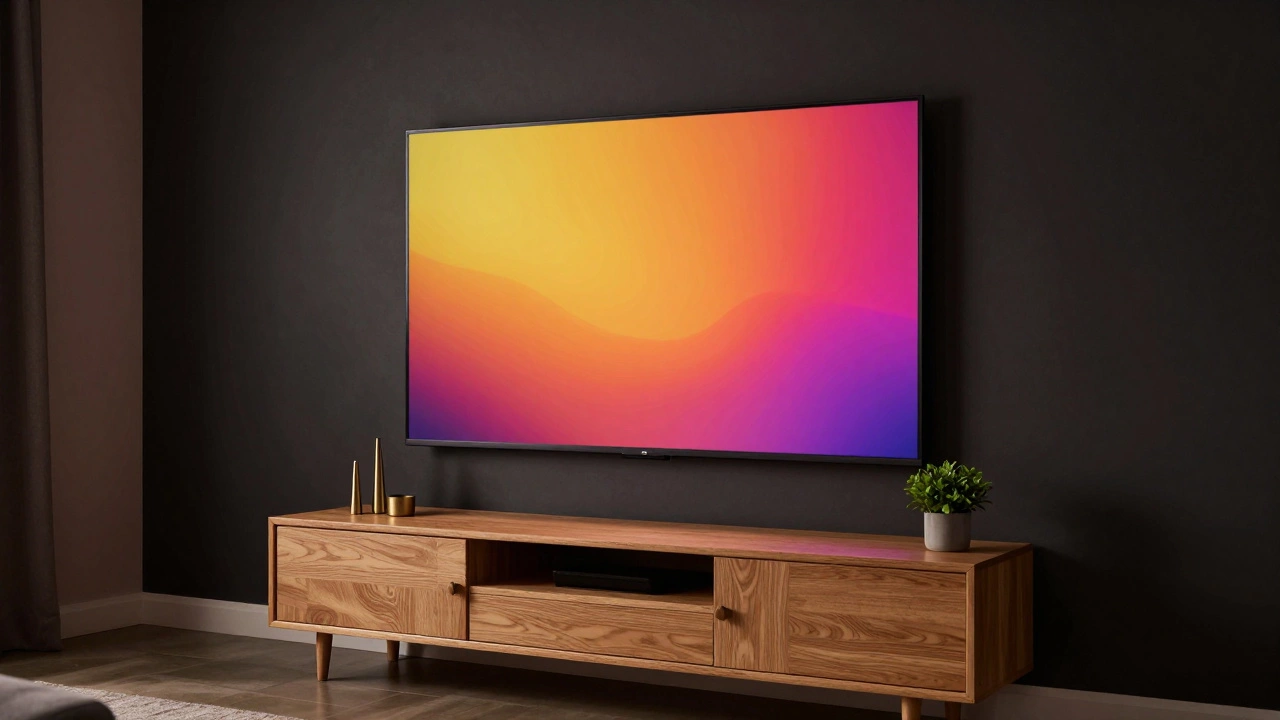
When to Go Light: Space and Airiness
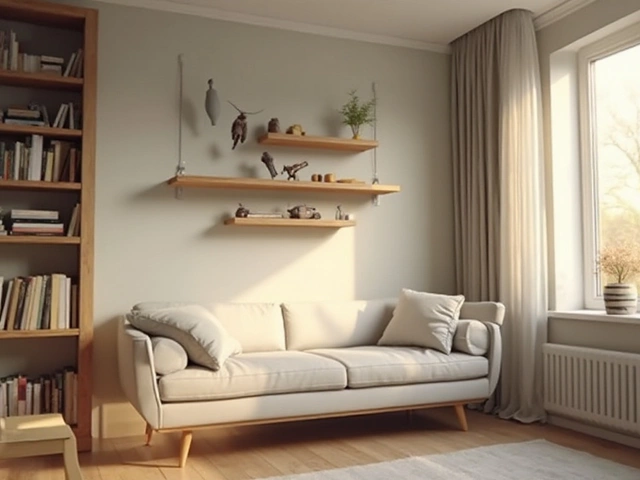
Not every home is designed to be a theater. If your living room is small, or if it's the primary spot where your kids play and you host brunch, a light wall is the smarter bet. Soft whites, pale greys, and warm beiges reflect natural light, which keeps the room from feeling claustrophobic. Light walls are particularly effective when you have a lot of windows. If the sun hits a dark wall, it can sometimes create a weird, muddy glare. Light colors bounce that energy back into the room. The downside? You might deal with more reflections on the screen itself. If you choose a light wall, you'll need to be strategic about where you place your lamps and how you manage your curtains to avoid that annoying glare right in the middle of the screen during a sunny afternoon.| Feature | Dark Walls | Light Walls |
|---|---|---|
| Perceived Contrast | Higher (Colors pop) | Lower (Washed out) |
| Room Feel | Cozy, Dramatic, Intimate | Airy, Open, Energetic |
| Light Management | Absorbs light; reduces glare | Reflects light; can cause glare |
| Best For | Movie Lovers / Large Rooms | Multi-purpose / Small Rooms |
| Maintenance | Shows dust and scuffs more | Hides dust; shows stains |
The Middle Ground: Muted Neutrals
If you can't decide, don't feel forced into a binary choice. Mid-tone neutrals-think sage green, dusty blue, or a warm "greige"-offer the best of both worlds. These colors provide enough contrast to help the TV screen stand out without making the room feel like a bunker. One of the most effective strategies is using Matte Paint a paint finish that lacks shine and does not reflect light. Regardless of whether you go light or dark, avoid satin or semi-gloss finishes on a TV wall. A glossy wall acts like a mirror, reflecting the light from the TV screen back at you or throwing a bright streak of sunlight directly into your eyes. A flat or matte finish kills those reflections, making the viewing experience much smoother.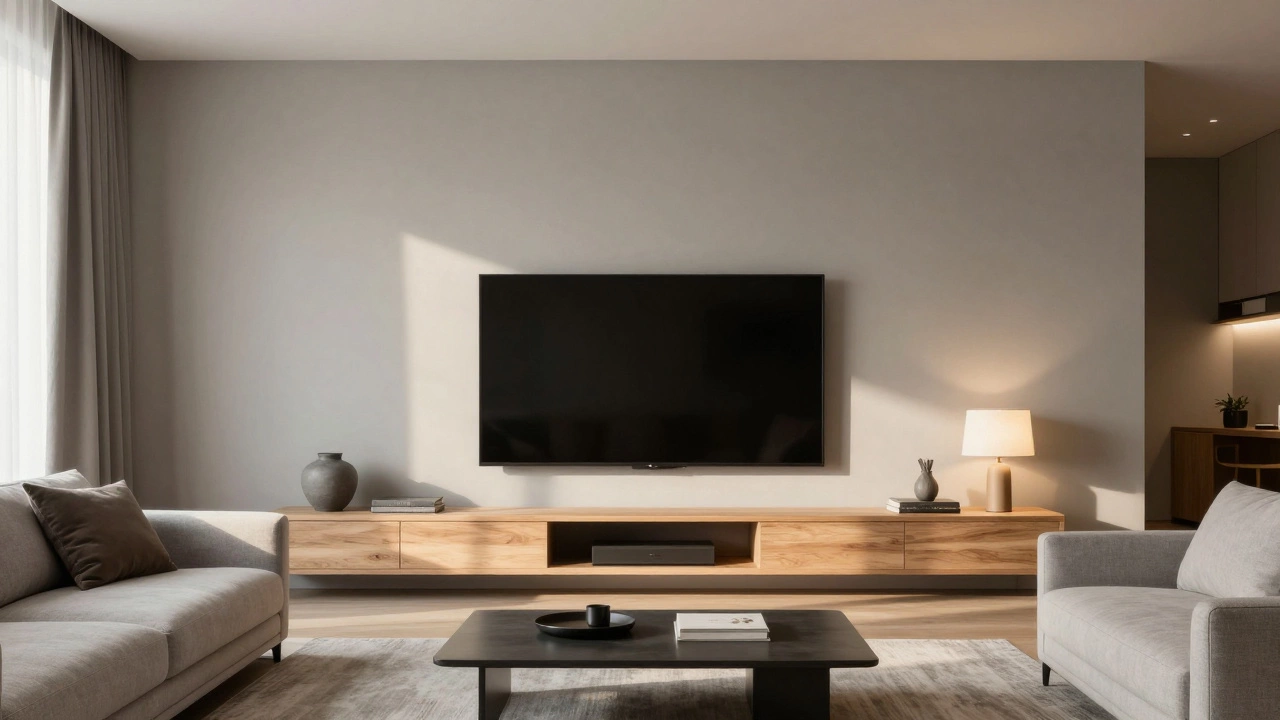
Matching Your Furniture and Decor
Your wall doesn't exist in a vacuum. It has to play nice with your furniture. If you have a sleek, modern black glass TV stand, a light grey wall creates a clean, minimalist aesthetic. If you have a chunky, rustic wooden stand, a deep forest green or navy wall adds a layer of warmth and luxury that makes the wood grain stand out. Think about the Ambient Lighting the light existing in a scene that allows the viewer to perceive the environment in the room. If you go with a dark wall, adding an LED backlight (bias lighting) behind the TV is a game-changer. It creates a soft glow that separates the screen from the dark background, reducing eye strain and adding a high-end, futuristic feel to the setup.Common Pitfalls to Avoid
One of the biggest mistakes people make is picking a color based on a small swatch in a brightly lit hardware store. Colors change drastically depending on the time of day. A "soft grey" can look blue at noon and muddy brown at 8 PM. Always paint a large sample patch on the actual TV wall and look at it during the time of day you most often watch television. Another error is ignoring the ceiling. If you paint your TV wall a very dark color but leave the ceiling a stark, brilliant white, you create a harsh line where the wall meets the ceiling. To make the room feel cohesive, consider painting the ceiling a very light version of your wall color, or choosing a creamy white instead of a clinical one.Does a dark wall actually make the TV picture look better?
Yes, technically it does. Darker colors absorb light rather than reflecting it. This reduces the amount of light competing with the screen, which makes the blacks on your TV look deeper and the colors appear more saturated. It essentially mimics the environment of a cinema.
Will a dark wall make my small living room feel even smaller?
It can, but it depends on how you do it. If you paint every wall dark, the room will feel enclosed. However, if you only paint the TV wall as an accent wall and keep the other three walls light, it actually adds depth and can make the room feel more structured and intentional rather than just small.
What is the best color for a TV wall if I have a lot of sunlight?
In high-sunlight rooms, a mid-tone matte color (like a muted grey or olive) is often best. Pure white can be too blinding and reflect too much glare onto the screen, while very dark colors can sometimes get "washed out" or show every single speck of dust highlighted by the sun.
Can I use wallpaper on a TV wall?
Absolutely, as long as it isn't too "busy." Avoid high-contrast, tiny patterns that might distract your eye from the screen. Textured wallpapers, like grasscloth or subtle geometric patterns in muted tones, can add a lot of luxury and warmth to the area.
What paint finish should I use for a TV wall?
Always go with a Flat or Matte finish. Any shine (Satin, Semi-Gloss, High-Gloss) will reflect the light from your TV or windows, creating distracting hotspots on the wall that can ruin your viewing experience.
Next Steps for Your Living Room
If you're still undecided, start by analyzing your habits. Do you mostly watch the news in the morning with the curtains open? Go light. Do you treat your living room as a sanctuary for movie nights and gaming? Go dark. If you're terrified of making a mistake, try a removable peel-and-stick wallpaper in a deep charcoal-it gives you the cinematic benefit without the permanent commitment of paint. Regardless of the color, make sure your cable management is sorted. No matter how beautiful your dark navy wall is, a tangle of white and black wires hanging down the center will ruin the effect. Use cable raceways or hide them behind the drywall to keep the look clean and professional.