 3
May,2026
3
May,2026
Sofa Bed Mattress Suitability Checker
Enter Your Mattress Details
Enter your details to see if your mattress will damage your sofa bed mechanism or provide comfortable sleep.
Picture this: you’re hosting friends for movie night. The couch is comfortable enough for sitting, but when someone flops down to sleep, they wake up with a backache that lasts all day. Or worse, the mattress slides around like it’s on ice every time you try to sit back down. If you’ve ever wondered whether your current sofa bed setup is holding you back from good rest, you’re not alone. Many people assume any thin mattress will do, but the reality is much more specific.
The short answer to do you need a special mattress for a sofa bed? Yes, absolutely. But "special" doesn’t mean expensive or hard to find. It means designed specifically for the mechanical constraints of folding furniture. Using a standard bed mattress can ruin the mechanism, void warranties, and leave you sleeping on a lumpy surface. Let’s break down why generic mattresses fail in these frames and what actually works.
Why Standard Mattresses Fail in Sofa Beds
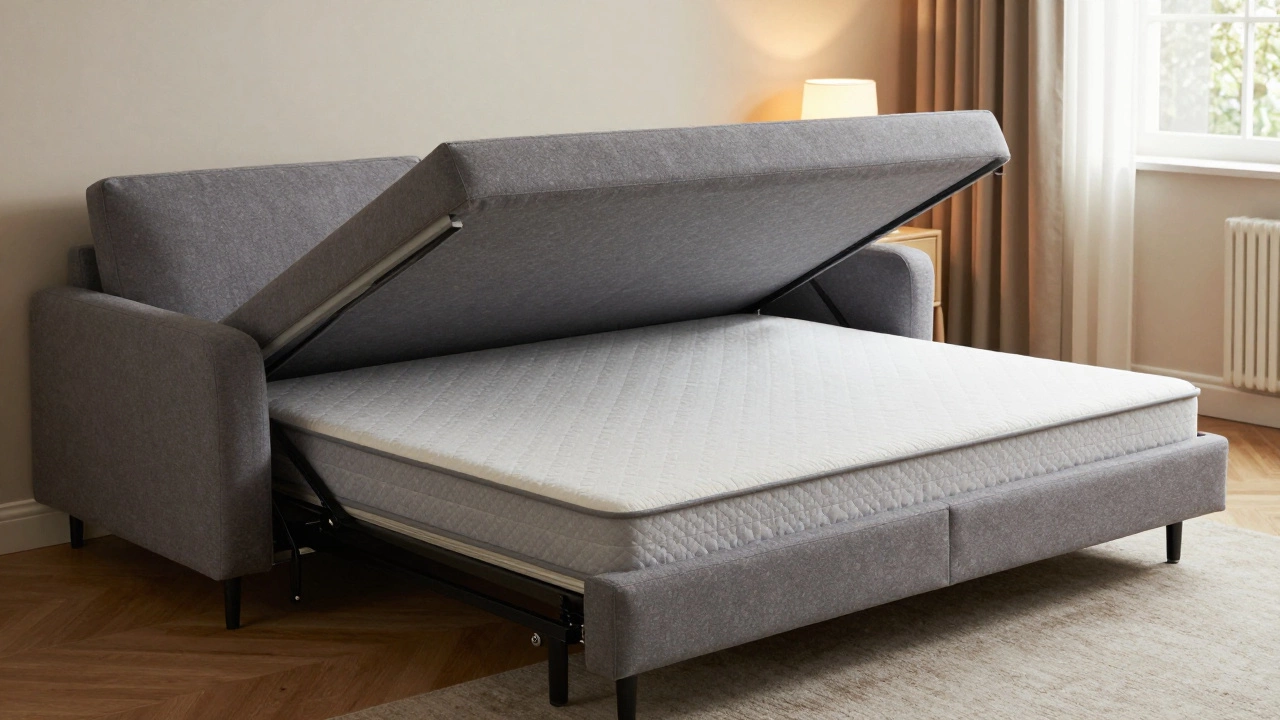
A regular bedroom mattress is built for one thing: staying flat on a stationary frame. They are thick, heavy, and rigid. When you try to fold a standard 10-inch memory foam or spring mattress into an accordion-style sofa bed, physics fights back. The material resists bending, creating pressure points that can snap wooden slats or bend metal hinges over time.
Think about the last time you tried to fold a stiff cardboard box versus a flexible plastic container. A standard mattress is like that stiff cardboard. It doesn’t want to bend. Forcing it creates stress fractures in the foam core or damages the internal springs. Over months of use, this leads to sagging, uneven surfaces, and eventually, broken mechanisms that require costly repairs.
Furthermore, weight distribution plays a huge role. Sofa bed mechanisms rely on balanced weight to operate smoothly. A heavy, dense mattress shifts the center of gravity, making the pull-out action jerky and difficult. You end up straining your back just to convert the furniture from seat to bed. That’s not exactly relaxing.
The Anatomy of a Proper Sofa Bed Mattress
So, what makes a mattress suitable for a sofa bed? Three main factors: flexibility, thickness, and edge support. These aren’t just buzzwords; they are engineering requirements for dual-purpose furniture.
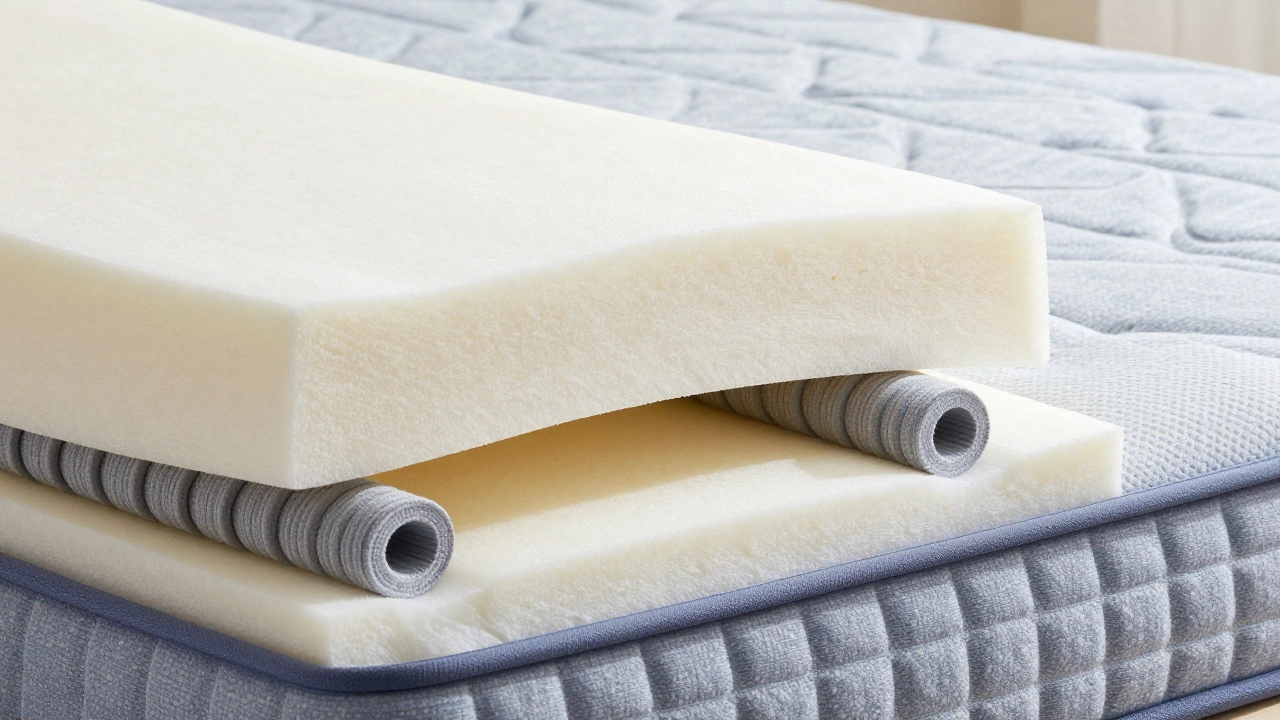
- Flexibility: The mattress must bend without breaking. High-quality sofa bed mattresses use high-density polyurethane foam or pocketed micro-coils that are individually wrapped. This allows them to flex at the folds while maintaining their shape when flat.
- Thickness: Most sofa beds require a mattress between 4 and 6 inches thick. Anything thicker won’t fit under the armrests or within the frame’s clearance. Anything thinner offers no comfort. The sweet spot is usually 5 inches, providing enough cushioning without interfering with the mechanics.
- Edge Support: Since the mattress is often exposed on three sides (or two, depending on the design), reinforced edges prevent crumbling. Without firm edges, the mattress sags off the frame, making the usable sleeping area smaller than advertised.
These features ensure that the mattress acts as part of the machine, not just a passive layer on top. It moves with the frame, supporting both sitting and sleeping positions effectively.
| Feature | Standard Bed Mattress | Sofa Bed Mattress |
|---|---|---|
| Typical Thickness | 8-14 inches | 4-6 inches |
| Material Flexibility | Rigid, low bend tolerance | High bend tolerance, flexible core |
| Weight | Heavy (50+ lbs) | Lightweight (15-30 lbs) |
| Primary Use | Sleeping only | Sitting and Sleeping |
| Durability in Folding | Poor (breaks/folds poorly) | Excellent (designed for folding) |
Choosing the Right Material: Foam vs. Innerspring
When shopping for a replacement or new sofa bed, you’ll encounter two primary material types: high-density foam and pocketed innerspring. Each has distinct advantages depending on how you use the furniture.
High-Density Foam is the most common choice for modern click-clack and accordion sofas. It’s lightweight, easy to clean, and conforms well to the folding lines. Look for foam with a density of at least 1.8 lb/ft³. Lower densities will compress too quickly, leading to permanent indentations where the folds are. Foam is also hypoallergenic, which is great if you have guests with sensitivities.
Pocketed Innerspring options offer a more traditional feel. Because each spring is enclosed in its own fabric pocket, they move independently. This provides better motion isolation-if one person shifts, the other doesn’t feel it. Springs also tend to breathe better, keeping the sleeper cooler than solid foam. However, they are heavier and slightly less flexible than foam. Ensure the springs are small gauge (micro-coils) so they don’t poke through the fabric when folded.
If you prioritize ease of movement and cleaning, go with foam. If you want a firmer, hotel-like sleep experience and don’t mind a bit more weight, choose innerspring. Avoid hybrid models unless explicitly rated for sofa beds, as the layers can delaminate under repeated folding stress.
Fitting Issues: Measuring for Success
One of the biggest mistakes people make is assuming all sofa beds use standard mattress sizes. They don’t. While many mimic twin or queen dimensions, the actual internal frame measurements vary wildly by manufacturer. A "queen" sofa bed might actually be 55 inches wide instead of the standard 60 inches.
To avoid buying a mattress that doesn’t fit, measure the interior frame of your sofa bed when it’s fully extended. Measure width, length, and depth. Remember to account for the frame’s rails-usually, the mattress needs to be 0.5 to 1 inch smaller than the internal cavity to slide in easily without getting stuck.
Also, check the clearance height. Sit on the sofa with the mattress installed. Does it sit too high, making your legs dangle awkwardly? Too low, and you lose structural support. The ideal height aligns with the seat cushions when closed. If your current mattress is causing height issues, a different thickness might solve both comfort and aesthetics.
Maintenance and Longevity Tips
Even the best sofa bed mattress degrades if neglected. Unlike a regular bed, a sofa bed mattress undergoes mechanical stress twice a day (if used daily). Here’s how to extend its life.
- Rotate Regularly: Turn the mattress head-to-foot every month. This prevents uneven wear patterns caused by consistent folding and sleeping in the same spot.
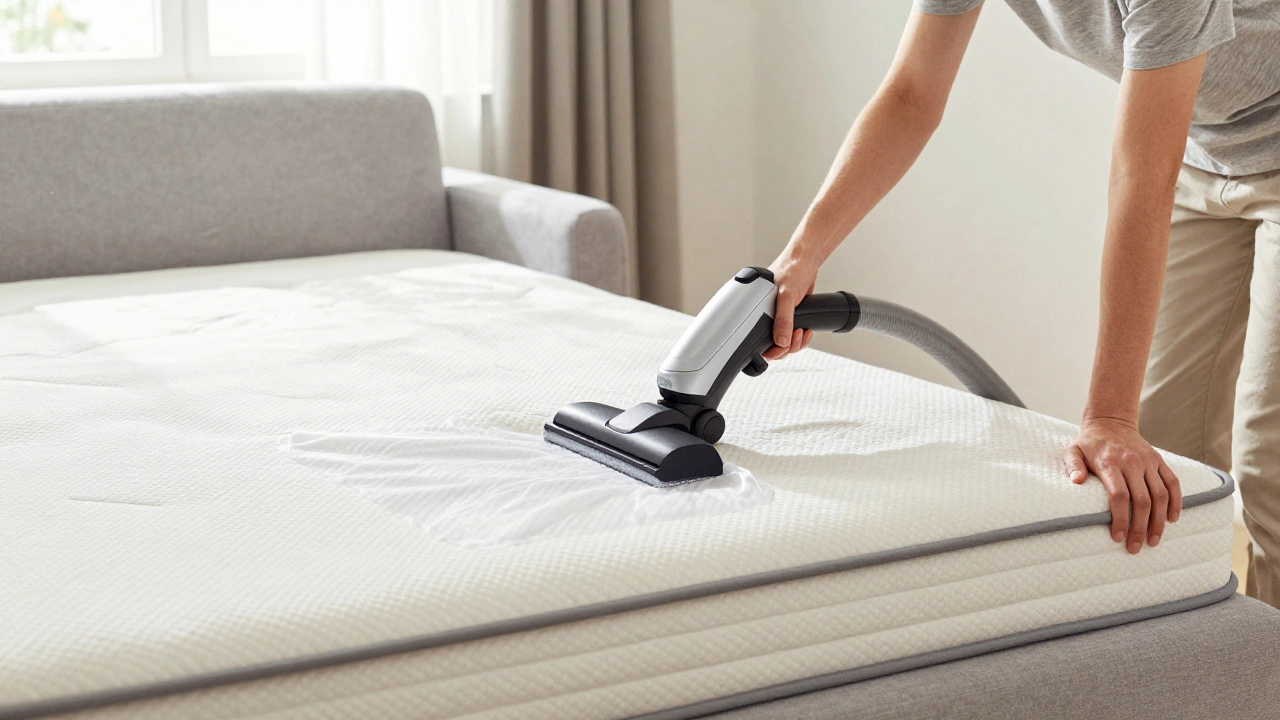
- Clean Gently: Vacuum the surface weekly to remove dust and debris. Spot clean stains immediately with mild soap and water. Avoid soaking the mattress, as moisture trapped inside the folds can lead to mold and mildew.
- Use Protectors: Invest in a waterproof mattress protector designed for sofa beds. It adds a barrier against spills and sweat, which are the enemies of foam and springs. Make sure the protector is elasticized to stay in place during folding.
- Air It Out: Once a week, open the sofa bed and let it air out for 30 minutes. This helps dissipate heat and moisture buildup, keeping the materials fresh and resilient.
Ignoring maintenance leads to faster breakdown. A well-maintained sofa bed mattress can last 5-7 years, whereas a neglected one might sag within 18 months.
Common Myths Debunked
There’s a lot of misinformation online about sofa bed mattresses. Let’s clear up a few myths that could cost you money or comfort.
Myth: You can cut a regular mattress to size.
Reality: Never do this. Cutting a mattress exposes the inner core, destroys the edge support, and creates sharp, uncomfortable edges. It also voids any warranty. Always buy a pre-sized mattress.
Myth: Thicker is always more comfortable.
Reality: In sofa beds, thicker often means worse. Excess thickness interferes with the closing mechanism, causing the arms to hit the mattress or the frame to bind. Stick to the manufacturer’s recommended thickness.
Myth: All sofa bed mattresses are equally durable.
Reality: Cheap mattresses use low-density foam that crumbles after a few folds. Quality matters. Look for brands that specify "high-resilience" foam or "individually pocketed coils."
Final Thoughts on Investing in Comfort
Your sofa bed is a workhorse. It serves as seating during the day and a bed at night. Treating the mattress as an afterthought undermines its entire purpose. By choosing a specialized mattress that fits your frame’s dimensions and mechanical needs, you protect your investment and improve your sleep quality.
Don’t settle for a lumpy, sliding mess. Take the time to measure your frame, understand the material differences, and pick a mattress built for folding. Your back-and your guests-will thank you.
Can I use a regular twin mattress on my sofa bed?
Generally, no. Regular twin mattresses are too thick (often 8-10 inches) and rigid for most sofa bed mechanisms. They can damage the folding joints, prevent the sofa from closing properly, and cause discomfort due to lack of flexibility. Only use a regular mattress if your sofa bed is a dedicated sleeper model with a separate, non-folding base.
How thick should a sofa bed mattress be?
Most sofa bed mattresses range from 4 to 6 inches in thickness. The exact requirement depends on your specific sofa model. Check the manufacturer’s manual or measure the clearance between the seat and the backrest when folded. A 5-inch mattress is the most common universal fit.
Is memory foam good for sofa beds?
Traditional memory foam is often too dense and slow to recover for frequent folding, leading to permanent creases. However, high-resilience polyurethane foam or adaptive foam blends are excellent choices. They offer contouring comfort while remaining flexible enough to withstand repeated bending without breaking down.
Why does my sofa bed mattress slide around?
Sliding occurs when the mattress is too smooth, too light, or improperly sized for the frame. To fix this, use a non-slip rug pad underneath the mattress, add elastic straps to secure it to the frame, or replace it with a mattress that has a gripper bottom or reinforced edges designed for sofa beds.
How long does a sofa bed mattress last?
With proper care, a high-quality sofa bed mattress can last 5 to 7 years. Factors affecting longevity include frequency of use, weight of sleepers, and maintenance routines. Rotating the mattress monthly and using a protective cover can significantly extend its lifespan.