 26
Mar,2026
26
Mar,2026
Storage Protection Advisor
Mice repellents can be effective, but some natural oils are toxic to pets or humans. Use this advisor to select the safest option for your specific storage environment.
The Truth About Using Scents to Deter Pests
You open your storage cabinet after a few months, and there it is. A small brown tail disappearing behind a stack of boxes. Finding droppings in your wardrobe or pantry is more than just annoying-it signals a breach in your home’s defenses. Many homeowners ask what scent will keep mice away because they want a solution that doesn’t involve harsh chemicals or immediate exterminators. While strong odors can disrupt a rodent’s sensitive nose, relying solely on smells requires understanding exactly how mice sense their world.
Mice possess an incredibly acute sense of smell, often used to navigate dark spaces and find food sources. House Mouse is a small rodent commonly found in human dwellings that relies heavily on olfactory cues to identify safety and danger. When you introduce a powerful scent, you are essentially creating confusion in their environment. However, this effect is temporary. Rodents adapt quickly, and a smell they hate one week might become background noise the next. For storage furniture, especially, you need a strategy that combines scent with physical barriers.
Top 5 Scents That Actually Drive Mice Away
Not every strong smell does the job. You cannot spray citrus cleaner on your wooden shelves and expect long-term results. Below are the most effective options backed by behavioral observations.
1. Peppermint Oil
This is the most famous remedy for a reason. Peppermint contains menthol, which irritates the nasal passages of rodents.
2. Cedarwood Chips
Cedar is excellent for wardrobes and storage chests. It releases a vapor that repels moths and rodents alike without leaving sticky residue like oil does. You can buy cedar blocks or loose chips to scatter in corners.
3. Cayenne Pepper
Chili powder works differently than oils. It creates an airborne irritation when mice breathe in fine particles. Mix cayenne pepper with water and spray it around the base of your storage units. This is less suitable for enclosed spaces where children might inhale the mist.
4. Lavender Sachets
While pleasant to humans, lavender is unpleasant to mice. Placing dried lavender sachets inside seasonal clothing bags serves a dual purpose: it freshens fabrics while discouraging nesting. However, do not expect this to stop an active infestation in walls.
5. The Ammonia Warning
Many guides suggest pouring ammonia around the house. This mimics the urine of predators like cats or foxes. While Ammonia is a chemical compound with a pungent odor that resembles predator urine, it poses significant health risks to pets and humans. We recommend avoiding it in favor of essential oils.
Comparison of Natural Deterrents
| Scent Type | Duration | Safety for Pets | Best For |
|---|---|---|---|
| Peppermint Oil | 3-5 Days | Low (Toxic to cats) | Drawers, Entry Points |
| Cedarwood | 1-3 Months | High | Wardrobes, Chests |
| Lavender | 2 Weeks | Medium | Fabric Storage |
| Cayenne Spray | 1 Week | Medium (Eye irritation) | Basements, Perimeter |
| Mothballs | Variable | Very Low (Toxic fumes) | Sealed Containers Only |
Applying Scent Treatments to Storage Furniture
Where you put the scent matters more than what the scent is. If you leave cotton balls exposed on top of a bookcase, they lose potency quickly. Here is how to integrate them into your storage routine.
- Wardrobes: Place cedar blocks directly on shelves rather than hanging them on door hooks. Nesting mice prefer corners, so target the back corners of your closet first.
- Under-Bed Storage: Plastic bins are great, but they often leak scent. Drill tiny holes in the plastic lids and insert soaked cotton balls so the aroma escapes slowly over time.
- Pantry Shelving: Avoid putting oil directly on cardboard boxes. Use small mesh sachets instead. These allow the scent to seep out without staining your dry goods packaging.
- Garden Sheds: If you have outdoor storage, humidity affects how well scents linger. Refresh treatments monthly during wet seasons like late winter in Melbourne.

Why Smells Eventually Stop Working
You might notice mice returning after a few weeks despite the strong smell. This happens because habituation sets in. The animal realizes the scent isn’t actually hurting them, so they ignore it. Additionally, air circulation in modern homes is better than in older houses, blowing scents away before they settle.
To combat this, rotate your scents. Start with peppermint for two weeks, then switch to eucalyptus or cloves. Keeping their sensory expectations confused prevents them from adapting to a single trigger. Also, remember that scent is just one layer. A hole in the drywall renders even the strongest perfume useless.
Safety Considerations for Humans and Pets
While we call these natural repellents, "natural" does not always mean harmless. Peppermint and tea tree oil are toxic to cats and dogs if ingested or absorbed through their skin pads. Dogs tend to chew on things they shouldn’t, so avoid placing cotton balls on the floor level.
If you have infants who crawl near storage units, use cedar blocks instead of liquid oils. Cedar dust is generally safer than volatile organic compounds found in concentrated extracts. Always check labels for dilution rates. Pure essential oils can cause skin burns on humans too.
When Scent Isn’t Enough
Scent keeps mice away only when they are already outside looking for an entry. If they are already inside your walls, you need trapping and exclusion.
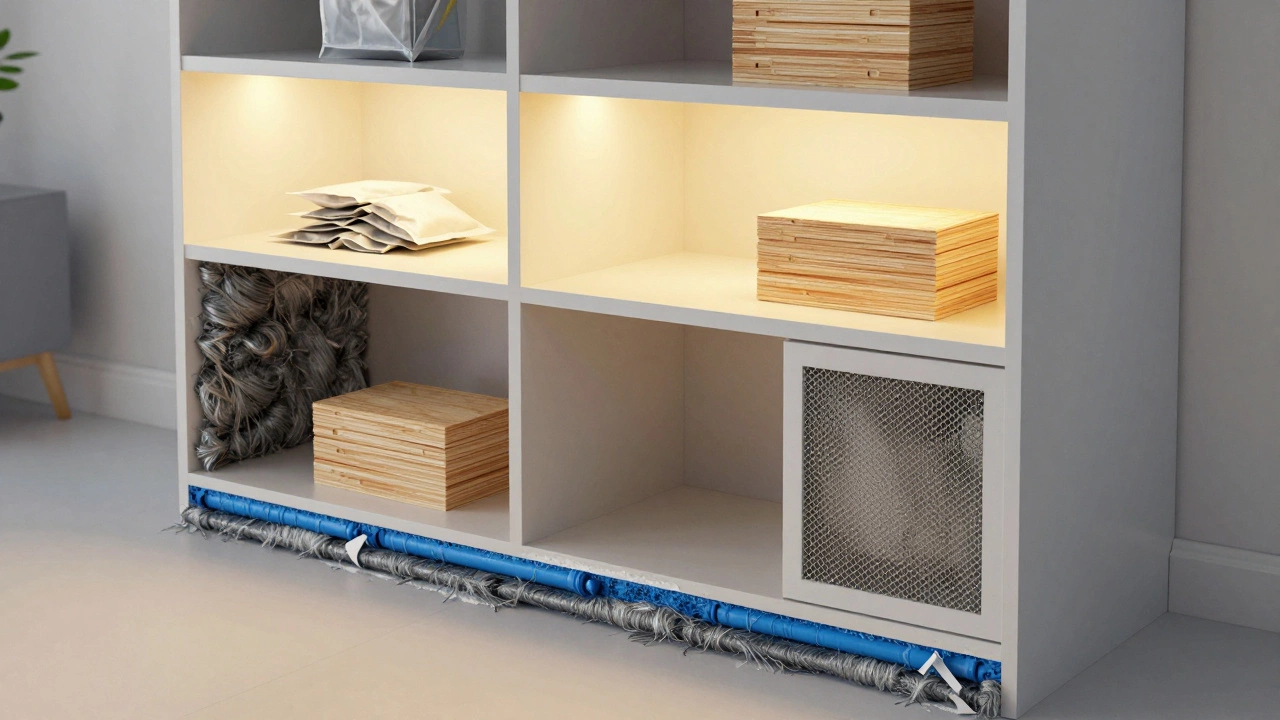
- Seal Gaps: Inspect the bottom of your storage furniture. Fill gaps larger than a quarter inch with steel wool. Mice cannot gnaw through steel, so they get stuck trying to pass.
- Remove Food: Clean crumbs from your storage areas regularly. Even dry pasta or cereal stored in cardboard provides enough nutrition for a family of mice.
- Set Traps: Place snap traps perpendicular to walls where mice run. Bait them with peanut butter rather than cheese. Once you catch the initial invader, the scent barrier becomes more effective at preventing reinvasion.
- Use Caulk: Seal utility lines entering near storage cabinets. Old pipes often have rubber gaskets that crack and provide access routes.
Consider Ultrasonic Repellers as electronic devices emitting high-frequency sound waves intended to disturb rodents. These are controversial in efficacy studies, but they provide a non-scent option for sensitive households. Do not rely on them as a primary method, however.
Maintaining a Pest-Free Environment
Once you establish a clean storage area, keeping it that way takes discipline. Schedule quarterly checks of your scent applications. Winter months are particularly risky in colder climates because rodents seek warmth indoors. In these periods, increase the frequency of refreshing your deterrents from monthly to bi-weekly.
Inspect new furniture purchases before moving them inside. Boxes from warehouses often carry hitchhiking pests. Leave unpacked cardboard outdoors if possible, or vacuum the inside before bringing items to your living space.
Frequently Asked Questions
How often should I replace peppermint cotton balls?
You should replace cotton balls every three to five days. The volatility of peppermint oil means it evaporates quickly. If the smell fades, the protection stops working immediately.
Will mothballs kill mice?
Mothballs contain naphthalene or paradichlorobenzene, which can be toxic if ingested, but they are primarily designed for insects. They act as a repellent rather than a lethal poison. Furthermore, leaving them uncovered in your home is dangerous for humans.
Can I put peppermint oil on my clothes?
It is not recommended to pour oil directly onto fabric. It may leave stains that are difficult to remove. Instead, use a linen spray bottle or place the oil on a separate cloth inside a breathable bag placed alongside the garments.
Are essential oils safe around cats?
No, many essential oils like peppermint, eucalyptus, and tea tree are toxic to cats. Their liver lacks the enzymes to process these compounds. Stick to vinegar sprays or mechanical exclusion methods like steel wool if you have feline pets.
Do mice eventually get used to the smells?
Yes, adaptation occurs rapidly. Rodents realize that a smell does not equate to physical harm. To prevent this, rotate between different scents such as mint, cloves, and ammonia weekly to keep their sensory systems off-balance.
Next Steps for Long-Term Protection
If you have identified a heavy infestation, scents alone will not solve the problem. Contact a professional pest controller to assess structural weaknesses in your property. Combine their service with a maintenance plan using the storage furniture tips outlined here. Focus on making your storage zones uninviting through hygiene and physical sealing. The goal is to move from chasing mice to making your home impossible for them to invade in the first place.