 19
Nov,2026
Furniture Storage Longevity Estimator
Enter your furniture details to estimate its expected lifespan in storage and get tailored protection advice.
Select options and click "Estimate Lifespan" to see results.
You’ve just finished a big move or a renovation, and your beloved armchair is sitting in a dark corner of a warehouse. You wonder: will it still be there, intact and usable, in five years? Or will it look like something out of a horror movie, warped and moldy? The truth is, furniture storage isn't a single timeline. It’s a gamble against the elements. Most solid wood pieces can survive decades if treated right, while particleboard might start crumbling in just a few years. But here’s the kicker: it’s rarely the time itself that kills your stuff. It’s the environment.
Let’s break down what actually happens to your couch when you leave it alone for too long. Is it really about the clock ticking, or is it about how much moisture gets into those cushions? If you’re planning to stash your belongings away, you need to know which materials hold up and which ones give up early. This guide cuts through the myths and gives you the hard numbers on longevity, plus the specific steps to keep your investment safe from dust, pests, and decay.
The Short Answer: Lifespan by Material Type
Before we get into the nitty-gritty of climate control, let’s look at the raw data. Not all furniture ages the same way. A steel chair behaves differently than a velvet sofa. Here is a realistic breakdown of how long different types of furniture typically last in storage under average conditions (non-climate-controlled, standard warehouse).
| Material Type | Expected Lifespan | Primary Risk Factor | Mitigation Strategy |
|---|---|---|---|
| Solid Wood | 10-50+ years | Humidity swings causing warping | Climate control; keep off concrete floors |
| Particleboard/MDF | 3-7 years | Absorbing moisture leading to swelling/crumbling | Heavy-duty plastic wrap; desiccants |
| Upholstered Fabric | 5-10 years | Mold, mildew, and pest infestation | Clean thoroughly before storage; breathable covers |
| Leather | 5-15 years | Drying out, cracking, or sticky degradation | Condition leather first; avoid direct sunlight |
| Metal Frames | 20+ years | Rust formation if exposed to dampness | Apply rust inhibitor; keep dry |
Notice the huge gap between solid wood and particleboard? That’s because solid wood fibers are dense and resilient. They expand and contract with humidity but return to shape if the changes aren’t too extreme. Particleboard, however, is basically sawdust glued together. Once water vapor seeps into the edges, the glue breaks down, and the board swells. It doesn’t shrink back. It stays swollen, ugly, and weak. If you have IKEA-style flat-pack furniture, assume a shorter lifespan unless you take extreme precautions.
Why Humidity Is the Silent Killer
If you remember one thing from this article, make it this: humidity matters more than temperature. Sure, freezing temperatures can make plastic brittle, but moisture ruins almost everything else. In Melbourne, where I live, the weather can swing wildly. One week it’s humid coastal air, the next it’s dry heat. Your storage unit experiences these shifts too, often amplified because warehouses aren’t insulated like homes.
When relative humidity stays above 60%, you invite mold. Mold spores are everywhere, waiting for a damp surface to colonize. Your wooden table legs or fabric sofa cushions are perfect hosts. Conversely, if humidity drops below 30%, wood dries out. It shrinks. Joints loosen. Drawer bottoms fall out. The sweet spot for most household items is between 40% and 50%. If your storage facility doesn’t offer climate control, you’re rolling the dice. For short-term storage (under six months), this might be fine. For long-term? It’s risky.
Think about your bathroom after a hot shower. Now imagine that steam trapped in a box for two years. That’s what happens to untreated wood. It absorbs the moisture, swells, and potentially develops fungal growth that eats away at the finish. Plastic wrapping helps, but if you trap moisture inside the wrap, you create a greenhouse effect. Condensation forms on the cold surfaces, dripping onto the wood. It’s a vicious cycle.
Preparation Matters More Than Duration
How long your furniture lasts depends heavily on how you pack it. You can’t just shove a dirty couch into a unit and hope for the best. Dirt contains organic matter-food crumbs, skin cells, pet dander-that feeds pests and mold. Before you store anything, clean it. Vacuum upholstery until you see nothing coming out. Wipe down wood with a gentle cleaner and let it dry completely. If you skip this step, you’re packing lunch for the silverfish.
- Clean Everything: Remove stains and debris. Stains set permanently over time and attract insects.
- Disassemble When Possible: Taking apart beds and tables reduces stress on joints and saves space. Keep screws in labeled bags taped to the parts.
- Protect Surfaces: Use bubble wrap for glass and mirrors. Use moving blankets or old sheets for wood and metal. Avoid plastic wrap directly on unfinished wood-it traps moisture.
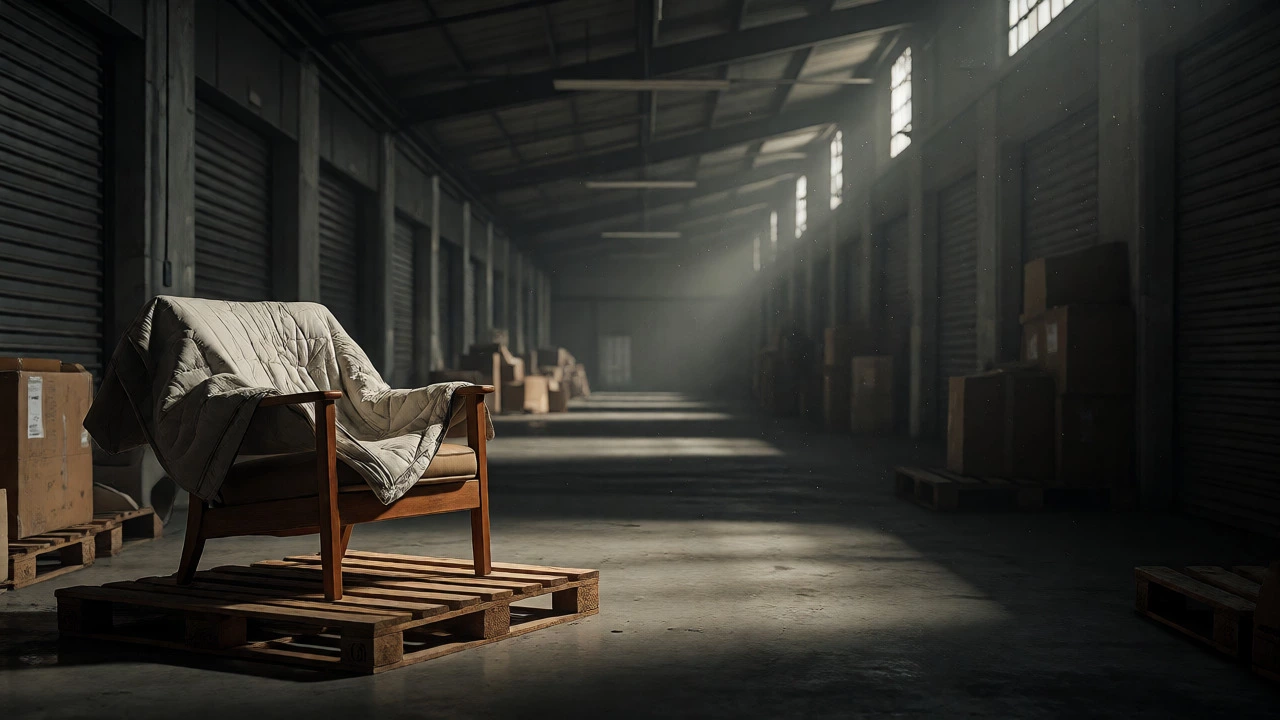
- Elevate Items: Never place furniture directly on a concrete floor. Concrete wicks moisture. Put pallets or scrap wood underneath.
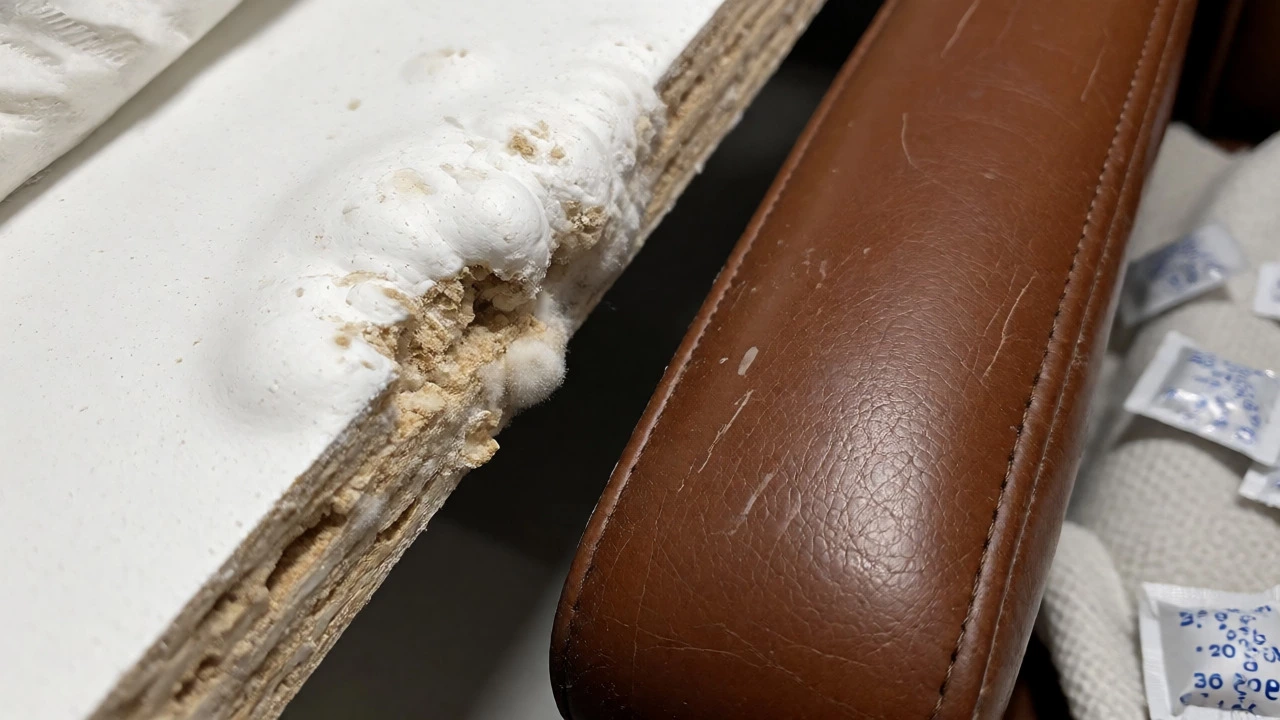
Here’s a pro tip from my own moving experience: use silica gel packets. You can buy them in bulk online. Scatter them around enclosed spaces like drawers or cabinets. They absorb excess moisture actively. It’s a cheap insurance policy against the dampness that plagues many self-storage units.
Special Considerations for Delicate Materials
Some materials are divas. They demand special treatment. Leather is one of them. Over time, leather loses its natural oils. If stored in a dry, unconditioned unit, it cracks. Once cracked, you can’t fix it without expensive reupholstering. Before storing, apply a high-quality leather conditioner. This replenishes the oils and creates a barrier against drying out. Then, cover it with a breathable cotton sheet. Do not use plastic. Plastic suffocates leather and can cause chemical reactions that make it sticky or discolored.
Antique furniture is another beast. If you have an heirloom piece, consider professional appraisal and specialized storage. Antiques often have fragile veneers or loose joinery. Temperature fluctuations can cause the glue in antique joints to fail. For these items, climate-controlled storage isn’t optional; it’s mandatory. The extra cost per month is negligible compared to replacing a hundred-year-old sideboard.
What about electronics attached to furniture? Think TV stands with built-in lighting or motorized recliners. Batteries leak. Capacitors degrade. If possible, remove batteries from remote controls and detach any electronic components. Store them separately in a cool, dry place. The main furniture piece can handle the warehouse, but the circuit boards might not.
Signs Your Furniture Has Been Damaged
So, you’ve opened the storage unit after three years. How do you know if it survived? Look for these red flags:
- Musty Smell: This indicates mold or mildew growth. Even if you don’t see spots, the spores are there. Air it out immediately outdoors.
- White Powder on Wood: This could be efflorescence (salt deposits) or early mold. Try wiping it with a vinegar solution. If it persists, the damage might be deeper.
- Swollen Edges on Particleboard: Check the corners and cut edges. If they look puffy or crumbly, the structural integrity is compromised.
- Insect Droppings: Small black specks near legs or under cushions suggest cockroaches or beetles. Inspect closely for holes in fabric.
- Rust Spots on Metal: Orange or brown discoloration means oxidation has started. Light rust can be sanded off; heavy rust weakens the frame.
If you catch these issues early, you can often save the piece. Mold can be cleaned with appropriate solutions. Rust can be treated. But if particleboard has absorbed significant water, it’s usually game over. Replacement is cheaper than repair.
Climate Control vs. Standard Storage: Is It Worth It?
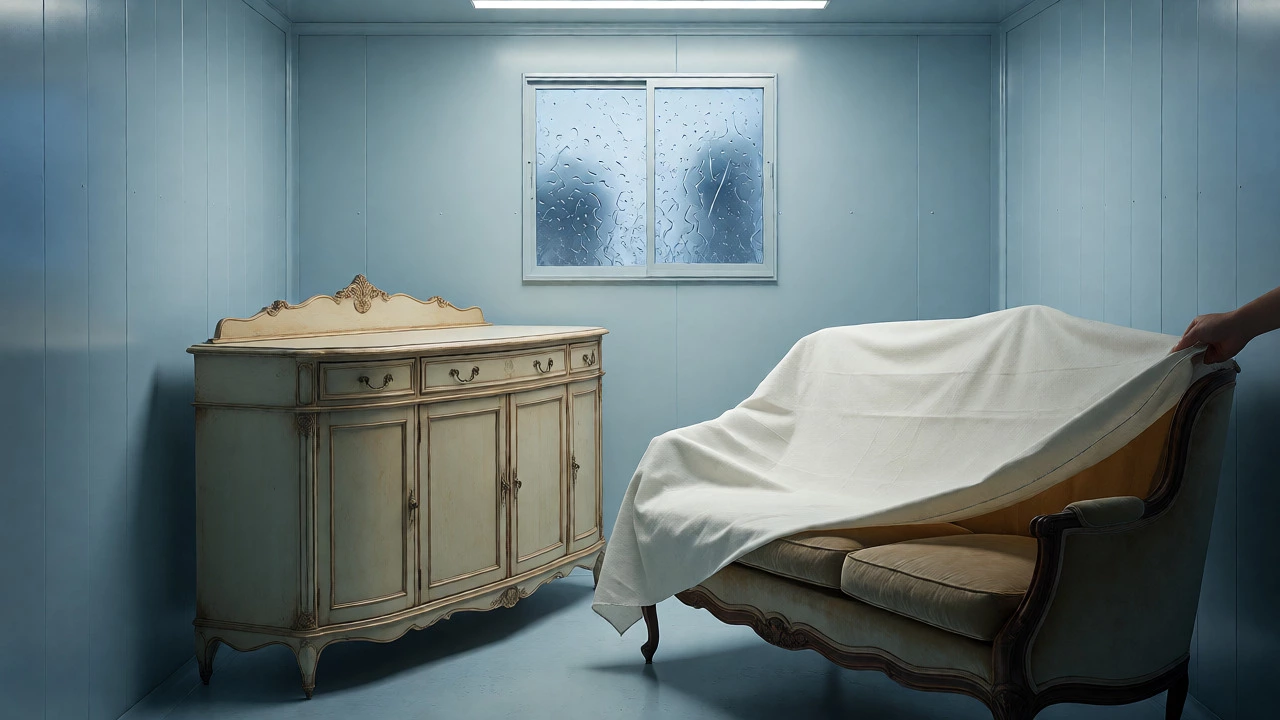
This is the million-dollar question-or rather, the extra $50-a-month question. Climate-controlled units maintain a stable temperature and humidity level. They are sealed tighter against dust and pests. For most people, standard storage is fine for durable items like metal shelving, solid wood dressers, or plastic bins. However, if you are storing:
- Artwork or photographs
- Electronics
- Wooden musical instruments
- High-end antiques
- Leather goods
...then pay for climate control. The difference in survival rate is stark. In non-climate units, seasonal extremes can warp wood beyond repair. In climate-controlled environments, those extremes are smoothed out. It’s like keeping your wine cellar at a constant temperature versus letting it bake in summer and freeze in winter.
Consider your location. If you live in a region with mild, consistent weather (like parts of California), standard storage might suffice. In places with high humidity or extreme cold snaps (like the Midwest US or Melbourne’s variable climate), the risk increases significantly. Check local weather patterns for your storage site. If summers hit 90°F with 80% humidity, your unconditioned unit becomes a sauna.
Practical Tips for Maximizing Longevity
Ready to store your furniture? Follow this checklist to give your items the best chance at surviving the wait.
Can I store upholstered furniture without covering it?
It is not recommended. Dust settles into fabric fibers and becomes difficult to remove. More importantly, pests like moths and carpet beetles are attracted to natural fibers. Always cover upholstered items with breathable canvas or cotton sheets. Avoid plastic covers as they trap moisture and encourage mold growth.
How often should I check on my stored furniture?
For long-term storage, visit every 6 to 12 months. Check for signs of pests, leaks, or mold. Air out the unit briefly if possible. This allows you to catch small problems before they become disasters. If you notice a musty smell, address it immediately by airing out the items.
Does painting or varnishing help protect wood in storage?
Yes, a good sealant protects wood from moisture absorption. However, ensure the finish is fully cured before storage. Fresh paint or varnish can stick to protective wraps or emit fumes that react with other materials. Applying a fresh coat of wax or polish can also add a layer of protection against drying out.
What is the biggest mistake people make when storing furniture?
Placing items directly on the concrete floor. Concrete is porous and draws moisture from the ground, which then transfers to your furniture. Always use pallets, bricks, or plastic risers to elevate furniture at least a few inches off the ground.
Can I store mattresses in a storage unit?
Yes, but stand them upright on their sides rather than laying them flat. Laying them flat allows weight to compress springs unevenly over time and traps moisture in the core. Ensure they are in a mattress bag designed for storage to prevent dust mites and mold, but allow some breathability.
Storing furniture is less about magic tricks and more about basic physics. Manage the moisture, block the pests, and support the structure. If you do those three things, your sofa will likely outlast your patience for finding a new home. If you ignore them, you’ll learn why 'storage' sometimes looks suspiciously like 'disposal.' Plan ahead, spend a little extra on climate control for sensitive items, and your furniture will thank you when you finally unpack it.