Antique Wardrobe
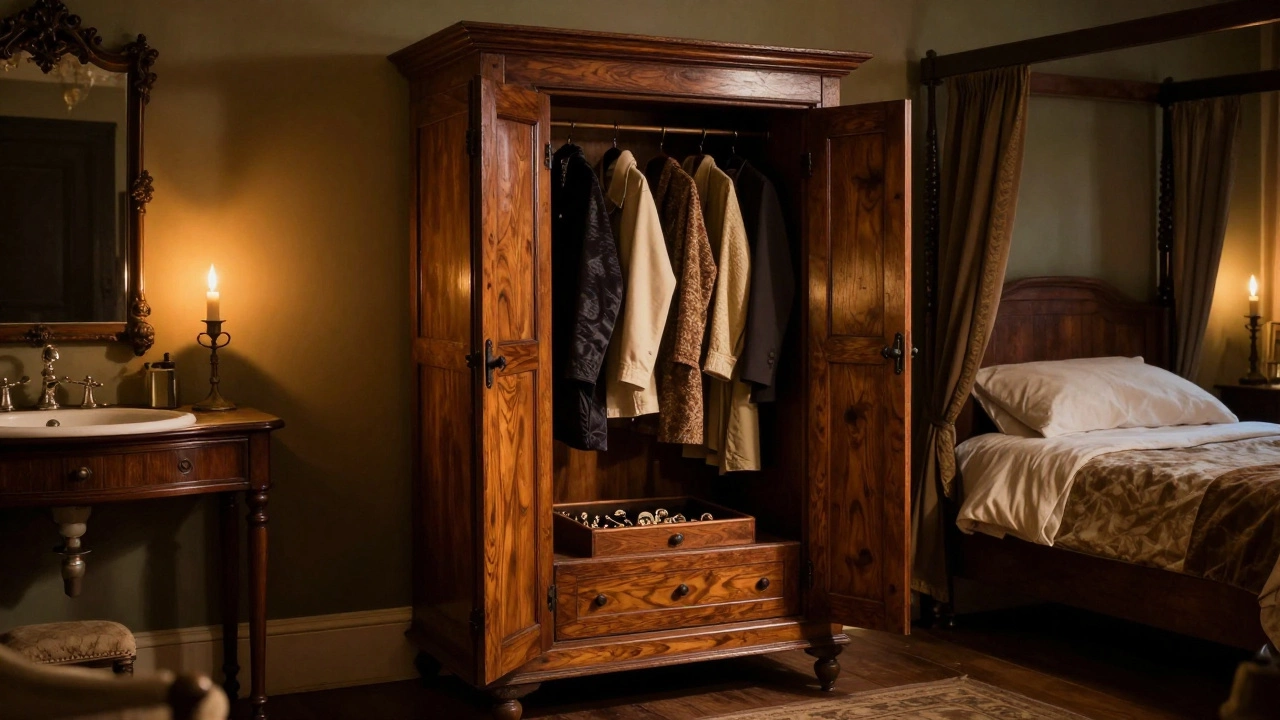
When you think of an antique wardrobe, a large, freestanding wooden cabinet designed for storing clothes, often dating back to the 18th or 19th century. Also known as chest of drawers or closet cabinet, it’s one of the few furniture pieces that blends function, craftsmanship, and character in a way modern pieces rarely match. These aren’t just big boxes for hanging shirts—they’re built with hand-cut joints, solid timber, and finishes that age into a patina you can’t replicate. Many were made before mass production, meaning each one has slight imperfections that tell a story: a warped panel from humidity, a faded brass handle from decades of use, or a drawer that slides just a little too slowly because the wood has settled into its place over time.
What makes an antique wardrobe worth keeping? It’s not just nostalgia. A well-made antique wardrobe can outlast five modern ones. The wood—often oak, walnut, or mahogany—is denser than today’s engineered lumber. The joinery? Dovetails, not nails. The finish? Natural oils and shellac, not cheap spray paints that chip after a year. And if you’re thinking about replacing it with something new, consider this: modern bamboo furniture, a sustainable alternative made from rapidly renewable bamboo, often styled with clean lines and subtle natural textures. Also known as eco-friendly wood furniture, it’s gaining popularity for its low environmental impact and durability. Bamboo doesn’t have the same weight or history as an 1800s wardrobe, but it carries its own kind of value: responsibility, simplicity, and quiet strength.
People who buy antique wardrobes aren’t just collecting furniture—they’re collecting time. These pieces survive wars, moves, renovations, and trends. They don’t follow seasonal colors or TikTok trends. They’re built to be passed down. But they need care. Avoid direct sunlight. Don’t stack heavy items on top. Use wax, not polish. And if you’re restoring one, don’t sand it down to bare wood—you’ll erase its soul. Sometimes, the best thing you can do is leave it alone and let it keep aging gracefully.
There’s a quiet revolution happening in home storage. More people are choosing to mix antique wardrobes with modern pieces—not because they can’t afford new furniture, but because they want meaning in their spaces. An antique wardrobe doesn’t just hold clothes; it holds memory. And if you’re looking for something that balances that history with sustainability, bamboo furniture offers a clean, ethical alternative without sacrificing style. You don’t have to choose between old and new. You can have both.
Below, you’ll find real-world guides on how to spot quality storage pieces, what to look for when restoring vintage wood, how to protect furniture in storage, and even how American closets differ from European wardrobes. Whether you’re hunting for a century-old piece or exploring eco-friendly alternatives, there’s something here to help you make smarter, more thoughtful choices for your home.
What Are Old Closets Called? The Real Names of Vintage Storage Furniture
Old closets weren't built into walls - they were freestanding furniture. Discover the real names like armoire and clothes press, how they were used, and why they still matter today.
View more