Clothing Storage Solutions for Modern Homes
When it comes to clothing storage, the systems you use to keep clothes organized, protected, and easy to access. Also known as wardrobe organization, it’s not just about cramming clothes into a closet—it’s about designing a system that works with your space, lifestyle, and habits. In UK homes, where space is often tight and closets are rare, smart clothing storage isn’t a luxury—it’s a necessity. Many people still think of storage as something that happens inside a traditional wardrobe, but modern living demands more flexibility. You might be using under-bed bins, hanging rails in hallways, or even stackable drawers in the bedroom. These aren’t hacks—they’re practical responses to how people actually live.
One major shift is the move away from bulky, built-in wardrobes. wardrobe, a freestanding or built-in cabinet designed specifically for hanging and storing clothes. Also known as closet, it’s a classic solution, but not always the best fit for today’s apartments. European homes rarely have deep walk-in closets, and UK homes often have shallow alcoves or no dedicated storage at all. That’s why alternatives like modular storage units, fabric bins, and even bamboo tiger-inspired open shelving have become popular. These solutions don’t just save space—they look good while doing it. And when you pair them with the right materials, like breathable cotton liners or moisture-resistant bamboo, you’re not just storing clothes—you’re protecting them. Dust, moths, and dampness are real problems, especially in older UK homes. That’s why storage containers, sealed or ventilated boxes used to organize and protect items like seasonal clothing. Also known as storage bins, they’re essential for keeping sweaters, linens, and off-season wear safe need to be chosen carefully. Not all plastic bins are equal. Some trap moisture. Others let in pests. The best ones have airtight seals, ventilation options, and clear fronts so you don’t have to dig through everything to find that one sweater.
What you’ll find in the posts below isn’t a list of products—it’s a collection of real-world fixes. You’ll learn how to turn a narrow hallway into a functional dressing area, why placing your storage near natural light helps prevent fading, and how to avoid the one mistake most people make with hanging clothes. There’s advice on sizing bins correctly, stacking without crushing, and choosing materials that match your home’s vibe—whether you’re going for minimalist, rustic, or bold tiger-stripe accents. You’ll also see how some of the same principles that make a good office chair or sofa durable apply to clothing storage: frame strength, material quality, and smart design. No fluff. No theory. Just what works in actual homes, with actual clothes, in actual UK weather.
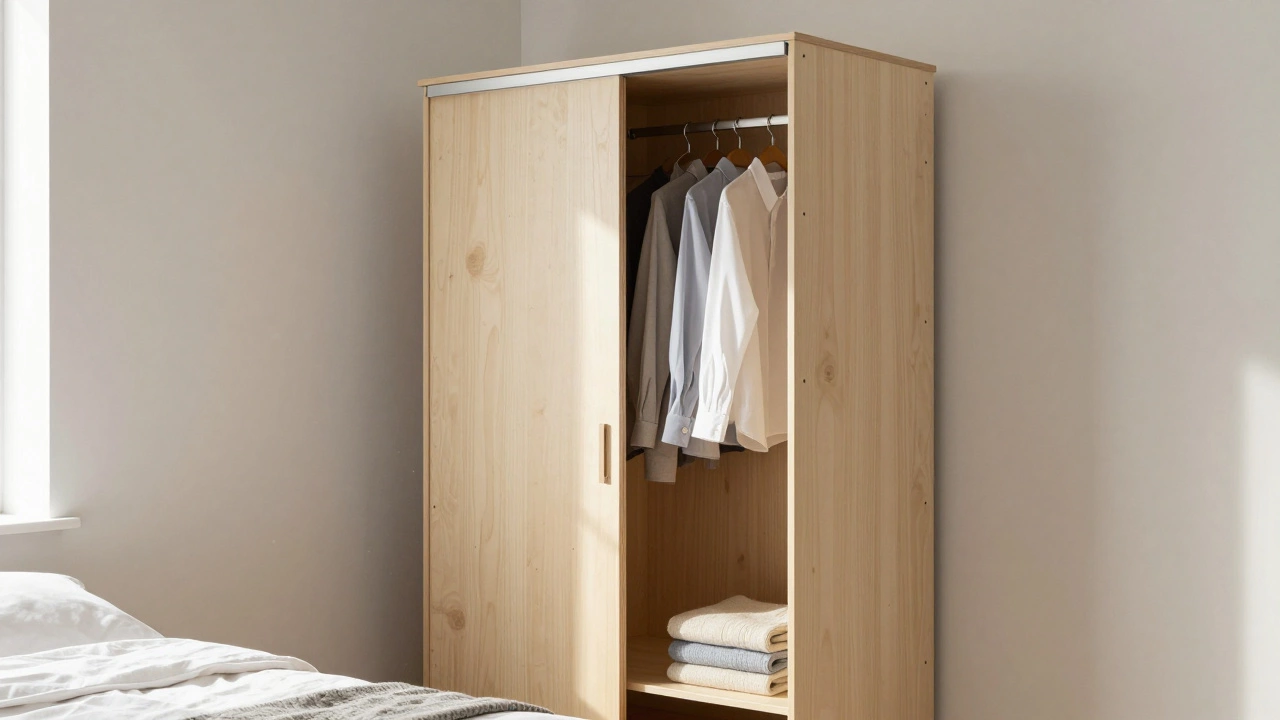
What Is a Basic Wardrobe Called? The Simple Truth About Essential Clothing Storage
A basic wardrobe is the simplest, freestanding piece of furniture for storing clothes. It's not a closet or dresser-it's a door, a rod, and a shelf. Affordable, portable, and timeless, it's still the go-to solution for renters and minimalists.
View more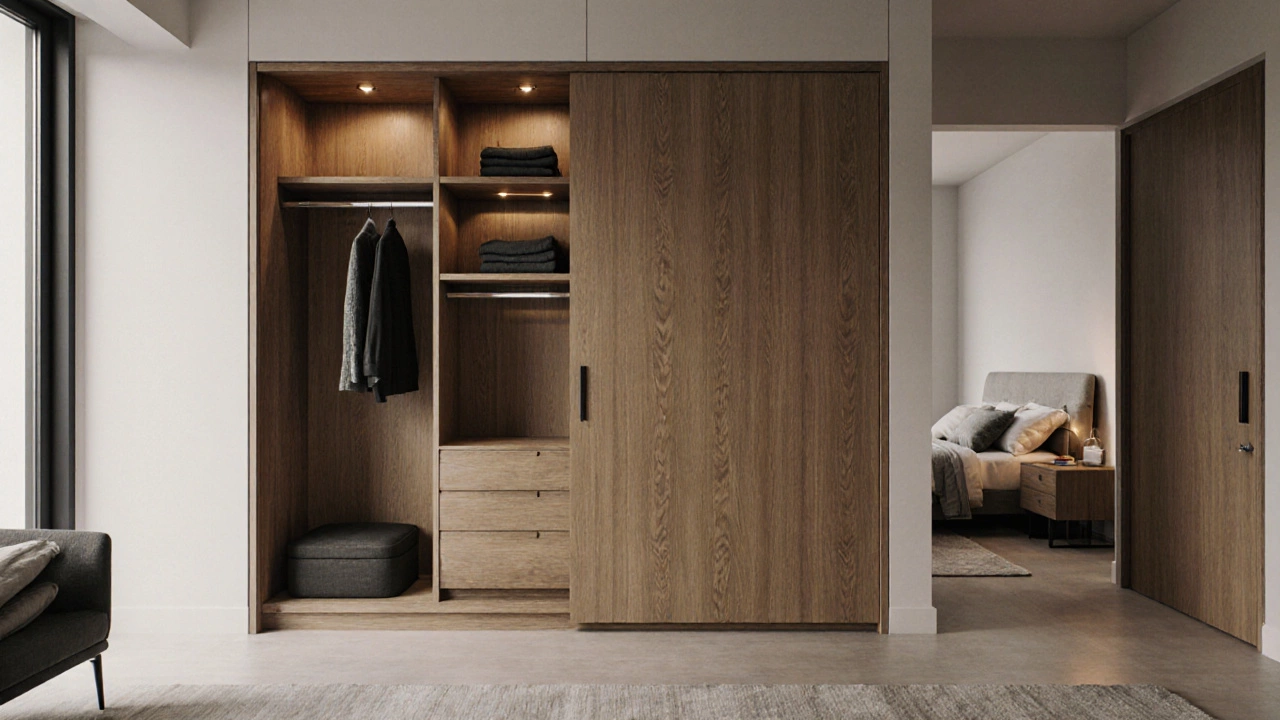
What Do Americans Call Wardrobes? The Real Name Used in U.S. Homes
Americans don't call wardrobes wardrobes-they call them closets. Learn why the U.S. prefers built-in storage, how the terms differ across English-speaking countries, and what to search for when shopping for clothes storage.
View more