Medicare Durable Medical Equipment: What It Is and How It Works
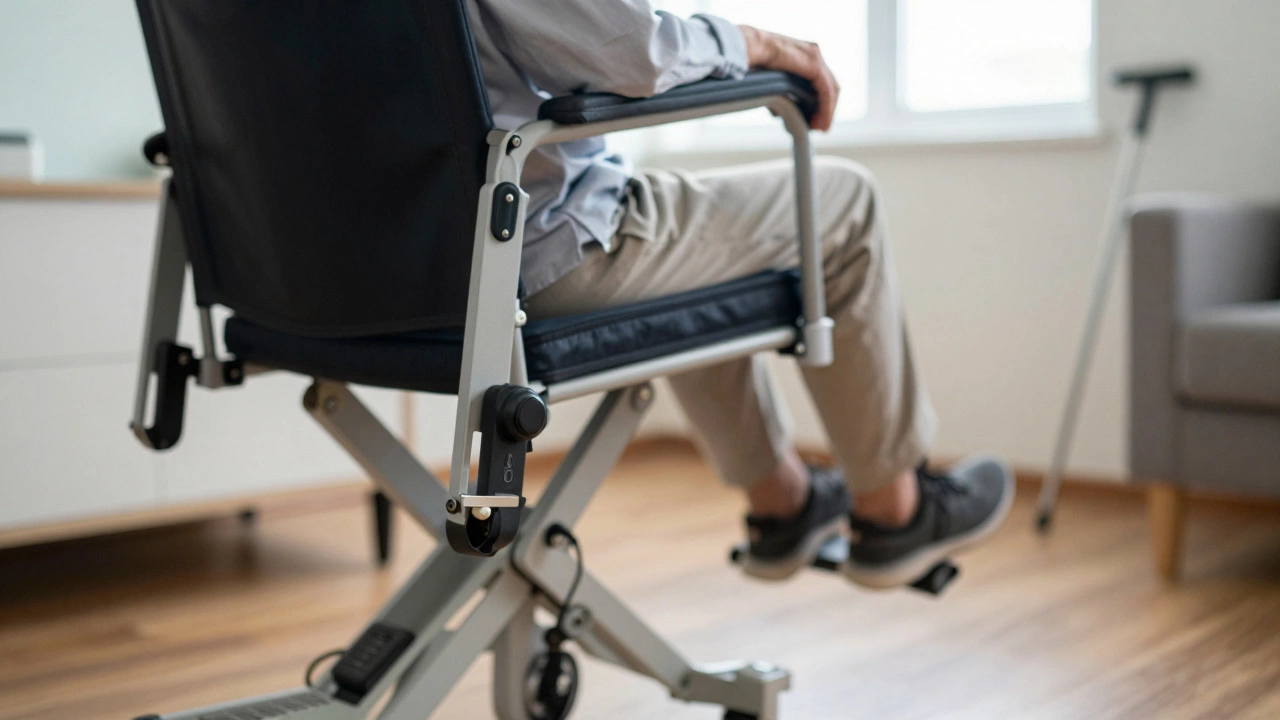
When you need help moving around or breathing at home, Medicare durable medical equipment, medical devices prescribed by a doctor for long-term use in the home. Also known as DME, it’s not just a convenience—it’s often essential for staying independent. Think wheelchairs, walkers, hospital beds, oxygen systems, or even bedside commodes. These aren’t one-time purchases. They’re tools that let you live safely outside a hospital, and Medicare helps cover them—if you meet the rules.
Not everything with a motor or a strap counts. Durable medical equipment, must be reusable, medically necessary, and suited for home use. A cane? Yes. A massage chair? No. A CPAP machine for sleep apnea? Yes. A fancy smart bed with built-in Bluetooth? Only if your doctor says you need the medical features. Medicare won’t pay for comfort—it pays for function. And your doctor has to write a prescription that says exactly why you need it. No guesswork. No filler.
Who qualifies? If you’re on Medicare Part B, you’re likely covered. But you’ll need to use a supplier that accepts Medicare assignment. That means they agree to charge the Medicare-approved price. Skip the flashy ads and big-box stores that don’t participate—you’ll end up paying way more. Also, you usually pay 20% out of pocket after meeting your Part B deductible. Some supplemental plans cover that part. Check your plan. Don’t assume.
There’s a difference between renting and buying. For things like oxygen tanks or hospital beds, Medicare often pays to rent them for up to 13 months. After that, you own it. But for items like walkers or canes, you usually buy them outright. Know which is which. It changes your costs. And don’t let suppliers pressure you into buying before you understand the terms.
What’s missing from most people’s understanding? Repairs. If your wheelchair breaks after six months, Medicare doesn’t just send a new one. You need to go back to your supplier. They’re responsible for fixing it. If they won’t, you can file a claim. Keep your receipts and paperwork. That’s your proof.
And don’t confuse DME with other Medicare benefits. A shower chair isn’t DME unless it’s prescribed for a specific medical reason. A blood pressure cuff? Only if you have a diagnosed condition like hypertension and your doctor orders it regularly. This isn’t a shopping list—it’s a medical necessity list.
You’ll find real stories below—people who got their equipment, who didn’t, and what they learned the hard way. Some fought the system and won. Others paid too much because they didn’t ask the right questions. The posts here don’t just list what’s covered. They show you how to get it, how to avoid being overcharged, and what to do when things go wrong. This isn’t theory. It’s what actually happens in clinics, homes, and supply warehouses across the country.
What Percentage Does Medicare Pay for a Lift Chair?
Medicare covers only 80% of the lift mechanism in a lift chair, not the entire chair. Learn how to qualify, where to buy, and what you'll really pay out of pocket.
View more