Medicare Recliner Chair: What You Need to Know Before Buying
When people talk about a Medicare recliner chair, a type of adjustable seating device that may be covered by Medicare Part B if prescribed as durable medical equipment for medical reasons. Also known as medical recliner, it’s not just a luxury item—it’s a tool that helps people with mobility issues, chronic pain, or circulation problems sit and stand safely. But here’s the thing: Medicare doesn’t cover just any recliner. It only pays for ones that meet strict medical criteria, and even then, only part of the cost.
You need a doctor’s note saying the chair is medically necessary—like if you have severe arthritis, spinal stenosis, or heart failure that makes sitting upright painful or dangerous. The chair must be able to elevate your legs, recline for comfort, and help you rise without straining. Think of it like a hospital bed for your living room, not a fancy TV chair. Durable medical equipment, devices that are used for medical purposes, expected to last for years, and appropriate for home use. Also known as DME, it includes things like walkers, oxygen tanks, and yes, certain recliners. Medicare will cover up to 80% of the approved amount after you meet your Part B deductible, but you’ll still pay the rest, plus any markup from the supplier.
Many people assume all recliners with massage or heat features are covered—but they’re not. Those are considered comfort add-ons, not medical necessities. Medicare only pays for basic functions: tilt, recline, and leg elevation. If your chair has a motorized lift, that’s a different story—it might qualify as a power lift recliner, a type of medical recliner with an electric mechanism that helps users stand up safely. Also known as lift chair, it’s one of the most commonly approved items under Medicare for seniors with limited mobility. But even then, you have to get it from a Medicare-approved supplier. Buying online or at a furniture store won’t cut it—you’ll pay full price and get zero reimbursement.
There’s also confusion around cushions and accessories. Memory foam pads, lumbar supports, or heating elements? Not covered. The chair itself must be the primary medical device. And if you’re thinking of renting instead of buying, Medicare doesn’t rent—it only pays for purchase. So if you need it long-term, buying is your only option.
What you’ll find in the posts below are real-world guides on how to pick the right chair, what to ask your doctor, how to navigate Medicare’s paperwork, and which features actually make a difference in daily comfort. You’ll also see how other people handled the process, what mistakes to avoid, and what alternatives exist if Medicare denies your request. This isn’t about marketing hype—it’s about getting the right support for your body, your budget, and your life.
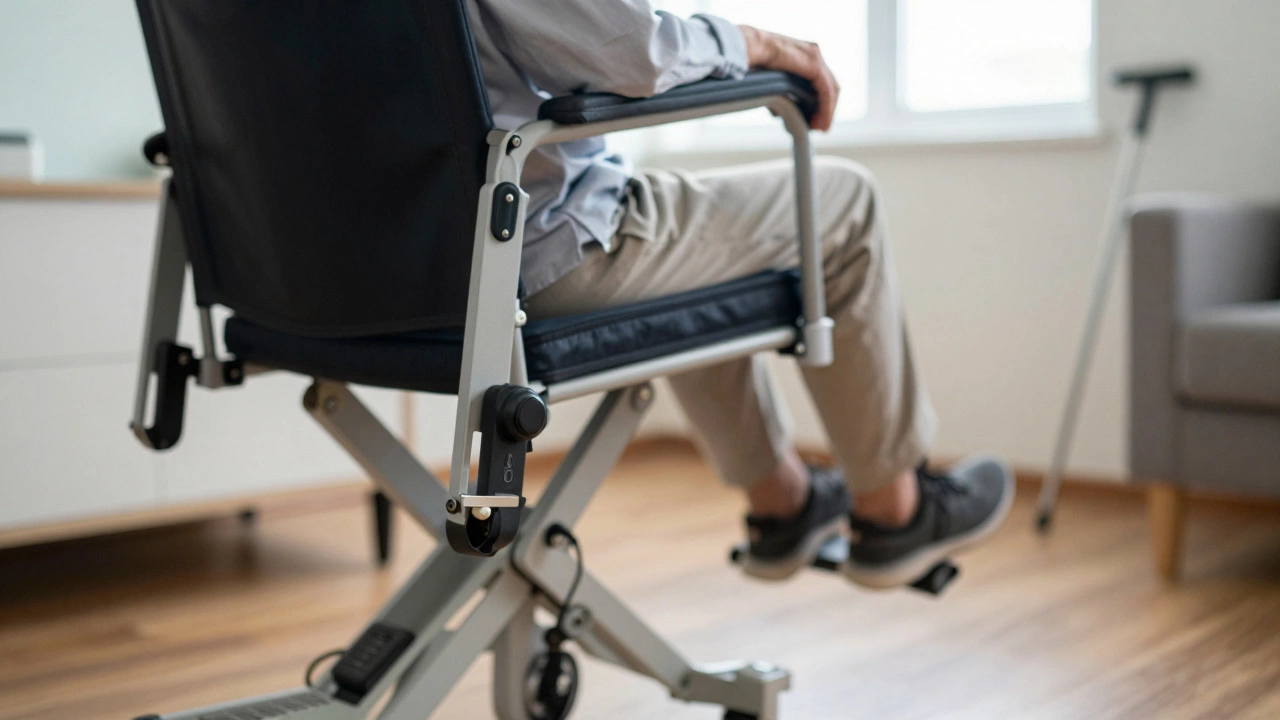
What Percentage Does Medicare Pay for a Lift Chair?
Medicare covers only 80% of the lift mechanism in a lift chair, not the entire chair. Learn how to qualify, where to buy, and what you'll really pay out of pocket.
View more