Plastic Wrap Furniture: What It Is and Why It Doesn't Belong in Your Home
When people think of protecting furniture during moves or storage, plastic wrap furniture, the practice of wrapping sofas, chairs, and tables in thin plastic film to shield them from dust and moisture. Also known as cling film furniture covering, it’s a common shortcut—but one that often backfires. That clear plastic you see on moving trucks? It’s not designed for long-term use on wood, fabric, or leather. It traps moisture, encourages mold, and can leave sticky residue that’s nearly impossible to remove without damaging your pieces.
Instead of plastic wrap, real furniture protection relies on breathable materials like cotton moving blankets, thick, woven covers that allow air to circulate while blocking dust and minor scrapes. For long-term storage, furniture storage covers, specifically designed with moisture-wicking fabrics and reinforced seams are the standard. Even polyester dust sheets, lightweight but non-sealing covers used in homes and warehouses are better than plastic. Plastic doesn’t breathe. It turns your sofa into a steam room, especially in humid climates like the UK. You might think you’re saving money by using free plastic wrap from the kitchen, but you’re risking warping, staining, and mildew—costing you far more in repairs or replacements.
Look at the posts below. You’ll find real advice on how to protect your furniture during storage, what fabrics actually work, and how to avoid the mistakes people make when they think plastic is enough. There’s no magic trick—just the right materials, the right timing, and a little common sense. The goal isn’t to cover your furniture. It’s to keep it safe. And plastic wrap? It’s the opposite of safe.
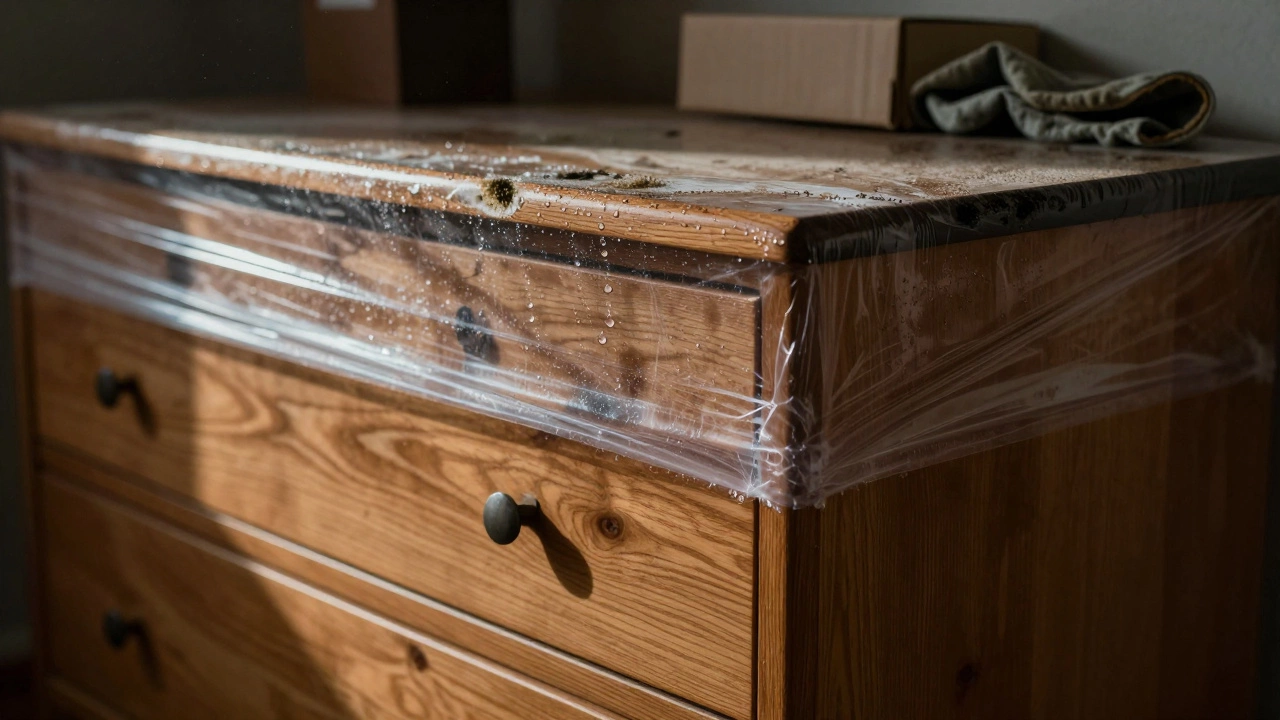
Is It Safe to Store Furniture Wrapped in Plastic? What Experts Say
Storing furniture in plastic might seem safe, but it traps moisture and causes mold, warping, and finish damage. Learn why breathable covers and climate control are far better options.
View more