Plastic Wrapping Furniture: How to Protect Your Pieces Without Damaging Them
When you’re moving or storing furniture, plastic wrapping furniture, the practice of covering furniture in plastic sheeting to shield it from dust, moisture, and scratches during transport or storage. Also known as furniture moving wrap, it’s a common step—but done wrong, it can cause more harm than good. Many people think any plastic wrap will do, but that’s where things go south. Plastic traps moisture against wood, fabric, or leather, leading to mold, warping, or permanent stains. It’s not about covering it up—it’s about protecting it right.
Think of furniture storage cover, breathable, non-plastic materials designed specifically to shield furniture without trapping humidity. Also known as moving blankets or furniture pads, these are what professionals use for high-value pieces like bamboo sofas or vintage armoires. They let air circulate while blocking dust and minor bumps. Plastic might seem cheaper, but if your $800 sofa ends up with mildew under the wrap, you’re out more than the cost of proper covers. Then there’s moving furniture storage, the entire process of preparing, packing, and storing furniture for long-term or short-term relocation. Also known as home moving preparation, it’s not just about wrapping—it’s about lifting, padding, labeling, and stacking smartly. If you’re storing furniture in a garage, basement, or storage unit, humidity levels matter more than you think. Bamboo, which is used in many of our pieces at Bamboo Tiger, is especially sensitive to moisture swings. Plastic can turn a dry storage unit into a steam room overnight.
So what’s the right way? Start by cleaning everything first—dust, pet hair, crumbs. Then use cotton sheets or moving blankets to wrap frames and legs. Secure with tape, not tight plastic. For delicate surfaces, add a layer of acid-free paper before anything else. Only use plastic as a final outer layer if you’re dealing with rain or heavy dust—and even then, leave a small gap at the bottom for airflow. If you’re storing for more than a few weeks, check every month. Condensation builds fast, and it doesn’t care how expensive your furniture is.
The posts below show real cases: how people ruined their couches with plastic, how others saved their armoires with the right cover, and what materials actually work in UK weather. You’ll find tips on what to use for leather, how to wrap glass tops without cracking them, and why some ‘furniture protection’ products are just expensive plastic with a fancy label. This isn’t about buying more stuff—it’s about using what you have, the right way.
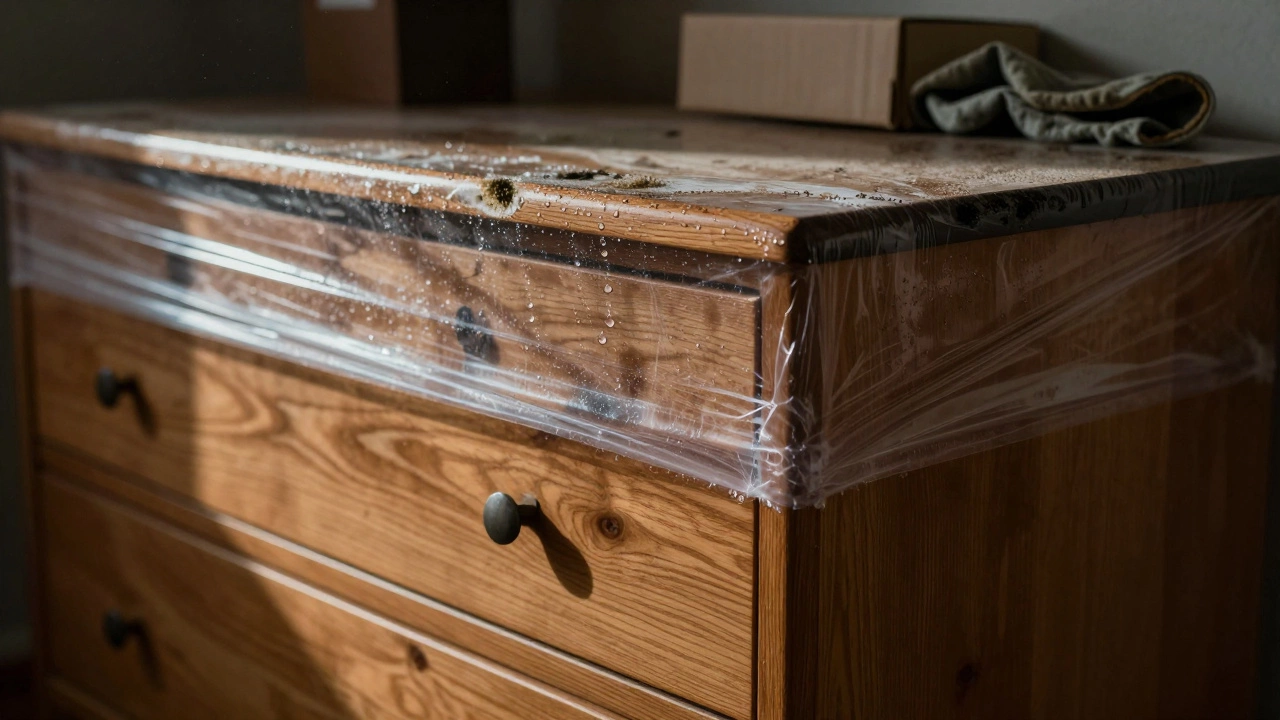
Is It Safe to Store Furniture Wrapped in Plastic? What Experts Say
Storing furniture in plastic might seem safe, but it traps moisture and causes mold, warping, and finish damage. Learn why breathable covers and climate control are far better options.
View more