Queen Elizabeth I and Her Influence on Furniture and Home Design
When we think of Queen Elizabeth I, the powerful monarch who ruled England from 1558 to 1603 and defined the Elizabethan era. Also known as the Virgin Queen, she didn’t just shape politics—she transformed how homes looked. Her court demanded grandeur, and that demand spilled into every corner of English life, including the furniture people sat on, slept in, and stored their clothes in.
During her reign, Tudor furniture, heavy, carved wooden pieces made from oak and decorated with mythological or floral motifs became the standard for wealthy households. These weren’t just functional—they were status symbols. Armoires grew taller, chairs got more elaborate backs, and beds turned into towering structures with curtains and carved posts. The Elizabethan style, a blend of Gothic structure and Renaissance ornamentation favored symmetry, deep carving, and dark, rich finishes. You’d see lions, unicorns, and even mermaids carved into the legs of tables. This wasn’t decoration for decoration’s sake—it was power made visible.
Queen Elizabeth I didn’t design these pieces herself, but her taste set the tone. Her portraits show her surrounded by massive, ornate furniture, reinforcing the idea that a home’s interior reflected the owner’s rank. That mindset stuck. Even today, when people look for antique wardrobes or heavy wooden dining sets, they’re often chasing that Elizabethan look. Modern designers still borrow from it—think dark oak coffee tables with intricate legs, or bookshelves that look like they came straight out of a royal palace.
The connection between her rule and today’s furniture isn’t just aesthetic. It’s about values. Back then, craftsmanship mattered. Furniture was built to last, not to be thrown away. That’s why many of the pieces from her time still exist—and why modern buyers pay thousands for a well-preserved armoire or clothes press. It’s the same reason people now care about solid wood frames, hand-stitched upholstery, and durable finishes. The desire for quality didn’t start with sustainability trends—it started with a queen who demanded nothing less than the best.
What you’ll find in the posts below isn’t a history lesson—it’s a practical look at how Elizabethan design choices still affect what we buy, how we store things, and what we consider "good furniture." From the weight of an old wardrobe to the way a sofa’s shape echoes a 16th-century chair, these connections are real. And they’re not just for collectors. They’re for anyone who’s ever wondered why certain furniture looks the way it does—and whether it’s worth the investment.
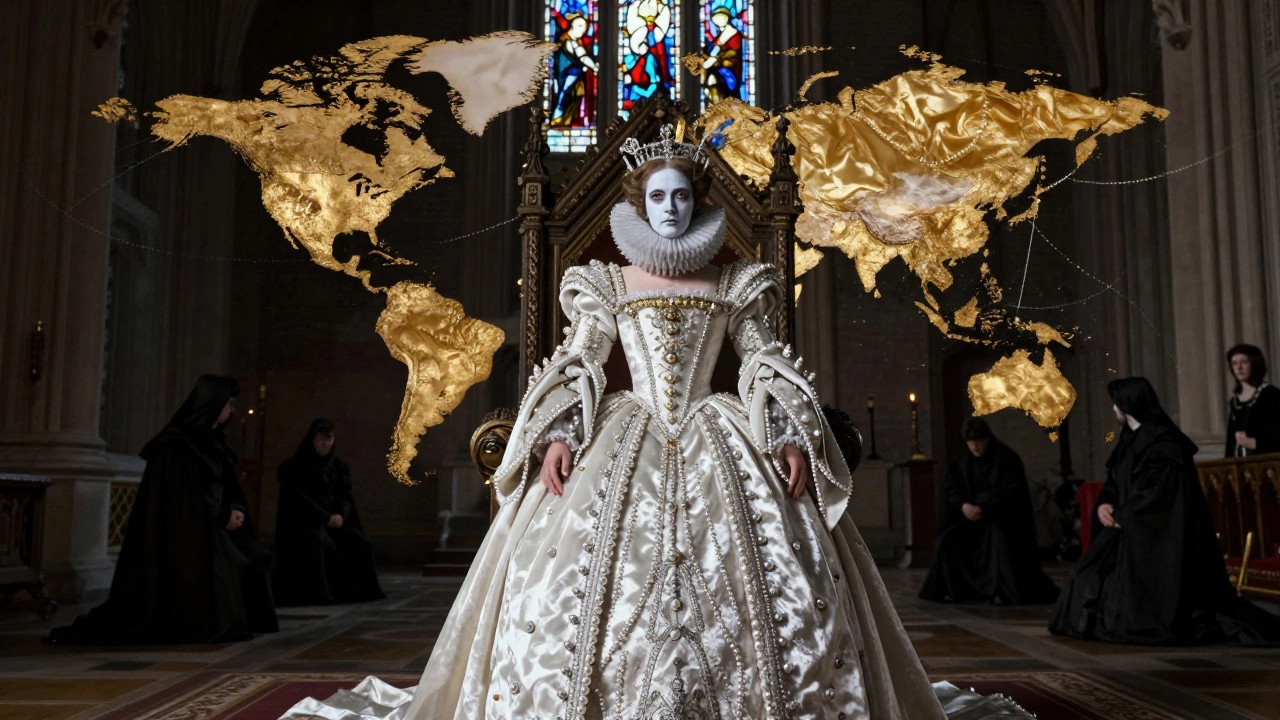
Why Did Queen Elizabeth I Dress the Way She Did?
Queen Elizabeth I used her wardrobe as a tool of power, politics, and propaganda. Every garment was carefully chosen to project authority, reinforce her image as the Virgin Queen, and assert England’s global influence.
View more