 26
Nov,2026
Japanese Sofa Bed Matchmaker
Answer these questions to see if a minimalist Japanese-style convertible bed fits your home better than a traditional bulky sleeper sofa.
You have a guest coming over tonight. Your apartment is cozy-maybe too cozy. You don’t have room for a dedicated guest bed, and dragging out an inflatable mattress feels like a downgrade from your current lifestyle. Enter the Japanese sofa bed, a piece of furniture that solves this exact problem by blending traditional minimalism with modern engineering. Unlike bulky Western pull-out couches that weigh a ton and require three steps to convert, these beds are designed for efficiency, lightness, and seamless integration into tight spaces.
But what actually makes them "Japanese"? Is it just a marketing term, or is there real design philosophy at play? If you’re tired of choosing between comfort and floor space, understanding how these hybrid pieces work can save you hundreds of dollars and a lot of frustration. Let’s break down exactly what a Japanese sofa bed is, why they’re gaining traction in urban homes worldwide, and how to pick one that won’t leave you with back pain at 3 AM.
The Core Concept: Minimalism Meets Functionality
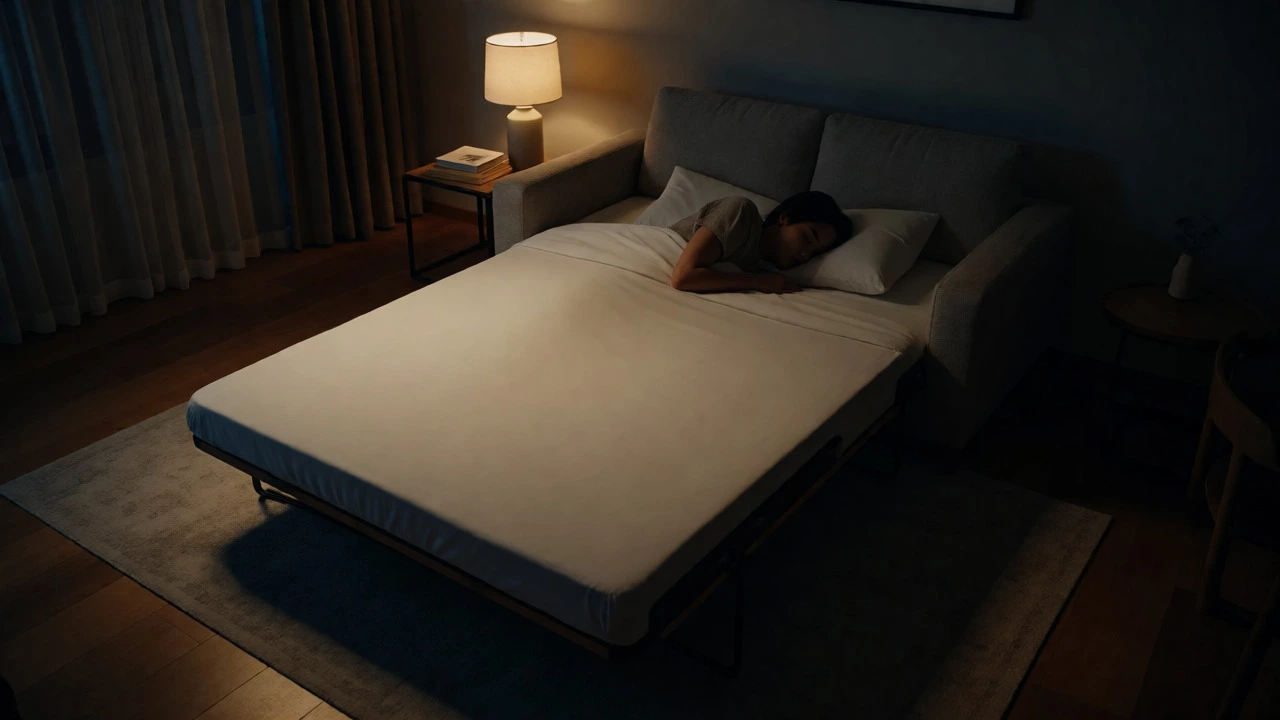
At its heart, a Japanese sofa bed is a type of convertible furniture that transforms from a compact seating area into a full-sized sleeping surface without requiring complex mechanisms or heavy lifting. It draws inspiration from the traditional Japanese futon, which is simply a thin mattress laid on the floor during the day and stored away at night. However, the modern version adds structure, support, and style suitable for Western living rooms.
The key difference lies in the mechanism. Traditional American sofa beds often use a metal frame that folds awkwardly, creating gaps and lumps where you sleep. Japanese-inspired designs typically rely on two main approaches:
- Foldable Floor Beds: These sit low to the ground. The seat cushions unfold to become the mattress base. No metal frames, no springs digging into your back.
- Convertible Futon Frames: Wooden or bamboo frames that allow a thick mattress to fold in half. When open, it’s a bed; when folded, it’s a bench or chair.
This simplicity isn’t just about aesthetics. In Japan, where average living spaces are significantly smaller than in the US or Europe, every square inch counts. Furniture must do double duty. By removing the bulky internal mechanics found in standard sleeper sofas, manufacturers reduce weight and increase durability. There’s less to break because there’s less hardware involved.
Why Choose One Over a Standard Sleeper Sofa?
Let’s be honest: most conventional sleeper sofas are terrible to sleep on. They’re heavy, hard to assemble, and often feel like you’re lying on a wire mesh sandwiched between foam layers. A Japanese-style alternative offers distinct advantages if you value ease of use and health.
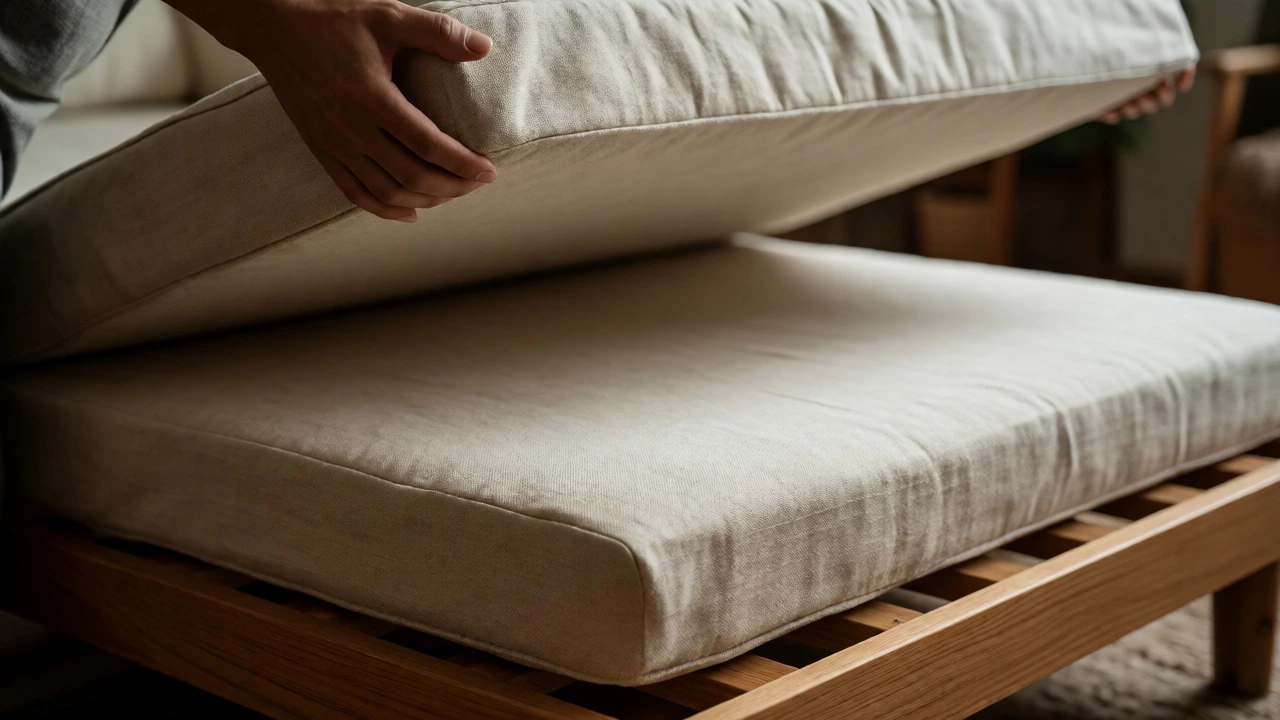
First, consider the setup time. With a standard pull-out, you might spend five minutes wrestling with legs and locking mechanisms. With a foldable Japanese model, it takes seconds. You lift the seat, unfold the backrest, and flatten the cushions. Done. This matters if you host guests frequently. If setting up the bed is a chore, you’ll hesitate to offer sleepovers.
Second, think about spinal health. Many Japanese designs favor firmer, flatter surfaces. While Western culture often equates softness with luxury, Japanese interior design prioritizes alignment. Sleeping on a firm, flat surface supported by wooden slats or high-density foam promotes better posture. You aren’t sinking into a hammock-like dip that twists your spine overnight.
| Feature | Japanese-Style Sofa Bed | Traditional Pull-Out Sofa |
|---|---|---|
| Weight | Light (15-40 lbs) | Heavy (80-150+ lbs) |
| Mechanism | Folding fabric/wood frame | Metal scissor mechanism |
| Sleep Surface | Firm, continuous foam/mattress | Often segmented, wire-heavy |
| Cleanup | Easy to vacuum around | Dust traps in mechanism |
| Aesthetic | Minimalist, natural materials | Bulky, upholstered box |
Anatomy of the Design: Materials and Mechanics
To spot a genuine quality piece, you need to know what goes into making it. Authenticity here isn’t about country of origin alone-it’s about construction principles.
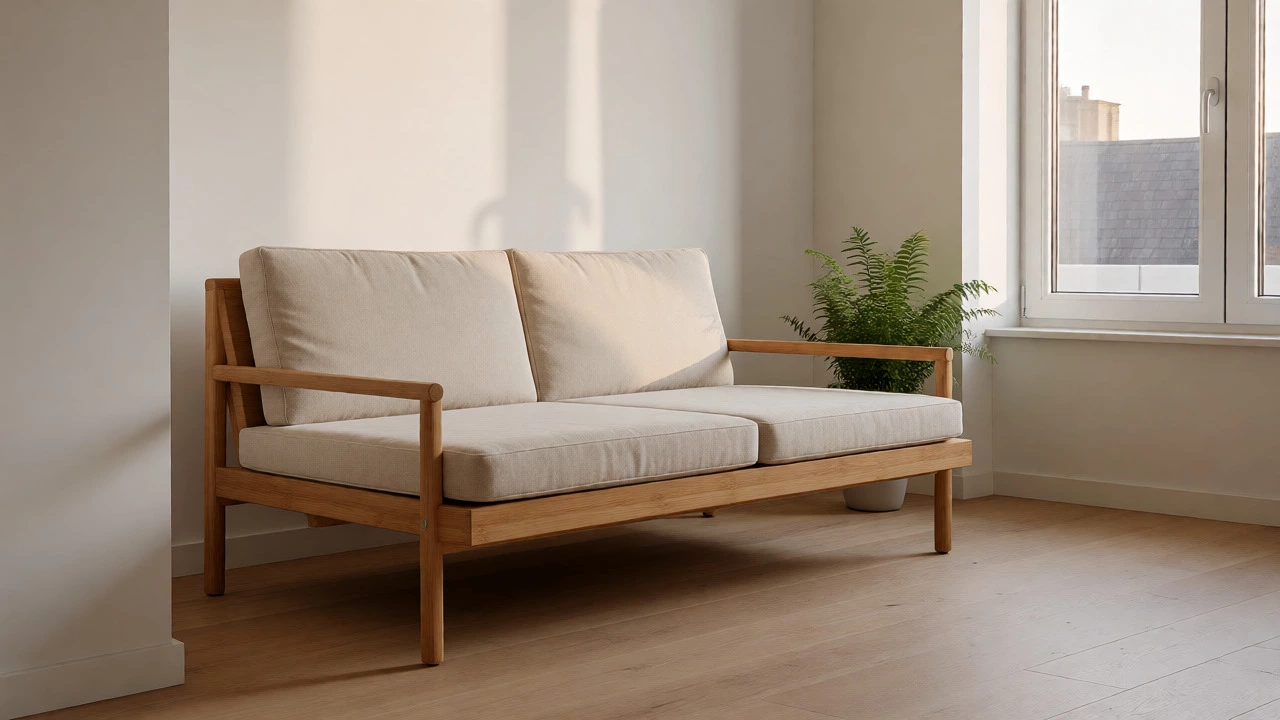
The Frame: Look for solid wood like oak, ash, or bamboo. Bamboo is particularly popular because it’s strong yet lightweight. Avoid particleboard if possible; it doesn’t hold screws well when subjected to repeated folding motions. Some modern versions use aluminum alloy frames for extra lightness, but wood provides better stability and warmth.
The Mattress/Cushion: This is where comfort lives. High-quality models use multi-layer foam. The bottom layer is dense support foam (high density), while the top layer is softer memory foam or latex for contouring. Cheaper versions use low-density polyurethane that flattens after six months. Check the thickness-anything under 4 inches will likely reveal the frame underneath when you lie down.
The Cover: Removable, washable covers are non-negotiable. Since these items sit close to the floor, they collect dust and pet hair faster than raised sofas. Cotton-linen blends are breathable and durable. Synthetic fabrics might stain easier but clean quicker.
Who Needs This Furniture?
Not everyone should buy a Japanese sofa bed. It’s a specific tool for specific problems. Here’s who benefits most:
- Studio Apartment Dwellers: If your bedroom is also your living room, this saves massive space. During the day, it looks like a stylish lounge chair. At night, it’s a bed.
- Frequent Hosts: If friends crash on your couch more than twice a month, the speed of conversion becomes valuable currency.
- Back Pain Sufferers: People who find traditional mattresses too soft often prefer the firm support of a futon-style bed.
- Eco-Conscious Buyers: Less metal, less plastic, and often more sustainable materials make these greener choices than mass-produced steel-frame sofas.
Conversely, skip this if you need deep, plush lounging for movie marathons. The seats are usually shallower and firmer. Also, if you have mobility issues involving bending down, the low profile might be difficult to get in and out of.
Common Pitfalls and How to Avoid Them
Buying online can be tricky because photos don’t convey texture or firmness. Here are three mistakes people make-and how to fix them.
Ignoring the Fold Line: Every convertible has a seam where it folds. On cheap models, this seam is weak or creates a ridge. Test the fold before buying. If possible, lie on it in-store. Feel for the gap. Good designs align the cushion segments perfectly so the seam disappears under body weight.
Underestimating Height: Most Japanese sofa beds are low-profile, sitting 6-10 inches off the ground. If you’re tall or have knee issues, getting up from this height requires effort. Measure your existing furniture to ensure it fits your aesthetic and physical needs. Some models come with optional leg extensions, but check availability first.
Forgetting Maintenance: Because these beds lack a rigid internal spring system, the foam bears all the stress. Rotate the mattress regularly if it’s removable. Vacuum the crevices weekly. If you spill something, act fast-fabric absorption rates vary wildly between linen and polyester.
Styling Tips for Small Spaces
Integrating this piece into your home shouldn’t feel like you’re living in a dorm room. Use these tricks to elevate the look:
Pair the neutral tones common in Japanese design (beige, gray, white) with textured throw pillows. This adds visual interest without clutter. Add a low coffee table nearby to maintain the horizontal line of sight, keeping the room feeling open. Plants work wonders here-a potted fern next to a bamboo-framed bed enhances the organic vibe.
If you choose a darker wood finish, contrast it with lighter walls. This prevents the furniture from dominating a small corner. Remember, the goal is invisibility during the day. The bed should blend into the background until needed.
Final Thoughts on Longevity
A good Japanese sofa bed lasts years, not months. But longevity depends on usage. If you sleep on it every night, expect 3-5 years of optimal comfort. If it’s occasional guest use, it could last a decade. Treat the foam gently. Don’t jump on it. Keep pets’ nails trimmed to prevent snagging the fabric.
Ultimately, this furniture represents a shift in mindset. It asks you to prioritize function over excess. It challenges the idea that a sofa must be big and heavy to be luxurious. For many urbanites, the luxury is having their space back during the day, knowing a comfortable bed is ready whenever life demands it.
Is a Japanese sofa bed comfortable for daily sleeping?
It depends on the mattress quality. High-density foam or latex-topped models are quite comfortable for nightly use, especially for side and stomach sleepers. Back sleepers generally love the firm support. However, if you prefer a cloud-like sink-in feel, you might miss the deep cushioning of a traditional mattress. Adding a mattress topper can bridge this gap.
How much weight can these beds hold?
Most sturdy models support between 250 and 400 pounds combined. Always check the manufacturer's specific weight limit. Lighter bamboo frames may have lower limits than solid oak ones. Exceeding the limit can warp the frame or compress the foam unevenly.
Can I wash the entire sofa bed?
Usually, only the outer cover is machine washable. The inner foam core cannot be washed. Spot-clean stains immediately. If the cover is removable, zip it off and wash according to care labels. Never put the foam itself in water, as it acts like a sponge and takes days to dry, risking mold.
Do they damage hardwood floors?
Low-profile furniture sits directly on the floor, which can trap moisture and scratch finishes. Use felt pads under any wooden legs or frame corners. Consider placing a rug underneath to protect both the floor and the bottom of the mattress from dust accumulation.
Are Japanese sofa beds expensive?
Prices range widely. Basic foldable fabric models start around $100-$200. High-end wooden frames with premium memory foam mattresses cost $500-$1,000+. Compared to a quality traditional sleeper sofa ($800-$2,000), they are often more affordable upfront and cheaper to maintain long-term.