 29
Jun,2026
29
Jun,2026
33 Wardrobe Challenge Planner
Select the number of items for each category. Remember: Underwear, gym wear, and sleepwear do not count!
Wardrobe Status
- Balance Score -
- Variety Index -
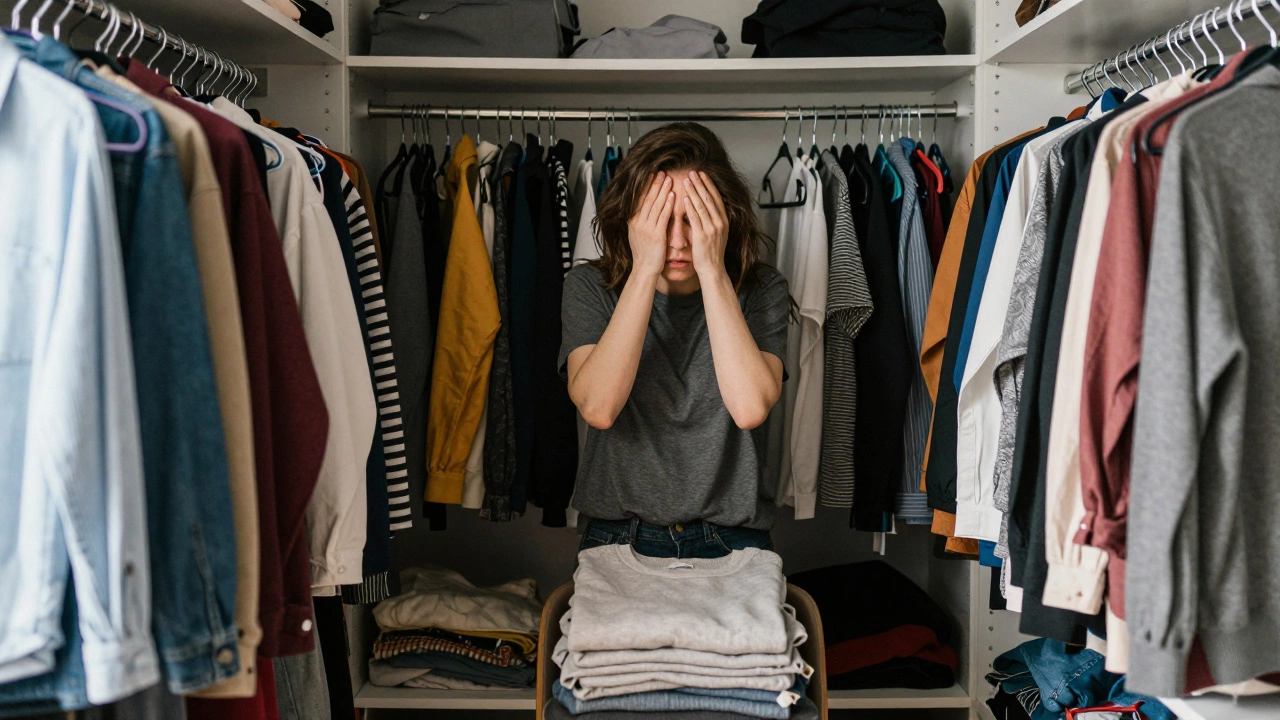
Ever opened your closet and felt completely paralyzed by choice? You’re staring at hundreds of hangers, yet you swear you have "nothing to wear." It’s a frustrating paradox that millions of people face every morning. The solution isn’t buying more clothes-it’s buying fewer, better ones. This is where the 33 wardrobe rule comes in.
The 33 wardrobe rule is a specific method for creating a capsule wardrobe. It challenges you to curate exactly 33 items of clothing and accessories to last you through an entire season (roughly three months). No more, no less. This concept gained massive popularity on TikTok and Instagram around 2021-2022, but its roots go back decades to the idea of intentional living. It’s not just about minimalism; it’s about reducing decision fatigue and building a style that actually works for your daily life.
How the 33 Wardrobe Rule Actually Works
The math is simple: 33 items total. However, there are strict rules about what counts and what doesn’t. If you don’t follow the guidelines, the challenge loses its purpose. Here is the breakdown:
- The Count: You get 33 slots for tops, bottoms, dresses, outerwear, shoes, bags, jewelry, and accessories.
- The Exclusions: Work uniforms, gym clothes, sleepwear, and underwear do not count toward the 33. They are considered functional necessities, not style choices.
- The Duration: The challenge lasts for one season (e.g., Autumn/Winter or Spring/Summer). When the season changes, you reset and pick a new 33 items.
- The Swap: If you buy something new, you must remove an old item from your 33 to keep the number constant.
Why 33? Why not 30 or 50? The number 33 is arbitrary but strategic. Thirty might feel too restrictive for most people, leading to early failure. Fifty feels like too much work to organize. Thirty-three sits in the sweet spot: enough variety to mix and match outfits without feeling repetitive, but limited enough to force conscious decisions.
Why People Are Obsessed with This Trend
You might wonder why this specific number blew up online. The answer lies in psychology and sustainability. In our digital age, we suffer from "choice overload." Studies show that having too many options leads to anxiety and poorer decision-making. By limiting your wardrobe to 33 items, you eliminate the daily stress of choosing what to wear.
There’s also a strong financial incentive. Fast fashion encourages us to buy cheap, low-quality items that fall apart quickly. The 33 wardrobe rule forces you to invest in higher-quality pieces because they need to withstand frequent wear. Instead of spending $20 on a shirt that pills after two washes, you spend $80 on one that lasts five years. Over time, this saves money and reduces textile waste.
Furthermore, it aligns with the growing movement toward Sustainable Fashion which focuses on reducing environmental impact through ethical production and consumption habits.. By wearing what you already own, you lower your carbon footprint significantly.
Step-by-Step: How to Start Your 33 Wardrobe Challenge
Starting can feel daunting, but breaking it down makes it manageable. Here is how to execute the challenge effectively:
- Pick Your Season: Don’t try to do all-year-round clothing unless you live in a climate with mild temperatures year-round. Focus on the current season. If it’s June in Melbourne, you’re looking at late autumn/winter layers.
- Empty Your Closet: Take everything out. Lay it on your bed or floor. This visual shock helps you see how much you actually own.
- The Try-On Session: Put on each item. Does it fit? Do you love it? Have you worn it in the last six months? Be honest. If it pinches, fades, or makes you feel uncomfortable, let it go.
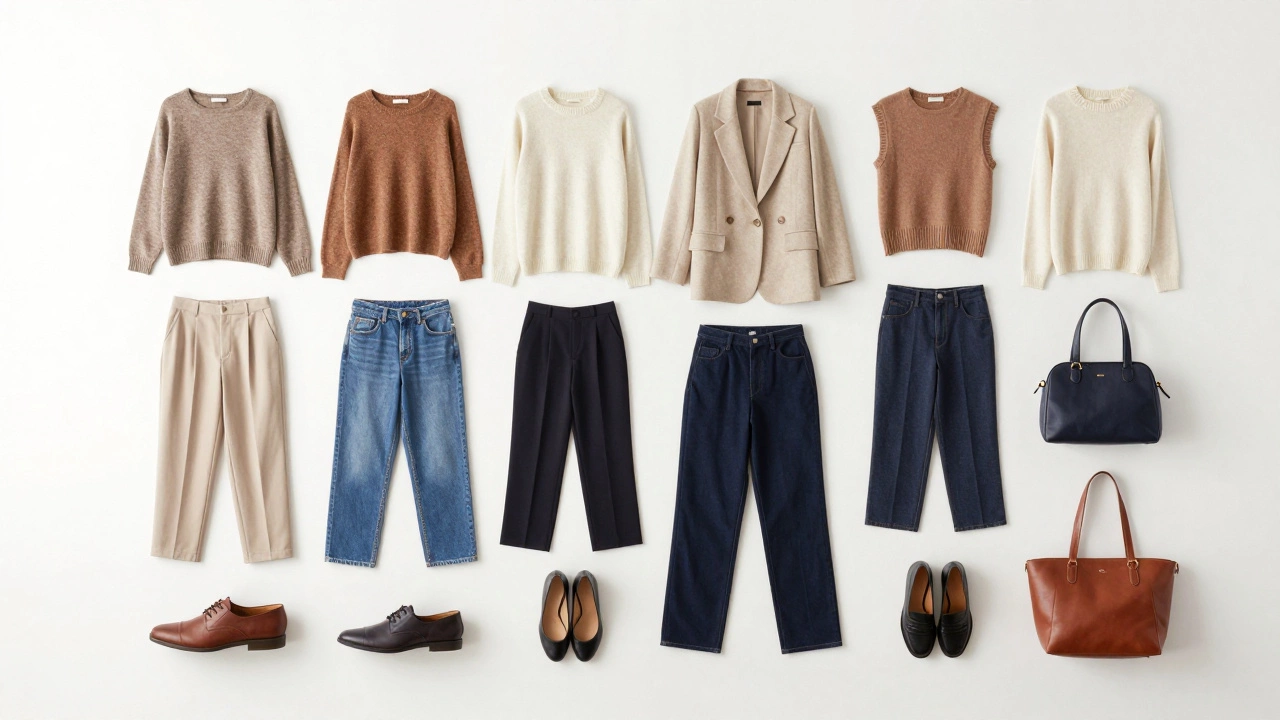
- Categorize and Count: Sort your favorites into categories: tops, bottoms, dresses, outerwear, shoes, accessories. Aim for balance. For example, you might choose 10 tops, 8 bottoms, 3 dresses, 4 outerwear pieces, 3 pairs of shoes, and 5 accessories.
- Identify Gaps: Look at your 33 items. Can they all mix and match? If you have three black skirts but no neutral tops to go with them, you have a gap. Buy or thrift one versatile top to fill it.
- Store the Rest: Put the non-challenge items in a box or off-season storage. Out of sight, out of mind.
Common Mistakes to Avoid
Even with a clear plan, people often stumble. Here are the most common pitfalls:
| Mistake | Why It Fails | Better Approach |
|---|---|---|
| Ignoring Accessories | Accessories change the vibe of an outfit. Without them, 33 items look boring. | Include scarves, belts, and jewelry in your count. They add variety without taking up space. |
| Picking Trends Over Basics | Trendy items date quickly and don’t mix well with other pieces. | Focus on timeless staples like denim, white tees, and blazers. Add one trendy piece max. |
| Forgetting Weather Changes | A sudden cold snap can ruin your outfit plans if you only packed light layers. | Check the forecast. Include versatile layering pieces like cardigans or lightweight jackets. |
| Not Trying Things On | Items may look good hanging but fit poorly on your body. | Always try on every candidate item before finalizing your list. |

Is the 33 Wardrobe Rule Right for You?
This challenge isn’t for everyone. If you work in a profession requiring formal attire, creative costumes, or specialized safety gear, the standard 33 rule might be too rigid. However, you can adapt it. Some people use the "33 plus" method, keeping their core 33 items plus a separate drawer for work-specific or hobby-specific gear.
Parents with young children might find it hard to keep clothes clean enough to rotate within 33 items. In that case, consider doubling the number to 66 or focusing on a smaller category, like just tops and bottoms.
Ultimately, the goal is freedom, not restriction. If counting every sock stresses you out, the system needs tweaking. The best wardrobe is one that serves your life, not one that dictates it.
Building a Sustainable Style Long-Term
Once you complete one season of the 33 wardrobe rule, you’ll likely notice changes in your shopping habits. You’ll stop impulse buying. You’ll read labels more carefully. You’ll appreciate fabric quality. This shift is the real win.
To maintain this momentum, practice the "one in, one out" rule permanently. Before bringing a new item home, ask yourself: Does this replace something I already own? Does it match at least three other items in my closet? If the answer is no, leave it in the store.
Also, learn basic mending skills. Sewing a button or fixing a hem extends the life of your garments. Many communities offer free repair workshops, which are great resources for maintaining your curated collection.
Does underwear count towards the 33 wardrobe rule?
No, underwear, socks, sleepwear, and workout clothes are excluded from the count. They are considered essential functional items, not part of your daily style rotation.
Can I include jewelry in my 33 items?
Yes, jewelry counts as accessories. You should include necklaces, bracelets, earrings, and watches in your total of 33. These small items can drastically change the look of an outfit, so they are valuable to include.
What if I need to buy something new during the challenge?
If you buy a new item, you must immediately remove one existing item from your 33 to keep the total constant. This "swap" rule ensures you stay mindful of your consumption and don't accumulate clutter.
How long does the 33 wardrobe challenge last?
The challenge typically lasts for one season, which is approximately three months. At the end of the season, you evaluate your items, discard or donate what you didn't wear, and select a new set of 33 for the next season.
Is the 33 wardrobe rule suitable for all climates?
It works best when tailored to your local climate. If you live in a place with extreme weather shifts, you might need to adjust the types of items you choose (e.g., more layers in colder regions). You can also exclude heavy winter coats from the count if they are bulky and rarely removed indoors.