 20
Sep,2026
20
Sep,2026
Sofa Placement Simulator
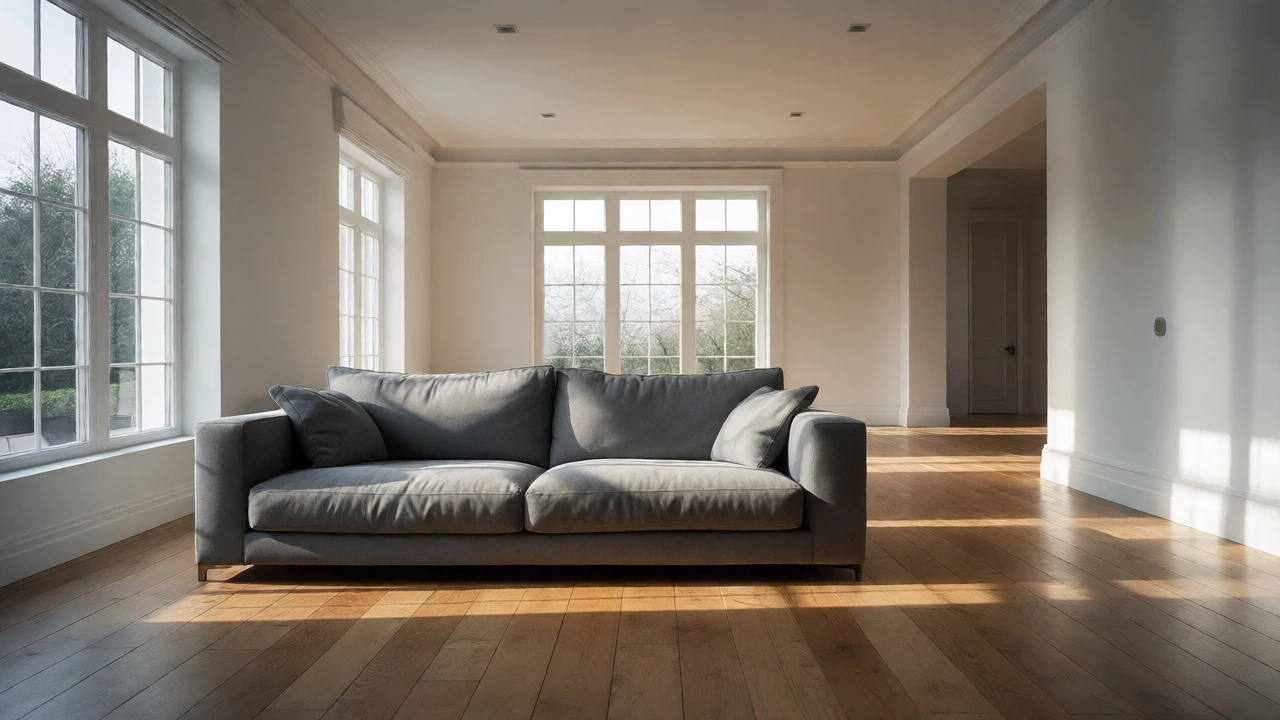
Move the slider below to see how pulling your couch away from the wall changes the room's dynamic. Observe the visual cues for "Waiting Room" vs. "Conversation Zone".
Status: Wall-Hugging
This setup often creates a large central void and makes conversations linear and stiff.
Quick Tips for Floating Your Sofa
- ✅ Leave 6-12 inches gap for airflow and cleaning access.
- ✅ Keep seating within 8 feet of each other for easy conversation.
- ✅ Use a console table or rug behind the sofa to anchor the space.
- ❌ Avoid blocking main walkways (keep at least 30 inches clear).
Walk into most living rooms and you’ll see the same mistake: a massive couch pushed flush against the wall. It feels safe. It feels logical. We’re taught from childhood that furniture belongs on the perimeter, leaving the center open for play or traffic. But in interior design, this default setting is often the biggest barrier to creating a space that feels intentional, cozy, and functional. Pushing your sofa against the wall doesn’t just waste square footage; it kills conversation flow, makes small rooms look smaller, and turns your living area into a waiting room rather than a home.
The Myth of Maximum Space
Here’s the counter-intuitive truth: pulling your couch away from the wall actually makes your room feel bigger. When furniture hugs the edges, it creates a large, undefined void in the middle of the room. This empty patch of floor can make the space feel cavernous and cold, like a cafeteria or a hotel lobby. By floating the sofa-pulling it out six to twelve inches from the wall-you define a specific zone. You create boundaries without building walls. This technique, known as "floating" furniture, anchors the seating area and draws the eye inward, making the room feel more intimate and curated.
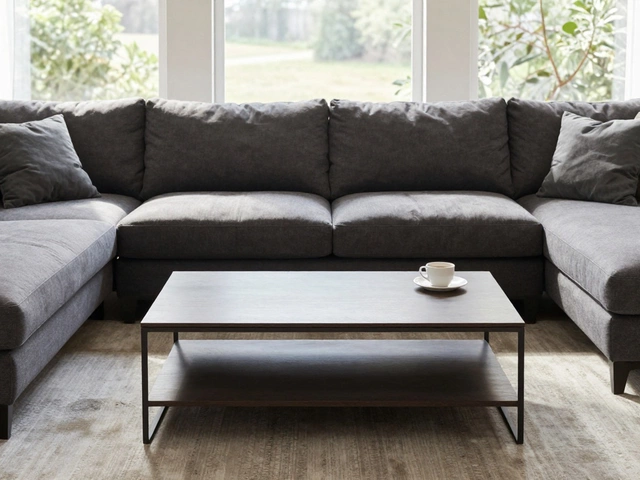
Think about how we use our spaces. If you have a corner sofa, pushing it back often means losing access to the natural curve of the piece. A corner sofa is designed to wrap around people, not just sit there. When it’s jammed against the wall, the return leg becomes a dead end. Pull it forward, and suddenly that return becomes a divider between your lounge area and your dining space or entryway. It transforms a bulky object into a functional architectural element.
Conversation Flow and Social Dynamics
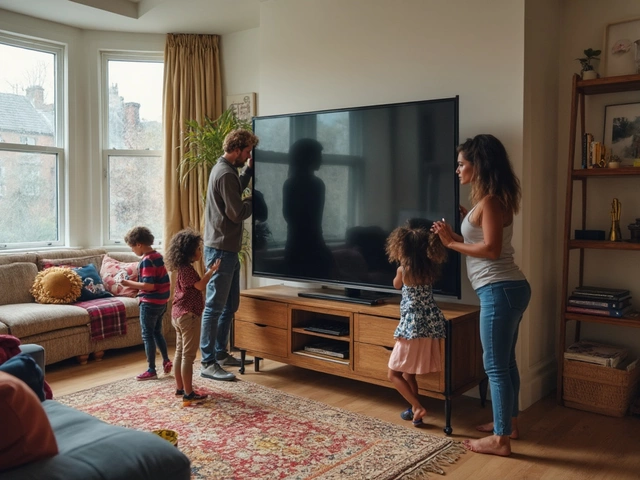
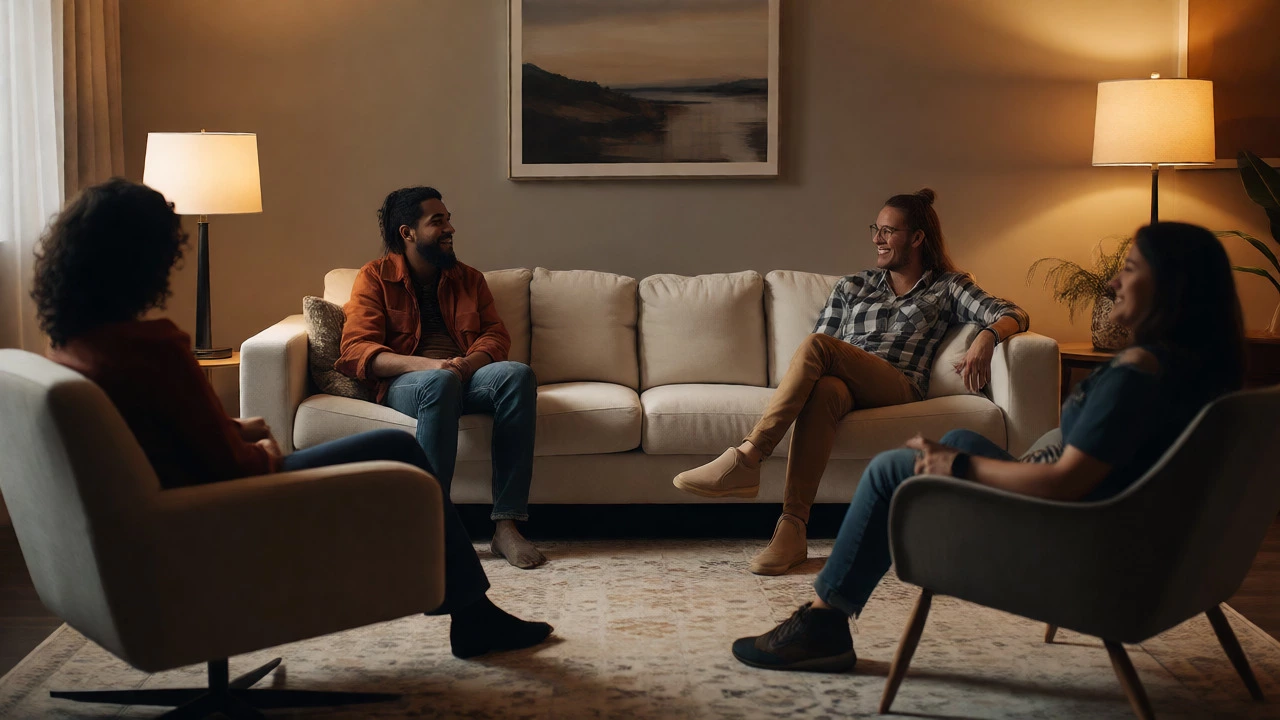
Furniture placement dictates human behavior. When everyone sits in a straight line against a wall, conversations become linear and stiff. People tend to shout across the room or turn their necks uncomfortably to speak to someone on the far end. Floating the couch allows you to angle it toward other seating, such as armchairs or ottomans. This creates a conversational circle where eye contact is easy and body language is open.
This is especially critical if you host guests. In a standard "wall-hugging" layout, the host usually ends up sitting apart from the group, often on a side chair or standing up. By arranging the couch centrally, you integrate yourself into the group dynamic. The distance between seats should ideally be no more than eight feet. Any further, and you have to raise your voice. Any closer, and personal space vanishes. Finding that sweet spot requires moving the couch off its usual grid.
Practical Benefits You Might Have Missed
Beyond aesthetics, there are hard practical reasons to ditch the wall-bound setup. First, consider cleaning. Dust bunnies love to accumulate behind sofas. If your couch is tight against the wall, vacuuming back there is a nightmare of bending and contorting. Leave a gap, and you can slide a vacuum nozzle behind easily. Second, think about air circulation. Walls can be cold, especially in older Melbourne homes with single-glazed windows. Sitting directly against a cold wall can chill your back. A small buffer zone helps insulate you from drafts.
Then there’s the issue of damage. Constant friction against paintwork leaves scuff marks. Even with felt pads, heavy furniture shifts slightly over time, rubbing against the plaster. A gap prevents this wear and tear. Plus, if you ever need to move the couch for deep cleaning or rearranging, having already established a "floating" position makes the task less daunting than prying a stuck piece loose.
How to Float Your Sofa Correctly
You don’t need a mansion to float your furniture. Here’s a simple checklist to get started:
- Measure your walkways: Ensure you leave at least 30 inches (76 cm) of walking space between the front of the sofa and any coffee table or TV stand. This prevents the room from feeling cramped.
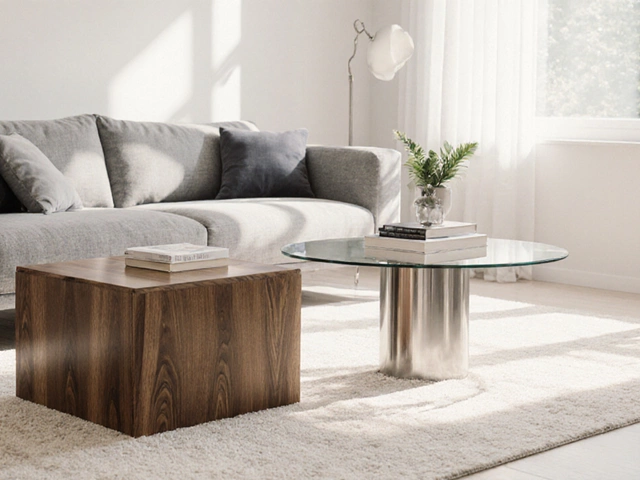
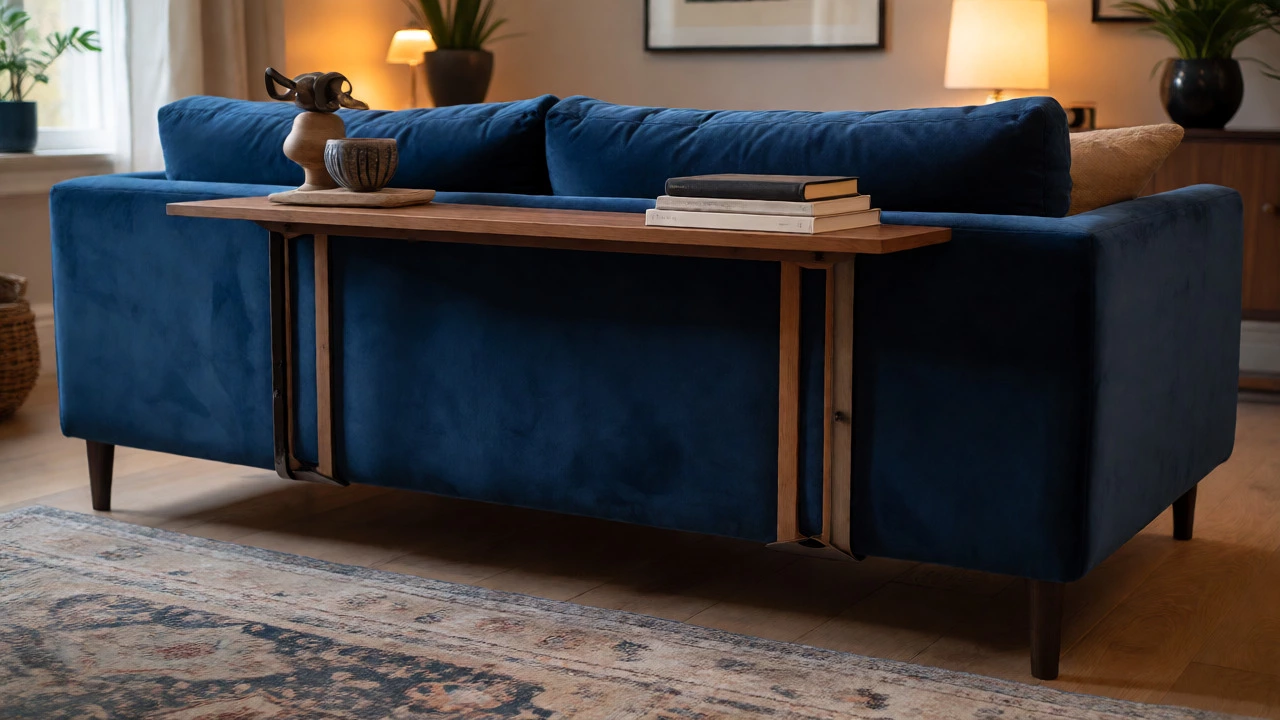
- Use a console table: If you’re worried about the space behind the sofa looking empty, place a narrow console table there. It fills the visual gap and provides storage for remotes, books, or lamps.
- Add a rug: Anchor the floating sofa by placing all front legs (or all four, if space permits) on a large area rug. This visually ties the furniture together and signals that this cluster is a distinct zone.
- Consider lighting: Floor lamps work best when placed beside or behind a floating sofa. They provide better reading light than ceiling fixtures and add warmth to the corners of the room.
When Wall Placement Actually Works
Is floating always the answer? No. Context matters. If you have a very small studio apartment, every inch counts. In these cases, pushing the sofa back might be necessary to maintain clear pathways. Similarly, if your living room is long and narrow, like a corridor, aligning the sofa with the longest wall can help elongate the space visually. However, even in these scenarios, try angling the sofa slightly or adding a side table to break the monotony of the straight line.
Also, consider the source of noise. If your wall shares a boundary with a noisy street or a neighbor’s media room, pulling the couch away might expose you to more sound. In such cases, using heavy curtains or acoustic panels on the wall behind the sofa can mitigate noise while still allowing for a slight gap.
The Psychological Impact of Layout
Your environment shapes your mood. A room that feels arranged with care promotes relaxation. A room that looks like an afterthought-furniture shoved to the edges because it was too heavy to move-can subconsciously signal neglect or lack of control. Taking ten minutes to pull your couch forward changes the energy of the entire house. It says, "This space is meant to be lived in, not just looked at."
Start small. You don’t have to redesign your whole life overnight. Just move the sofa six inches. Notice how the light hits it differently. See how the room breathes. Once you break the habit of the perimeter, you’ll start seeing opportunities everywhere-in the bedroom, the office, the dining area. Furniture isn’t static art; it’s a tool for shaping how we live.
Does floating a sofa make a small room look smaller?
No, it often does the opposite. Pushing furniture to the walls creates a large, undefined central void that can make a room feel empty and cold. Floating the sofa defines a specific zone, which helps the brain perceive the space as organized and intentional, making it feel cozier and more usable.
What do I put behind my sofa if it's not against the wall?
You have several options depending on your needs. A narrow console table is great for storage and display. A tall bookshelf can act as a room divider. Two matching floor lamps can provide ambient lighting. Or, simply leave it empty to maintain an open, airy feel, ensuring the walkway remains clear.
How far should I pull my couch from the wall?
A good rule of thumb is 6 to 12 inches (15 to 30 cm). This is enough to prevent dust accumulation issues and allow for airflow, but close enough that it doesn’t look like the furniture is randomly stranded in the middle of the room. If you have a walkway behind the sofa, ensure you leave at least 30 inches for comfortable passage.
Will floating my sofa block heat sources?
It depends on where your radiators or heating vents are located. If they are under the window and the sofa is near them, floating it might push you away from the direct heat. However, in modern insulated homes, this is rarely an issue. If you do feel cold, consider adding a throw blanket or adjusting the thermostat rather than reverting to wall-placement.
Is this advice valid for corner sofas?
Absolutely. Corner sofas are particularly effective when floated because their L-shape naturally creates a boundary. Pulling it forward allows the return leg to function as a subtle divider between living and dining areas, maximizing the utility of the piece without needing extra partitions.