 16
Jul,2026
16
Jul,2026
Storage Unit Defense Strategy Builder
Select the methods you are currently using or plan to use to protect your storage unit. We will calculate your overall defense score.
Sealed Entry Points
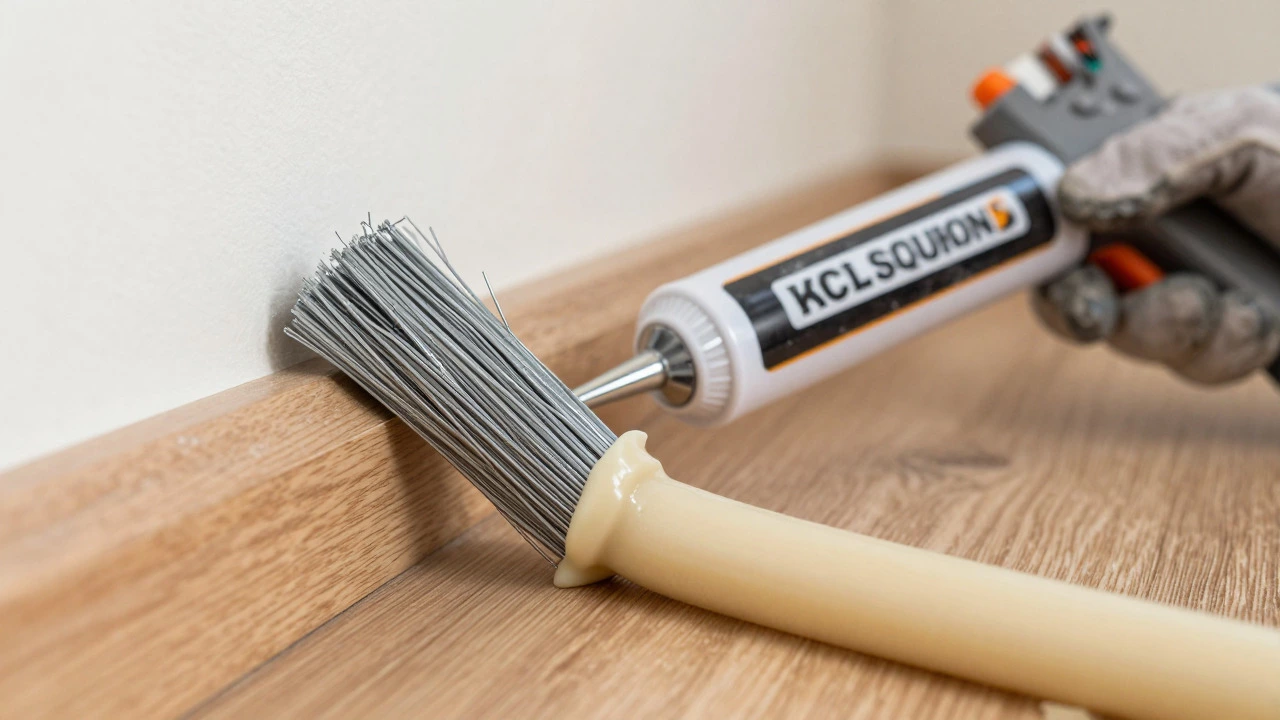
Steel wool + caulk in gaps & cracks.
Door Sweeps
Blocking gaps under cabinet doors.
Snap Traps
Baited with peanut butter/chocolate.
Chemical Sprays/Baits
Used cautiously near stored goods.
Natural Oils
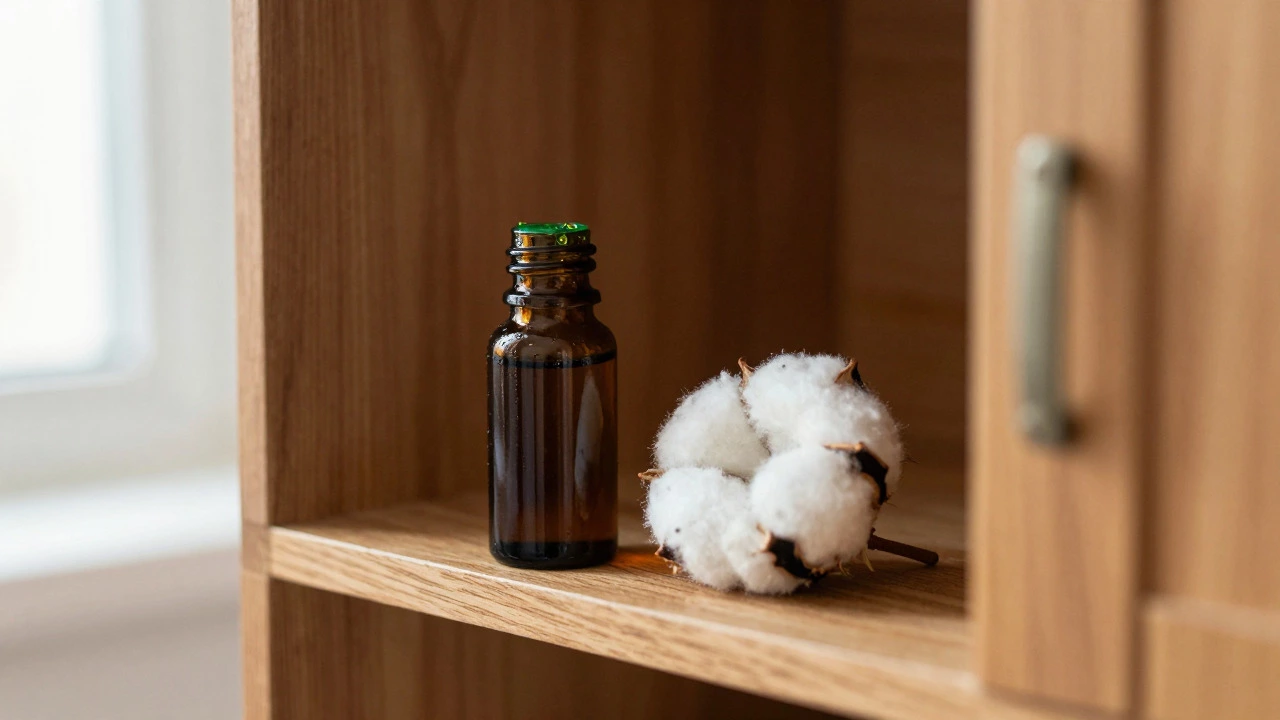
Peppermint/Eucalyptus on cotton balls.
Ultrasonic Devices
High-frequency sound emitters.
Hygiene Control
Airtight containers, no clutter/food.
Your Storage Defense Report
Calculating...
Strategy Breakdown:
Recommendation:
Analysis pending.
There is nothing worse than opening your favorite storage cabinet to find chewed boxes, droppings, or the unmistakable smell of a mouse infestation. It happens more often than you think, especially if your storage units are in garages, basements, or near exterior walls. Mice are opportunistic creatures that seek shelter and food, and your organized storage spaces can look like a five-star hotel to them.
Finding the best mouse repellent isn't just about buying the first spray on the shelf. You need a solution that is effective, safe for your belongings, and easy to maintain. Whether you prefer natural oils, high-tech ultrasonic devices, or traditional traps, understanding what actually works will save you time, money, and a lot of stress.
Why Mice Target Your Storage Furniture
Before picking a repellent, it helps to understand why mice choose your storage unit over a hole in the wall. Mice are driven by three main factors: warmth, shelter, and food sources. Storage cabinets, particularly those made of wood or particle board, provide excellent nesting material. They can gnaw through cardboard boxes, plastic bins (if thin), and even some types of fabric liners to create cozy nests.
If your storage area is unheated but insulated, or if it’s located against an exterior wall where drafts enter, it becomes a prime real estate spot. Additionally, if you store anything with organic materials-like paper documents, cotton clothing, or pet food-the attraction doubles. Understanding this behavior is key to choosing the right defense strategy.
Natural Repellents: Peppermint Oil and Beyond
For many homeowners, chemical sprays feel too harsh for indoor storage areas, especially if children or pets are around. This is where natural repellents shine. The most popular and scientifically backed natural deterrent is peppermint oil. Mice have a highly sensitive sense of smell, and the strong menthol scent in peppermint oil overwhelms their olfactory receptors, making the area unpleasant for them.
To use peppermint oil effectively, you don’t just pour it on the floor. Here is the proper method:
- Soak cotton balls with 100% pure peppermint essential oil.
- Place these soaked cotton balls in corners, behind doors, and inside drawers of your storage unit.
- Replace the cotton balls every 3-5 days, as the scent dissipates quickly.
Other natural options include eucalyptus oil, clove oil, and ammonia-soaked rags (which mimic the smell of predator urine). While ammonia is effective, its pungent odor can linger on fabrics, so use it with caution. Natural repellents are best for prevention rather than eliminating an active, large-scale infestation.

Ultrasonic Repellers: Do They Work?
You’ve likely seen ads for ultrasonic mouse repellers that plug into outlets and emit high-frequency sounds inaudible to humans but supposedly unbearable to rodents. The theory is sound: mice hate loud, erratic noises. However, the reality is mixed.
Studies suggest that ultrasonic devices work best in small, enclosed spaces with few obstructions. Sound waves do not travel well through solid objects like wooden shelves, metal frames, or packed boxes. If your storage unit is cluttered, the sound may not reach all corners. For open storage areas or smaller cabinets, a high-quality ultrasonic emitter can be a useful part of a broader strategy. Look for models with adjustable frequencies and a range of at least 1,200 square feet. Just don’t rely on them as a standalone solution for a heavily infested area.
Chemical Sprays and Baits: Use With Caution
When natural methods fail, chemical interventions become necessary. rodenticides and repellent sprays containing active ingredients like zinc citrate or capsaicin can deter mice. These products often leave a bitter or irritating taste/scent that mice avoid.
However, using chemicals in storage furniture requires extreme care. If you have stored clothes, linens, or food items, direct contact with repellent sprays can cause staining or contamination. Always apply sprays to the exterior seams, cracks, and entry points of the storage unit, not directly onto stored goods. If you opt for bait stations, place them outside the storage unit, along walls, and away from human traffic. Remember, dead mice hidden inside walls or cabinets can create a horrific smell that lasts for weeks.
The Most Effective Strategy: Exclusion and Traps
Here is the hard truth: no repellent, whether natural or chemical, will permanently stop a determined mouse if they can still get in. The "best" repellent is actually physical exclusion. This means sealing every possible entry point. Mice can squeeze through holes as small as a dime (about 6mm).
- Inspect your storage unit: Check for gaps around doors, vents, and where pipes enter the wall.
- Seal gaps: Use steel wool combined with caulk. Mice cannot chew through steel wool, unlike foam or wood.
- Install door sweeps: Ensure there are no gaps under the bottom of storage cabinet doors.
Combine exclusion with snap traps or glue traps (use glue traps ethically and sparingly). Place traps perpendicular to walls, with the trigger end facing the wall. Use peanut butter or chocolate as bait-these smells are irresistible to mice. This combination of blocking entry and removing existing pests is the only way to ensure your storage remains mouse-free long-term.
| Method | Effectiveness | Safety for Belongings | Maintenance Required | Best For |
|---|---|---|---|---|
| Peppermint Oil | Low-Medium | High | High (replace every 3-5 days) | Prevention, small areas |
| Ultrasonic Devices | Medium | High | Low (plug and play) | Open storage, tech-savvy users |
| Chemical Sprays | High | Low (risk of staining) | Medium | Active infestations, exterior use |
| Steel Wool + Caulk | Very High | High | Low (one-time fix) | Permanent exclusion |
| Snap Traps | Very High | Medium (placement critical) | High (check daily) | Eliminating existing mice |
Maintaining a Mouse-Free Environment
Once you’ve cleared out the mice, keeping them away requires consistent habits. Store food items in airtight glass or thick plastic containers, not cardboard boxes. Keep your storage area clean and free of clutter that provides hiding spots. Regularly inspect the perimeter of your home and storage units for new entry points. By combining physical barriers with strategic repellents, you can protect your storage furniture and keep your space tidy and pest-free.
Is peppermint oil really effective against mice?
Yes, peppermint oil is effective as a deterrent because mice dislike the strong menthol scent. However, it is not a kill method and must be reapplied every few days as the scent fades. It works best for prevention in small, enclosed spaces like storage cabinets.
Can I use ultrasonic repellers in a cluttered storage room?
Ultrasonic repellers are less effective in cluttered rooms because sound waves cannot penetrate solid objects like boxes and shelves. They work best in open spaces with minimal obstructions. For cluttered storage, combine them with traps and exclusion methods.
What is the safest repellent to use near stored clothes?
Natural repellents like peppermint oil or eucalyptus oil on cotton balls are the safest for areas near clothes. Avoid chemical sprays which can stain fabrics, and keep traps placed strategically away from stored items to prevent accidental contact.
How do I seal entry points for mice?
Use steel wool stuffed into gaps and sealed with caulk. Mice cannot chew through steel wool, making it far more effective than foam or wood. Check around pipes, vents, and door frames for any openings larger than 6mm.
Do mothballs work as mouse repellents?
While mothballs can repel mice due to their strong smell, they are toxic and should not be used in living spaces or storage areas with clothes and food. They pose health risks to humans and pets and are generally not recommended for general household use.