 5
Apr,2026
5
Apr,2026
Storage Solution Picker: Bookshelf vs. Bookcase
Answer a few questions about your needs to find the perfect storage solution for your books.
Your Match
Please select your preferences above.
Stop using these words interchangeably
Ever stood in a furniture store and wondered why one item is called a shelf and the other a case? You aren't alone. Most people use these terms as synonyms, but in the world of interior design and carpentry, they are different beasts entirely. If you're looking for a place to stash a few novels, either works. But if you're designing a home library or trying to maximize a tiny apartment, picking the wrong one could mean a wobbly mess or a wasted wall.
The core of the issue comes down to structure. One is a component; the other is a piece of furniture. When you buy a bookshelf is a flat, horizontal plane designed to hold books, which can either be standalone or attached to a wall, you are buying a surface. A bookcase is a self-contained cabinet or piece of furniture that houses multiple shelves within a frame, including sides and usually a back panel. Think of it like this: a shelf is the plank, and the bookcase is the whole box that holds those planks.
The anatomy of a bookshelf
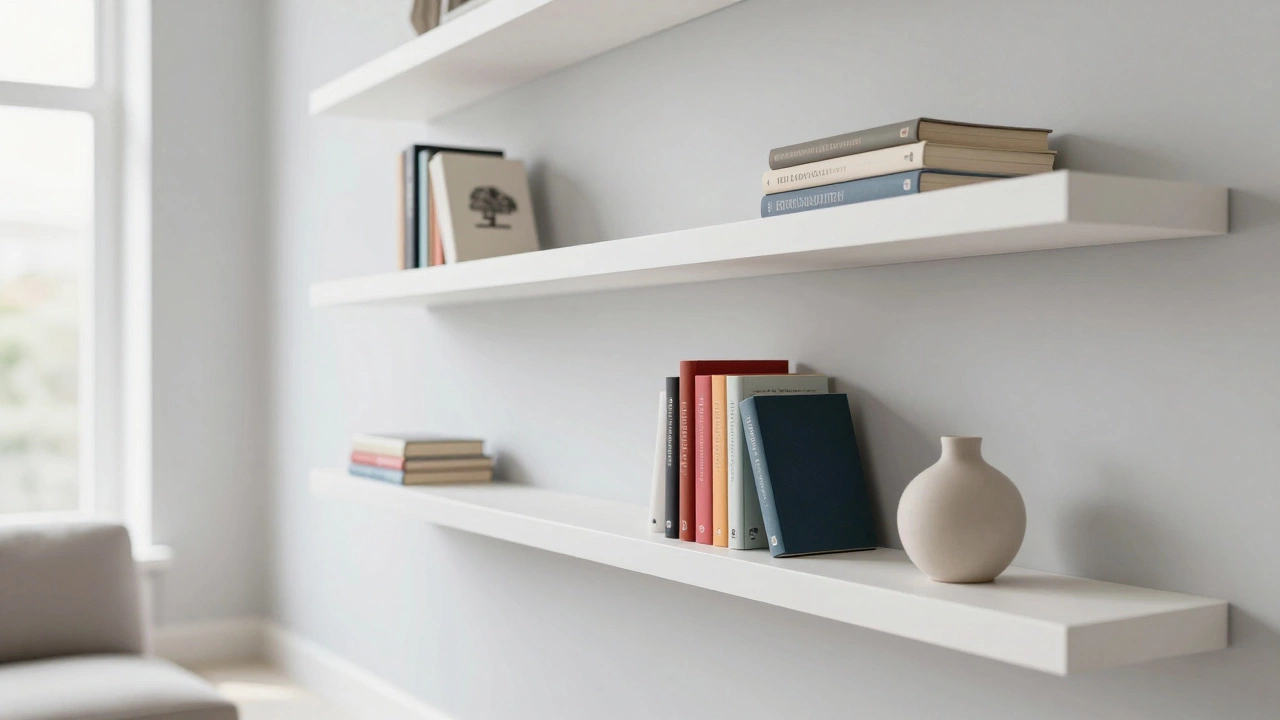
Bookshelves are all about flexibility. Because they aren't always encased in a heavy frame, they allow you to customize your space. You might have floating shelves in a kitchen or a single long plank running across a living room wall. This style of storage is great for people who want a "light" feel in their room. Since there are no bulky side panels, the room feels more open.
However, that openness comes with a catch. Support is everything. If you install a cheap particle-board shelf over a six-foot span without a bracket in the middle, it will sag under the weight of heavy hardcovers. This is known as the "sagging shelf" problem, and it's the fastest way to ruin your wall. For a sturdy setup, you need to consider the material. Solid oak or tempered steel can handle more weight than MDF (Medium Density Fiberboard), which often bends over time when loaded with heavy encyclopedias.
Why the bookcase is the heavy hitter
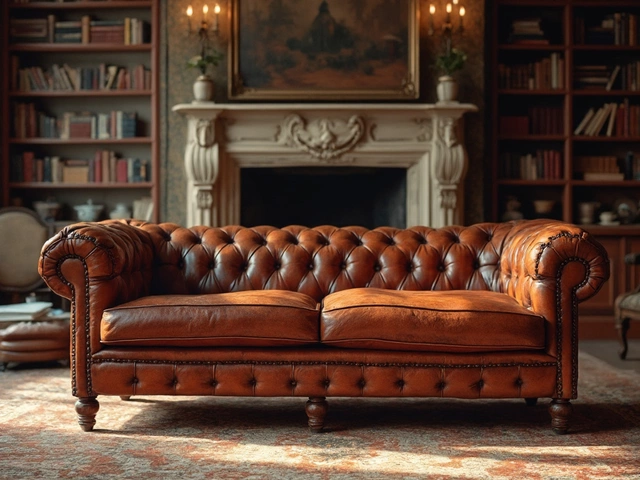
A bookcase is a powerhouse of organization. Because it has a dedicated frame-left side, right side, top, and bottom-it provides immense structural integrity. This is why you see massive, floor-to-ceiling units in old libraries. The frame distributes the weight of the books downward through the vertical supports, meaning you don't have to worry about the middle of the shelf bowing out.
Beyond the structure, bookcases offer options that shelves just can't. You can get them with doors, turning them into a hybrid between a shelf and a cabinet. This is a lifesaver if you live in a dusty city or want to hide the "visual clutter" of mismatched book spines. Many modern bookcases also come with adjustable peg holes, allowing you to move the shelves up or down to fit a tall art book or a small paperback.
| Feature | Bookshelf | Bookcase |
|---|---|---|
| Structure | Flat plank / Floating | Full frame / Cabinet |
| Mobility | Fixed to wall | Often freestanding |
| Weight Capacity | Depends on brackets | High (structural frame) |
| Visual Impact | Minimalist / Airy | Substantial / Bold |
| Customization | High (placement) | Medium (adjustable shelves) |
Picking the right one for your room
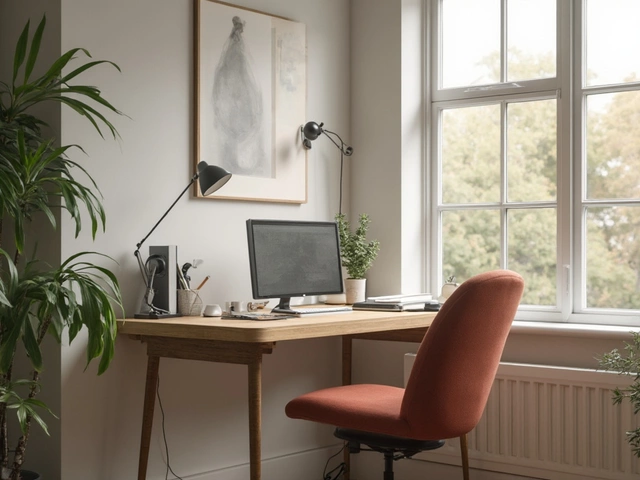
If you're working with a small bedroom or a narrow hallway, go for the bookshelf. Floating shelves utilize "vertical real estate" without eating into your walking space. For example, installing three staggered shelves above a desk gives you storage without making the room feel like a closet. It’s a great trick for renters too, as small floating shelves are easier to patch up than a giant hole left by a heavy cabinet.
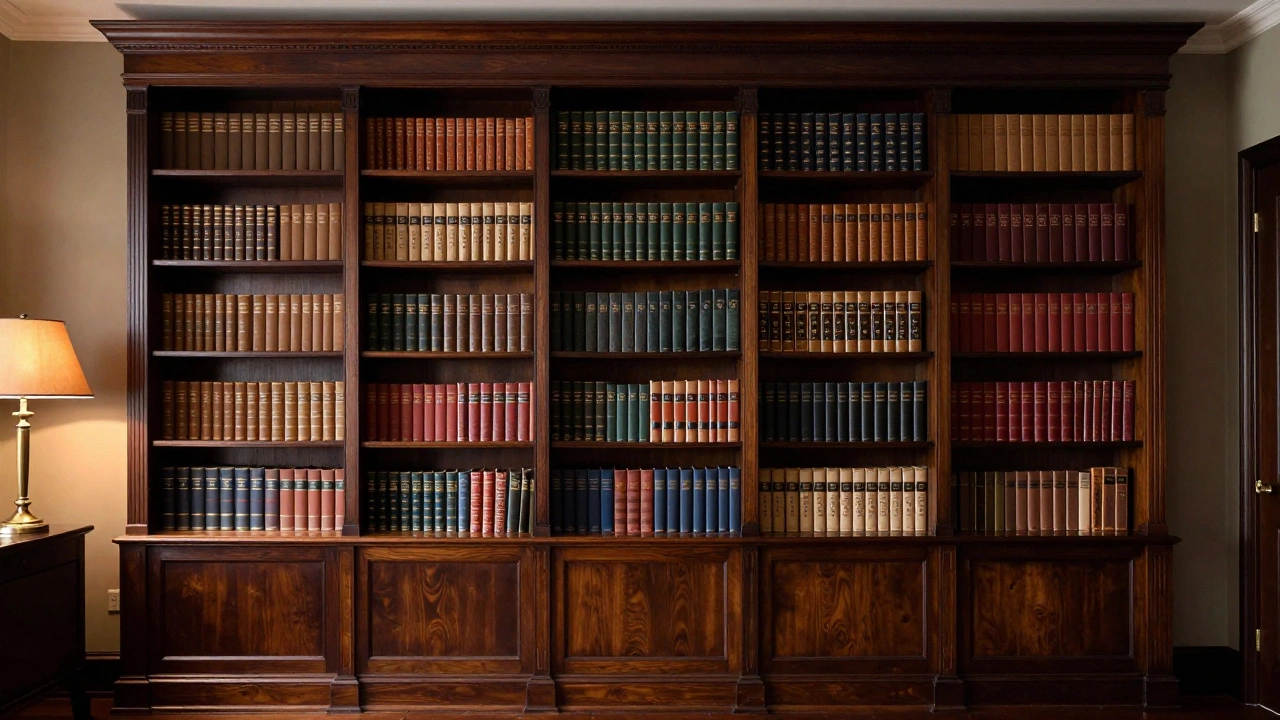
On the flip side, if you're setting up a home office or a dedicated reading nook, the bookcase is the only way to go. It creates a focal point in the room. A large, dark-wood bookcase can act as an anchor for your interior design, giving the space a professional or scholarly vibe. Plus, you can use the top of a bookcase as a surface for a lamp or a plant, which you can't really do with a floating shelf without it looking precarious.
Material matters: What to look for
Regardless of which one you pick, the material determines how long your investment lasts. You'll mostly encounter three types: solid wood, engineered wood (MDF/Particle Board), and metal.
- Solid Wood: This is the gold standard. Whether it's pine, oak, or walnut, solid wood resists warping and can be sanded and repainted if you change your decor. It's the most expensive but lasts for generations.
- Engineered Wood: This is common in "flat-pack" furniture. It's affordable and looks clean, but it's prone to swelling if it gets wet and can sag under heavy loads. If you buy an MDF bookcase, avoid overloading the center of the shelves.
- Metal: Often found in industrial-style shelving or libraries. It's virtually indestructible and handles the most weight, though it can feel "cold" in a cozy home setting.
The hidden dangers of the "cheap" build
One thing nobody tells you about bookcases is the danger of tipping. Because they are tall and narrow, a bookcase can easily fall over if a child climbs it or if it's placed on a thick carpet. This is why you'll see "anti-tip kits" included in the box. Never skip the wall anchor. A 72-inch bookcase loaded with books is essentially a giant domino waiting to happen.
For bookshelves, the danger is in the mounting hardware. Using a plastic plug in drywall to hold 50 pounds of books is a recipe for a hole in your wall. Always look for a stud-the wooden beam behind the drywall-and screw directly into that. If you can't find a stud, use toggle bolts, which grip the back of the wall and provide significantly more support than standard screws.
Mixing both for a curated look
You don't actually have to choose one or the other. The most interesting rooms often mix both. Imagine a large, steady bookcase against the main wall and a few floating bookshelves in the corners to hold a few favorite novels and a trailing ivy plant. This breaks up the symmetry and makes the room feel more lived-in and less like a furniture showroom.
Try the "Rule of Thirds" when styling them. Don't pack every single inch with books. Leave about a third of the space for "breathing room"-a small sculpture, a photo frame, or a stack of magazines. This prevents your home storage from looking like a warehouse and instead makes it look like a gallery.
Can I call a bookcase a bookshelf?
In casual conversation, yes. Most people will know what you mean. However, if you are shopping or talking to a contractor, using the correct term helps. A bookshelf is a surface; a bookcase is the entire piece of furniture.
Which is better for a small apartment?
Bookshelves (specifically floating ones) are usually better for small spaces because they don't take up floor area and keep the room feeling open. If you need a lot of storage, a narrow, tall bookcase is a good alternative.
How do I stop my shelves from sagging?
To prevent sagging, use thicker materials like solid wood or metal. If you have long spans, add a middle support bracket every 30 inches. For bookcases, avoid placing all your heaviest books in the exact center of the shelf; spread the weight toward the edges where the vertical supports are.
Are bookcases more expensive than bookshelves?
Generally, yes, because they require more material to build the frame and back. However, you can find very affordable flat-pack bookcases that cost less than a set of high-end floating shelves and professional installation.
What is the best way to secure a tall bookcase?
Use an L-bracket or a nylon strap kit to anchor the top of the bookcase directly into a wall stud. This prevents the unit from tipping forward, which is a major safety risk, especially in homes with children or pets.
What to do next
If you're still undecided, start by measuring your wall and counting your books. If you have under 50 books and want a modern look, go buy some floating shelves. If you're a collector with hundreds of volumes and need a way to organize them by genre, start shopping for a sturdy, solid-wood bookcase. Just remember to check the weight limits of the material before you start loading it up!