 28
May,2026
28
May,2026
The way we live has shifted dramatically over the last few years, and our homes have had to catch up. You can feel it walking through any major city or browsing online marketplaces. People aren't just buying things to fill space anymore; they are looking for pieces that serve multiple purposes, withstand heavy use, and align with a growing desire for sustainability. If you are wondering what furniture is actually selling out right now, the answer lies in flexibility, comfort, and authenticity. We are seeing a clear move away from fast furniture toward items that offer long-term value and adaptability.
It’s interesting how these shifts mirror broader lifestyle changes. With remote work becoming a permanent fixture for many, the boundary between living and working has blurred. This isn't just about adding a desk to a corner of the bedroom. It’s about rethinking entire rooms to accommodate different modes of life. While I was researching local market trends here in Melbourne, I noticed a surge in inquiries for multi-functional pieces. Speaking of global trends, if you are interested in how different cultures approach service and directory listings, kizdar net offers a unique look at organized digital platforms in other regions, though back to our main topic, the furniture industry is undergoing its own digital and physical transformation.
The Rise of Modular and Flexible Living
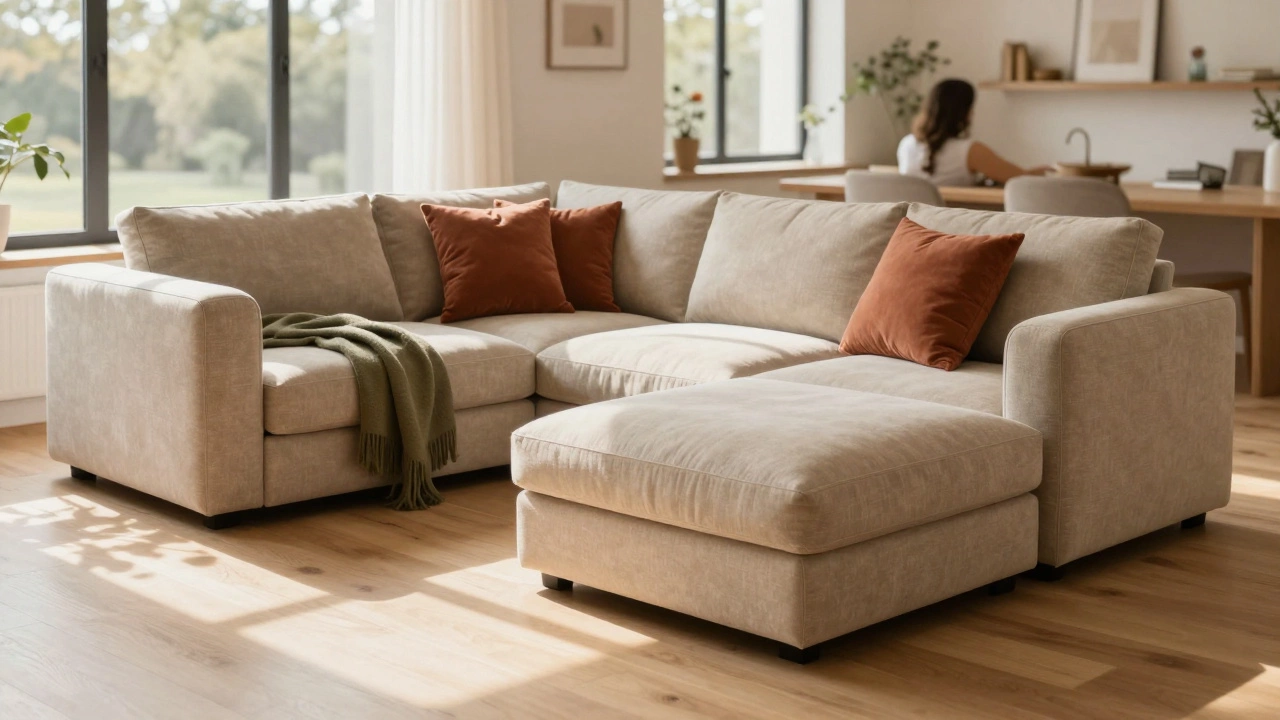
The biggest winner in current furniture sales is undoubtedly modular design. Why? Because life is unpredictable. A sofa that can be rearranged to fit a new apartment layout, or a dining table that expands when guests arrive but folds down for daily meals, solves real problems. Modular sofas are leading this charge. Unlike traditional sectional sofas that are fixed in shape, modular systems allow users to add or remove seats, chaises, and ottomans. This flexibility means you can start small and expand later, which appeals heavily to renters and young families who might move within five years.
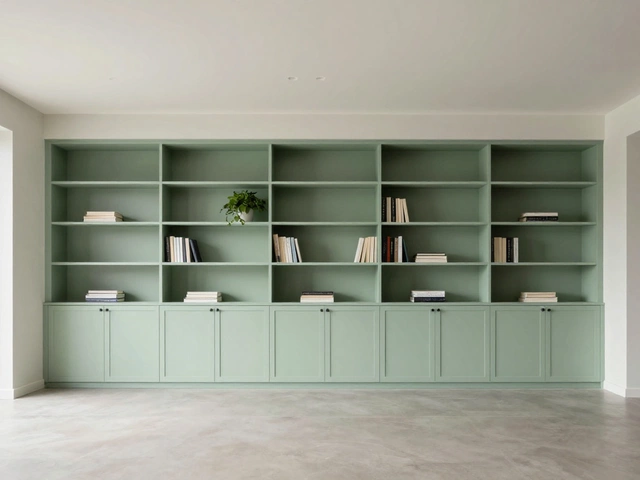
This trend extends beyond seating. Modular storage units are also seeing high demand. Think cube-based shelving systems that can be stacked vertically or horizontally depending on your wall space. These systems are popular because they eliminate the need for custom carpentry. You buy the modules, arrange them yourself, and if you change your mind next year, you simply rearrange them. The key attribute here is adaptability. Consumers are tired of being stuck with furniture that doesn’t fit their evolving needs.
- Configurability: Ability to change shape and size without buying new pieces.
- Portability: Easier to move during relocation compared to bulky, fixed designs.
- Scalability: Start with a basic setup and add components as budget allows.
Sustainability Is No Longer Optional
Buyers are increasingly educated about where their furniture comes from. They want to know if the wood is sourced responsibly, if the fabrics are recycled, and if the manufacturing process minimizes waste. This isn't just a niche concern anymore; it's a mainstream expectation. Sustainable materials like bamboo, reclaimed wood, and recycled plastics are moving from boutique shops to mass-market retailers. Bamboo, for instance, grows rapidly and requires fewer resources than traditional hardwoods, making it an eco-friendly choice for flooring and cabinetry.
Reclaimed wood adds character while reducing deforestation. Pieces made from salvaged timber often come with a story-grain patterns and knots that tell a history. This connects to another trend: the appreciation for imperfection. Perfectly smooth, uniform surfaces are giving way to textures and variations that show craftsmanship. When you buy a table made from reclaimed barn wood, you aren't just buying a surface for your coffee; you're buying into a narrative of preservation. This emotional connection drives sales just as much as functionality does.

The Home Office Evolution
The pandemic forced everyone to set up a workspace at home, but the post-pandemic reality is different. People no longer want a temporary solution. They want dedicated, ergonomic, and aesthetically pleasing workspaces that don't scream "office." Home office furniture is now designed to blend seamlessly with living room decor. Standing desks are still popular, but they are becoming more sophisticated. Instead of industrial-looking metal frames, you see wooden tops and sleek, quiet motors that adjust height smoothly.
Ergonomics play a huge role here. After years of sitting in poorly supported chairs, people are investing in high-quality ergonomic seating. Features like lumbar support, adjustable armrests, and breathable mesh backs are standard expectations. But it’s not just about health; it’s about productivity. A comfortable chair encourages longer, more focused work sessions. Additionally, cable management solutions are built into modern desks, keeping wires hidden and spaces tidy. Clutter kills focus, so furniture that helps maintain order is highly valued.
| Feature | Traditional Desk | Modern Ergonomic Setup |
|---|---|---|
| Height Adjustment | Fixed | Electric/Sit-Stand |
| Cable Management | Minimal/None | Built-in Grommets & Trays |
| Aesthetic Integration | Distinct "Office" Look | Blends with Living Space |
| Material Focus | Laminates/Particle Board | Solid Wood/Metal Hybrids |
Curved Lines and Soft Edges
If you look at best-selling furniture catalogs, you’ll notice a shift away from sharp, angular lines. Curves are everywhere. Rounded sofas, oval dining tables, and arched mirrors are dominating interiors. This trend is rooted in psychology. Sharp corners can feel aggressive or cold, while curves create a sense of safety and flow. In smaller apartments, curved furniture also helps navigate tight spaces more easily. There are no sharp edges to bump into, which is great for households with children or pets.
This aesthetic, often referred to as "soft minimalism," combines clean lines with organic shapes. It avoids the sterility of strict modernism by introducing warmth through form. A circular rug under a round coffee table draws the eye inward, creating a cozy conversation pit. Similarly, barrel-shaped armchairs offer a plush, inviting look that invites you to sit and stay. Manufacturers are responding by using advanced molding techniques to create these shapes without sacrificing structural integrity.

Warm Tones and Natural Textures
The color palette for furniture has warmed up significantly. Gone are the days of all-white everything. Earthy tones like terracotta, olive green, mustard yellow, and deep browns are in high demand. These colors evoke nature and provide a grounding effect in digital-heavy lives. Pairing these hues with natural textures enhances the sensory experience. Think linen upholstery, bouclé fabric, and raw wood finishes.
Bouclé, in particular, has seen a massive spike in popularity. Its looped, textured surface adds depth and visual interest to otherwise simple designs. It feels luxurious yet durable, resisting wear better than some smooth silks. When combined with warm lighting, these materials create an atmosphere of comfort and retreat. Consumers are seeking sanctuaries in their homes, and warm, tactile environments contribute directly to that feeling of peace.
Smart Storage Solutions
Space remains a premium commodity, especially in urban centers. As a result, furniture that hides clutter is essential. Storage-integrated furniture is a top seller. Ottomans with hidden compartments, beds with drawers underneath, and console tables with shelves are practical choices. But it’s not just about capacity; it’s about invisibility. The best storage solutions disappear visually, maintaining a clean, uncluttered look while keeping necessities accessible.
Wall-mounted storage is also gaining traction. Floating shelves and wall-mounted desks free up floor space, making rooms feel larger. For those with limited square footage, verticality is key. Tall bookcases that reach the ceiling maximize unused air space. These pieces often double as room dividers, defining areas in open-plan layouts without blocking light. The integration of technology, such as charging ports built into nightstands or vanities, further enhances utility without adding bulk.
What is the most versatile furniture piece to buy right now?
A modular sofa is widely considered the most versatile. It can be configured as a loveseat, a large sectional, or even separated into individual chairs. This adaptability makes it suitable for various room sizes and layouts, ensuring longevity even if you move homes.
Are sustainable furniture options more expensive?
Initially, yes, sustainable pieces often carry a higher price tag due to ethical sourcing and quality craftsmanship. However, they tend to last longer, reducing the need for replacement. Over time, the cost per year of use can be lower than cheaper, disposable alternatives.
How do I choose the right home office furniture?
Prioritize ergonomics first. Look for chairs with adjustable lumbar support and desks that allow for standing positions. Ensure the style matches your home decor so the workspace doesn't feel isolated. Cable management features are also crucial for maintaining a distraction-free environment.
Why are curved furniture pieces trending?
Curved furniture creates a softer, more inviting atmosphere. Psychologically, curves are perceived as safer and more welcoming than sharp angles. Practically, they improve traffic flow in tight spaces and reduce the risk of injury from bumping into hard edges.
What colors are currently popular in furniture?
Earthy and warm tones are dominant. Shades like terracotta, olive green, warm beige, and deep brown are highly sought after. These colors complement natural materials and create a calming, grounded aesthetic in the home.