 8
Jun,2026
8
Jun,2026
Living Room Layout Simulator
Current Layout Status:
Your room creates a "bowling alley" effect. Airflow is blocked and social interaction is limited to one side.
Walk into most standard living rooms, and you’ll likely see the same tired setup: a couch pushed flush against the back wall, facing a TV on the opposite side. It feels safe. It follows the rulebook handed down by real estate agents and IKEA floor plans for decades. But here’s the uncomfortable truth about that arrangement-it kills your room’s flow, makes the space feel smaller, and turns your social hub into a dead zone.
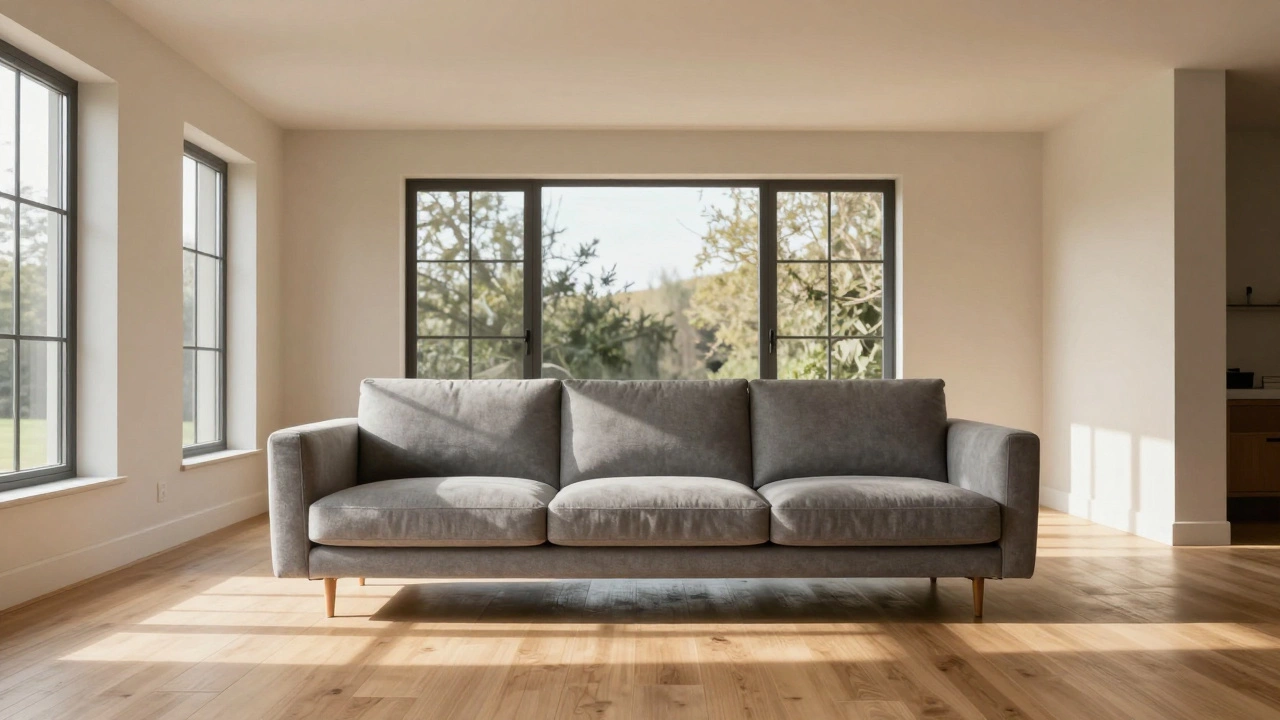
Moving your couch is a large upholstered seat designed for comfort and social gathering away from the wall isn’t just an interior design trend; it’s a practical upgrade for how we actually live. Whether you have a sprawling open-plan loft or a cozy apartment in Melbourne, pulling that sofa out creates breathing room, defines zones, and instantly makes the space feel more expensive and intentional. So, why are we so afraid of that gap between the sofa and the wall? Let’s break down the benefits of floating your furniture and how to do it without tripping over your coffee table.
The Psychology of Space: Why Walls Feel Like Dead Ends
When you push every piece of furniture against the perimeter, you create what designers call a "bowling alley" effect. The center of the room becomes empty void, while the walls become cluttered barriers. This layout signals to your brain that the room is either too small to fill or too formal to relax in. By pulling the couch forward, even just six inches, you change the energy of the room. You create a defined seating area rather than a hallway with cushions.
This concept ties directly into spatial awareness is the cognitive ability to understand the relationship between objects and oneself in a physical environment. When furniture floats, it anchors the room. It tells people where to sit and where to walk. Without that anchor, guests often stand awkwardly near doorways because they don’t know if they’re supposed to be in the "living" part of the room or just passing through. Floating furniture creates a destination.
Improving Airflow and Light Distribution
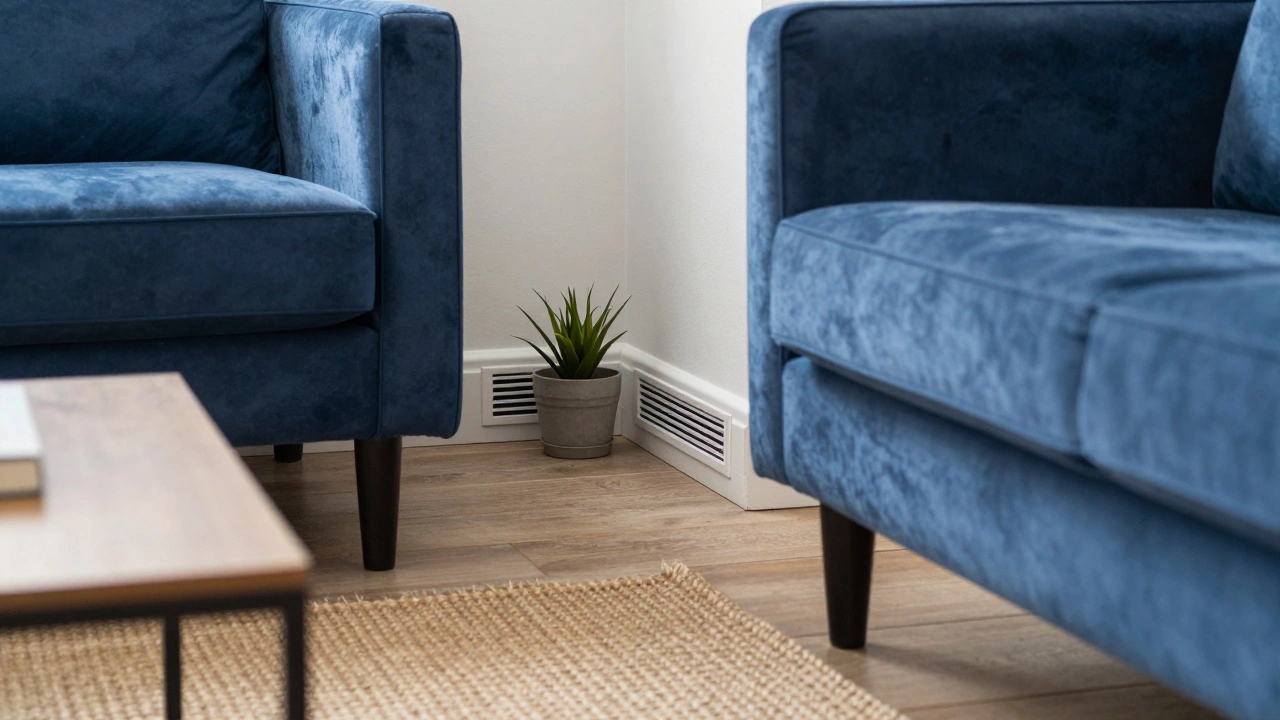
Beyond aesthetics, there’s a functional reason to lift your sofa off the floor and pull it from the wall. Heat rises, but air needs to circulate to keep a room comfortable. A massive sectional pressed against an exterior wall can block radiators, vents, or simply trap stale air. In Melbourne’s variable climate, where we swing from humid summers to chilly winters, allowing air to move behind your furniture helps regulate temperature naturally.
Natural light behaves similarly. If your couch blocks a window or sits too close to a light source, it casts deep shadows across the room, making the space feel dim and cave-like. Pulling the couch forward allows light to wash over the seating area, reflecting off the upholstery and brightening the entire room. It’s a simple trick that reduces the need for artificial lighting during the day, saving on electricity bills while creating a warmer atmosphere.
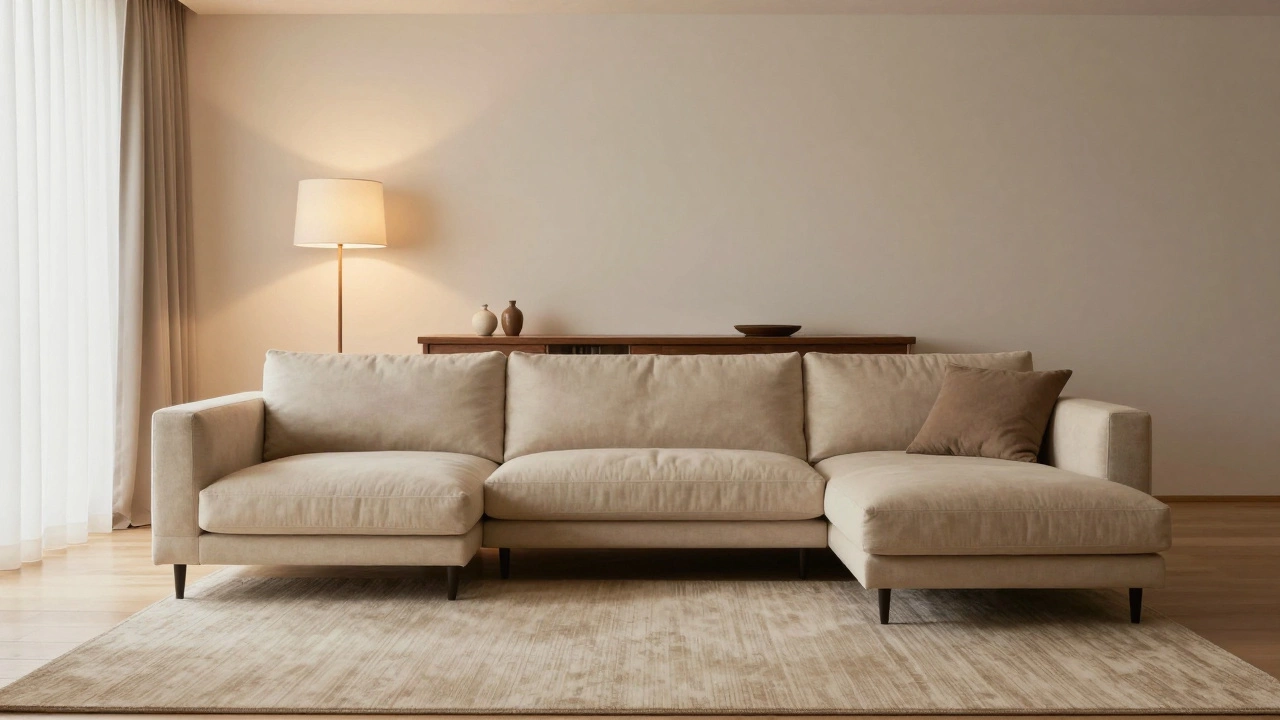
Solving the "Backless" Problem with Style
The biggest objection to moving a couch from the wall is usually fear: "What will I put behind it?" or "It looks unfinished." This is where the layout gets interesting. Instead of leaving a barren stretch of wall, you use the space behind the couch to define another function. This is known as zoning.
- Create a Home Office: Place a slim desk or a console table behind the sofa. This separates your work zone from your relaxation zone without building a physical wall. It’s perfect for remote workers who need visual separation.
- Add Storage: Use a low bookcase or a storage bench behind the couch. This keeps books, games, or blankets within reach but out of sight, reducing clutter in the main viewing area.
- Display Art: Hang a gallery wall or a large mirror above the back of the sofa. This draws the eye upward and adds depth to the room.
This approach transforms the back of the couch from a dead end into a functional divider. It maximizes the utility of your square footage, which is crucial for urban dwellers in high-density housing markets.
Practical Steps to Float Your Furniture
Ready to make the move? Here is a step-by-step guide to rearranging your living room without chaos.
- Measure the Gap: You don’t need a foot of space. Start with 6 to 12 inches (15-30 cm) between the back of the couch and the wall. This is enough to break the visual barrier but not so much that it creates a tripping hazard.
- Check the Traffic Flow: Ensure there is at least 30 inches (76 cm) of walking space between the front of the couch and any coffee table or opposing furniture. This prevents elbows from knocking things over.
- Anchor with a Rug: A rug should extend under the front legs of the couch, not just float in the middle of the room. This visually tethers the floating furniture to the floor, preventing it from looking like it’s drifting away.
- Light the Zone: Add a floor lamp or a small table lamp behind the couch. This highlights the new zone and provides ambient lighting that doesn’t compete with the TV glare.
| Feature | Wall-Hugging Layout | Floating Layout |
|---|---|---|
| Space Perception | Can feel cramped or cavernous | Feels balanced and defined |
| Social Interaction | Limited to one side | Encourages conversation from multiple angles |
| Functionality | Single-purpose (TV watching) | Multi-purpose (work, read, relax) |
| Airflow/Light | Often blocked | Improved circulation |
| Difficulty to Execute | Easy (default setting) | Requires planning and measuring |
Common Mistakes to Avoid
While floating your couch has many benefits, it’s easy to go wrong. The most common error is pushing the couch too far into the room. If you create a wide corridor behind the sofa that leads nowhere, you’ve wasted valuable floor space. Keep the gap tight unless you have a specific purpose for that area, like a reading nook.
Another mistake is ignoring the scale of the room. In very small apartments, floating a bulky sofa might make the room feel claustrophobic. In these cases, consider a loveseat or a slim-profile armchair instead. The goal is balance, not obstruction. Always test the layout with painter’s tape on the floor before moving heavy furniture. It’s a cheap way to visualize the new footprint.
Conclusion: Reclaiming Your Living Space
Putting your couch against the wall is a habit born from uncertainty, not necessity. By breaking this pattern, you unlock the potential of your living room to serve multiple functions, improve airflow, and create a more inviting social environment. It’s not about following rules; it’s about understanding how you move through your home. So, grab a friend, measure twice, and pull that sofa forward. Your living room-and your lifestyle-will thank you.
How much space should I leave between my couch and the wall?
Aim for 6 to 12 inches (15-30 cm). This small gap is enough to break the visual connection with the wall, allowing light and air to pass through, without creating a useless corridor behind the sofa.
What should I put behind a floating couch?
You can place a slim console table, a low bookshelf, a desk for a home office, or even a row of potted plants. The key is to choose items that are lower than the back of the sofa to maintain sightlines.
Is it okay to float a couch in a small apartment?
Yes, but be mindful of scale. Use a smaller sofa or loveseat and ensure you have at least 30 inches of walking space in front of it. Floating furniture can actually make a small room feel larger by defining zones clearly.
Does floating a couch help with cleaning?
Absolutely. It makes vacuuming and mopping the floor behind the sofa much easier. It also prevents dust and pet hair from accumulating in the hidden gap between the furniture and the wall.
How do I anchor a floating couch so it doesn't look lost?
Use a large area rug that extends under the front legs of the sofa. This visually connects the furniture to the floor. Additionally, adding lighting behind the sofa helps define the new zone.