 1
Jun,2026
1
Jun,2026
White Sofa Color Pairing Simulator
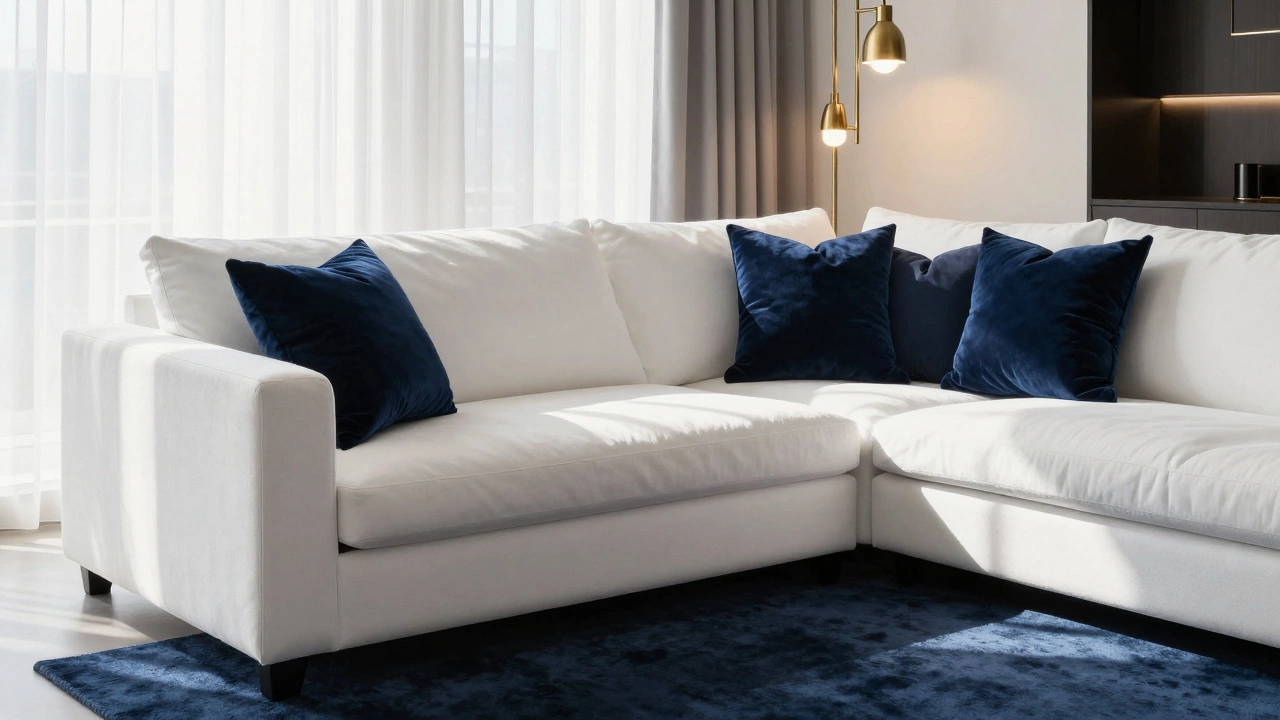
Deep Navy Blue Selected
Vibe: Sophisticated, Calm, Classic
The deepness of the blue provides a strong anchor for the floating lightness of the white sofa. It adds authority to the room without feeling heavy.
There is a specific kind of panic that sets in when you buy a large white piece of furniture. You stare at the pristine fabric and wonder if you have made a mistake. Is it too bright? Will it look sterile? And most importantly, what on earth do you put next to it so it doesn't look like a hospital waiting room?
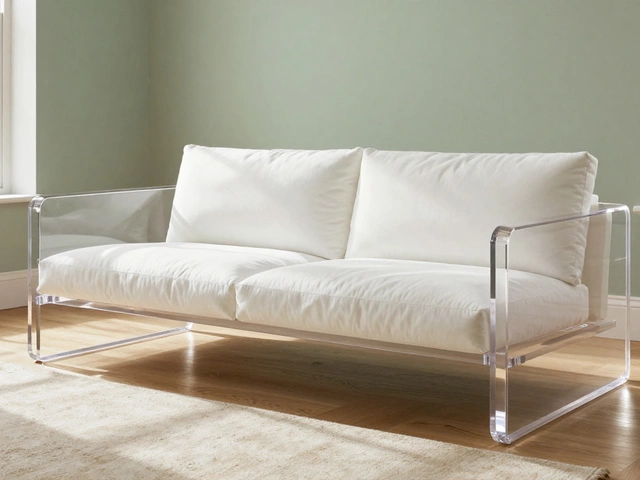
If you own or are considering a white corner sofa is a large L-shaped seating unit upholstered in light-colored fabric that serves as the anchor of a living space, you are dealing with a blank canvas. White is not just a color; it is an amplifier. It reflects light, expands space, and highlights every other element in the room. Getting the color palette right isn't just about aesthetics-it's about creating a vibe that feels intentional rather than accidental.
The Power of Contrast: Why Neutral Isn't Enough
Many people make the mistake of surrounding a white sofa with other pale neutrals-beige rugs, cream walls, off-white cushions. While this creates a 'Scandi' look, it often lacks depth. Without contrast, the eye has nowhere to rest, and the room can feel flat or unfinished. To make a white corner sofa pop, you need colors that provide weight and definition.
Think of your sofa as the stage. The walls and flooring are the backdrop, but the accessories and secondary furniture are the actors. If everyone is wearing white, the play is boring. You need characters with personality. This means introducing darker tones, saturated hues, or rich textures to ground the space.
Top Color Choices That Elevate White Furniture
Not all colors work equally well against white. Some wash out, while others create a striking visual harmony. Here are the most effective pairings based on current interior design trends and timeless principles.
| Color Family | Specific Shades | Vibe Created | Best For |
|---|---|---|---|
| Deep Navy Blue | Royal Navy, Midnight Blue | Sophisticated, Calm, Classic | Traditional or Coastal homes |
| Earthy Greens | Olive, Sage, Forest Green | Natural, Grounded, Fresh | Modern organic styles |
| Warm Terracotta | Burnt Orange, Rust, Clay | Inviting, Energetic, Warm | Bohemian or Mid-Century Modern |
| Charcoal Grey | Anthracite, Slate | Urban, Sleek, Minimalist | Contemporary apartments |
| Mustard Yellow | Goldenrod, Ochre | Cheerful, Retro, Bold | Eclectic or playful spaces |
1. Deep Navy Blue: The Timeless Partner
If you want a fail-safe combination, go with navy blue. White and navy have been friends since the days of maritime uniforms, and they still work perfectly together today. The deepness of the blue provides a strong anchor for the floating lightness of the white sofa. It adds authority to the room without feeling heavy.
How to use it: Try navy throw pillows, a dark blue area rug, or even paint one accent wall in a matte navy finish. Add brass or gold lighting fixtures to bridge the gap between the two colors, adding a touch of luxury.
2. Earthy Greens: Bringing Nature Inside
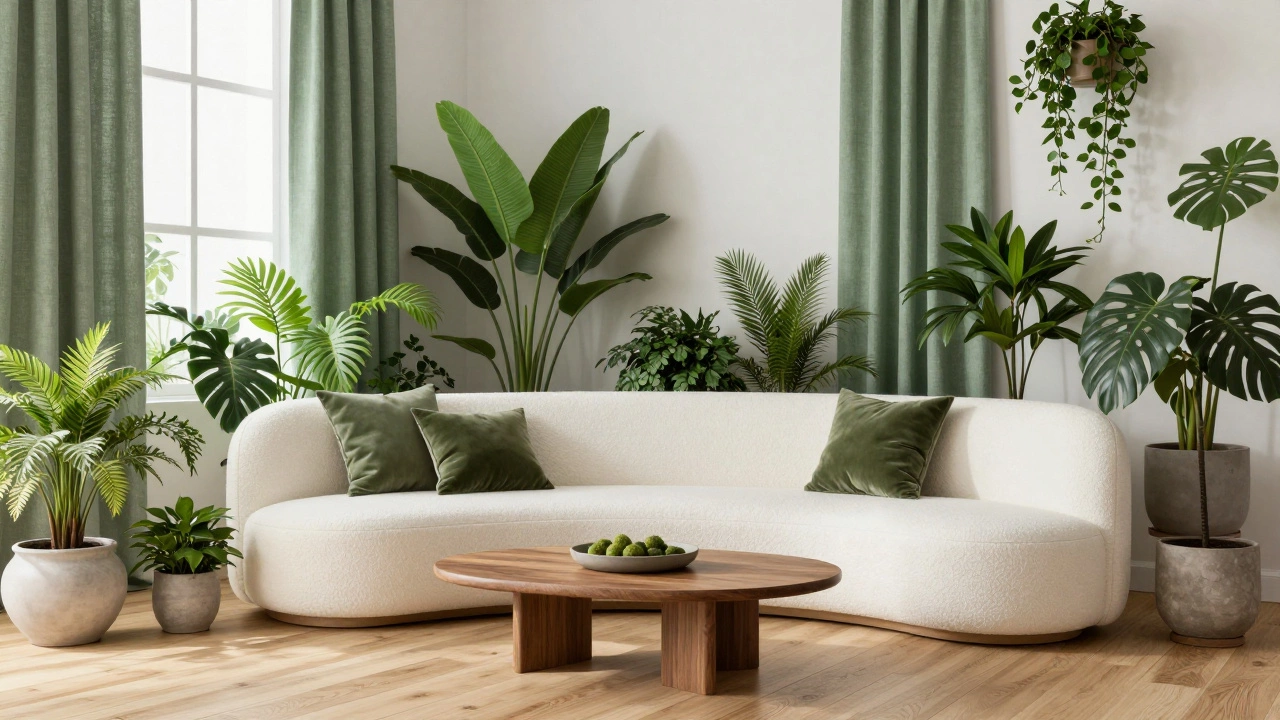
In 2026, biophilic design remains huge. People crave connection to nature, especially in urban environments like Melbourne. Green pairs beautifully with white because it mimics the natural world-think of green leaves against a bright sky. Olive green offers a muted, sophisticated tone, while forest green brings drama.
How to use it: Incorporate potted plants (real ones, please) around the sofa. Use sage green linen curtains or olive velvet cushions. Wood tones, particularly oak or walnut, complement this palette by adding warmth that prevents the green from looking too cool.
3. Terracotta and Burnt Orange: Adding Soul
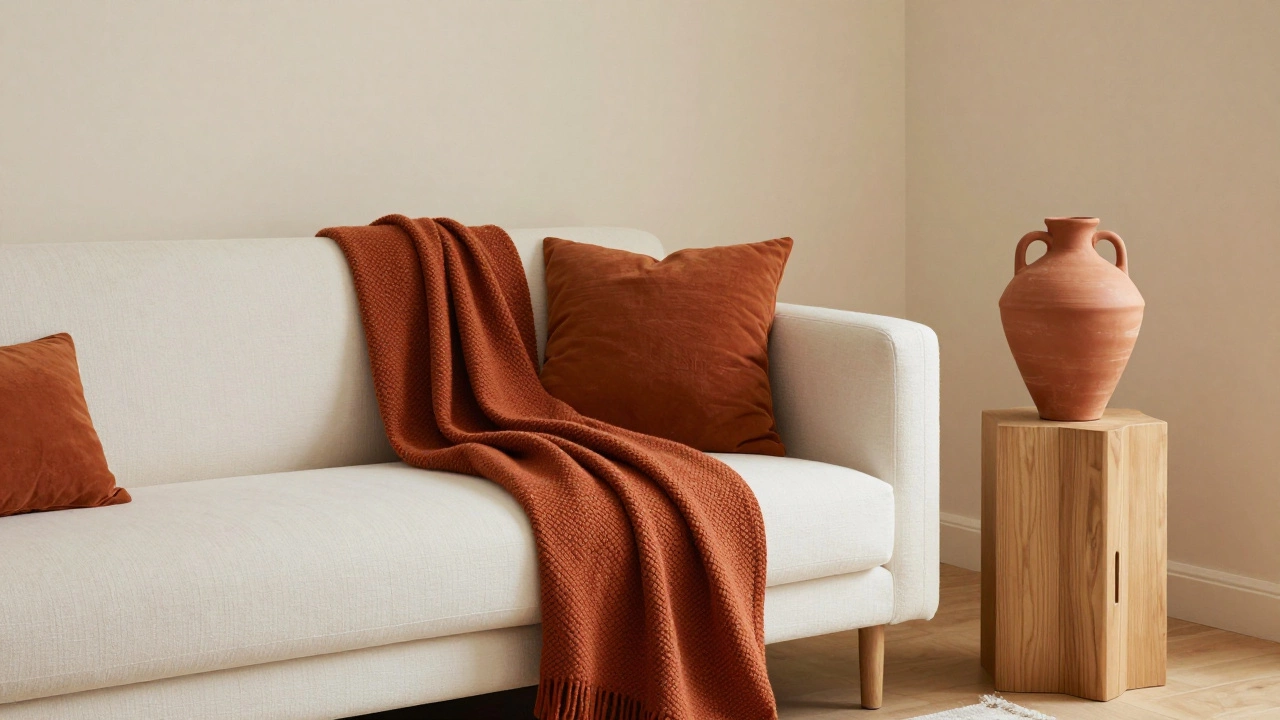
White can sometimes feel cold. Terracotta fixes that instantly. These warm, clay-like tones bring energy and comfort to a room. They are particularly effective in open-plan living areas where you want the seating zone to feel cozy and inviting. This pairing leans into the mid-century modern aesthetic, which continues to dominate interior magazines.
How to use it: A terracotta ceramic vase, burnt orange throw blankets, or rust-colored artwork. Keep the wood furniture light-toned (like ash or pine) to maintain balance, or go dark for higher contrast.
4. Charcoal Grey: The Urban Edge
If you prefer a monochromatic look but fear boredom, charcoal grey is your answer. It’s less harsh than black but provides enough darkness to define the shape of your white corner sofa. This combination feels sleek, modern, and easy to maintain visually.
How to use it: Layer different shades of grey. Use a light grey rug, medium grey side tables, and charcoal cushions. Break up the greyscale with metallic accents like chrome or brushed nickel to keep it from looking dull.
The Role of Texture in Color Matching
Color is only half the battle. When working with a white sofa, texture becomes just as important as hue. A smooth white leather sofa feels very different from a nubby white bouclé fabric. Your color choices should enhance these textural differences.
- Versus Smooth Fabrics: If your sofa is leather or tight-weave cotton, add rough textures like jute rugs, chunky knit throws, or raw wood coffee tables. This contrast makes the white appear cleaner and sharper.
- Versus Textured Fabrics: If your sofa is bouclé, chenille, or velvet, you can afford smoother surfaces elsewhere. Think glass coffee tables, polished metal lamps, or silk cushions. This prevents the room from feeling cluttered or 'busy.'
Mixing materials helps tie colors together. For example, if you choose navy blue cushions, ensure they are a different material than the sofa itself. Velvet navy against woven white cotton creates depth that solid colors alone cannot achieve.
Avoiding Common Mistakes
Even with the best color theory, execution matters. Here are pitfalls to avoid when styling a white corner sofa:
- Too Many Patterns: White is already visually loud because it draws attention. If you add floral pillows, striped rugs, and geometric art, the eye gets overwhelmed. Stick to one dominant pattern and keep the rest solid.
- Igoring Lighting: Colors shift under different lights. Test your chosen accent colors in the actual room during morning, afternoon, and evening. A teal pillow might look vibrant in daylight but murky under warm yellow bulbs.
- Forgetting the Floor: The floor takes up a significant portion of your vision. If you have dark hardwood floors, a white sofa will stand out naturally. If you have light laminate, you may need a darker rug to frame the sofa and prevent it from blending into the background.
Practical Tips for Maintenance
Let’s address the elephant in the room: white shows dirt. Choosing colors that help mask wear and tear is smart. Darker accent pieces can distract from minor stains on the sofa. Additionally, having removable, washable covers in your accent colors allows you to refresh the look seasonally without replacing the entire setup.
Invest in a good upholstery cleaner before you even move the sofa in. Treat the fabric with a stain repellent immediately. This gives you the confidence to enjoy the space without hovering over every spill.
Final Thoughts on Styling Your Space
Your white corner sofa is a statement piece. It demands respect but also offers freedom. Whether you lean towards the calm of navy, the freshness of green, or the warmth of terracotta, the key is intentionality. Don't just pick colors because they are trendy. Pick them because they make you feel good when you sit down after a long day.
Start small. Swap out cushions first. Live with the color for a week. If it feels right, expand to rugs and wall art. Interior design is iterative, not instantaneous. Trust your instincts, embrace contrast, and let your white sofa shine as the centerpiece it deserves to be.
Does a white corner sofa make a room look bigger?
Yes, white reflects light, which can make a space feel more open and airy. However, because corner sofas are large, they still occupy significant physical space. To maximize the illusion of size, keep the legs visible (if possible) and use light-colored flooring or rugs.
What is the best rug color for a white sofa?
A neutral beige or light grey rug works for a seamless look, but a navy, charcoal, or patterned rug adds necessary grounding. Avoid pure white rugs unless you want a very high-maintenance, hotel-like aesthetic.
Can I use black with a white corner sofa?
Absolutely. Black and white is a classic high-contrast combination. It feels modern and graphic. Use black sparingly-in lamp bases, picture frames, or thin-legged coffee tables-to avoid making the room feel too stark.
How do I match a white sofa with wooden furniture?
Wood adds warmth to white. Light woods like oak or ash create a Scandinavian or Japandi vibe. Dark woods like walnut or mahogany add richness and tradition. Ensure the wood tone complements your accent colors-for example, walnut pairs well with navy and emerald green.
Is a white corner sofa practical for families with kids?
It depends on the fabric. Performance fabrics like microfiber or treated cotton are highly resistant to stains and spills. Leather is also durable but can show scratches. Always check the rub count and stain resistance rating before buying if you have young children.