 7
Sep,2026
7
Sep,2026
Outdoor Furniture Rain Protection Checker
Assess Your Situation
Select your options and click "Check Protection Needs" to see recommendations.
💡 Pro Tip from the Article
Never cover wet furniture with non-breathable plastic. This traps heat and moisture, creating a greenhouse effect that accelerates mold growth. If you must cover damp items, use breathable covers with vents or wait until they are fully dry.
You just heard the first heavy drops hit your patio. Your instinct screams: run outside and throw a tarp over that expensive rattan set before it gets soaked. But is this panic really necessary? For many homeowners, the answer is a resounding no. Constantly dragging heavy covers on and off isn't just tedious; it can actually do more harm than good if you're not careful about moisture trapping.
The truth depends entirely on what your furniture is made of, where you live, and how often you actually use it. If you treat every shower like a catastrophe, you'll burn out by summer. But if you ignore the elements completely, you might find mold growing in the cushions by autumn. Let's break down exactly when you need to worry and when you can let nature take its course.
Know Your Material: Not All Furniture Fears Rain Equally
Before you buy another cover, look at your furniture. The material dictates whether water is an enemy or just a passing inconvenience. Here is how common materials react to Melbourne’s unpredictable weather patterns.
| Material | Water Tolerance | Risk Factor | Cover Needed? |
|---|---|---|---|
| Teak | High | Low (Silvering only) | No (unless for aesthetics) |
| Powder-Coated Aluminum | Very High | Negligible | No |
| Wicker/Rattan | Moderate | Mold in crevices | Yes (for prolonged wet) |
| Unsealed Wood | Low | Rotting/Swelling | Yes (Always) |
| Cushions/Fabric | Low to Moderate | Mildew/Staining | Yes (Store indoors) |
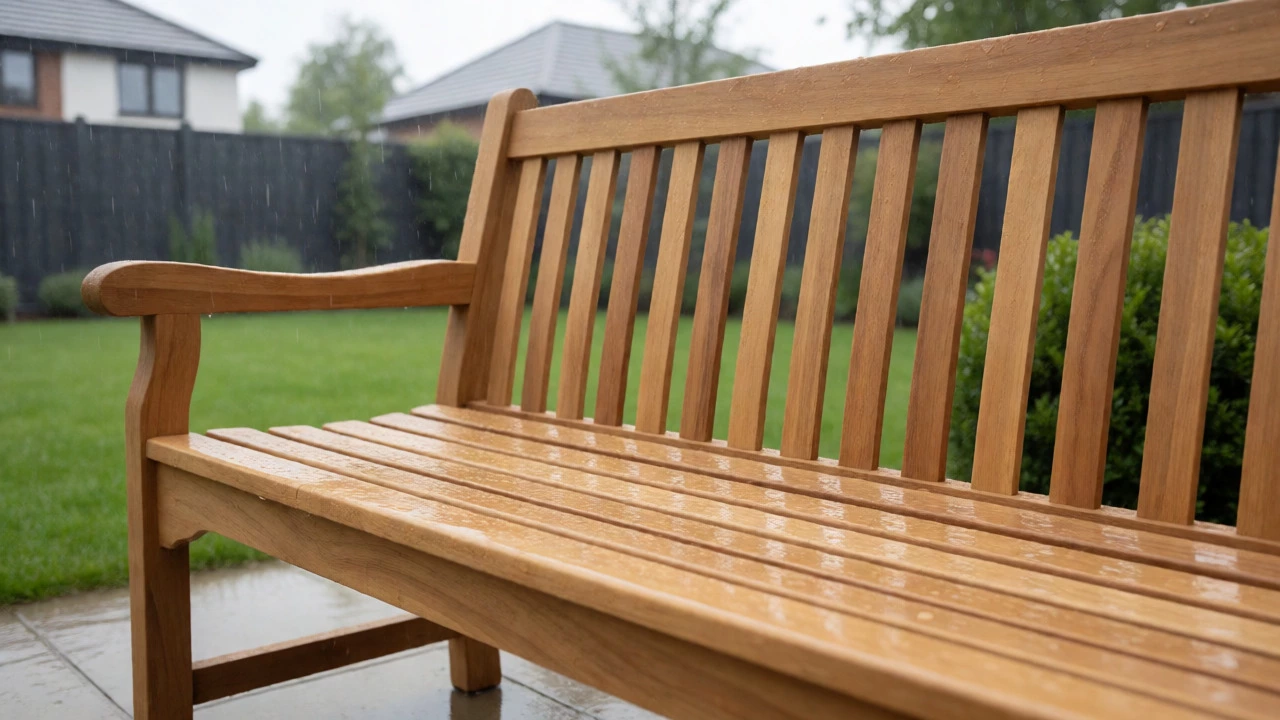
Take teak, for instance. This hardwood contains natural oils that repel water. In Australia, leaving a teak bench out in the rain won’t rot it. It will simply turn a silvery-grey color over time due to UV exposure and oxidation. If you like that look, leave it uncovered. If you want to keep the honey-gold hue, then yes, you need protection-but that’s about color preservation, not structural integrity.
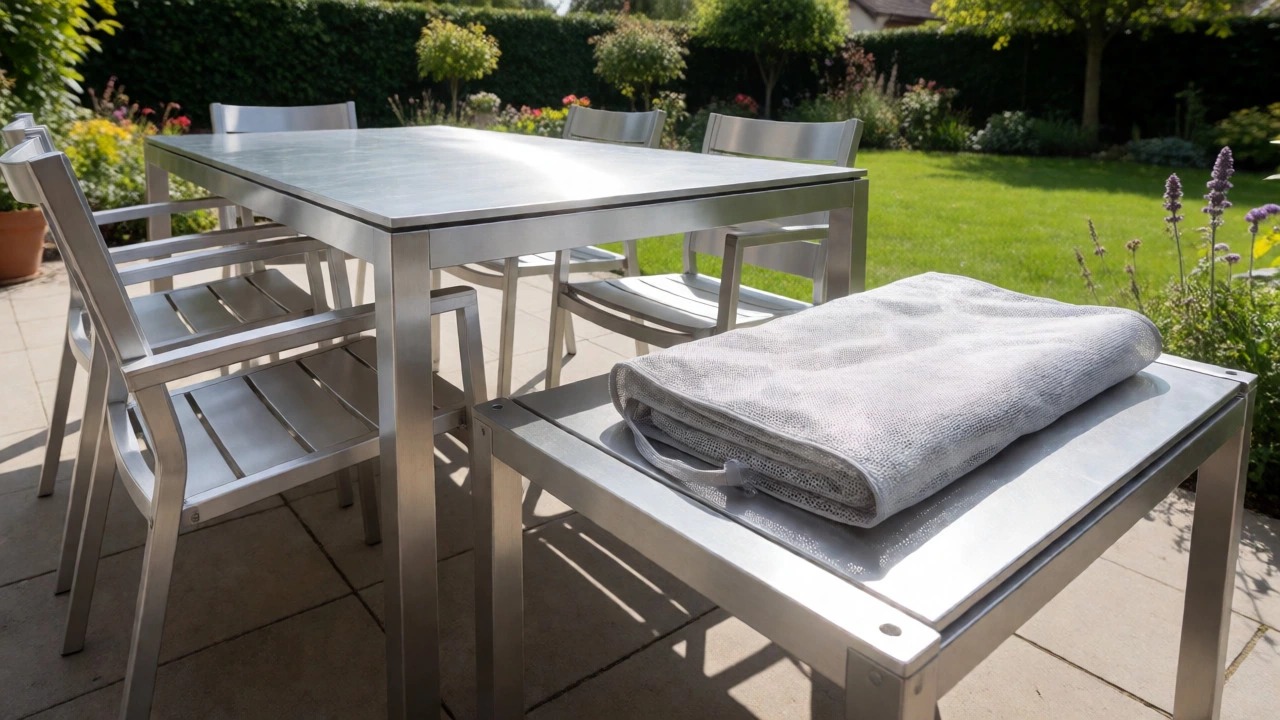
On the other hand, unsealed pine or oak will swell and crack if left soaking. Powder-coated aluminum is arguably the most resilient option for coastal areas like ours because it doesn’t rust. You can leave it out during a storm without losing a wink of sleep. Wicker is trickier. While synthetic wicker handles water well, the tight weave traps moisture against the frame, creating a perfect breeding ground for mold if it doesn’t dry quickly.
The Moisture Trap: Why Covers Can Backfire
Here is the counter-intuitive part: covering wet furniture is worse than leaving it wet. If you throw a non-breathable plastic sheet over damp cushions, you create a greenhouse effect. The sun hits the cover, heats up the trapped air, and cooks the fabric from the inside out. This accelerates mildew growth far faster than open-air drying would.
If you must use a cover, ensure it is breathable. Look for fabrics with ventilation panels or mesh vents near the top. Hot air needs to escape. Without airflow, condensation forms on the underside of the cover, dripping back onto your clean furniture. I’ve seen countless sets ruined not by rain, but by the slow suffocation of being wrapped too tightly while still damp.
Cushions Are the Real Victims
Let’s be honest: the frames rarely fail first. The cushions are the weak link. Even "water-resistant" foam absorbs some water. Once saturated, it takes days to dry properly, especially in our humid springs. Mold spores love damp foam. They start as small black spots that smell musty and eventually destroy the fabric fibers.
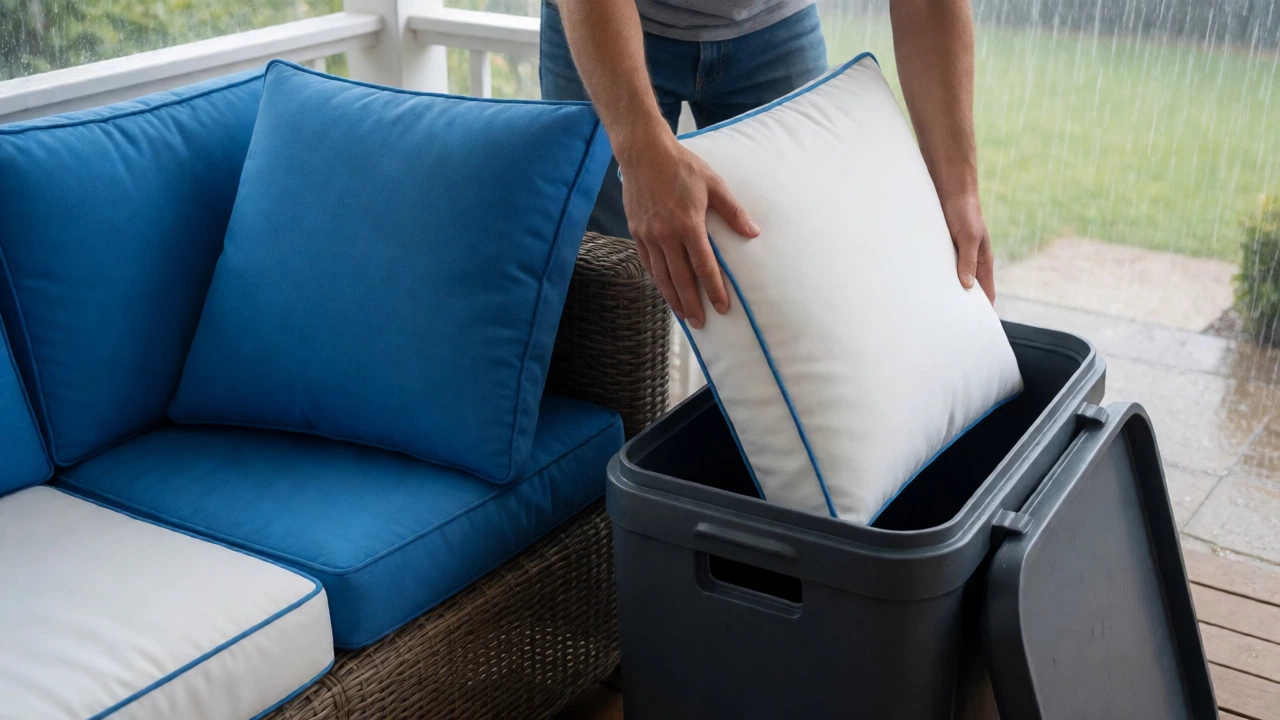
Your best strategy isn’t covering the whole set every time it drizzles. It’s removing the soft bits. Keep a dedicated storage box or a waterproof bag specifically for cushions. When rain threatens, grab the pillows and seat pads and toss them inside. Leave the metal or wood frames out. This cuts your work in half and protects the parts that are hardest to replace.
When You Actually Need to Cover Up
So, when should you bother pulling out the big covers? There are three specific scenarios where covering is non-negotiable:
- Prolonged Storms: If the forecast predicts days of continuous rain, cover the set. Continuous saturation prevents any drying cycle, inviting rot and rust.
- Falling Leaves and Sap: In autumn, trees drop debris that clogs drainage holes and stains fabrics. A cover keeps the mess off, saving you hours of scrubbing later.
- Bird Droppings: Birds don’t check the weather report. Their droppings are acidic and can etch into stone or stain porous wood permanently. A cover acts as a shield against avian accidents.
For a quick ten-minute shower? Skip it. Just wipe down the surfaces with a dry cloth once the rain stops to prevent water spots, especially on glass tables.
Proper Storage Habits That Save Money
Instead of reacting to every cloud, adopt a seasonal rhythm. During peak summer usage, keep furniture uncovered to maximize enjoyment. Use the time you save not covering things to maintain them. Wash cushions monthly if they are used daily. Check joints for loose screws after strong winds.
In winter, or during long periods of non-use, full coverage makes sense. Clean the furniture thoroughly first. Never store dirty furniture under a cover; you’ll trap grit and grime against the finish, causing scratches and discoloration. Let everything dry completely-wait 24 hours after the last rain-before wrapping it up. This single step prevents the vast majority of mold issues.
Alternatives to Traditional Covers
If you hate wrestling with bulky tarps, consider these low-maintenance options:
- Storage Benches: These double as seating and hideaway space. Toss cushions inside when rain starts. No heavy lifting required.
- Modular Pieces: Lightweight chairs are easier to stack and move under a veranda than one massive dining set.
- Quick-Dry Fabrics: Invest in outdoor cushions made from olefin or solution-dyed acrylic. They resist fading and dry much faster than polyester, reducing the urgency to cover them.
Ultimately, ask yourself: does the stress of covering justify the potential damage? For high-end, porous materials, yes. For robust aluminum and synthetic blends, probably not. Work smarter, not harder, by matching your maintenance routine to your furniture’s actual vulnerabilities.
Does rain ruin all outdoor furniture?
No, rain does not ruin all outdoor furniture. Materials like powder-coated aluminum, teak, and synthetic wickers are designed to withstand regular rainfall. However, untreated wood, iron (if not galvanized), and certain fabrics can suffer from rust, rot, or mildew if constantly exposed to moisture without proper drainage or drying time.
Should I cover my furniture if it is already wet?
It is generally better to let furniture dry out fully before covering it. Covering wet furniture with non-breathable materials traps moisture, creating a humid environment that promotes mold and mildew growth. If you must cover wet furniture, use a breathable cover with ventilation vents and remove it as soon as the sun comes out to allow evaporation.
How often should I wash outdoor furniture covers?
You should wash outdoor furniture covers at least twice a year, typically in spring before storing them and in autumn before putting them away for winter. Dirt and bird droppings can accumulate on the cover itself, which may transfer to the furniture underneath or cause the cover fabric to degrade over time due to acidic buildup.
Are expensive covers worth the investment?
Yes, if you have high-value furniture or live in a harsh climate. Cheap vinyl covers often crack in the sun and tear easily in wind, failing to protect the furniture and requiring frequent replacement. High-quality covers made from polyester or canvas with UV inhibitors and waterproof coatings last longer and provide better breathability, protecting your initial furniture investment more effectively.
Can I leave cushions outside in the rain?
It depends on the cushion material. Quick-dry foam with water-resistant covers can handle light rain and will dry within a few hours. However, standard polyfoam cushions absorb water like sponges and can stay damp for days, leading to internal mold. It is always safer to bring cushions indoors or into a dry storage box during rain showers.