 22
May,2026
22
May,2026
Corner Sofa Cushion Calculator
Configure Your Setup
Recommended Arrangement
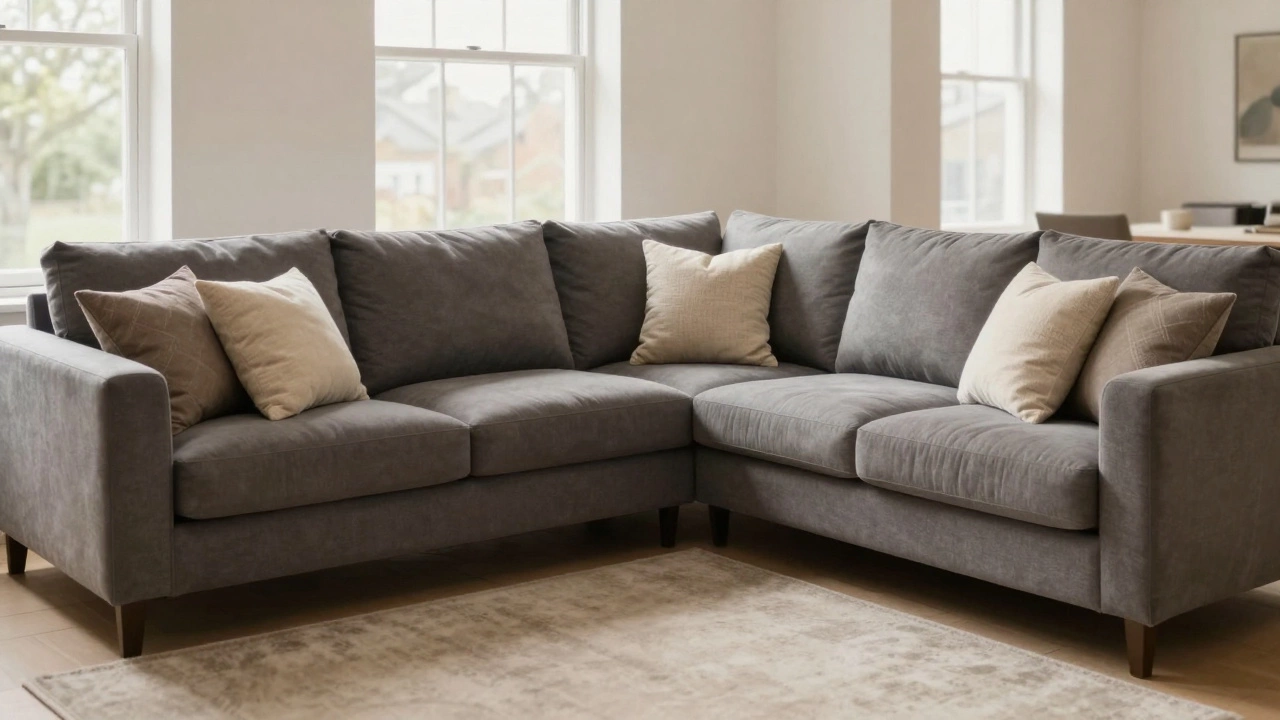
There is nothing worse than sinking into your favorite corner sofa only to realize it looks like a hotel lobby that gave up halfway through the night. You bought that beautiful L-shaped beast because you wanted comfort and style, but now it’s drowning in mismatched throws or sitting there looking stark and lonely. So, how many cushions should you actually have on a corner sofa? It’s not just about stuffing every gap with fabric; it’s about creating a look that feels intentional, cozy, and easy to live with.
The short answer? Aim for five to seven cushions total. This number strikes the sweet spot between cluttered chaos and bare-bones minimalism. But getting there requires understanding the geometry of your furniture, the function of each pillow, and the visual weight they add to your living space. Let’s break down exactly how to nail this without turning your lounge into a textile warehouse.
The Golden Rule: Odd Numbers and Visual Balance
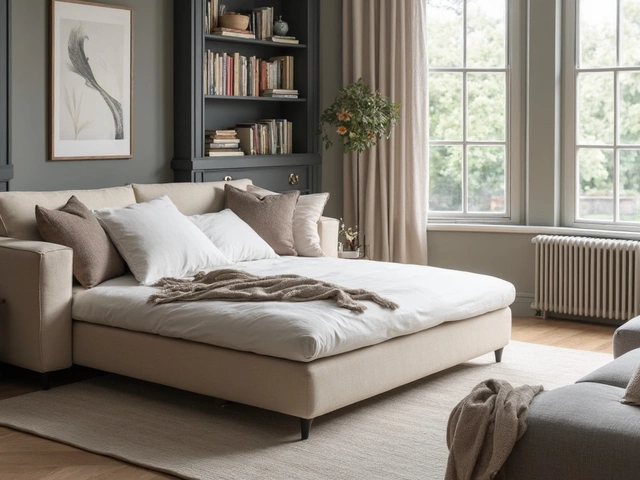
In interior design, odd numbers are your best friend. Even numbers create symmetry, which can feel stiff and formal. Odd numbers create movement and interest. When arranging corner sofa cushions decorative pillows used to enhance comfort and aesthetics on L-shaped or U-shaped seating arrangements, aiming for a total count of five, seven, or nine usually works best. For most standard-sized sectionals, seven is the magic number.
Why seven? Because it allows you to anchor the corners, fill the main seating areas, and leave just enough negative space so the sofa itself doesn’t disappear. If you go lower than five, the sofa looks incomplete. If you go higher than nine, you lose the ability to actually sit comfortably without wrestling with a mountain of foam. Think of your cushions as jewelry for your furniture: too little and it’s boring, too much and it’s tacky.
You also need to consider the "visual weight" of each cushion. A large, fluffy velvet pillow takes up more visual real estate than a small, flat lumbar support. If you’re using bulky European shams (those big square back pillows), you might only need three decorative throw pillows on top. If you’re going with slimmer, flatter cushions, you can afford to stack more. The goal is balance, not volume.
Mapping the Zones of Your Sectional
A corner sofa isn’t one uniform surface; it’s a collection of zones. To distribute your cushions effectively, you need to treat each section differently. Start by identifying the "anchor points." These are usually the outer arms or the deepest part of the chaise lounge. Place your largest cushions here-typically 22x22 inch or 24x24 inch squares. These act as the foundation, keeping everything else from sliding off when you flop down after a long day.
Next, look at the middle sections. This is where you want variety. Mix in some rectangular lumbar pillows (12x20 inches) for back support against the armrests. These aren’t just for show; they make watching TV or reading a book actually comfortable. Then, scatter smaller accent pillows (18x18 inches or even round ones) in the center or near the corner joint. This creates depth and prevents the arrangement from looking like a grid.
Don’t forget the corner itself-the actual L-junction. This area often gets neglected, but it’s prime real estate for a single, statement piece. A unique texture, like a chunky knit or a bold geometric print, placed right in the crook of the sofa draws the eye inward and makes the whole setup feel cohesive. It ties the two perpendicular sides together visually.
| Cushion Type | Standard Size (Inches) | Recommended Quantity | Primary Function |
|---|---|---|---|
| European Sham (Large Square) | 24x24 or 26x26 | 2-3 | Backdrop/Structure |
| Standard Throw Pillow | 20x20 or 22x22 | 2-3 | Comfort/Accent |
| Lumbar Pillow | 12x20 or 14x22 | 1-2 | Back Support |
| Accent/Small Pillow | 16x16 or Round 18 | 1-2 | Visual Interest |
Mixing Textures and Colors Without Clashing
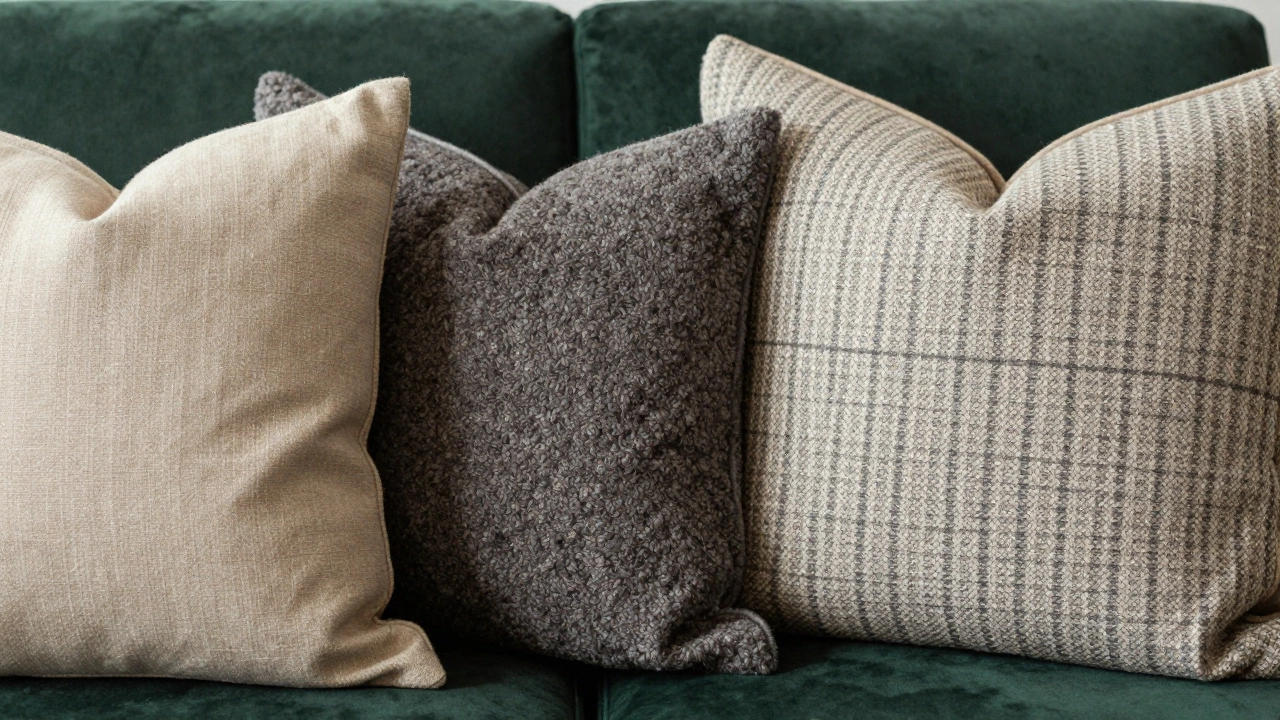
Once you have the quantity and placement sorted, you need to tackle the aesthetic side. The biggest mistake people make is buying a matching set of six identical pillows. It looks cheap and manufactured. Instead, aim for a curated mix. Pick a dominant color palette-maybe warm neutrals if you live in Melbourne and want that earthy vibe-and then introduce two or three contrasting textures.
For example, pair smooth linen with nubby wool, or sleek leather with soft cotton. Texture adds dimension even if all your pillows are the same color. If you do decide to go bold with patterns, follow the 70-20-10 rule: 70% solid colors, 20% subtle patterns (like stripes or dots), and 10% loud prints. This keeps the eye moving without overwhelming it. And remember, you can always swap out the top layer of pillows seasonally. Heavy knits for winter, light linens for summer. It’s an easy way to refresh your living room without buying new furniture.
If you’re struggling to find the perfect balance, sometimes looking outside your immediate environment helps. I once found inspiration for a high-contrast black-and-white scheme while browsing this resource that showcased luxurious, minimalist interiors in Dubai hotels. The key takeaway was simplicity: fewer, higher-quality pieces often outshine a crowded display. Apply that same logic to your sofa. Quality over quantity always wins.
Practical Tips for Everyday Living
Let’s be real: your sofa is for sitting, not just for Instagram photos. If your cushion arrangement means you have to play Tetris every time you want to sit down, it’s failing its primary job. Here are some practical adjustments to keep things functional:
- Leave breathing room: Don’t push every pillow flush against the wall or armrest. Leave an inch or two of gap. It looks more relaxed and inviting.
- Fluff daily: Memory foam holds its shape, but down and fiber fills deflate quickly. A quick shake in the morning keeps the look crisp.
- Use non-slip pads: If your cushions slide around constantly, buy silicone grip pads for the bottom. They cost pennies and save your sanity.
- Rotate them: Flip your pillows weekly to prevent uneven wear and tear, especially if sunlight hits one side of the room more than the other.
Also, consider who uses the sofa. If you have pets, avoid delicate silks or loose threads that claws can catch. Opt for durable canvas or microfiber. If you have young kids, skip the white linen unless you enjoy stress-cleaning. Darker tones or patterned fabrics hide spills better. Style shouldn’t come at the expense of sanity.
Common Mistakes to Avoid
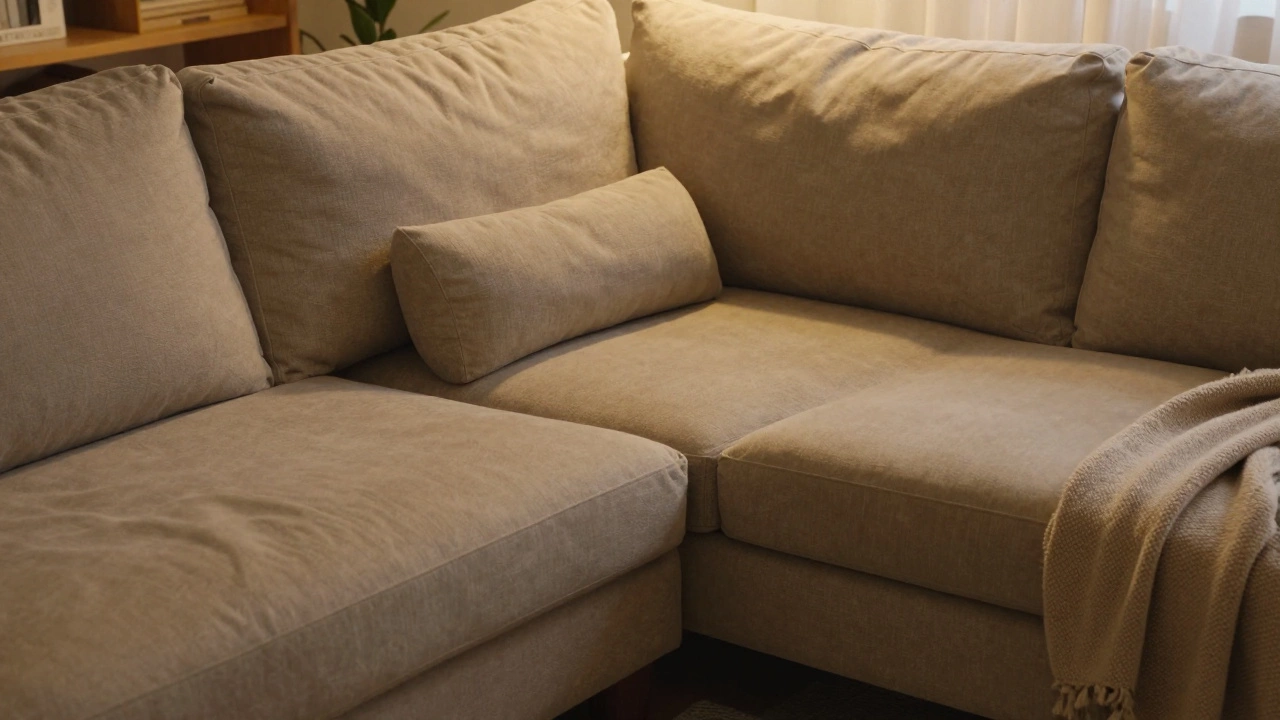
Even with the best intentions, it’s easy to slip up. One common error is overcrowding the chaise. The extended leg rest area is meant for lounging. Piling three large pillows there defeats the purpose. Keep the chaise clear or limit it to one slim lumbar pillow at the head end. Another mistake is ignoring scale. Tiny 16-inch pillows on a massive, oversized sectional look lost and insignificant. Make sure your cushion sizes are proportional to the seat depth and width. Generally, the pillow should cover about half to two-thirds of the seat cushion width.
Finally, don’t neglect the floor. If your corner sofa is low-slung, stacking too many tall pillows can make the seating feel cramped. Pull the rug forward so the front legs of the sofa sit on it, and ensure the cushions don’t spill onto the floor. A clean edge between the furniture and the floor makes the space feel larger and more organized.
How many cushions do I need for a small L-shaped sofa?
For a compact L-shaped sofa, stick to three to five cushions. Use two large squares for the back and one or two smaller accents. Overcrowding a small sofa makes the room feel tighter than it is.
Should all my sofa cushions match?
No, matching sets often look dated. Aim for a cohesive color palette with mixed textures and subtle patterns. This creates a layered, designer look rather than a catalog appearance.
What size pillows fit best on a standard corner sofa?
The standard sizes are 20x20 inches or 22x22 inches for square throws. For larger sectionals, 24x24 inch European shams work well as backdrops. Lumbar pillows should be around 12x20 inches.
Can I use different shapes of cushions?
Absolutely. Mixing squares, rectangles, and even round pillows adds visual interest. Just ensure the overall composition remains balanced and doesn’t look chaotic.
How do I stop cushions from sliding around?
Use silicone non-slip shelf liner cut to size under the cushions, or buy specialized gripper pads. Tucking the corners of the cushion covers tightly can also help them stay in place longer.