 19
Jul,2026
19
Jul,2026
Coffee Table Height Compatibility Checker
Measure Your Furniture
Analysis Result
Waiting...Enter measurements above
Input your sofa and coffee table heights to see how they compare against standard ergonomic guidelines.
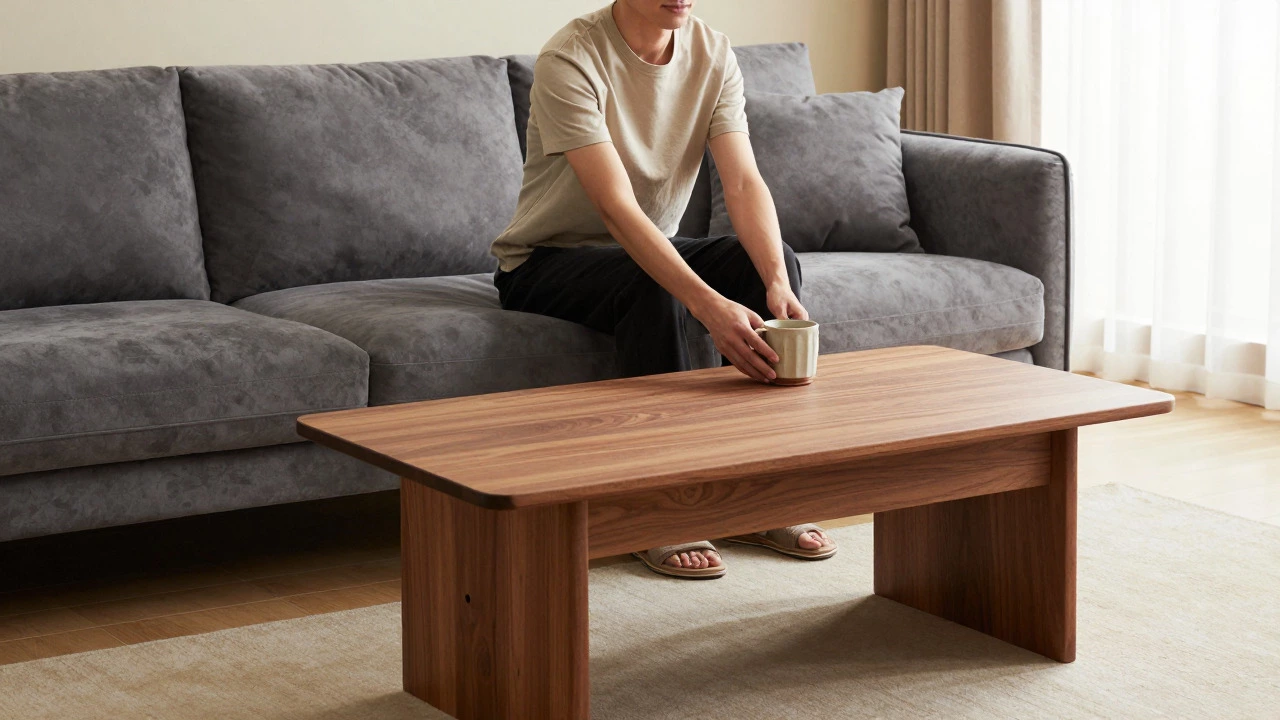
You’re sitting on your favorite sofa, legs stretched out, reaching for a drink. But wait-your arm has to crane upward to grab the mug from the coffee table. It feels awkward, doesn’t it? You might be wondering if you’ve broken some unspoken rule of interior design by having a coffee table that sits higher than your sofa seat. The short answer is: yes, it’s okay, but with caveats. While traditional design guidelines suggest the coffee table should be level with or slightly lower than the sofa seat, modern layouts and specific furniture styles often defy this norm without causing chaos. The real question isn't just about aesthetics; it's about ergonomics, safety, and how you actually use your space.
The Traditional Rule of Thumb
For decades, interior designers have adhered to a simple guideline: the top of the coffee table should be within 1 to 4 inches (2.5 to 10 cm) of the height of the sofa seat cushion. This creates a visual harmony where the eye flows smoothly across the seating area. When the table is too high, it can look like an obstacle rather than a companion piece. Think of it like a conversation between two people-if one person is standing on a ladder while the other sits in a chair, the dynamic feels off. Similarly, a towering coffee table disrupts the balance of the room.
This rule exists for practical reasons too. If the table is significantly higher than the seat, you’ll find yourself lifting your arms uncomfortably high to place items down or pick them up. Over time, this can lead to shoulder strain, especially if you spend hours lounging. Conversely, if the table is too low, you’ll be hunching over to see what’s on it, which defeats the purpose of relaxing. The goal is effortless access.
When a Higher Coffee Table Makes Sense
Rules are meant to be broken, especially when functionality takes precedence. There are several scenarios where a taller coffee table not only works but enhances the living experience.
- Low-Profile Sofas: Some modern sofas, particularly those with deep, plush cushions or floor-sitting designs, have seat heights as low as 14-16 inches (35-40 cm). In these cases, a standard 18-inch (45 cm) coffee table might seem disproportionately tall, but it’s necessary to provide usable surface area. Without it, you’d be crawling on the floor to reach your remote.
- Multi-Functional Spaces: If your living room doubles as a workspace or dining area, a higher table can serve as a desk or casual dining surface. A table at 28-30 inches (70-76 cm) allows you to sit upright with a laptop or plate, making it versatile for different activities.
- Visual Interest: In rooms with high ceilings or large windows, a taller, sculptural coffee table can add vertical interest and prevent the space from feeling flat. It acts as a focal point, drawing the eye upward and balancing the proportions of the room.
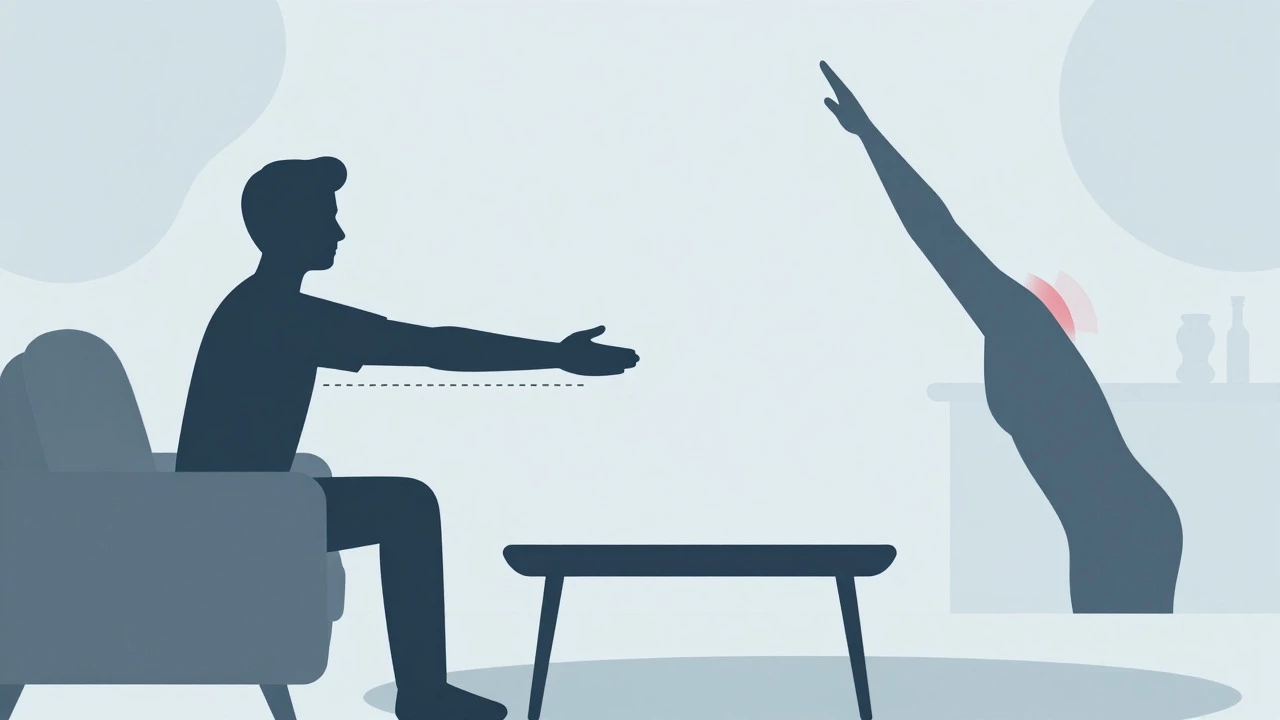
Ergonomics: Comfort vs. Style
Let’s talk comfort. Ergonomics is all about designing your environment to fit your body, not forcing your body to fit the environment. When a coffee table is higher than your sofa, consider the angle of your elbows. Ideally, your forearms should rest comfortably on the table surface without raising your shoulders. If you feel tension in your neck or upper back, the height difference is likely too great.
A good test is the "armrest check." Sit on your sofa and extend your arms forward. If the coffee table top aligns roughly with your elbow crease, you’re in the sweet spot. If it’s significantly above, you’re working against gravity every time you reach for something. For families with young children, a higher table might also pose a tipping risk if they climb on it, so stability becomes a key factor.
| Scenario | Sofa Seat Height | Ideal Coffee Table Height | Notes |
|---|---|---|---|
| Standard Living Room | 18-20 inches (45-50 cm) | 16-18 inches (40-45 cm) | Follows traditional design rules; ensures easy reach. |
| Low-Profile Sofa | 14-16 inches (35-40 cm) | 16-18 inches (40-45 cm) | Table may appear higher but provides necessary surface area. |
| High-Back Sofa | 20-22 inches (50-55 cm) | 18-20 inches (45-50 cm) | Keep table lower to avoid visual clutter and maintain accessibility. |
| Multi-Use Space | Variable | 28-30 inches (70-76 cm) | Functions as a desk or dining table; requires chairs, not just sofa seating. |
Safety Considerations for Families
If you have kids or pets, the height of your coffee table matters more than ever. A higher table with sharp corners can be a hazard. Children are naturally curious and may try to climb onto elevated surfaces. If the table is unstable or has a high center of gravity, it could tip over. Look for tables with wide bases or weighted bottoms if you opt for a taller design. Additionally, ensure that heavy items aren’t placed on the edge where a child might pull themselves up.
Pets, too, can knock things off higher tables. A dog jumping onto the sofa might accidentally bump into a protruding table leg or shelf. Keeping the table at a manageable height reduces the risk of accidents and makes cleaning easier-you won’t have to stretch excessively to wipe down spills.

Styling Tips for a Taller Coffee Table
So, you’ve decided to keep your higher coffee table. How do you make it look intentional rather than accidental? Here are some styling tricks to integrate it seamlessly into your decor.
- Layer with Lower Items: Place books, trays, or decorative boxes on the table to create varying levels. This draws the eye downward and softens the height difference.
- Choose a Lighter Color: Dark, bulky tables can feel imposing. Opt for lighter woods, glass tops, or metal frames to reduce visual weight.
- Add Greenery: Tall plants or vases can bridge the gap between the table and the surrounding space, creating a natural flow.
- Use Rugs to Define Space: A large rug under both the sofa and coffee table anchors the arrangement, making the height discrepancy less noticeable.
Remember, the goal is cohesion. If the table clashes with the sofa’s style or scale, no amount of styling will fix it. Ensure the materials and colors complement each other, even if the heights don’t perfectly match.
Alternatives to Consider
If a higher coffee table feels wrong for your space, explore alternatives. Nesting tables offer flexibility-you can adjust their positions based on need. Ottomans or poufs can serve as makeshift side tables, providing extra surface area without the commitment of a fixed-height piece. Floating shelves mounted on the wall near the sofa can also hold essentials like remotes and snacks, keeping the floor clear and maintaining a streamlined look.
Another option is a modular coffee table system. These allow you to configure the height and shape according to your sofa and usage patterns. Some models even feature adjustable legs, giving you the best of both worlds.
What is the ideal height difference between a coffee table and a sofa?
The ideal height difference is typically 1 to 4 inches (2.5 to 10 cm), with the coffee table being slightly lower than or equal to the sofa seat height. This ensures comfortable access and visual balance.
Can I use a dining table as a coffee table?
Yes, but it depends on the height. Standard dining tables are around 30 inches (76 cm) tall, which is much higher than most sofas. Use it only if you have matching chairs or if it serves a multi-functional purpose in your space.
How do I measure my sofa seat height accurately?
Measure from the floor to the top of the seat cushion, compressing it slightly to simulate sitting pressure. Do not include the backrest or armrests in the measurement.
Are there any risks associated with a very high coffee table?
Yes, higher tables can pose tipping hazards for children and pets. They may also cause ergonomic strain if you frequently reach up to place items. Ensure the table is stable and consider its placement relative to foot traffic.
What should I do if my coffee table is too high?
Consider replacing it with a lower model, adding a thick rug underneath to raise the sofa’s effective height, or using nesting tables that can be adjusted. Styling with lower-profile decor can also help visually minimize the height difference.