 29
Nov,2026
Plastic Safety Checker
Flip over your plastic container and look for the number inside the chasing arrows triangle. Select the number below to see its safety rating and best uses.
Select a plastic code to view details.
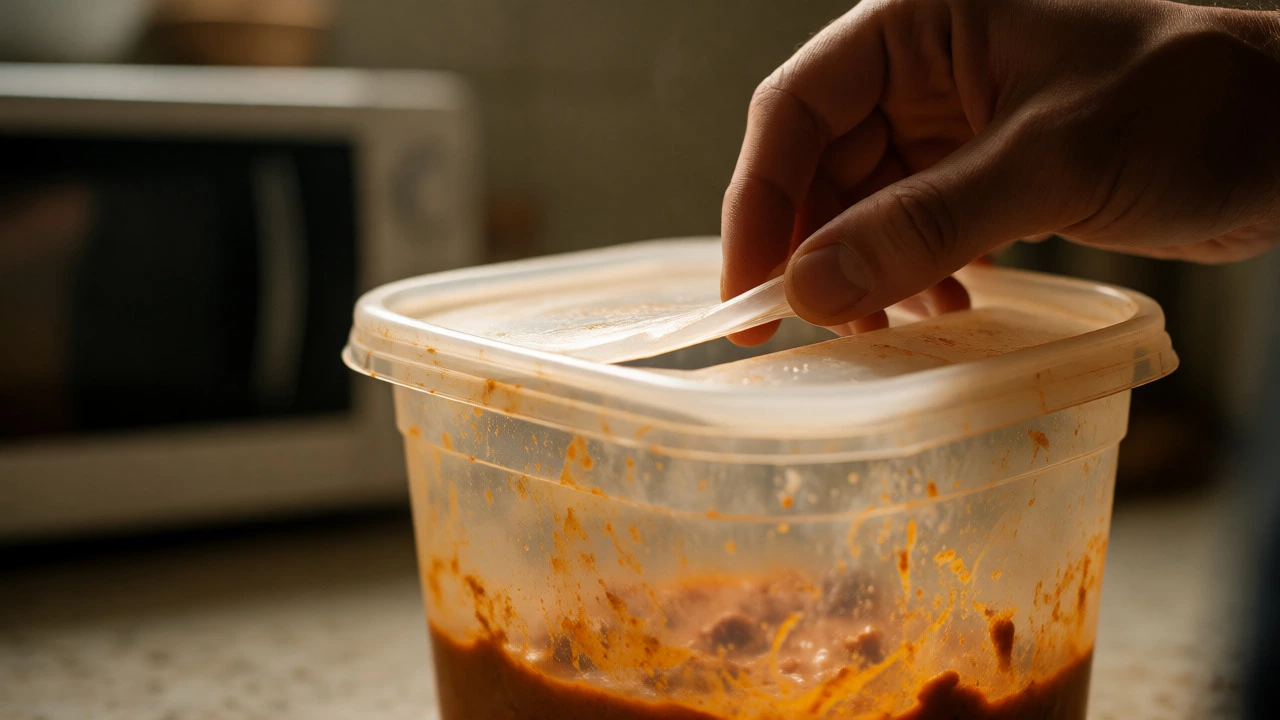
You’re standing in your kitchen, holding a leftover curry from last night. You reach for the nearest container, snap the lid on, and shove it into the fridge. But wait-is that plastic actually safe? Or are you slowly poisoning yourself with chemicals leaching into your dinner?
It’s a question every homeowner asks at some point. We love plastic because it’s cheap, lightweight, and unbreakable. But between horror stories about microplastics and confusing recycling symbols, it’s hard to know what’s going on inside those tubs. The short answer? Yes, it is generally okay to store things in plastic containers, but only if you pick the right type and treat them correctly.
The Good, The Bad, and The Leachables
Not all plastics are created equal. Some are stable and inert; others break down easily when exposed to heat or acidic foods. The main concern here is Bisphenol A (BPA), an industrial chemical used to make certain plastics harder and clearer. When BPA leaches into food, it can mimic estrogen in the body, potentially messing with hormones. While many countries have banned BPA in baby bottles, it still lurks in older or cheaper containers.
But BPA isn’t the only villain. There’s also phthalates, which make plastics flexible, and PVC, which often contains lead stabilizers. If you’re storing dry goods like pasta or screws in a garage, you don’t need to worry too much. But if you’re microwaving lasagna in a thin, flimsy tub, you might be accelerating the breakdown of these materials.
Decoding the Recycling Triangle
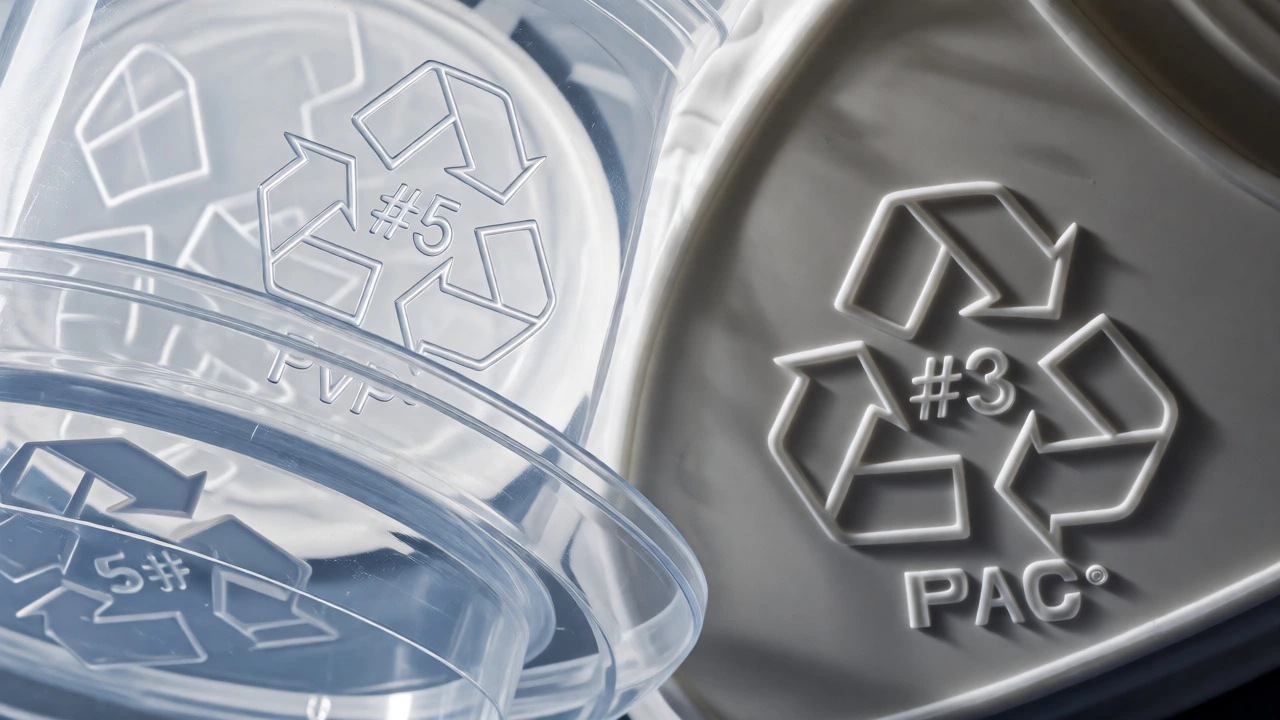
Flip over any plastic container, and you’ll see a number inside three chasing arrows. This isn’t just for recyclers; it tells you how safe the plastic is for food contact. Here’s the quick cheat sheet:
- #1 PET/PETE: Great for water bottles. Single-use only. Don’t reuse it for hot soups.
- #2 HDPE: Very safe. Used in milk jugs and detergent bottles. Stable and resistant to moisture.
- #3 PVC: Avoid for food. Often called "the poison plastic" due to potential dioxins and phthalates.
- #4 LDPE: Safe. Found in squeeze bottles and cling wrap. Generally considered low-risk.
- #5 PP: The gold standard for food storage. High melting point, dishwasher safe, and chemically stable.
- #6 PS: Styrofoam. Risky for hot or fatty foods. Leaches styrene, a probable carcinogen.
- #7 Other: The wildcard bucket. Includes polycarbonate (often has BPA) and newer bioplastics. Check the label specifically.
If you want peace of mind, stick to #2, #4, and #5. They are the workhorses of safe plastic storage.
| Code | Name | Safety Level | Best Use Case |
|---|---|---|---|
| 2 | HDPE | High | Cold storage, pantry items |
| 4 | LDPE | High | Squeeze bottles, wraps |
| 5 | PP | Very High | Microwave, freezer, dishwasher |
| 1 | PET | Medium | Single-use beverages |
| 6 | PS | Low | Cold takeout containers only |
| 3 | PVC | Low | Avoid for food |
When Plastic Fails: Heat and Acid
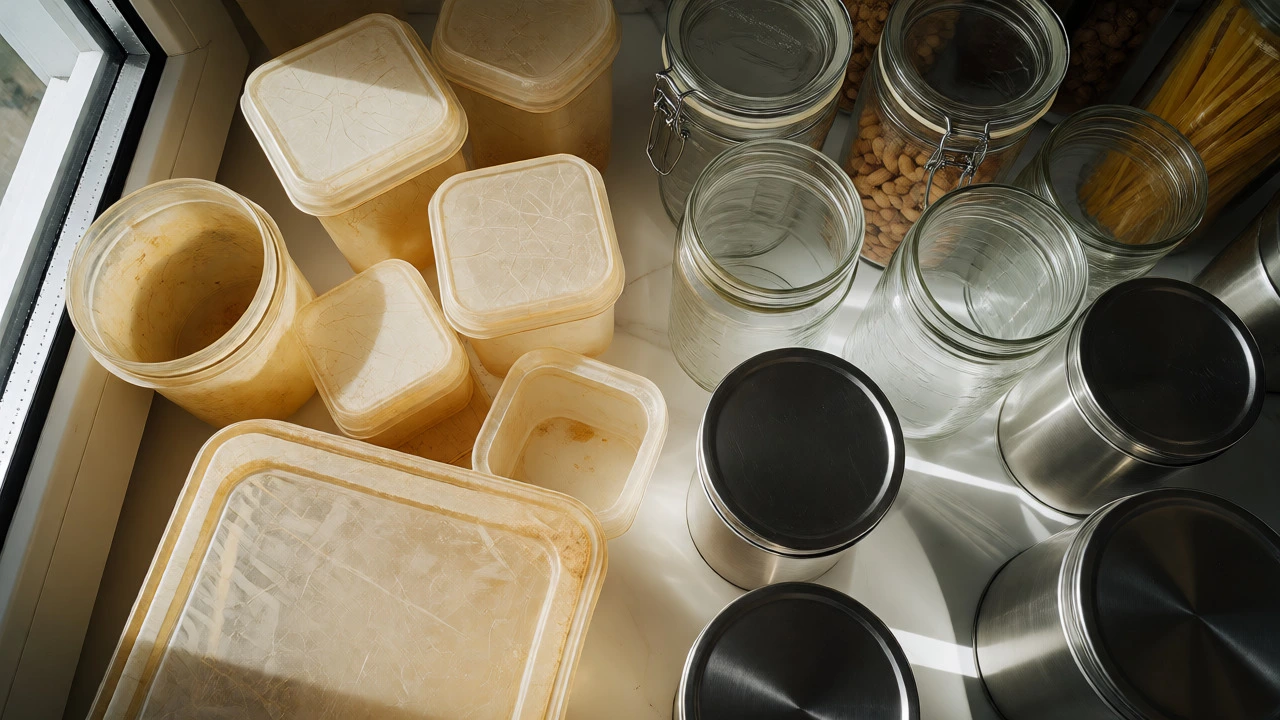
Even safe plastic has limits. Polypropylene (#5) is tough, but it’s not invincible. Subjecting it to extreme temperatures repeatedly causes it to degrade. You know that cloudy look old Tupperware gets? That’s physical evidence of wear. Micro-cracks form, harboring bacteria and increasing the surface area for chemical leaching.
Acidic foods are another trigger. Tomato sauce, citrus juices, and vinegar-based dressings can react with certain plastics. If you’ve ever noticed your red curry staining a white container permanently, that’s a sign the plastic absorbed the compounds. For highly acidic or oily foods, glass is always the better bet. Plastic should handle neutral pH foods like grains, nuts, and leftovers that aren’t heavily sauced.
Practical Rules for Your Kitchen
So, how do you use plastic without losing sleep? Follow these rules of thumb:
- Check the Label: Look for "Microwave Safe" or "Freezer Safe." These certifications mean the manufacturer tested the material under stress.
- No Hot Foods Directly In: Let soups cool before putting them in plastic. Steam warps lids and accelerates degradation.
- Ditch the Scratched Ones: If a container is scratched deeply, toss it. Those grooves are breeding grounds for mold and release more particles.
- Avoid Dishwasher Racks: Unless specified, keep plastic off the bottom rack near the heating element. Top rack only.
- Use Glass for Long-Term Storage: If you’re freezing stock for six months, use glass jars. Plastic is fine for weekly meal prep, but glass preserves flavor better over time.
Environmental Impact: The Big Picture
We can’t talk about plastic without mentioning the planet. Australia generates roughly 130 kilograms of plastic waste per person annually, and only about 9% gets recycled effectively. Choosing reusable plastic over single-use bags is a win, but choosing durable plastic over disposable ones is even better.
However, plastic containers eventually end up in landfills. Glass and stainless steel are infinitely recyclable and don’t degrade in quality. If sustainability is your primary driver, consider transitioning high-use items to glass gradually. Keep plastic for non-food uses-like organizing craft supplies, hardware, or seasonal decorations-where its durability shines without health risks.
Alternatives Worth Considering
If you’re hesitant about plastic, you have options. Borosilicate glass (like Pyrex) handles thermal shock well, meaning you can go from freezer to oven. Stainless steel is indestructible and great for lunchboxes, though you can’t microwave it. Silicone bags are flexible and reusable, perfect for snacks and frozen veggies, though they absorb odors easily.
There’s no one-size-fits-all solution. A hybrid approach works best: use glass for cooking and long-term storage, plastic for portable lunches and pantry organization, and silicone for freezing small portions.
Can I microwave any plastic container?
No. Only microwave-safe plastics, typically labeled with a wavy line symbol or made of Polypropylene (#5), should go in the microwave. Other plastics may melt or leach chemicals when heated.
How do I remove smells from plastic containers?
Wash with warm soapy water, then soak in a mixture of baking soda and water overnight. Alternatively, leave them in direct sunlight for a few hours, as UV light helps break down odor-causing compounds.
Are BPA-free plastics completely safe?
BPA-free means Bisphenol A is absent, but manufacturers often replace it with BPS or BPF, which may have similar effects. To minimize risk, avoid heating these plastics and opt for glass or stainless steel for hot foods.
Why does my plastic container turn yellow?
Yellowing is usually caused by exposure to UV light or oxidation from air and food fats. It doesn’t necessarily mean the container is unsafe, but it indicates aging. Replace it if it becomes brittle or cracked.
Can I freeze food in plastic containers?
Yes, provided the container is labeled freezer-safe. Leave space at the top for expansion, as liquids expand when frozen. Polypropylene (#5) is ideal for freezing.