 23
Apr,2026
23
Apr,2026
Closet Space Optimizer & Estimator
Your Current Space
Efficiency Analysis
Enter your closet dimensions to see the difference custom systems make.
Quick Takeaways on Custom Storage
- Custom designs replace generic shelving with tailored layouts.
- Focuses on maximizing vertical space and accessibility.
- Includes a professional design process from consultation to installation.
- Increases home value by adding permanent, functional built-ins.
The Shift from Generic Shelving to Custom Systems
Most homes come with a standard reach-in closet: a single bar and maybe one shelf at the top. It's a design that hasn't changed in decades, and it's incredibly inefficient. You end up with a "dead zone" at the bottom of the closet and a cluttered mess of hangers. Custom systems change this by treating the closet as a piece of architecture rather than just a hole in the wall.
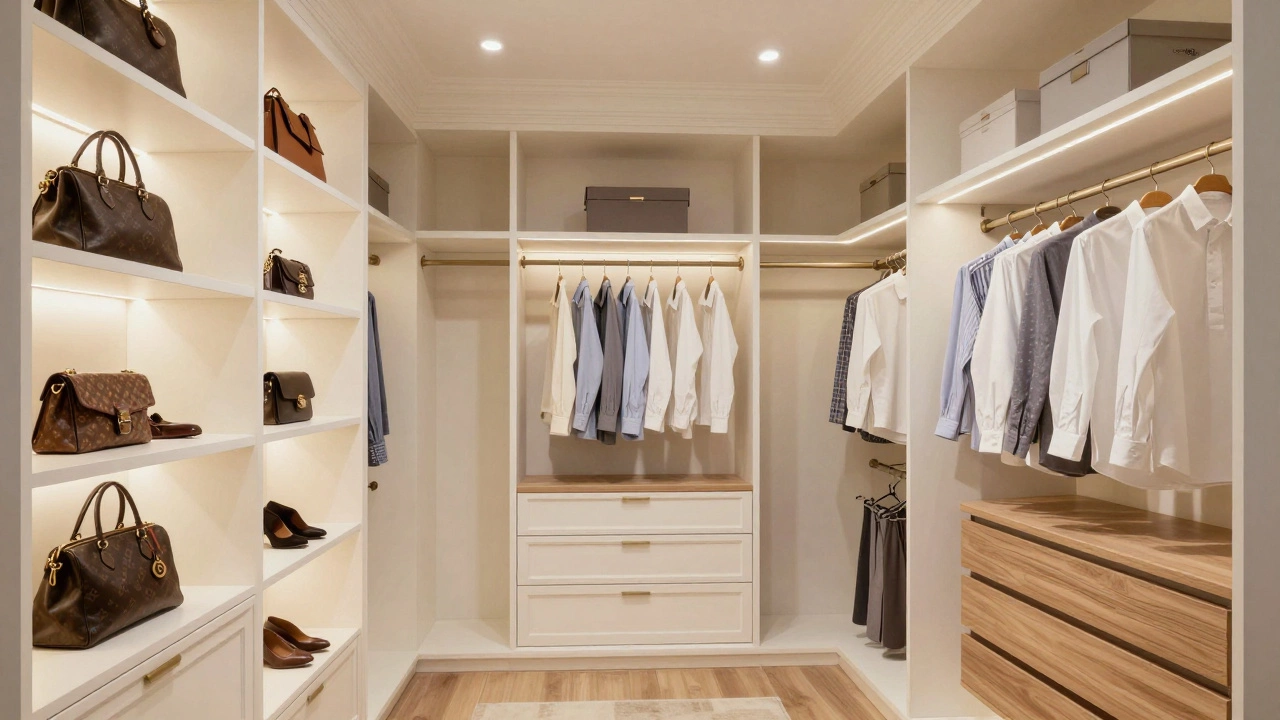
When you move toward a professional system, you're utilizing Custom Cabinetry. Unlike a standalone wardrobe you buy at a big-box store, these are built-in. They use the full height of your walls, often going all the way to the ceiling to store off-season coats or bulky suitcases. By mixing long-hang sections for dresses with double-hangs for shirts, you can effectively double your usable hanging space without adding a single square inch to your room's footprint.
How the Custom Process Actually Works
You don't just pick a box from a catalog. The process is more like a home renovation project. It starts with a consultation where a designer looks at your specific inventory. Do you have fifty pairs of heels? Do you prefer folding your sweaters or hanging them? This data dictates the layout.
The design phase usually involves Computer-Aided Design (CAD) software. This allows you to see a 3D rendering of the space before a single piece of wood is cut. For example, if you have a shallow closet, a designer might suggest pull-out drawers instead of deep shelves, so you don't lose your favorite t-shirt in the dark back corner of a shelf. Once the plan is locked, professional installers handle the mounting, ensuring the system is anchored to the wall studs for maximum weight capacity.
| Feature | Standard Reach-in | Custom System |
|---|---|---|
| Space Utilization | Low (mostly empty air) | High (floor-to-ceiling) |
| Flexibility | Fixed rod/shelf | Adjustable shelves & drawers |
| Aesthetics | Basic/Industrial | High-end finishes & lighting |
| Installation | Pre-installed by builder | Professional custom fit |
Key Components of a High-End Wardrobe
A truly functional closet is a puzzle of different components. It's not just about shelves; it's about the right tools for the right garment. For instance, Valet Rods are small, retractable bars used to hang a single outfit for the next day or to hold dry cleaning. They prevent the main rack from becoming overcrowded.
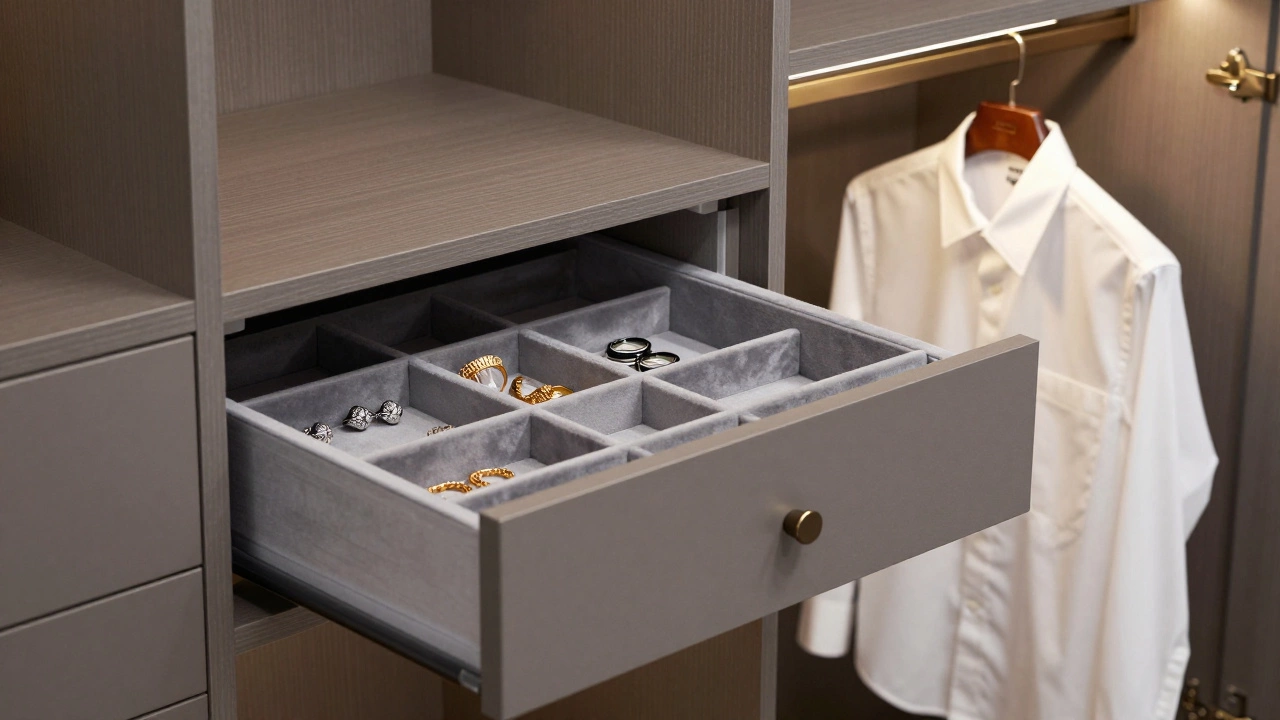
Then there are the drawers. Soft-close glides are a standard in luxury systems, preventing that loud slamming sound and protecting the structure of the cabinetry. Many people now opt for jewelry trays-shallow drawers with velvet inserts-which turn a closet into a dressing room. When you combine these with Integrated LED Lighting, you eliminate the "shadow effect" where you can't tell if a shirt is navy blue or black because the overhead room light doesn't reach inside.
Beyond the Bedroom: Expanding the Concept
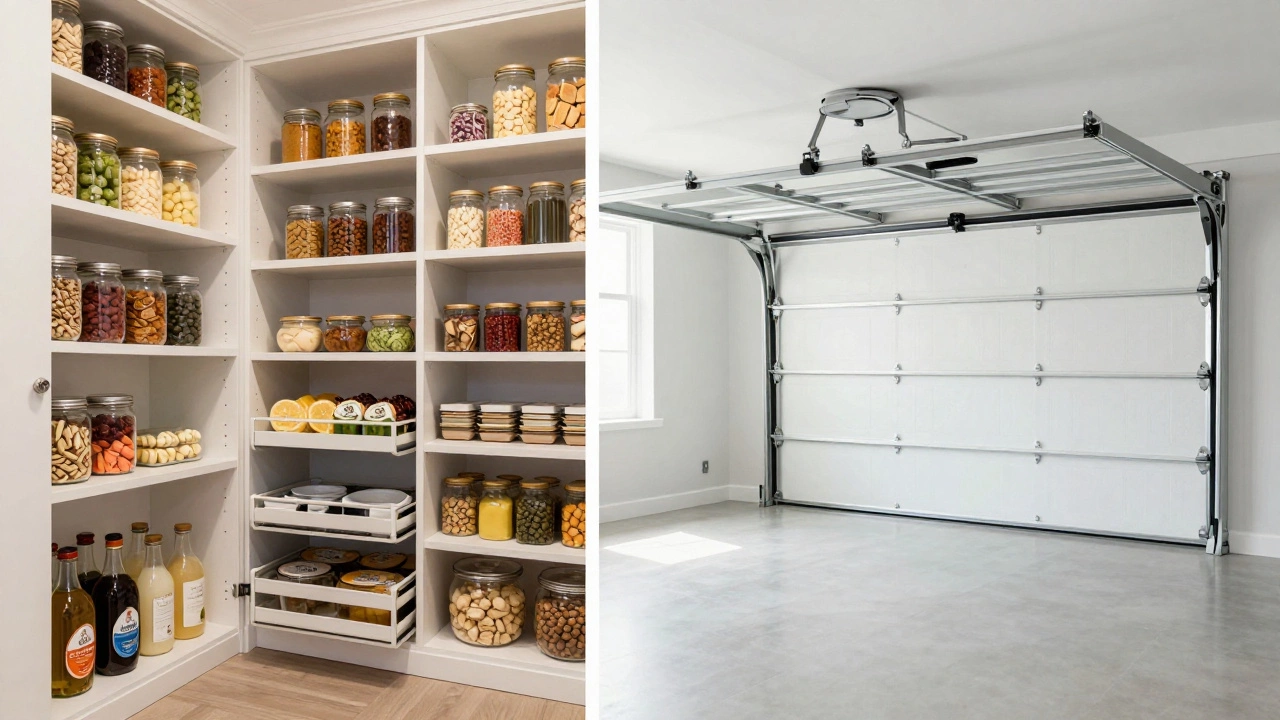
While we usually think of wardrobes, the logic of the "California style" extends to the rest of the house. The Walk-in Pantry is a perfect example. Instead of deep, dark pantry shelves where cans of soup go to die, custom systems use pull-out pantries and tiered shelving. This ensures that every item is visible and accessible, significantly reducing food waste because you can actually see what you have.
The same principle applies to the garage. Most garages are a chaotic mix of lawnmowers and holiday decorations. Professional Garage Storage Systems use heavy-duty wall panels and overhead racks to move everything off the floor. This transforms a parking spot into a functional workspace. Whether it's a bedroom or a garage, the goal is the same: remove the friction from your daily tasks by organizing the environment around your habits.
Investment and Home Value
Custom closets are a significant investment, often costing thousands of dollars depending on the materials and size. However, real estate experts often view them as a high-return upgrade. When a potential buyer walks into a master bedroom and sees a fully finished, organized walk-in closet, it creates a feeling of luxury and order. It's a tangible feature that suggests the home has been well-maintained.
If you're on a budget, you don't have to do the whole house. Starting with a primary bedroom closet provides the most immediate impact on your quality of life. Using materials like Melamine (a durable, easy-to-clean engineered wood) can keep costs down while still providing the structural benefits of a custom build. For those wanting a more timeless look, solid wood or high-gloss lacquered finishes offer a more boutique feel.
Are California Closets only for huge walk-in spaces?
Not at all. While they are famous for massive walk-ins, custom systems are actually most useful in small, awkward spaces. They can turn a tiny reach-in closet into a highly efficient storage hub by using corners and vertical space that standard shelving ignores.
How long does the installation process take?
The physical installation usually takes one to two days. However, the total timeline from the first design consultation to the final walkthrough can take several weeks, as the components are typically manufactured to your specific measurements in a factory before being brought to your home.
Can I change the layout later if my needs change?
Many custom systems are designed with modularity in mind. While the main frames are permanent, many of the shelves and rods are adjustable. If you find you have more shoes and fewer hanging dresses three years from now, you can often move the shelves up or down to accommodate the change.
What is the difference between a custom closet and a DIY kit?
DIY kits are "one size fits most," meaning you often have gaps at the edges or have to cut pieces yourself to make them fit. Professional custom systems are measured to the millimeter, meaning they fit perfectly against your walls, eliminating gaps where dust collects and providing much higher weight support through professional anchoring.
Do custom closets help with clothing preservation?
Yes. By providing proper spacing and specialized storage (like drawers for knits to prevent stretching), custom systems prevent clothes from being crushed or wrinkled. Better airflow and organized hanging also help keep garments in better condition over time.
Next Steps for Organizing Your Space
If you're feeling overwhelmed by your current storage, don't start by buying bins. Start by auditing your stuff. Spend a weekend sorting your clothes into three piles: keep, donate, and toss. Once you know exactly what you're keeping, you can draw a rough sketch of your "dream" layout. Whether you hire a professional company or attempt a semi-custom build, knowing your inventory is the only way to ensure the final result actually works for your lifestyle.