 9
Aug,2026
9
Aug,2026
Sofa Color & Spatial Perception Calculator
Configuration
Analysis Results
Approximate Sofa Appearance
Based on light bounce effect in your room size.
Status: Select options and click Analyze to see results.
Ever walked into a living room and felt instantly cramped, even though the square footage seemed fine? It’s rarely about the actual dimensions. More often, it’s about how your eyes perceive depth and boundaries. When you’re shopping for sofa sets is a collection of matching or coordinating seating furniture designed to maximize comfort and style in a living area., the color choice isn’t just aesthetic-it’s structural. Specifically, when asking what color gray makes a room look bigger, the answer lies in lightness, undertones, and texture.
Gray has become the neutral backbone of modern interiors because it adapts to almost any lighting condition. But not all grays are created equal. A dark charcoal sectional can anchor a large space beautifully but will shrink a small apartment. Conversely, a pale ash gray can push walls outward, creating an illusion of expansiveness. If you want your space to feel open and airy while investing in quality seating, understanding these nuances is critical.
The Science of Light Reflection and Spatial Perception
To understand why certain shades work better than others, we need to look at how light interacts with surfaces. This concept is known as Light Reflectance Value (LRV). LRV measures the percentage of visible light reflected from a surface. White reflects nearly 85% to 90% of light, while black absorbs almost all of it. Grays fall somewhere in between, typically ranging from 10% to 70% depending on the specific shade.
When you choose a sofa set with a high LRV-meaning a very light gray-you are essentially turning that piece of furniture into a mirror for ambient light. In a small room, this bounce effect prevents shadows from pooling in corners, which is where our brains register "edges" and "limits." By keeping the light moving, you trick the eye into seeing further than the physical wall allows.
- High LRV Grays (60-75%): These include shades like misty white, silver sand, and pale dove. They reflect maximum light and create the strongest sense of openness.
- Medium LRV Grays (30-50%): Think greige, warm taupe-gray, or medium slate. These provide balance but don’t significantly expand space unless paired with very light walls.
- Low LRV Grays (<30%): Charcoal, graphite, and storm cloud. These absorb light, adding coziness but reducing perceived volume.
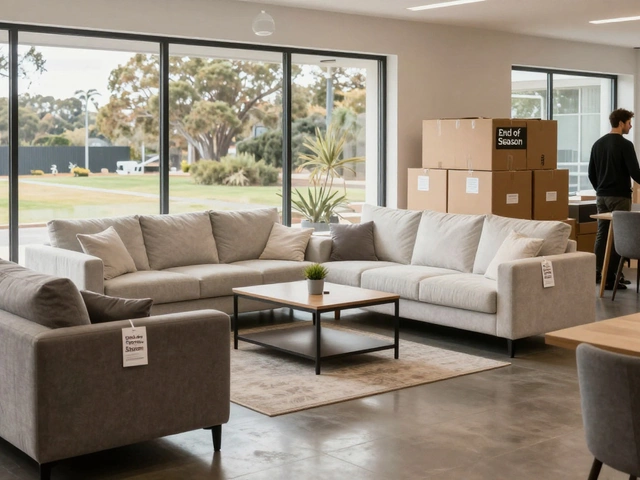
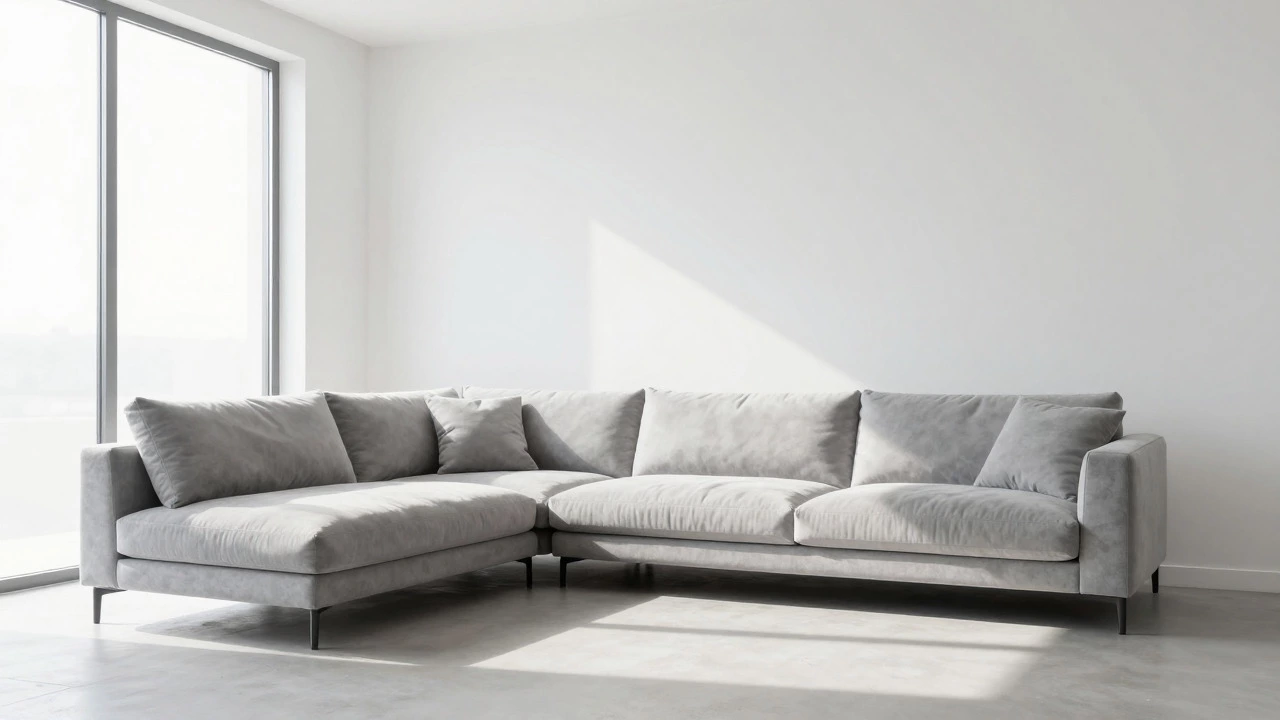
If your goal is strictly to make a room look bigger, stick to the top tier. A light gray sofa set acts as a canvas rather than an object, blending seamlessly with lighter wall colors to eliminate visual barriers.
Choosing the Right Undertone: Warm vs. Cool Grays
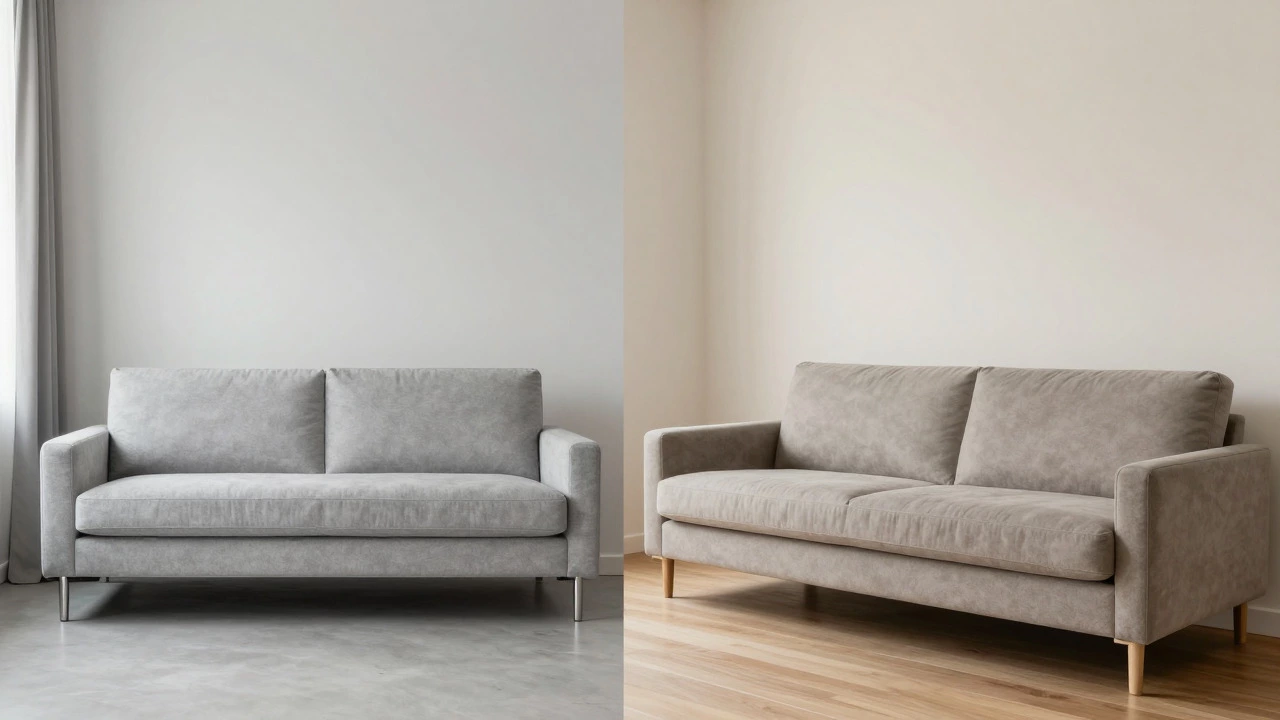
Not every light gray will work in every home. The undertone of the gray plays a massive role in how the space feels. Grays generally lean either warm (with hints of beige, brown, or yellow) or cool (with hints of blue, green, or purple). Getting this wrong can make a room feel flat or dirty, even if the shade is technically light.
In Melbourne, Australia, where natural light varies dramatically between seasons, cool grays can sometimes feel sterile or cold during winter months. However, they excel at creating a crisp, clean backdrop that enhances the feeling of airiness. For rooms with north-facing windows (which receive softer, cooler light), a cool-toned light gray sofa set can harmonize with the environment, preventing the space from feeling muddy.
On the other hand, warm grays-often called "greige"-add subtle warmth without sacrificing brightness. They are particularly effective in south-facing rooms that lack direct sunlight. A warm light gray sofa set helps bounce the limited available light while maintaining a welcoming atmosphere. The key is to ensure the gray doesn’t get too dark; once it crosses into mid-tone territory, the spatial-expanding benefits diminish.
| Undertone Type | Best Lighting Condition | Spatial Effect | Ideal Pairing |
|---|---|---|---|
| Cool Light Gray | North-facing / Bright Sunlight | Creates crisp, expansive feel | White walls, chrome accents |
| Warm Light Gray (Greige) | South-facing / Low Light | Softens edges, adds gentle depth | Cream walls, wood tones |
| Neutral Light Gray | Any Direction | Balanced expansion | Light oak flooring, linen textures |
Texture Matters: How Fabric Influences Perceived Size
You might have the perfect shade of light gray, but if the fabric is heavy and textured, you could still lose the illusion of space. Texture affects how light scatters across the surface of your sofa sets. Smooth fabrics like microfiber, tight-weave cotton, or leather reflect light uniformly, contributing to a sleek, streamlined look that doesn’t visually clutter the room.
Conversely, plush velvets, chunky knits, or boucle fabrics create micro-shadows within their weave. While these materials add luxury and comfort, they break up the smooth plane of the sofa, making it appear larger and more dominant in the room. If you’re working with a compact living area, opt for a light gray sofa set with a low-pile, smooth finish. This minimizes visual noise and keeps the focus on the overall architecture of the room rather than the furniture itself.
Consider the legs of the sofa as well. Floating designs or sofas with exposed, slender legs allow light to pass underneath, reinforcing the connection between the floor and the seat. This continuity helps the eye travel unimpeded across the room, enhancing the sense of width.
Strategic Placement and Color Harmony
A light gray sofa set won’t magically expand a room if it’s isolated against a dark wall or surrounded by bulky, dark accessories. Context is everything. To maximize the spatial benefits, integrate your sofa into a cohesive color palette. Monochromatic schemes-using varying shades of gray, white, and off-white-are powerful tools for blurring boundaries.
Here’s a simple strategy:
- Match Wall Proximity: Keep the sofa color within two shades of your wall color. If your walls are pure white, a stark white sofa might blend too much, losing definition. A very light gray provides enough contrast to define the furniture while still receding visually.
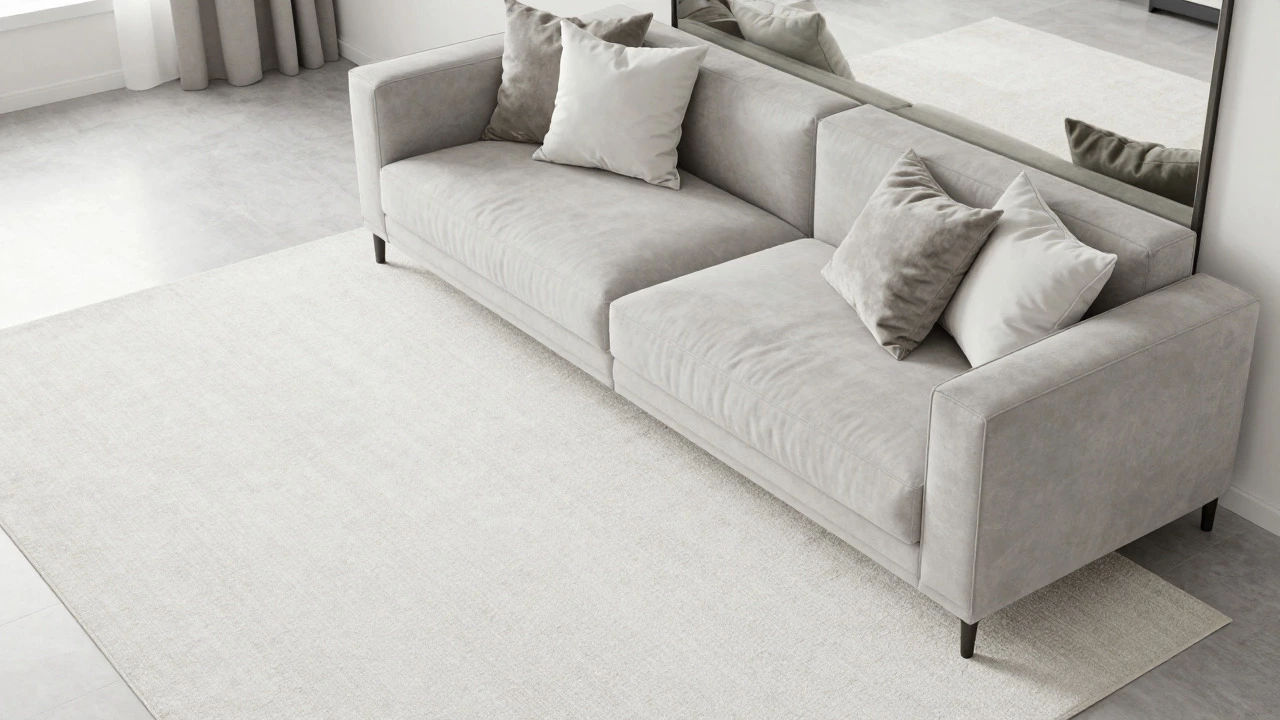
- Extend the Floor Line: Use a large, light-colored rug that extends beyond the front legs of the sofa. This ties the seating area together and creates a continuous base, making the floor area appear larger.
- Limit Visual Clutter: Avoid dark throw pillows or heavy blankets on a light gray sofa set. Stick to whites, creams, or metallics. Dark accents draw the eye inward, shrinking the perceived footprint of the furniture.
Mirrors placed opposite or adjacent to the sofa can amplify this effect. A large mirror reflecting a light gray sofa doubles the visual presence of the light source, effectively doubling the perceived depth of the room.
Common Mistakes to Avoid
Even with the right shade, poor execution can undermine your efforts. One common error is choosing a gray that is too close to beige or brown. While warm, these tones can muddy the visual clarity needed for space expansion. Another mistake is ignoring the scale of the sofa set relative to the room. An oversized sectional, regardless of color, will dominate a small space. Opt for proportional pieces with clean lines.
Also, beware of "dirty" grays-shades that contain too much red or orange undertone. These can make a room feel enclosed and stale. Always test paint swatches or fabric samples in your actual living space at different times of day. Natural light changes throughout the day, and a gray that looks bright and airy at noon might appear dull and heavy in the evening.
Conclusion: Creating Openness Through Design
Selecting the right gray for your sofa sets is about more than just picking a favorite color. It’s a strategic decision that impacts how you experience your home daily. By choosing a light gray with a high Light Reflectance Value, paying attention to undertones that match your lighting, and selecting smooth textures, you can transform a cramped living area into a spacious, inviting retreat. Remember, the goal is to let light flow freely, allowing your eyes to wander without hitting visual walls. With careful consideration, your sofa set becomes not just a place to sit, but a tool for expanding your world.
What is the best gray shade for a small living room?
The best gray shade for a small living room is a light gray with a high Light Reflectance Value (LRV), such as misty white, silver sand, or pale dove. These shades reflect the most light, helping to push walls outward and create an illusion of greater space. Avoid dark or medium grays, as they absorb light and can make the room feel smaller.
Do cool or warm grays make a room look bigger?
Both cool and warm light grays can make a room look bigger, but their effectiveness depends on your lighting. Cool light grays work best in bright, north-facing rooms, creating a crisp, expansive feel. Warm light grays (greige) are better for south-facing or darker rooms, as they add softness without sacrificing brightness. The key is to keep the shade light regardless of the undertone.
How does sofa texture affect the size of a room?
Texture influences how light interacts with the sofa surface. Smooth fabrics like microfiber or leather reflect light uniformly, creating a sleek look that doesn't visually clutter the room. Textured fabrics like velvet or boucle create micro-shadows, making the sofa appear larger and more dominant. For small spaces, choose smooth, light gray fabrics to maintain an open feel.
Can a dark gray sofa ever make a room look bigger?
Generally, no. Dark gray sofas absorb light and tend to anchor a space, making it feel cozier but smaller. However, in a very large room with high ceilings, a dark gray sofa can add necessary visual weight without overwhelming the space. For small to medium rooms, stick to light grays to maximize the perception of size.
What should I pair with a light gray sofa set to enhance space?
Pair a light gray sofa set with light-colored walls, a large light rug, and minimal dark accessories. Use mirrors to reflect light and the sofa itself, doubling the visual depth. Keep throw pillows and blankets in whites, creams, or metallics to avoid drawing the eye inward. Exposed sofa legs also help by allowing light to pass underneath, enhancing the sense of openness.