 13
Aug,2026
13
Aug,2026
Couch Quality & Cost Calculator
Budget
$500 - $1,200
ParticleboardMid-Range
$1,200 - $3,000
Hardwood FramePremium
$3,000+
Designer/CustomEstimated Total Cost
Walking into a furniture store or scrolling through an online catalog can feel like stepping into a financial minefield. One moment you are looking at a sleek, modern sectional for $800, and the next, you are staring at a nearly identical design priced at $4,500. It is confusing, frustrating, and honestly, a bit scary. You want something that looks good, feels comfortable, and actually lasts more than a year. But how do you define "good quality" when the price tags vary so wildly?
In 2026, the average price of a truly good quality couch sits between $1,500 and $3,500. This range covers mid-range to upper-mid-range options where you get solid construction, durable fabrics, and decent warranty coverage without paying for designer markup. If you go below $1,000, you are often compromising on longevity. If you go above $4,000, you are usually paying for brand prestige, exotic materials, or custom craftsmanship rather than pure structural integrity.
Defining "Good Quality" Beyond the Price Tag
Before we talk numbers, we need to agree on what makes a couch "good." A cheap-looking frame wrapped in expensive velvet isn't quality. True quality comes from three core components: the frame, the suspension, and the upholstery.
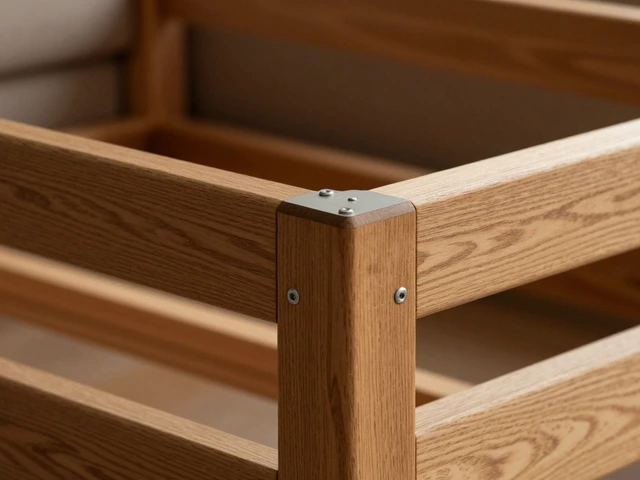
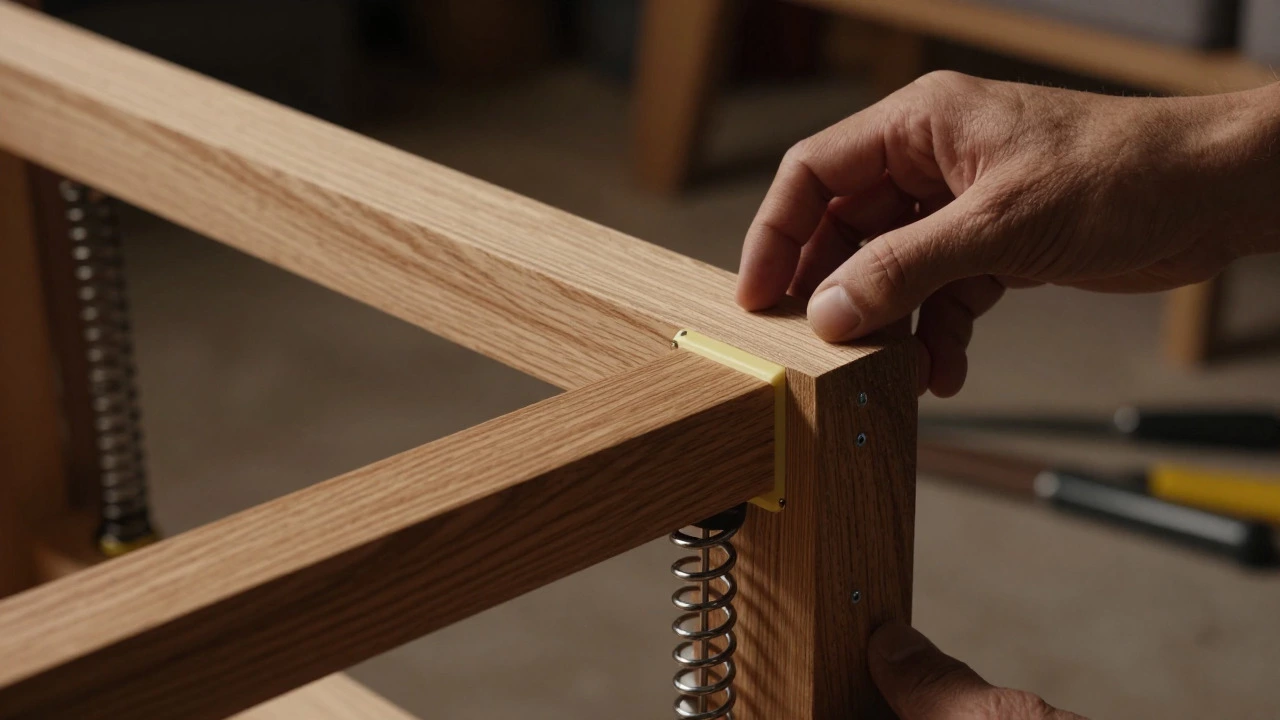
A high-quality frame should be made of kiln-dried hardwoods like oak, maple, or ash. Kiln-drying removes moisture, preventing the wood from warping or cracking over time. Avoid particleboard or softwoods like pine unless they are heavily reinforced. The joints matter too. Look for corner-blocked joints reinforced with screws and glue, not just staples or nails. Staples pull out; screws hold tight.
Next is the suspension system. This is what holds your weight. High-end couches use eight-way hand-tied springs, which offer superior support and longevity. Mid-range options often use sinuous (zigzag) springs, which are perfectly fine if they are thick-gauge steel and well-attached. Cheap couches use webbing or thin coils that sag within months. Finally, the cushions. High-resilience foam (HR foam) retains its shape better than standard polyurethane foam. Down-blend cushions look plush but require frequent fluffing. A mix of foam core with down wrap offers the best balance of comfort and structure.
The Price Tiers: What You Get for Your Money
To understand the average cost, let's break down the market into clear tiers. This helps you decide where your budget lands based on your lifestyle needs.
| Tier | Price Range (AUD) | Frame Material | Cushion Fill | Expected Lifespan |
|---|---|---|---|---|
| Budget / Entry-Level | $500 - $1,200 | Particleboard, Softwood | Low-density Polyfoam | 1 - 3 Years |
| Mid-Range (The Sweet Spot) | $1,200 - $3,000 | Kiln-Dried Hardwood | High-Resilience Foam, Down Blend | 5 - 10 Years |
| Premium / Designer | $3,000 - $6,000+ | Solid Hardwood, Metal Reinforcement | Hand-Tied Springs, Natural Latex/Down | 10 - 20+ Years |
The "sweet spot" for most households is the mid-range tier. Here, you find brands that focus on durability without the luxury markup. In Australia, this includes reputable local manufacturers and established international brands that import solid frames. You pay for better engineering, not just aesthetics.
Factors That Skyrocket the Cost
Why does one couch cost $1,500 while another costs $4,000? Several factors drive up the price beyond basic materials.
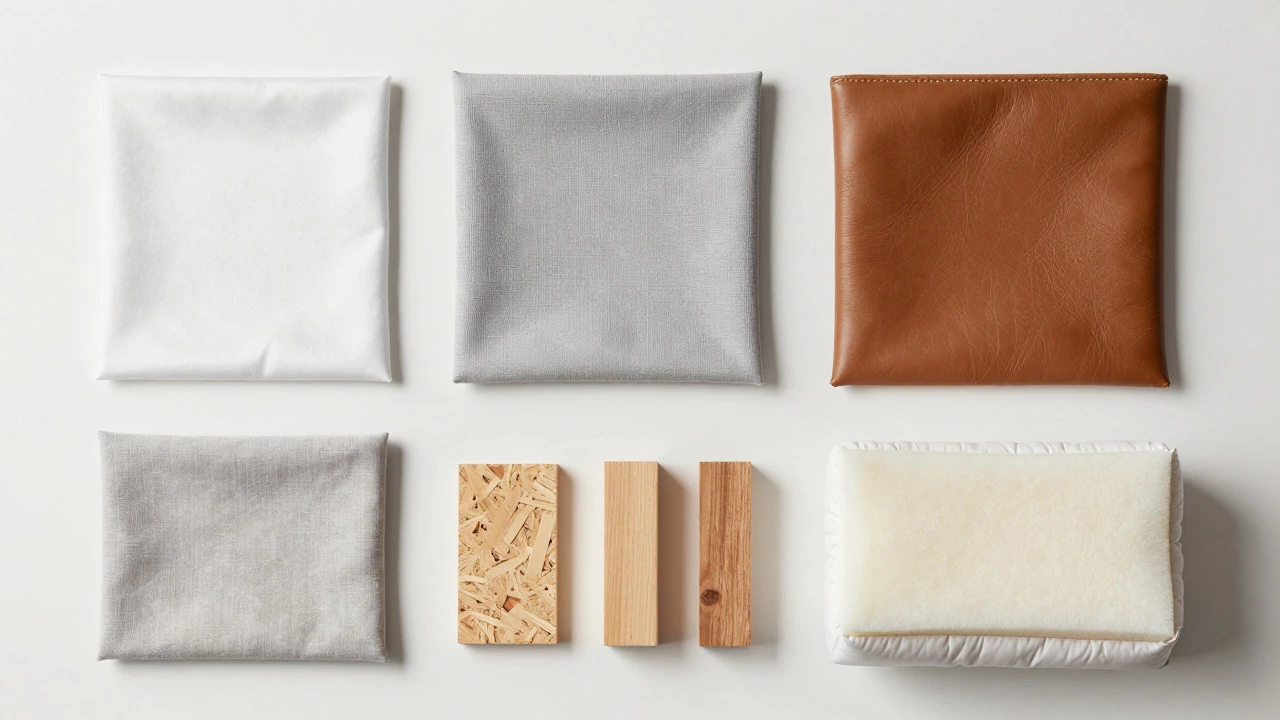
Fabric Choice: Standard polyester blends are affordable. Performance fabrics like Crypton, which resists stains, moisture, and odors, add significantly to the cost. Genuine leather, especially full-grain or top-grain, is expensive due to processing and scarcity. Vegan leathers have improved but still carry a premium over synthetic polyesters.
Size and Configuration: A loveseat will always cost less than a six-seater sectional. Sectionals with chaises, recliners, or modular pieces require more complex engineering and fabric cutting, increasing labor costs. Custom sizes also mean no mass-production discounts.
Brand Reputation: Designer labels charge for their name. You might pay double for a couch from a high-end boutique compared to a similar quality piece from a direct-to-consumer brand. Ask yourself: are you buying the sofa, or the logo?
Delivery and Assembly: In Melbourne and other major cities, delivery fees can range from $100 to $300 depending on size and floor access. White-glove service (room of choice, assembly, packaging removal) costs extra. Always factor this into your total budget.
Hidden Costs to Watch For
When calculating the average price, don't forget the hidden expenses. A $2,000 couch might end up costing $2,500 by the time it is set up. Common hidden costs include:
- Legs and Feet: Some brands charge extra for upgraded wooden or metal legs.
- Protective Sprays: Fabric guards applied at purchase can add $50-$150.
- Extended Warranties: Often sold aggressively at checkout. Check if the manufacturer already offers a comprehensive warranty before buying add-ons.
- Return Shipping: If the couch doesn't fit or you dislike it, return shipping for large furniture can be hundreds of dollars.
How to Test for Quality Before Buying
You don't need to be an engineer to spot a bad couch. Use these simple tests in-store or check product specs online.
The Sit Test: Sit on the edge, then the center. Does it feel supportive or does it bottom out? Lean back. Does the frame creak? A good couch should feel firm but yielding, not rigid or mushy.
The Lift Test: Try to lift the front legs off the ground. If the couch is lightweight for its size, it likely has a hollow or particleboard frame. Solid wood frames are heavy. Weight is a good indicator of material density.
The Fabric Rub: Rub the fabric vigorously with your hand. Does it pill or show wear marks? High-quality fabrics resist pilling. Check the rub count if buying online; aim for at least 30,000 double rubs for household use.
Check the Back: If possible, look at the back of the couch. It should be covered in breathable dust cover fabric, not plastic or cardboard. The dust cover should be stitched tightly, not glued.
Buying Smart in the Australian Market
The Australian furniture market has unique dynamics. Local manufacturing is limited, so many brands import frames and upholster locally, or import fully assembled units. Import duties and shipping costs affect final prices.
Look for brands that offer transparency about their supply chain. Companies like Herman Miller or Steelcase dominate the office sector, but for home living rooms, brands like Freedom Furniture, Harvey Norman's premium lines, and specialized boutiques offer varying quality levels.
Timing matters. Sales events like Boxing Day, Easter, and end-of-financial-year sales (June) often see discounts of 20-30%. However, never buy a low-quality couch just because it is on sale. A discounted bad couch is still a waste of money.
Maintaining Your Investment
Once you buy a good quality couch, maintain it to extend its life. Vacuum weekly to remove dust and grit that abrade fibers. Rotate cushions monthly to ensure even wear. Clean spills immediately with a damp cloth and mild detergent, avoiding harsh chemicals that break down fabric treatments.
Keep your couch out of direct sunlight to prevent fading. Use curtains or blinds during peak hours. For leather couches, condition every six months to keep the hide supple and prevent cracking.
Is it worth spending more than $3,000 on a couch?
For most people, no. The jump in quality from $2,000 to $3,000 is noticeable, but beyond $3,000, you are often paying for brand prestige or exotic materials like genuine top-grain leather or hand-carved wood. Unless you have specific ergonomic needs or want a heirloom piece, a well-chosen $2,500 couch will serve you just as long as a $5,000 one.
What is the lifespan of a mid-range couch?
A mid-range couch ($1,200 - $3,000) with a hardwood frame and high-resilience foam should last 7 to 10 years with normal use. Heavy daily use, pets, or children may shorten this to 5 years. Premium couches can last 15-20 years or more.
Are second-hand couches a good value?
Second-hand couches can be great deals, but inspect them thoroughly. Check for sagging springs, broken frames, and stains that won't come out. Upholstery hides wear, but the frame tells the truth. If the frame is solid wood and the springs are intact, you can save 50% or more. Avoid upholstered items from unknown sources due to potential bed bugs or mold.
Does a higher rub count mean better quality?
Rub count measures abrasion resistance, not overall quality. A fabric with 50,000 rubs is durable but could still look cheap or feel stiff. Look for a combination of high rub count (30,000+) and natural fiber content or high-tech performance weaves for the best balance of durability and comfort.
What type of frame is best for a couch?
Kiln-dried hardwoods like oak, maple, or ash are the gold standard. They resist warping and provide strong support. Avoid particleboard, MDF, or softwoods like pine unless they are heavily reinforced with metal brackets. Corner-blocked joints with screws and glue are essential for longevity.