 5
Feb,2026
5
Feb,2026
Outdoor Wood Durability Calculator
Find Your Perfect Outdoor Wood
Choose your climate and budget to get personalized recommendations for long-lasting garden furniture.
Your Climate
Select the climate conditions where you'll use your furniture.
Your Budget
Select your budget range for garden furniture.
Recommended Wood Types
Choosing the right wood for outdoor furniture isn't just about looks-it's about survival. Rain, sun, and temperature swings can turn a beautiful piece into splinters in just a few years. But some durable outdoor wood types stand up to nature's toughest tests. Let's break down which types last longest outside, based on real-world performance and expert testing.
Teak: The Gold Standard for Outdoor Durability
Teaka tropical hardwood known for its natural oils and high durability is the gold standard when it comes to outdoor wood. Its natural oils act like a built-in shield against moisture and insects. You'll find teak on yacht decks worldwide because it handles saltwater and constant exposure without rotting. In Australia's varied climate, teak furniture can last over 75 years with minimal care. Just wipe it down occasionally-no need for sealants. The downside? It's expensive. But if you're looking for a one-time investment, teak's longevity makes it worth every penny.
Cedar: Nature's Own Protector
Cedara softwood with natural rot-resistant oils is a popular choice for garden furniture, especially in humid areas. It contains natural compounds called thujaplicins that fight fungal decay and repel insects. This makes cedar ideal for rainy climates like Melbourne. A well-maintained cedar piece typically lasts 15-20 years. It's more affordable than teak, and its aromatic scent keeps bugs away. Just remember to apply a UV-resistant sealant every couple of years to prevent fading. Without it, cedar will turn silvery-gray, which some people love for its rustic look.
Redwood: The Classic Choice
Redwooda durable wood with natural tannins for decay resistance has been a go-to for outdoor furniture for decades. It's similar to cedar but slightly less durable. Redwood contains tannins that resist decay, but it's not as oil-rich as teak. Expect 10-15 years of service life with proper care. It's moderately priced and easy to work with. However, redwood needs regular sealing to maintain its rich color. If you leave it untreated, it will weather to a soft gray. In dry climates like parts of Australia, redwood holds up well, but in wetter regions, you'll need to stay on top of maintenance.
Eucalyptus: Sustainable and Sturdy
Eucalyptusa fast-growing, eco-friendly hardwood is a fast-growing, eco-friendly option. It's dense and naturally rot-resistant, making it a good middle-ground choice. Eucalyptus furniture typically lasts 10-15 years. It's more affordable than teak or cedar, but it does require regular sealing. In Melbourne's temperate climate, eucalyptus performs reliably. Just make sure to use a high-quality sealant to protect against moisture. The downside? It can crack if not properly maintained. But for budget-conscious buyers, it's a solid pick.
Pressure-Treated Pine: Budget-Friendly but Not Forever
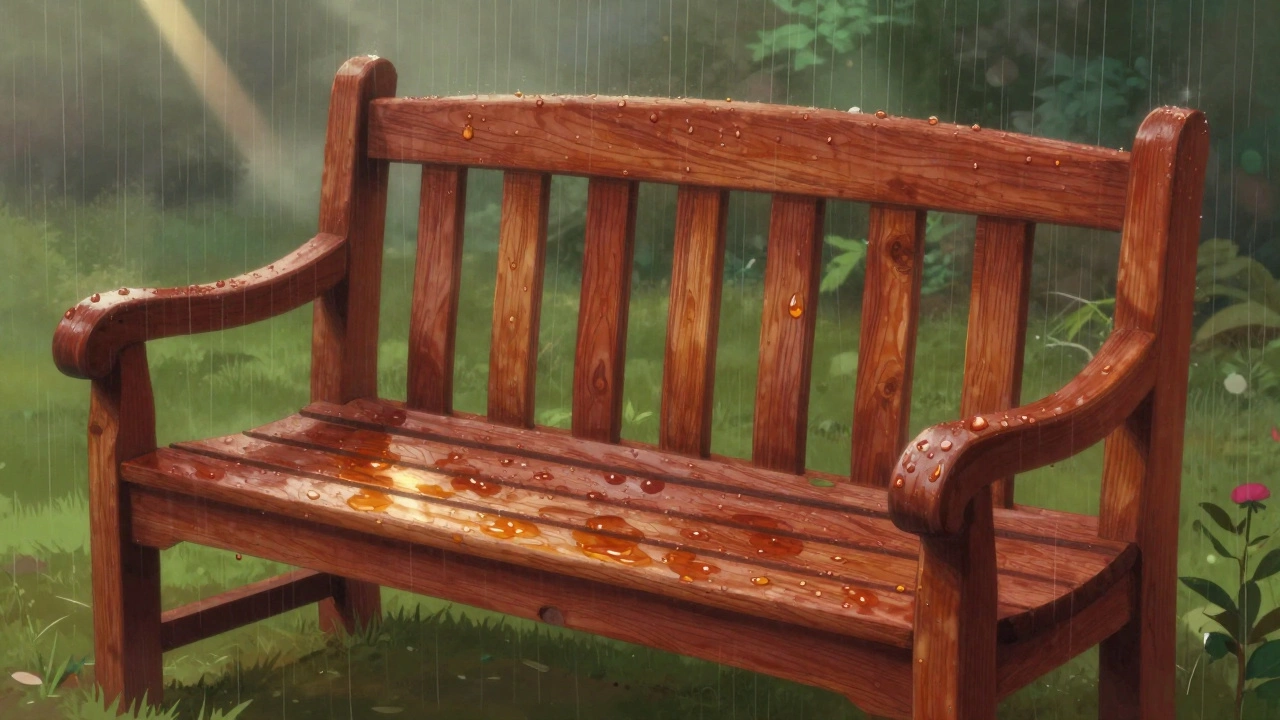
Pressure-treated pinechemically treated softwood for outdoor use is common for outdoor structures like decks, but it's less ideal for furniture. The treatment process infuses the wood with chemicals to resist rot, but it can warp or crack over time. While it lasts 10-15 years, it often needs more upkeep than hardwoods. In Australia, pressure-treated pine is affordable and widely available, but it's not the best for high-quality garden furniture. If you choose it, always apply a wood sealer annually to extend its life.
Comparison: Which Wood Wins?
| Wood Type | Years of Durability | Cost Level | Maintenance Needed | Best Climate |
|---|---|---|---|---|
| Teak | 75+ years | High | Minimal | All climates |
| Cedar | 15-20 years | Moderate | Low to moderate | Humid, rainy areas |
| Redwood | 10-15 years | Moderate | Regular sealing | Dry to moderate climates |
| Eucalyptus | 10-15 years | Low | Regular sealing | Temperate climates |
| Pressure-Treated Pine | 10-15 years | Low | High | Varies |
Common Mistakes That Shorten Wood Lifespan
Many people ruin their outdoor furniture by skipping basic care steps. Here are the top mistakes to avoid:
- Skipping sealants: Even durable woods like cedar and redwood need sealing every 2-3 years. Without it, they fade and crack faster.
- Using harsh cleaners: Bleach or pressure washers strip natural oils. Stick to mild soap and water.
- Leaving furniture exposed: Rain and UV damage add up. Cover furniture when not in use or store it indoors during harsh weather.
- Ignoring moisture buildup: Standing water causes rot. Ensure furniture has proper drainage and isn't sitting in puddles.
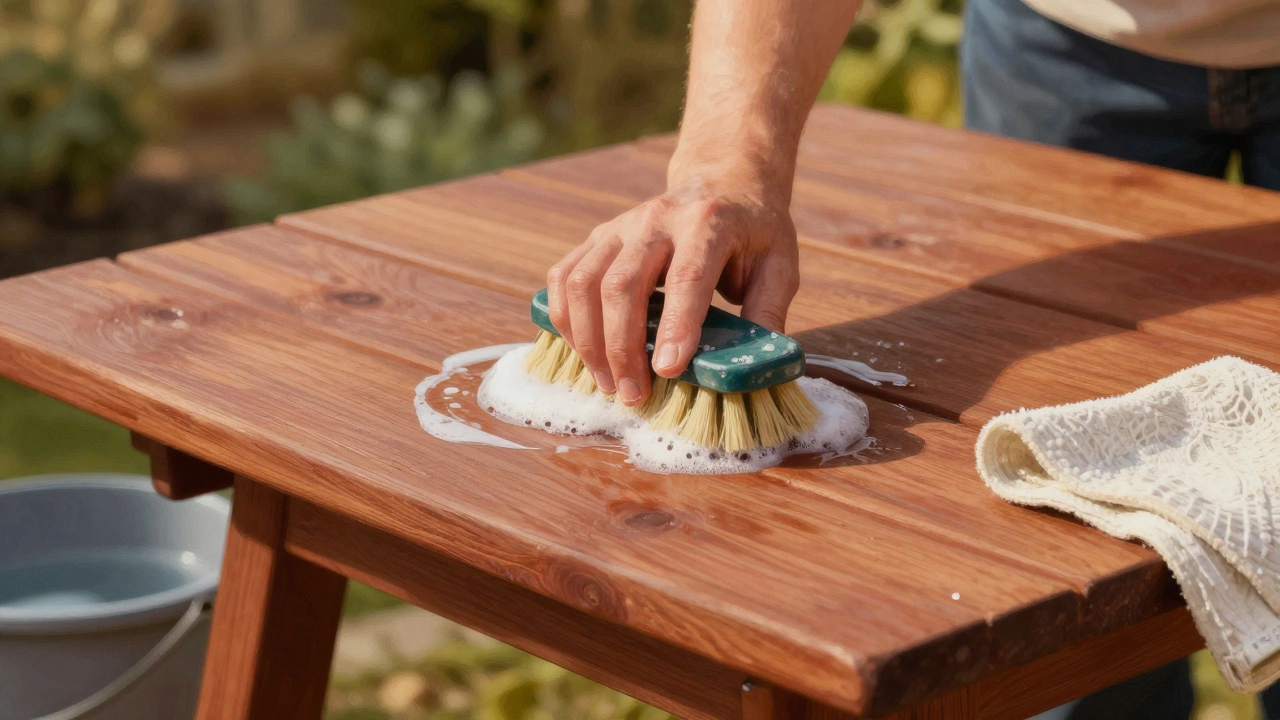
Maintenance Tips for Long-Lasting Wood
To keep your garden furniture looking great:
- Clean regularly: Use a soft brush and soapy water. Avoid abrasive tools.
- Reapply sealant: Follow manufacturer guidelines for your specific wood type.
- Store properly: In winter, move furniture to a dry place or use waterproof covers.
- Check for damage: Inspect for cracks or splinters and sand them down before they worsen.
FAQ
What is the most durable wood for outdoor furniture?
Teak is widely considered the most durable, lasting over 75 years with minimal maintenance. Its natural oils resist rot, insects, and moisture. However, it's expensive. For a more budget-friendly option, cedar offers excellent durability at a lower cost, especially in humid climates.
How long does cedar last outside?
Cedar typically lasts 15-20 years when properly maintained. Its natural oils protect against decay and insects, but it still needs occasional sealing to prevent UV damage. In Melbourne's wetter climate, cedar performs very well due to its moisture resistance.
Is redwood better than cedar for outdoor use?
Cedar generally outperforms redwood in durability. Both woods are similar, but cedar has higher natural resistance to rot and insects. Redwood is slightly less durable and requires more frequent sealing. However, redwood is often more affordable and has a rich color that many prefer.
Can I use pressure-treated pine for garden furniture?
Yes, but it's not ideal. Pressure-treated pine is common for decks and fences, but it's prone to warping and cracking over time. It also requires annual sealing and may not hold up as well as hardwoods. For garden furniture, you're better off choosing cedar or teak for longevity and appearance.
What's the best wood for Melbourne's climate?
Cedar is an excellent choice for Melbourne's temperate climate with wet winters. Its natural resistance to moisture and insects makes it low-maintenance. Teak also works well but is more expensive. Eucalyptus is another good option due to its local availability and durability in similar conditions.
Next Steps for Your Garden Furniture
When shopping for outdoor furniture, consider your climate and budget. If you live in a rainy area, cedar or teak will serve you best. For dry regions, redwood or eucalyptus might be sufficient. Always check for proper treatment-look for woods with natural resistance or certified pressure-treated options. Remember, investing in quality wood now saves you money and hassle in the long run. A well-chosen piece can become a lasting part of your garden for decades.