 11
May,2026
11
May,2026
Coffee Table Wood Selector
Your Preferences
Select the factors that apply to your household:
Top Recommendation
Analyzing wood properties...
Wood Name
TaglineSelect your preferences
Choose your lifestyle factors on the left to see which wood suits you best.
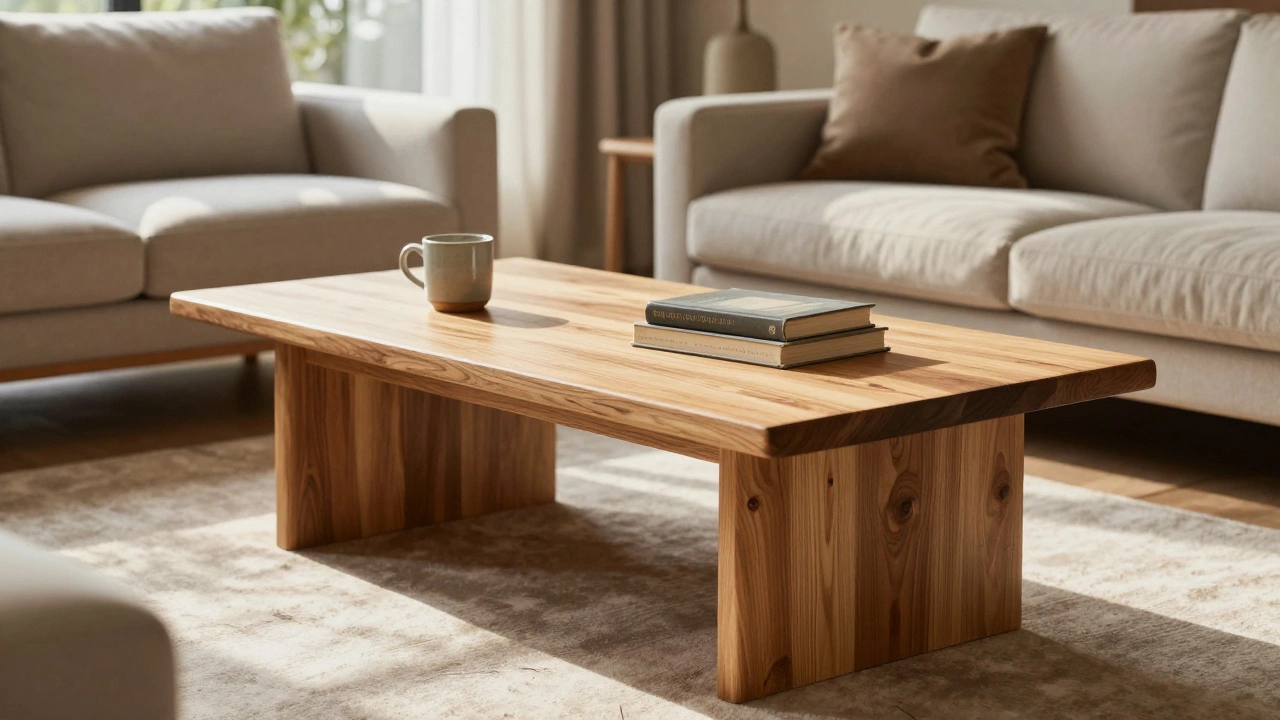
There is nothing quite like the warmth of a solid coffee table in the center of your living room. It anchors the space, holds your morning mug, and takes the brunt of dropped remotes and sliding glasses. But not all woods are created equal. Some will scratch if you look at them wrong, while others can survive a decade of family life without losing their shine. Choosing the right material isn't just about aesthetics; it’s about how the piece fits into your actual daily routine.
If you live in a quiet apartment with no kids and rarely host dinner parties, almost any wood will do. But if you have toddlers, pets, or a habit of setting down hot plates directly on the surface, your choice narrows significantly. This guide breaks down the most popular woods used for tables today, weighing their hardness, maintenance needs, and price points so you can make a decision that lasts.
The Hardness Factor: Janka Scale Explained
Before looking at colors or grains, you need to understand one metric: the Janka hardness rating. This test measures the force required to embed a steel ball halfway into a piece of wood. The higher the number, the harder the wood, and generally, the more resistant it is to dents and scratches.
For a coffee table, which sits low enough to be kicked by feet and high enough to bear heavy books or trays, you want a minimum Janka rating of around 900-1,000 lbf (pounds-force). Anything below this threshold is considered softwood and requires careful handling. If you choose a softer wood, you are essentially accepting that the surface will tell the story of your life through its scars. For many, that’s charming. For others, it’s a dealbreaker.
Top Contenders for Durable Coffee Tables
When we talk about "best," we usually mean a balance of durability, beauty, and cost. Here are the top performers in the market right now.
Oak: The Reliable Workhorse
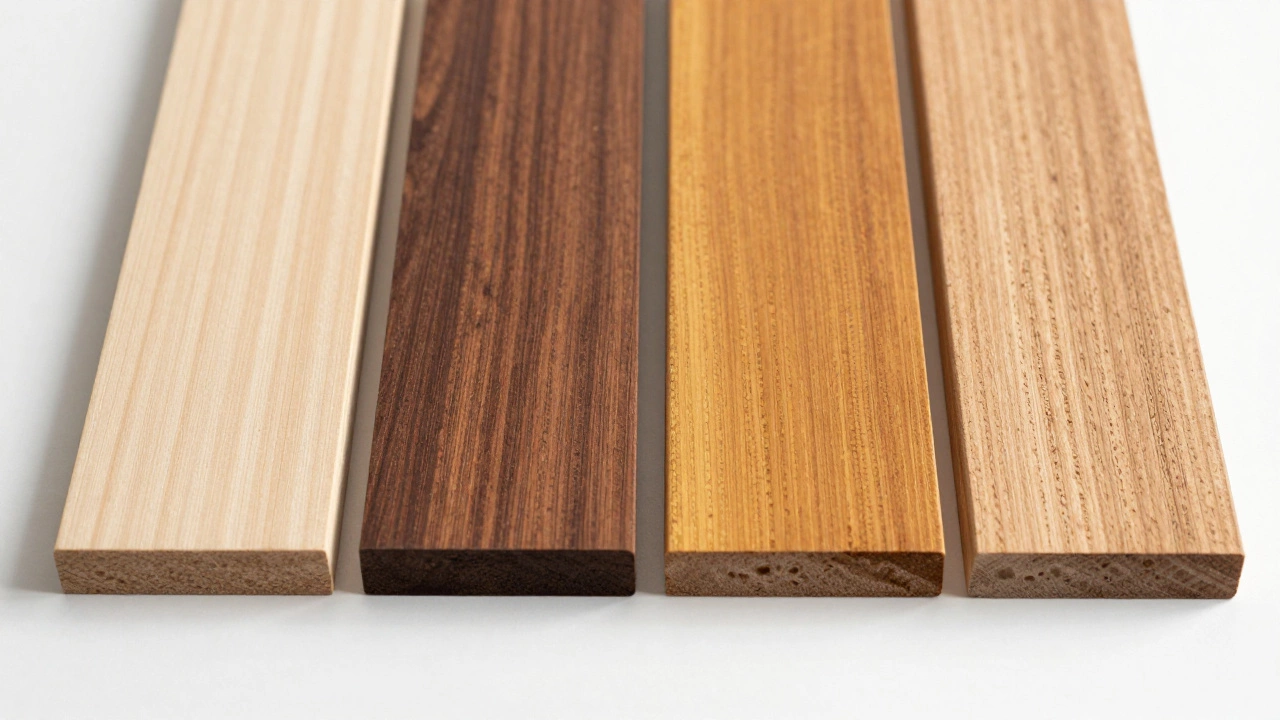
Oak is a dense, strong hardwood known for its prominent grain pattern and exceptional durability. Specifically, White Oak has a Janka rating of approximately 1,360 lbf, making it incredibly tough. It resists moisture better than Red Oak, which makes it a slightly better candidate for homes where spills are frequent. Oak has a classic, open-grain texture that looks great with both modern minimalist designs and rustic farmhouse styles. It accepts stains well, meaning you can change the color of your table later if your decor shifts.
- Pros: Highly durable, widely available, affordable compared to exotic woods.
- Cons: Can be heavy; the grain can sometimes look too busy for sleek designs.
Walnut: The Sophisticated Choice
Black Walnut is a premium North American hardwood prized for its rich, chocolate-brown color and fine texture. With a Janka rating of about 1,010 lbf, it is hard enough for daily use but softer than Oak. This means it shows wear more gently. Scratches on Walnut often blend into the dark finish rather than standing out as white gouges. Walnut deepens in color over time when exposed to light, developing a patina that many collectors love. It is the go-to choice for mid-century modern furniture enthusiasts.
- Pros: Stunning natural color, ages beautifully, smooth texture.
- Cons: Expensive; sensitive to UV light (can fade if placed in direct sun).
Teak: The Outdoor-Indoor Hybrid
Teak is a tropical hardwood famous for its high natural oil content, which provides superior resistance to water, rot, and insects. Originally an outdoor wood, Teak has found its way indoors due to its incredible stability. It doesn’t warp easily with humidity changes, which is perfect for coastal homes or regions with extreme weather swings. Its Janka rating is around 1,070 lbf. Freshly finished Teak has a golden honey hue that eventually turns a silvery gray if left untreated, though indoor pieces usually stay sealed to keep the warm tone.
- Pros: Extremely stable, water-resistant, low maintenance.
- Cons: High cost; sourcing must be certified sustainable to avoid environmental harm.
Maple: The Clean Slate
Hard Maple is an extremely hard and dense wood with a pale, creamy appearance that offers a neutral backdrop for any interior. With a Janka rating of roughly 1,450 lbf, Maple is harder than Oak. It has a very tight, subtle grain, making it ideal for contemporary or Scandinavian-style interiors where you want the shape of the table to stand out rather than the wood pattern. Because it is so hard, it is difficult to dent, but it can also be difficult to work with, leading to higher manufacturing costs.
- Pros: Very hard, clean aesthetic, resists abrasion.
- Cons: Can show dust and fingerprints easily; expensive; stains can blotch if not applied correctly.
Woods to Approach with Caution
Not every wood is suitable for a high-traffic coffee table. Understanding what to avoid can save you from frustration down the line.
Pine and Other Softwoods
Pine is cheap and has a charming, knotty character. However, its Janka rating is only about 600-800 lbf. This means a dropped book, a heavy vase, or even a sharp elbow can leave a permanent dent. Pine is best suited for casual, rustic settings where a "lived-in" look is desired, or for households with young children where safety and cost outweigh perfection. If you choose Pine, expect to sand and refinish it occasionally to remove deep marks.
MDF and Particle Board
While technically not "wood" in the traditional sense, Medium Density Fiberboard (MDF) and particle board are often sold as budget-friendly alternatives. They are made from compressed wood fibers and glue. They lack the structural integrity of solid wood. Once the veneer or laminate layer is scratched or chipped, the core is exposed and cannot be repaired easily. Furthermore, these materials swell irreversibly if they get wet. For a coffee table, which is prone to spills, solid wood or high-quality plywood is always a safer investment.
| Wood Type | Janka Hardness (lbf) | Durability | Maintenance Level | Price Range |
|---|---|---|---|---|
| Hard Maple | 1,450 | Very High | Low | $$$ |
| White Oak | 1,360 | High | Low | $$ |
| Teak | 1,070 | High | Very Low | $$$$ |
| Black Walnut | 1,010 | Medium-High | Medium | $$$ |
| Pine | 600-800 | Low | High | $ |
Finish Matters as Much as the Wood
The type of wood is only half the equation. The finish applied to the surface determines how it reacts to heat, liquids, and cleaning products. An unfinished Oak table will absorb wine instantly, while a polyurethane-finished one will repel it.
Polyurethane: This is the most common finish for mass-produced furniture. It creates a plastic-like barrier that is highly resistant to water and scratches. It is easy to clean but can chip if hit with something heavy. Over time, it may yellow slightly.
Oil Finishes (Tung or Linseed): These penetrate the wood rather than sitting on top. They highlight the natural grain and feel warm to the touch. However, they offer less protection against spills. You will need to re-oil the table once or twice a year to maintain the barrier. This is common in high-end Walnut or Teak pieces.
Lacquer: Provides a thin, hard shell that looks elegant and glass-smooth. It is easier to repair than polyurethane because you can spot-sand and re-lacquer small areas. However, it is susceptible to heat damage; a hot cup can leave a white ring mark quickly.
Choosing Based on Your Lifestyle
Your final decision should hinge on who uses the table and how.
The Family Home: If you have kids under ten or dogs, prioritize hardness and stain resistance. Hard Maple or White Oak with a thick polyurethane finish is your best bet. Avoid light-colored woods if you have dark-haired pets, as fur sticks to the surface and can be hard to remove. Darker woods hide minor scuffs better.
The Entertainer: If your coffee table doubles as a dining surface during parties, you need spill resistance. Teak is excellent here due to its natural oils. Alternatively, look for Oak with a marine-grade varnish. Avoid open-pore finishes that trap crumbs and liquids.
The Design Purist: If aesthetics are your primary concern and you handle your belongings with care, Black Walnut offers unmatched elegance. Its rich tones complement almost any color palette. Just ensure the table stays out of direct sunlight to prevent uneven fading.
The Budget-Conscious Buyer: If solid hardwood is out of budget, look for high-quality Birch or Ash. They mimic the look of Oak and Maple but cost less. Ensure the construction uses joinery (like dovetail or mortise-and-tenon) rather than just screws and glue, which indicates better longevity.
Maintenance Tips to Extend Lifespan
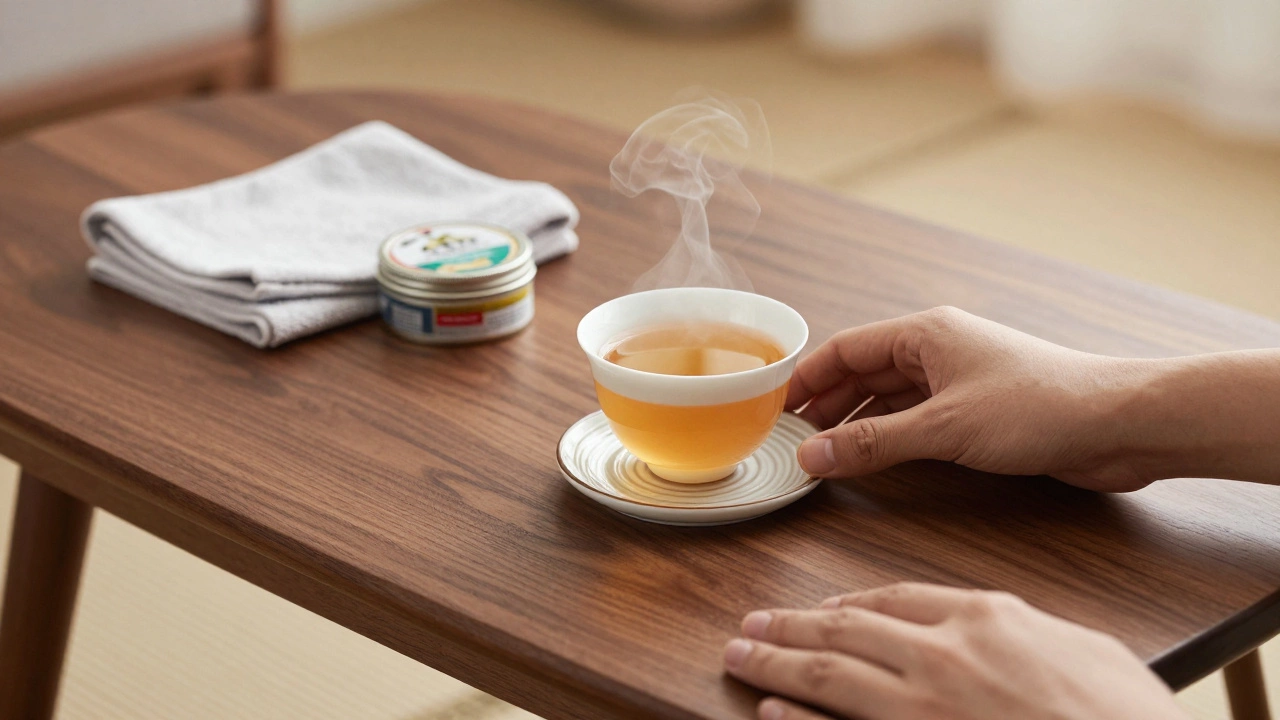
No matter which wood you choose, proper care extends its life. Always use coasters for hot and cold drinks. Heat damages the finish, causing cracks that let moisture into the wood, leading to warping. Dust regularly with a soft, dry cloth to prevent abrasive particles from scratching the surface. Avoid silicone-based polishes, which can build up over time and dull the finish. Instead, use a dedicated furniture wax or oil recommended by the manufacturer.
If you notice a white ring from a hot cup, try placing a warm iron over a cotton cloth on the mark. The heat can sometimes drive the trapped moisture out of the finish. For deeper scratches in Walnut or Oak, a colored wax pencil can fill the gap seamlessly.
Sustainability and Sourcing
In 2026, ethical sourcing is more important than ever. Look for certifications like FSC (Forest Stewardship Council) or PEFC. These labels ensure the wood was harvested from responsibly managed forests. Tropical hardwoods like Teak and Mahogany should never be bought without clear documentation of origin, as illegal logging remains a significant issue. Domestic woods like Oak, Maple, and Walnut from North America or Europe generally have lower carbon footprints due to shorter transport distances.
Is real wood worth it for a coffee table?
Yes, solid wood is worth the investment for a coffee table because it lasts decades, can be refinished if damaged, and adds value to your home. Unlike particle board or MDF, solid wood does not swell when wet and can be repaired. While the upfront cost is higher, the longevity and aesthetic appeal provide better long-term value.
What is the hardest wood for a coffee table?
Hard Maple is one of the hardest domestic woods, with a Janka rating of 1,450 lbf. Exotic woods like Hickory (1,820 lbf) or Lignum Vitae (4,500+ lbf) are harder but are rarely used for furniture due to difficulty in working with them and high cost. For practical purposes, Maple and White Oak are the hardest widely available options.
Does oak scratch easily?
Oak is quite resistant to scratching due to its hardness and open grain structure. While it is not indestructible, minor scratches tend to blend into the natural grain pattern, especially if the table has a matte or satin finish. Deep gouges can occur from heavy impacts, but everyday wear is minimal.
Can I put a hot cup directly on a wooden coffee table?
It is not recommended. Heat can damage the finish, leaving white rings or causing the wood to crack over time. Even with a durable polyurethane coat, prolonged exposure to high temperatures weakens the bond between the finish and the wood. Always use coasters or trivets to protect the surface.
How do I clean a wooden coffee table?
Dust regularly with a soft, dry microfiber cloth. For spills, wipe them up immediately with a damp (not wet) cloth and then dry thoroughly. Avoid harsh chemicals, ammonia, or vinegar, as they can strip the finish. Use a cleaner specifically designed for the type of finish your table has (e.g., oil-safe cleaner for oiled wood).