 28
Jun,2026
28
Jun,2026
Recliner Leg Pain Diagnostic Tool
Select Your Symptoms
Choose all symptoms you experience when sitting in your recliner
Your Diagnosis Results
Quick Reference Guide
Immediate Relief Tips
Move Every Hour
Stand up and walk around for 5 minutes to activate calf muscle pump
Adjust Footrest
Keep knees slightly lower than hips, avoid sharp 90-degree bends
Add Lumbar Support
Use a rolled towel or pillow to maintain natural spine curve
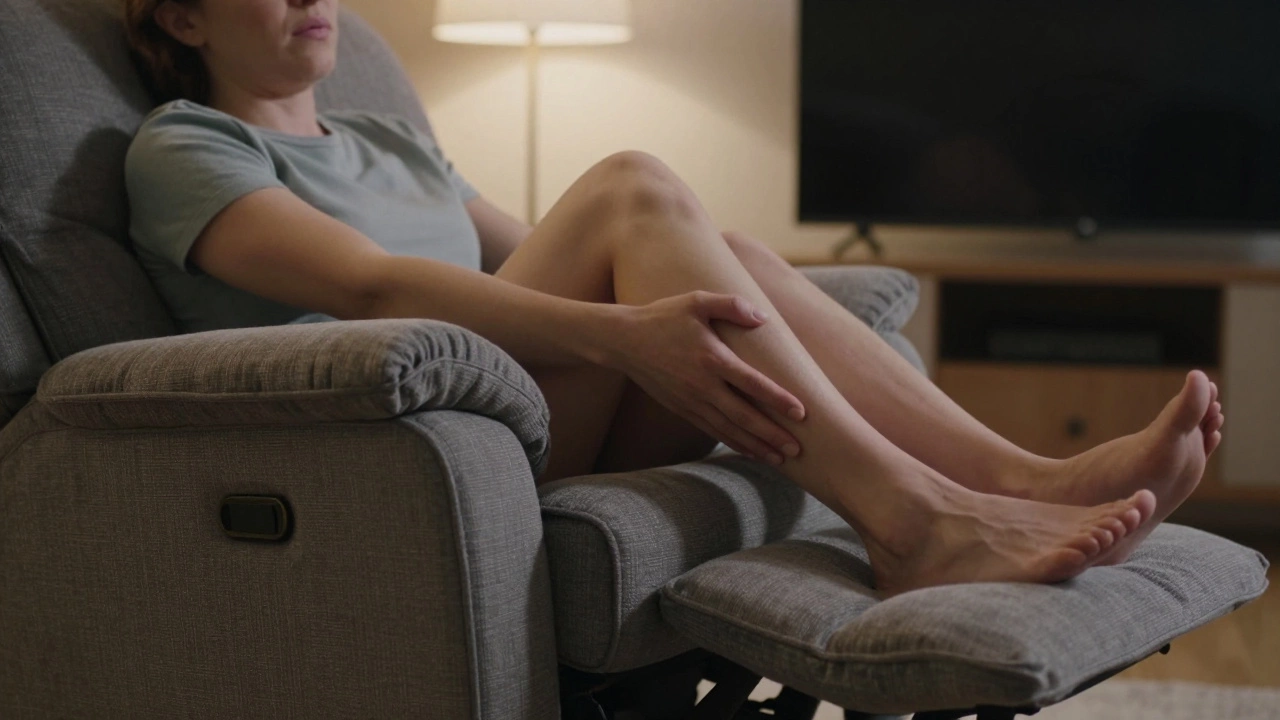
It sounds like the perfect way to relax: sinking into a plush recliner chair is a piece of furniture designed for comfort and relaxation by allowing the user to lean back and elevate their legs, watching TV or reading a book. But instead of relief, you feel a dull throb, sharp pinch, or heavy ache in your calves or thighs. You aren’t imagining it, and you’re definitely not alone. Many people assume that because a recliner is built for comfort, it should never cause pain. The reality is more complex. Your body is a dynamic system of bones, muscles, nerves, and blood vessels, and even the most expensive chair can work against your anatomy if used incorrectly.
If your legs hurt after sitting in a recliner, it’s usually due to one of three things: poor circulation, nerve compression, or muscle strain from an unnatural angle. Understanding which one is affecting you is the first step to fixing it. Let’s break down why this happens and how to adjust your setup so you can actually enjoy your downtime.
The Circulation Trap: Why Blood Flow Stalls
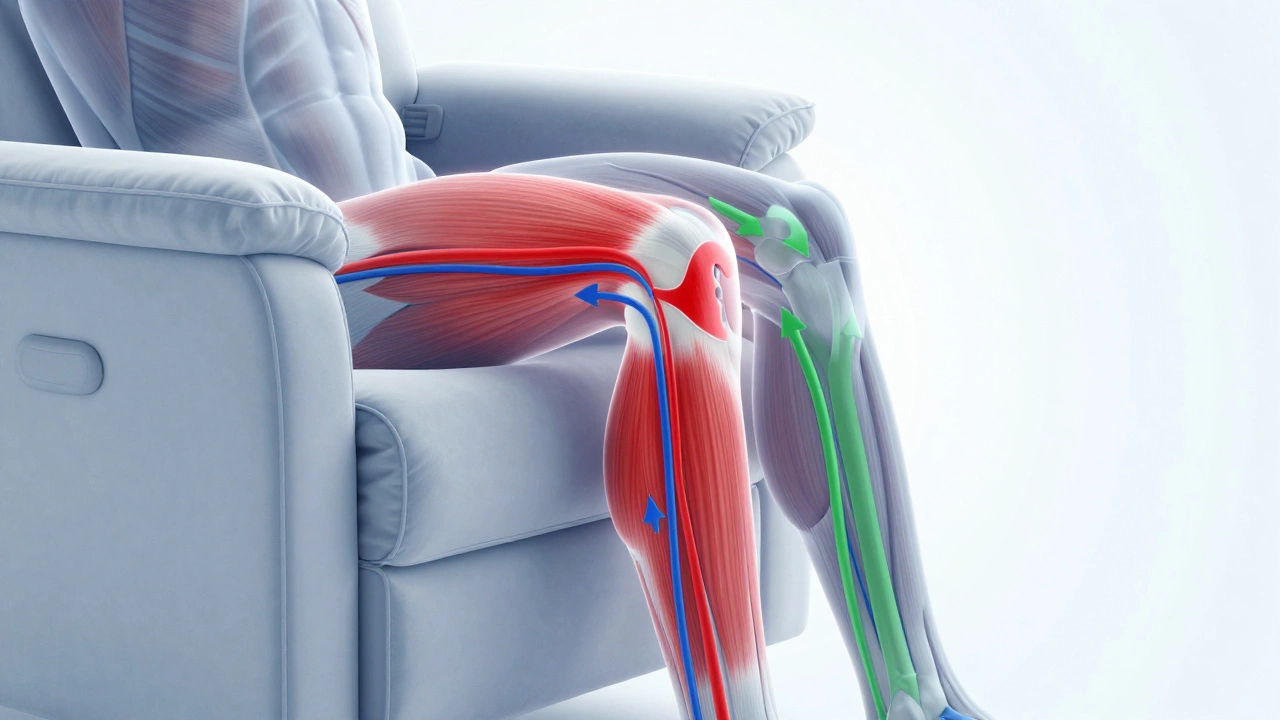
The most common reason for leg aches in a recliner is restricted blood flow. When you sit upright, gravity helps pull blood down through your legs, and your calf muscles act as pumps to push it back up to your heart. In a recliner, especially one that elevates your feet significantly, this natural pump mechanism stops working. If your knees are bent at a sharp angle, you can compress the popliteal artery-the main blood vessel behind your knee. This acts like kinking a garden hose. Blood pools in your lower legs, causing swelling (edema) and that familiar heavy, aching sensation.
This issue is often worse with certain types of recliners. Traditional manual recliners often have a fixed footrest that pushes straight out, forcing your knees into a 90-degree bend or sharper. Power lift chairs, while helpful for standing up, sometimes elevate the legs too high relative to the hips, creating a similar bottleneck. If you notice your ankles looking puffy or your skin feeling tight after a movie marathon, circulation is likely the culprit.
To fix this, check your knee angle. Ideally, there should be a slight gap between the edge of the seat cushion and the back of your knees. Your feet should be supported, but not forced upward to the point where your thigh presses hard against the seat. Small adjustments matter here. Sliding a firm pillow under your calves can sometimes provide better support than the rigid footrest, keeping the angle gentler on your arteries.
Nerve Compression: The Pinched Sciatic Nerve
If the ache feels more like tingling, numbness, or a shooting electric shock rather than a dull heaviness, you might be dealing with nerve compression. The sciatic nerve runs from your lower back, down through your hips and buttocks, and down each leg. It’s the longest and widest single nerve in your human body. When you recline, your pelvis tilts backward. If the chair’s lumbar support is insufficient or positioned incorrectly, your lower spine can arch unnaturally, putting pressure on the nerve roots before they even exit your back.
Another common spot for nerve pinching is the peroneal nerve, which wraps around the outside of your knee. Many recliners have a seam or a hard plastic component near the side of the seat base. If you sit with your legs spread slightly, the edge of the chair can press directly against this superficial nerve. This results in "foot drop" sensations or numbness in the top of your foot and shin. It’s often called "cross-legged paralysis" when it happens from sitting on hard edges, and recliners are surprisingly guilty of this design flaw.
Check the seating depth. If the seat is too deep, your lower back loses contact with the backrest, causing you to slump. This slumping twists the spine and irritates the nerves. Conversely, if the seat is too shallow, your thighs hang unsupported, straining the hip flexors. For nerve health, ensure the chair supports your entire back evenly. A small rolled towel placed in the curve of your lower back can maintain neutral spinal alignment and take the pressure off those sensitive nerve pathways.
Muscle Strain and Static Posture
We tend to think of reclining as passive, but holding any position for a long time is active work for your stabilizing muscles. When you sit in a recliner for hours, your muscles enter a state of static contraction. They don’t get the chance to lengthen and shorten, which is necessary for healthy blood flow and waste removal. Over time, this leads to stiffness and micro-tears in the muscle fibers, particularly in the hamstrings and quadriceps.
The problem is exacerbated by "dead weight" sitting. If the recliner is too soft, your body sinks in, and your core muscles disengage completely. Without core engagement, your lower back takes all the load. This misalignment travels down the kinetic chain, forcing your hip and leg muscles to compensate for the lack of stability. You might find that your legs ache not because they are tired from use, but because they are overworked trying to keep you balanced in a sagging seat.
Also consider the height of the chair. If your feet dangle or barely touch the floor (even with the footrest extended), your hip flexors remain shortened and tight. Tight hip flexors pull on the lower back and refer pain down the front of the thigh. Ensure that when reclined, your knees are level with or slightly higher than your hips, but not so high that your abdomen is compressed. Compression of the abdomen can also restrict diaphragm movement, leading to shallow breathing, which indirectly affects oxygen delivery to your muscles, worsening the ache.
Underlying Health Conditions That Get Worse in Recliners
Sometimes, the chair isn’t the problem; it’s just revealing an existing issue. Several medical conditions make leg pain in recliners more likely and more severe. One of the most serious is Deep Vein Thrombosis (DVT). DVT occurs when a blood clot forms in a deep vein, usually in the legs. Prolonged immobility, such as sitting in a recliner for several hours without moving, is a major risk factor. Symptoms include swelling in one leg, pain that worsens when bending the ankle upward, and redness or warmth in the affected area. If you experience these symptoms, seek medical attention immediately. DVT can be life-threatening if the clot travels to the lungs.
Peripheral Artery Disease (PAD) is another condition to consider. PAD causes narrowed arteries, reducing blood flow to the limbs. People with PAD often experience claudication-pain in the legs during activity that goes away with rest. However, in advanced cases, even resting positions that compromise blood flow, like sharp knee bends in a recliner, can trigger pain. Venous insufficiency, where the veins in your legs have trouble sending blood back to the heart, also causes aching, heaviness, and itching in the legs, which is aggravated by prolonged sitting.
Arthritis, particularly osteoarthritis in the knees or hips, can also flare up in recliners. While elevating the legs can relieve pressure on the joints, the angle of the recline might put stress on the joint capsule if the chair doesn’t support the limb properly. If you have arthritis, look for recliners with adjustable headrests and footrests that allow you to fine-tune the angle to avoid stressing the inflamed joints.
| Symptom Type | Likely Cause | Key Indicator | Quick Fix |
|---|---|---|---|
| Dull, heavy ache | Poor Circulation | Swollen ankles, puffiness | Adjust footrest angle, move every hour |
| Tingling, numbness | Nerve Compression | Electric shock feeling, foot drop | Add lumbar support, widen leg stance |
| Stiffness, soreness | Muscle Strain | Pain after standing up | Strengthen core, stretch hamstrings |
| Sharp, one-sided pain | DVT or Arthritis | Redness, warmth, joint swelling | Consult a doctor immediately |
Choosing the Right Recliner for Leg Health
If your current chair is causing pain, it might be time to evaluate its design. Not all recliners are created equal. Look for specific features that promote ergonomic health. First, prioritize adjustable footrests. A footrest that moves independently of the backrest allows you to find the perfect angle for your unique body proportions. You want a position where your knees are slightly lower than your hips, promoting venous return without compressing the popliteal artery.
Second, check the seat depth and width. A deeper seat is comfortable for taller individuals but can cause circulation issues for shorter people if their backs lose support. A wider seat prevents the sides from digging into your hips and thighs, which can compress the lateral femoral cutaneous nerve, causing meralgia paresthetica-a burning sensation on the outer thigh. Measure your inseam and compare it to the chair’s seat depth. There should be about 2-3 inches of space between the back of your knee and the edge of the seat.
Third, consider the material. High-density foam retains its shape better than cheap polyfoam, which sags over time. Sagging creates uneven pressure points. Leather or high-quality synthetic leather is easier to clean and less likely to trap heat, which can exacerbate swelling. Breathable fabrics like linen or cotton blends help regulate temperature, preventing the sweating that can make skin-sensitive areas itchier and more painful.
Finally, look for lumbar support options. Some modern recliners come with adjustable lumbar pillows or built-in massage functions that target the lower back. These features can help maintain spinal alignment and reduce the referral pain that travels down your legs. If you buy a new chair, test it in-store for at least 15 minutes. Sit, recline, and stand up. Pay attention to how your legs feel. Don’t just rely on the initial "sink-in" comfort; focus on sustained comfort.
Practical Tips to Prevent Leg Ache Today
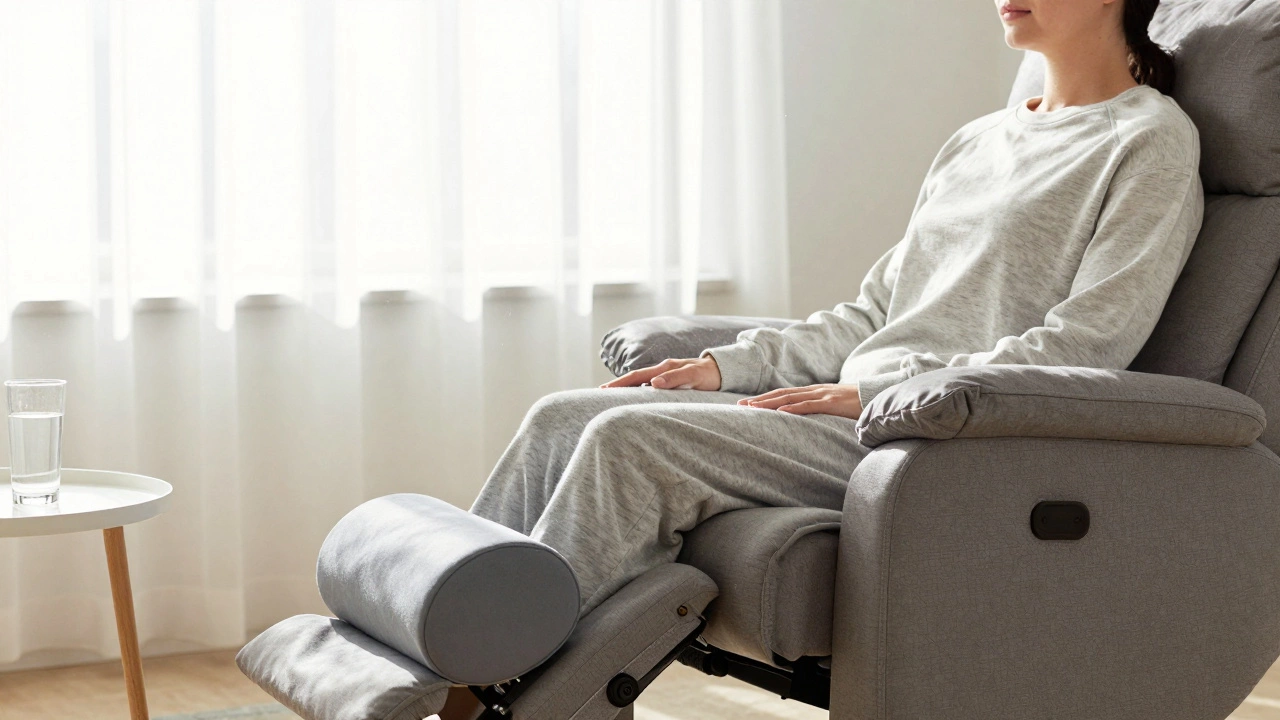
You don’t necessarily need to buy a new chair to stop the pain. Simple behavioral changes and minor modifications can make a huge difference. The golden rule of recliner use is movement. Set a timer for every 45 to 60 minutes. Stand up, walk around the room, and do some gentle calf raises. This activates the calf muscle pump, flushing out pooled blood and waking up stiff muscles. Even rolling your ankles while seated can help stimulate circulation.
Use props strategically. A wedge pillow under your knees can elevate them slightly without the sharp angle of a mechanical footrest. A small cushion behind your lower back maintains the natural curve of your spine. Avoid crossing your legs, as this cuts off blood flow to the lower leg and increases pressure on the hips. Keep both feet supported equally.
Stay hydrated. Dehydration thickens the blood, making it harder for your heart to pump it through constricted vessels. Drink water throughout the day, especially if you spend long periods sitting. Also, wear loose-fitting clothing. Tight jeans, skinny pants, or socks with tight elastic bands can act as tourniquets, worsening circulation issues caused by the chair itself.
Stretch regularly. Incorporate simple stretches into your daily routine. Hamstring stretches, quad stretches, and hip flexor stretches can alleviate tension that contributes to leg pain. Yoga poses like the seated forward bend or pigeon pose can open up the hips and relieve pressure on the sciatic nerve. Consistency is key; five minutes of stretching a day can prevent hours of discomfort.
When to See a Doctor
While occasional leg ache after a long movie night is normal, persistent or severe pain is not. You should consult a healthcare professional if you experience any of the following:
- Pain that does not improve after changing positions or standing up.
- Swelling in only one leg, accompanied by redness or warmth.
- Numbness or weakness that persists for more than a few minutes after standing.
- Shortness of breath or chest pain, which could indicate a pulmonary embolism from a blood clot.
- Leg pain that interferes with sleep or daily activities.
A doctor can perform physical exams and imaging tests to rule out serious conditions like DVT, PAD, or spinal stenosis. They may recommend physical therapy, compression stockings, or medication to manage pain and inflammation. Early diagnosis is crucial for preventing long-term damage.
Your recliner should be a sanctuary, not a source of pain. By understanding the mechanics of your body and the design of your chair, you can make informed choices to protect your health. Whether you adjust your current setup or invest in a more ergonomic model, prioritizing circulation and nerve health will ensure that your relaxation time remains truly relaxing.
Is it bad to sleep in a recliner?
Sleeping in a recliner occasionally is generally safe, but it is not recommended for long-term nightly use. Recliners do not provide proper spinal alignment for sleep, which can lead to neck, back, and leg pain over time. The lack of mattress support can cause pressure points and restrict blood flow, increasing the risk of circulation issues and nerve compression. If you must sleep in a recliner, try to limit it to short naps and use pillows to support your head and neck.
How long can I sit in a recliner safely?
Health experts generally recommend limiting continuous sitting to 45-60 minutes. After this period, you should stand up, move around, and stretch for at least 5 minutes. Prolonged sitting, even in a comfortable recliner, reduces blood flow, increases the risk of blood clots, and strains muscles and joints. Regular movement breaks are essential for maintaining circulation and preventing leg aches.
Why do my legs swell in a recliner?
Leg swelling (edema) in a recliner is usually caused by poor circulation. When your knees are bent at a sharp angle, blood flow from the lower legs back to the heart is impeded. Gravity and the lack of muscle movement cause fluid to accumulate in the tissues of your ankles and feet. Adjusting the footrest to a gentler angle, elevating your legs slightly above heart level, and moving regularly can help reduce swelling.
Can a recliner cause sciatica?
Yes, a recliner can aggravate sciatica if it lacks proper lumbar support or forces your spine into an unnatural position. Poor posture in a recliner can compress the sciatic nerve roots in the lower back, causing pain, tingling, or numbness that radiates down the leg. Using a lumbar pillow to maintain spinal curvature and avoiding slouching can help prevent sciatic nerve irritation.
What is the best angle for legs in a recliner?
The ideal angle for legs in a recliner is one where your knees are slightly lower than or level with your hips. This position promotes optimal blood flow without compressing the arteries behind the knee. Avoid angles where your knees are sharply bent at 90 degrees or higher, as this can restrict circulation. Most adjustable recliners allow you to find this sweet spot by experimenting with different footrest heights.