 10
Sep,2026
10
Sep,2026
Recliner Sleep Health Checker
Select the symptoms or conditions that apply to you or your loved one to receive personalized recommendations regarding recliner use.
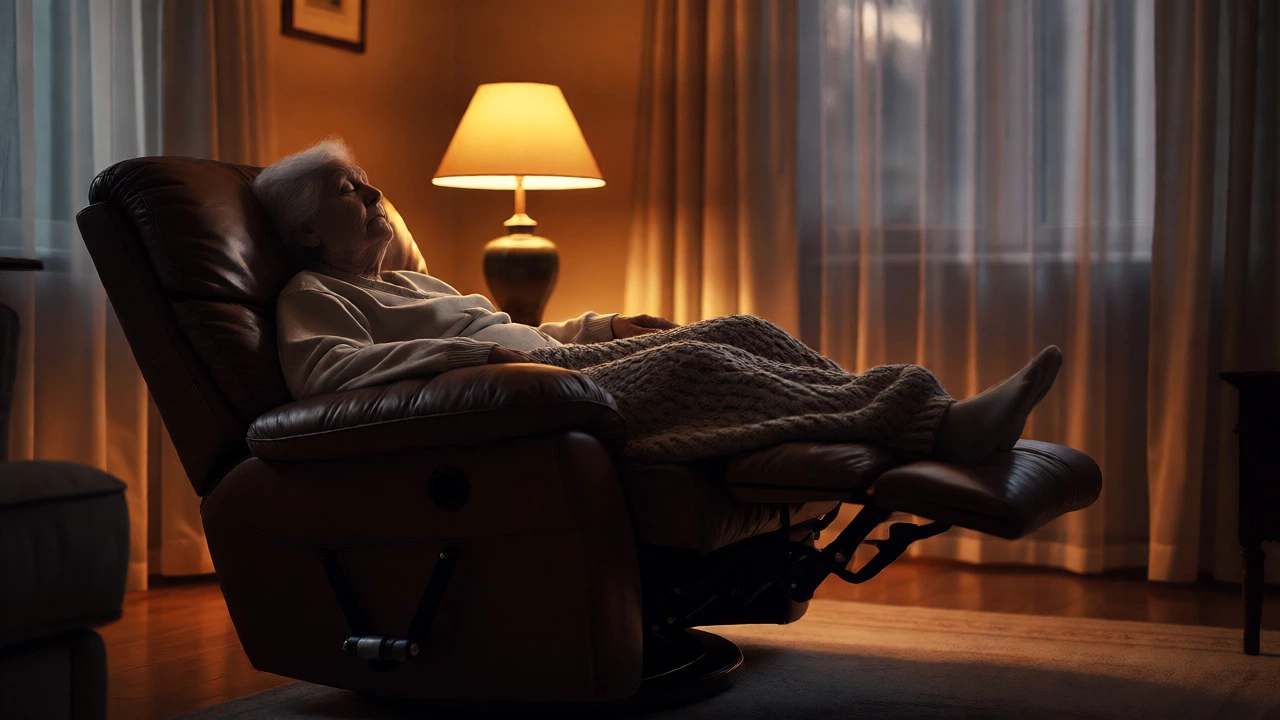
You walk into your parents' living room at midnight and find them asleep in the recliner, a padded armchair with a footrest that can be raised and a back that can be lowered. It’s not an accident. For many older adults, this isn't just a quirky habit; it's a survival strategy for better rest. If you've ever wondered why Mom or Dad prefers the chair to the bed, the answer usually lies in a mix of physical pain, respiratory issues, and sheer comfort.
This phenomenon is more common than you might think. According to data from the Centers for Disease Control and Prevention (CDC), nearly 40% of adults over 65 report trouble sleeping. When lying flat becomes painful or difficult, the recliner offers a practical solution. But is it actually good for them? Let's break down the medical and practical reasons behind this trend, so you can understand what's really happening when they nod off in the living room.
The Medical Reasons Behind Chair Sleeping
For most seniors, the decision to sleep upright is driven by specific health conditions that make horizontal sleeping miserable. The two biggest culprits are usually breathing difficulties and joint pain.
Breathing Issues and Sleep Apnea
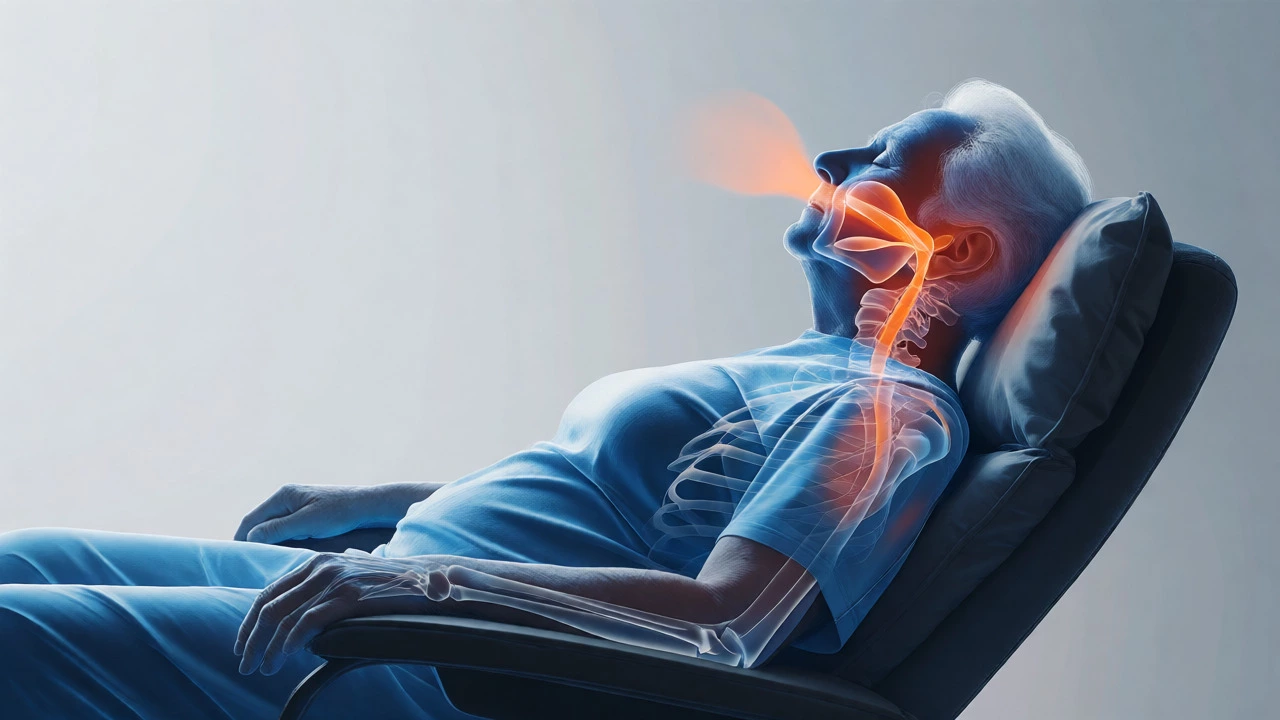
If someone has Obstructive Sleep Apnea (OSA), a disorder where breathing repeatedly stops and starts during sleep, lying flat on their back often causes the tongue and soft tissues in the throat to collapse backward, blocking the airway. This leads to snoring, gasping, and fragmented sleep. Sleeping in a recliner keeps the head elevated above the heart, which uses gravity to keep the airway open. Many people with mild OSA find they can breathe significantly easier at a 30-to-45-degree angle than they can in a standard bed.
Similarly, those suffering from GERD (Gastroesophageal Reflux Disease) or chronic acid reflux benefit immensely from elevation. When you lie flat, stomach acid can creep up into the esophagus, causing that burning sensation known as heartburn. Gravity helps keep the acid where it belongs when you're propped up. A recliner provides that necessary incline without the awkwardness of stacking five pillows under your head, which often ends up sliding off anyway.
Pain Management and Mobility
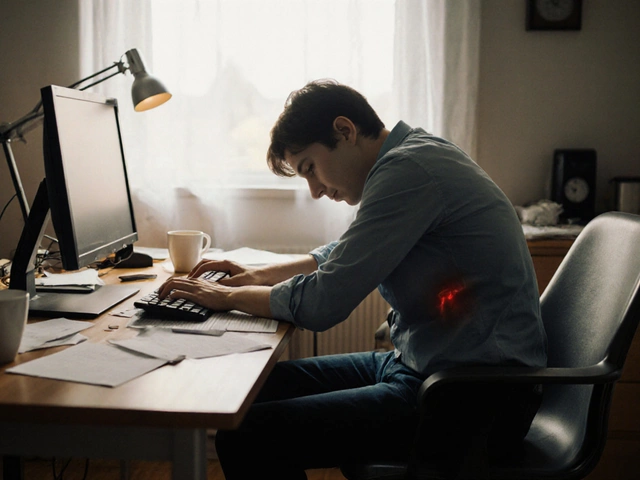
Arthritis is another major factor. Conditions like osteoarthritis and rheumatoid arthritis cause stiffness and pain in the hips, knees, and lower back. Getting into a low-profile bed requires bending and twisting that can be excruciating. A recliner, especially one with power lift features, allows a person to sit down easily and then slowly lean back into a comfortable position. The lumbar support built into high-quality recliners also reduces pressure on the lower spine, offering relief that a soft mattress might not provide.
Comfort vs. Support: The Ergonomic Argument
Let's be honest: modern recliners are incredibly comfortable. They are designed for relaxation, featuring plush cushioning and adjustable angles. For an older adult who spends a lot of time sitting during the day-watching TV, reading, or napping-the transition from waking to sleeping is seamless. There is no ritual of changing clothes, brushing teeth, and walking to the bedroom. You just close your eyes.
However, there is a distinction between "comfort" and "support." While a recliner feels good initially, prolonged use can sometimes lead to poor posture if the chair doesn't offer adequate neck support. Most standard recliners have a gap between the headrest and the shoulders, forcing the neck into an unnatural angle. Over time, this can cause morning stiffness or headaches. That said, for short naps or partial-night sleep, the ergonomic design often outweighs these minor drawbacks compared to the pain of lying flat.
| Feature | Sleeping in a Recliner | Sleeping in a Bed |
|---|---|---|
| Airway Openness | High (Gravity assists breathing) | Low (Tissue collapse risk) |
| Acid Reflux Control | Excellent (Elevated position) | Poor (Horizontal position) |
| Mobility Requirement | Low (Easy entry/exit) | High (Requires bending/twisting) |
| Spinal Alignment | Moderate (Risk of neck strain) | Variable (Depends on mattress quality) |
| Circulation | Good (Legs elevated) | Neutral |
The Role of Circulation and Swelling
Another reason older adults gravitate toward recliners involves circulation. As we age, our veins become less efficient at pumping blood back to the heart, leading to edema-or swelling-in the legs and ankles. This condition, often called peripheral edema, makes lying flat uncomfortable because fluid pools in the extremities. By elevating the legs using the footrest of a recliner, gravity helps drain the fluid from the lower legs back toward the core. This reduction in swelling can relieve discomfort and even improve overall comfort levels throughout the night.
People with venous insufficiency or heart failure often find that keeping their legs elevated reduces the workload on their heart. In these cases, the recliner acts almost like a therapeutic device. It’s not just about laziness or convenience; it’s about managing physiological changes that occur with aging.
Is It Safe? Potential Downsides to Watch For
While there are clear benefits, sleeping in a recliner every night isn't without risks. The primary concern is deep vein thrombosis (DVT). If the seat edge presses against the back of the knees for hours, it can restrict blood flow, potentially leading to clots. Additionally, the lack of full-body support can cause muscle imbalances over time. If a senior sleeps exclusively in a chair, they may develop hip flexor tightness or shoulder tension.
Another practical issue is hygiene and safety. Falling asleep in a living room increases the risk of tripping if they need to get up quickly in the dark. There is also the danger of getting stuck in the mechanism if the power fails, though manual chairs avoid this. It’s crucial to ensure the chair is stable and that the person can easily operate the controls. If they struggle to stand up from the chair, it might be a sign that the seat height is too low or the cushioning is too soft, making it harder to push themselves up.

How to Make Recliner Sleeping Better
If your loved one prefers the recliner, don't fight it immediately. Instead, optimize the setup to minimize downsides. Here are a few practical tips:
- Add Neck Support: Use a small cervical pillow or a rolled-up towel to fill the gap between the headrest and the neck. This prevents the head from dropping forward or sideways.
- Check the Angle: Aim for a 135-degree angle. Anything steeper might feel like sitting, while anything flatter negates the breathing benefits.
- Ensure Easy Access: Place a lamp within reach and remove any rugs or cords that could cause trips if they wake up suddenly.
- Rotate Positions: Encourage them to try sleeping in bed on nights when symptoms are mild to maintain mobility and prevent stiffness.
- Hydrate Properly: Drink water earlier in the evening to reduce nighttime bathroom trips, which are harder to manage from a chair than from a bed.
When to See a Doctor
If the preference for the recliner is new or sudden, it warrants a conversation with a healthcare provider. Sudden orthopnea-the inability to breathe comfortably while lying flat-can be a sign of worsening heart failure or lung disease. Similarly, if the chair is being used due to severe pain that doesn't respond to usual medication, it might indicate a progression in arthritis or another musculoskeletal issue. Monitoring changes in sleep patterns is a simple but effective way to track overall health in older adults.
Ultimately, the goal is quality rest. If a recliner helps your parent sleep through the night without pain or breathlessness, it’s doing its job. Just keep an eye on the long-term effects on posture and circulation, and make small adjustments to keep them safe and comfortable.
Is sleeping in a recliner bad for your back?
Not necessarily. For people with certain types of back pain, such as spinal stenosis, leaning forward slightly in a recliner can actually relieve pressure on the nerves. However, if the chair lacks proper lumbar support or if the neck is unsupported, it can lead to stiffness and pain. Choosing a high-quality recliner with adjustable lumbar support is key.
Can sleeping in a recliner help with snoring?
Yes, it often does. Snoring is frequently caused by the tongue and soft palate collapsing against the back of the throat when lying flat. Elevating the upper body in a recliner uses gravity to keep the airway open, reducing vibration and noise. It is particularly effective for positional snoring.
What is the best angle for sleeping in a recliner?
A semi-reclined position of about 135 degrees is generally recommended. This angle is steep enough to assist with breathing and digestion but relaxed enough to allow for muscle release. Angles closer to 90 degrees are too upright for true sleep, while fully flat positions negate the benefits.
Why do elderly people fall asleep in chairs?
Besides medical reasons like pain or breathing issues, fatigue plays a big role. Older adults often experience fragmented sleep at night, leading to increased daytime drowsiness. The comfort of a familiar chair combined with lower energy levels makes falling asleep there very easy. It is a natural response to accumulated tiredness.
Does sleeping in a recliner cause blood clots?
There is a slight risk if the chair compresses the back of the knees for extended periods, restricting blood flow. To mitigate this, choose a chair with a waterfall edge that curves away from the legs, or use a footstool to elevate the legs without putting pressure behind the knees. Regular movement upon waking also helps.