 20
Aug,2026
20
Aug,2026
Sofa Protection Cost & ROI Calculator
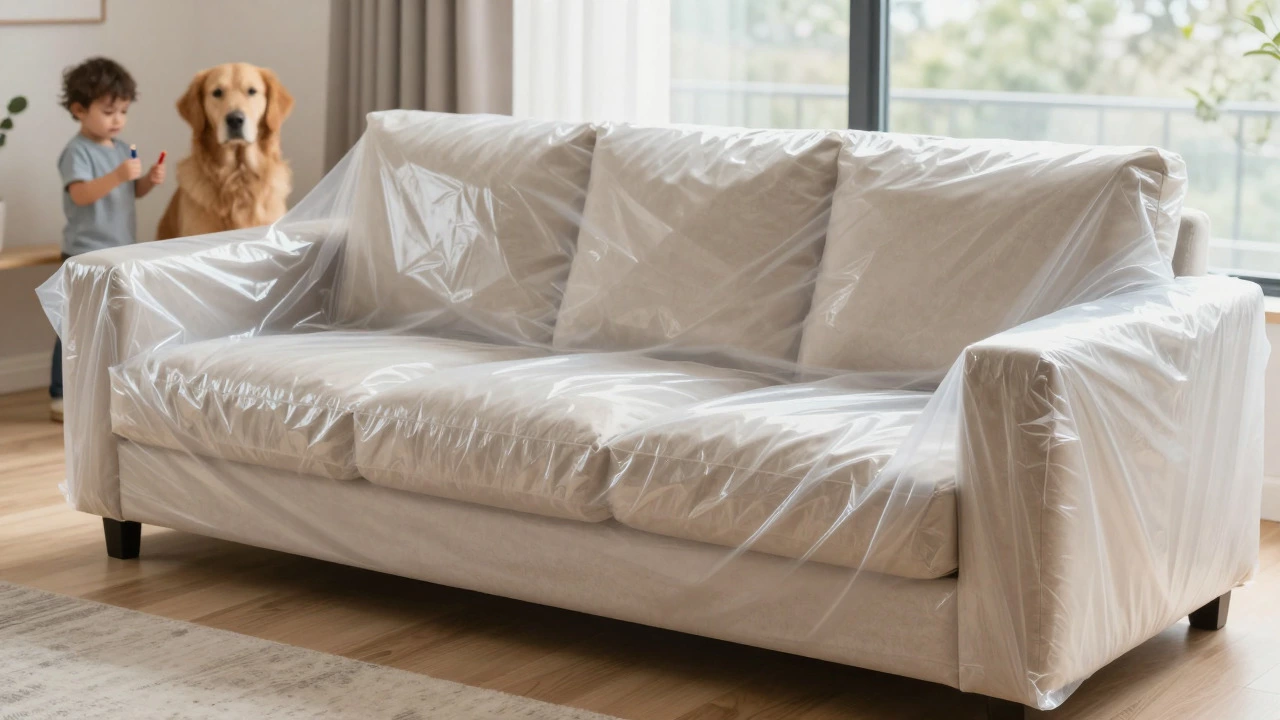
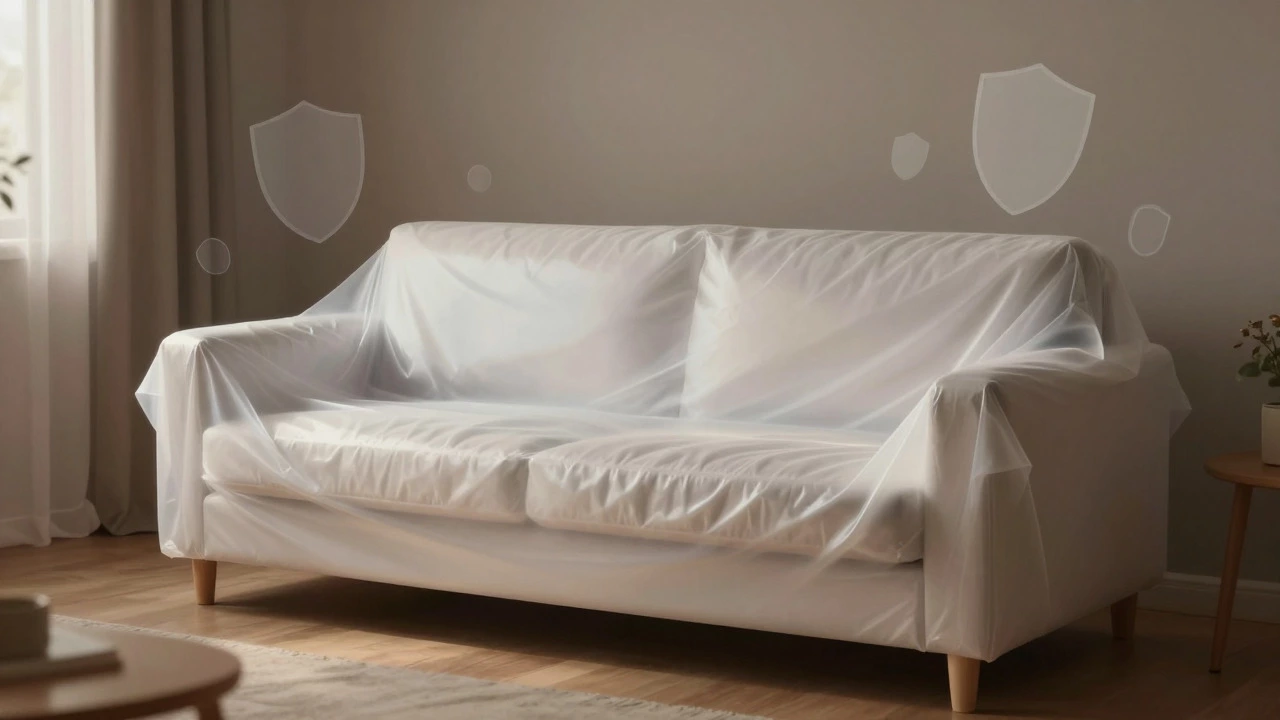
Walk into a friend’s living room and you notice it: that crinkly, translucent layer draped over the armrests or seat cushions. It looks a bit odd, maybe even temporary, but for many households, keeping plastic on their couches is a deliberate choice rather than an accident. Whether it’s a new sofa waiting to be fully unpacked or an old one protected from daily wear, this practice speaks to how we balance aesthetics with practicality in our homes.
The Core Reason: Protection from Daily Wear
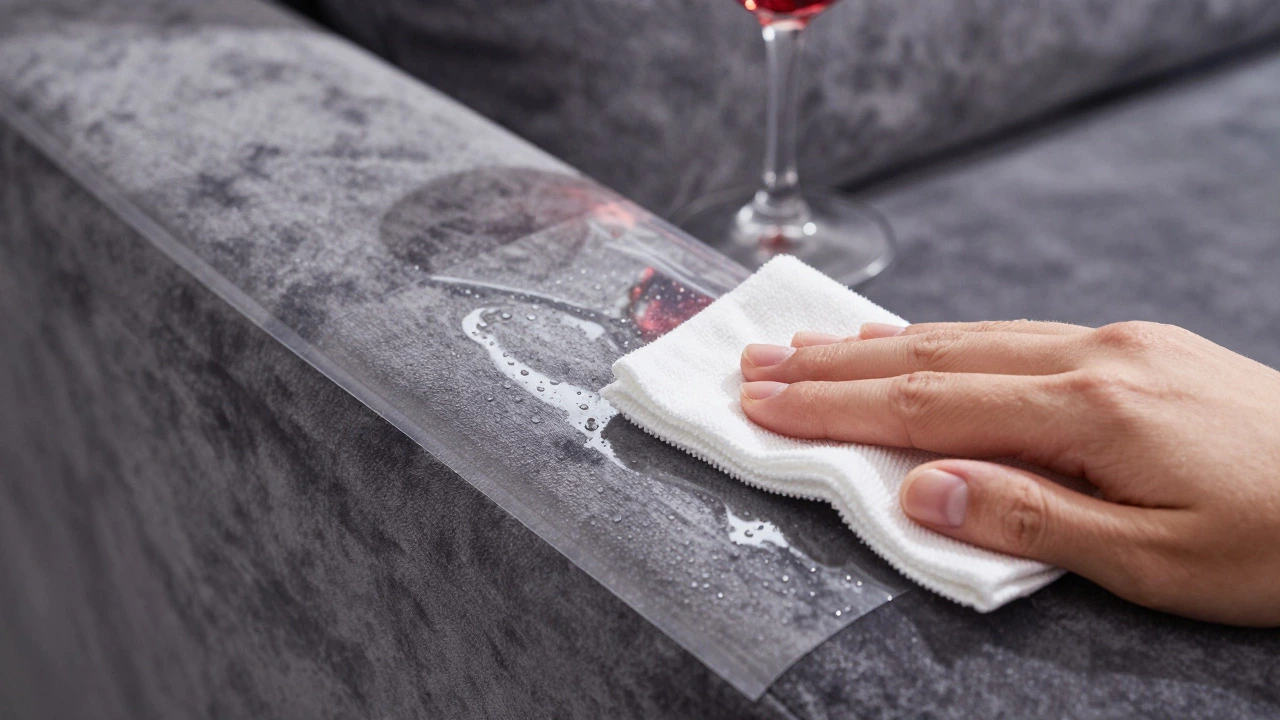
At its heart, covering a couch in plastic is about risk management. Fabric upholstery is expensive to replace and hard to clean. A single spill of red wine, a stray pet claw, or a toddler’s crayon can ruin a $1,500 investment. Plastic acts as a barrier. It stops liquids from soaking into the foam and prevents dust from settling into the weave of the fabric. For families with young children or pets, this isn’t just caution; it’s a survival strategy for their furniture budget.
This protection extends beyond spills. Think about the invisible enemies of upholstery: UV rays, body oils, and friction. Sunlight fading the color of your beige sofa is a slow process, but a clear plastic cover reflects some of that light. Body oils break down fabric fibers over time, causing them to become brittle. By interposing a smooth, non-porous layer, you reduce direct contact between human skin and the textile, extending the life of the material significantly.
New Furniture: The Unpacking Dilemma
A major driver for this habit is the arrival of new furniture. Most modern sofas come wrapped in tight plastic shrink wrap. Some people remove it immediately, but others leave it on for days or even weeks. Why? First, there’s the fear of damage during the final setup. If you’re moving house or rearranging rooms, that plastic wrap protects the corners and edges from scuffs against walls or doorframes. Second, there’s the psychological aspect of “newness.” Keeping the plastic on preserves the pristine look until the moment you decide the space is truly ready for use. It signals that the item is still in its “unopened” state, which can feel satisfying for detail-oriented individuals.
However, leaving new furniture wrapped in plastic too long has downsides. Trapped moisture can lead to mildew if the humidity is high, which is common in coastal areas like Melbourne. The plastic also prevents the fabric from breathing, potentially trapping odors from the manufacturing process. Ideally, you should unwrap new furniture within 24-48 hours to allow it to air out, but many people delay this step due to busy schedules or indecision about room layout.
Pets and Children: The High-Risk Zones
If you have a dog that sheds or a cat that likes to knead, plastic covers become functional tools. While dedicated pet covers exist, generic plastic sheets are cheaper and more readily available. They create a smooth surface that is easy to wipe down. Imagine your golden retriever shedding all over a dark grey velvet sofa. With a plastic cover, you simply lift the sheet and shake it outside. Without it, you’re dealing with embedded fur that requires a specialized vacuum attachment and hours of effort.
For parents, the stakes are higher. Spills happen fast. Milk, juice, yogurt, and paint are constant threats. A plastic cover turns a potential disaster into a minor inconvenience. You can use a damp cloth to clean the plastic instantly, whereas cleaning fabric requires blotting, stain remover, and air drying. This immediacy is crucial when you’re juggling multiple tasks. It’s not about being lazy; it’s about reducing the cognitive load of household maintenance.
Cost vs. Aesthetics: The Trade-off
Critics often argue that plastic makes a room look cheap or temporary. And they’re right-it disrupts the visual flow of interior design. But for many, the cost-benefit analysis favors protection. Reupholstering a three-seater sofa can cost anywhere from $800 to $2,000 depending on the fabric and complexity. Buying a few rolls of heavy-duty plastic sheeting costs less than $20. Even if you only save the sofa from one major incident, the ROI is positive.
There’s also the rental factor. If you’re renting, you likely don’t own the furniture, or you want to return it in good condition at the end of the lease. Plastic covers protect against liability claims. Landlords are strict about stains and tears. A transparent layer ensures that any marks remain on the cover, not the asset, making move-out inspections smoother.
Better Alternatives to Raw Plastic
If the look of raw plastic bothers you, there are middle-ground options that offer similar protection without the crinkle. Slipcovers made from durable fabrics like canvas or microfiber can be thrown over the sofa. They look intentional and stylish, yet they provide a barrier against dust and minor spills. You can wash them in the machine, which adds another layer of hygiene.
Another option is using throw blankets strategically. Instead of covering the whole sofa, you might place a thick wool or cotton blanket over the most used sections. This absorbs impact and hides wear patterns while allowing the rest of the sofa to breathe. It’s a softer approach that maintains warmth and texture.
| Method | Protection Level | Aesthetic Impact | Cost | Maintenance Effort |
|---|---|---|---|---|
| Plastic Sheet | High (Liquid/Dust) | Low (Looks temporary) | Very Low ($10-$20) | Minimal (Wipe down) |
| Fabric Slipcover | Medium (Dust/Light Spills) | High (Stylish) | Medium ($50-$150) | Moderate (Machine wash) |
| Throw Blankets | Low-Medium (Abrasion) | High (Cozy) | Low ($30-$80) | Low (Spot clean) |
| None | None | Highest (Original look) | $0 | High (Regular deep clean) |
When to Remove the Plastic
Knowing when to take the plastic off is just as important as knowing why to put it on. If the plastic has been on for more than a month, check for condensation underneath. Lift a corner and touch the fabric. If it feels damp, remove the cover immediately and let the sofa dry in a well-ventilated area. Prolonged exposure to trapped humidity is the primary cause of mold growth under plastic covers.
Also, consider the season. In humid summer months, plastic covers trap heat and moisture, creating a perfect environment for bacteria. In winter, when indoor heating dries out the air, the risk is lower, but static electricity becomes an issue, causing dust to cling to the plastic surface. Regular dusting of the plastic itself is necessary to keep it looking clean, otherwise, it just moves the dirt problem from the fabric to the plastic.
The Psychological Comfort Factor
Beyond the physical reasons, there’s a psychological element. For some people, seeing a covered sofa provides a sense of control. It visually communicates that the space is “protected” and “ready.” It reduces anxiety about accidental damage. This is particularly true in shared spaces or guest rooms where you want to present a flawless image without the stress of monitoring every movement. The plastic acts as a visual cue that says, “Take care of this,” which can subtly influence how guests behave in the room.
Practical Tips for Using Plastic Covers
- Choose the right thickness: Thin plastic tears easily. Use 2-mil or heavier gauge sheeting for durability.
- Secure it properly: Use low-tack tape or clips to keep the plastic in place so it doesn’t slip off and get bunched up.
- Ventilate regularly: Every week, lift the plastic for 15 minutes to allow air circulation.
- Inspect for tears: Small holes can let liquid through. Replace the sheet if it gets punctured.
- Match the color: Clear plastic shows dust. White or opaque plastic hides dirt better but blocks light.
FAQ
Does plastic damage sofa fabric over time?
Not directly, but trapped moisture can lead to mold or mildew, which damages fabric. As long as you ventilate the sofa regularly and ensure it is dry before covering it, the fabric remains safe. The plastic itself is inert and won’t chemically react with most upholstery materials.
What is the best type of plastic for covering a couch?
Heavy-duty polyethylene sheeting, typically 2-mil to 4-mil thickness, works best. It is tear-resistant, water-proof, and affordable. Avoid thin garbage bags as they puncture easily and look flimsy. Clear plastic is preferred for visibility, but white is better for hiding dust.
How long can you leave plastic on a new sofa?
Ideally, no longer than 48 hours. New furniture often contains off-gassing chemicals from foam and glue. Leaving it wrapped traps these fumes inside the room. After two days, the structural integrity is set, and the risk of transport damage is gone, so it’s safe to unwrap.
Is it better to use a slipcover or plastic?
It depends on your priority. If you need maximum liquid protection and don’t mind the look, plastic is cheaper and easier to clean. If you care about aesthetics and want a breathable option, a fabric slipcover is better. Slipcovers also add insulation and comfort, whereas plastic can feel cold and stiff.
How do I clean a sofa covered in plastic?
Simply wipe it down with a damp microfiber cloth. For sticky residues, use a mild soap solution. Avoid harsh solvents like acetone, which can degrade certain types of plastic or affect the underlying fabric if the plastic is compromised. Dry it immediately to prevent streaks.