 15
Nov,2026
Furniture Value & Longevity Estimator
Enter your potential purchase price to see how it stacks up against market averages and calculate its true annual cost based on expected lifespan.
Your Purchase Details
Enter price and lifespan to see analysis
Analysis Results
Market Tier Comparison
| Feature | Luxury Brands | Mid-Range | Ashley (Budget) |
|---|---|---|---|
| Price Point | $2,000+ | $1,000–$1,500 | $400–$900 |
| Durability | High (10+ years) | Medium (5–7 years) | Low-Medium (3–5 years) |
| Style Variety | Niche/Custom | Curated/Trendy | Broad/Mass Appeal |
| Availability | Special Order | In-Stock/Digital | Immediate Stock |
You walk into a store, or maybe you’re scrolling through an app at 2 AM because your living room looks like a sad grey box. You see it everywhere: Ashley Furniture is the largest residential furniture manufacturer in the world, known for offering stylish designs at accessible price points. It’s on billboards, in malls, and dominating social media feeds. But why does this brand have such a grip on our wallets? Is it just clever marketing, or is there something genuinely appealing about their approach to furnishing homes?
The answer isn’t simple. It’s a mix of logistics, psychology, and a business model that changed how we buy sofas. If you’ve ever wondered why everyone seems to own an Ashley couch, you’re not alone. Let’s break down the real reasons behind its massive success, without the fluff.
The Power of Being Everywhere
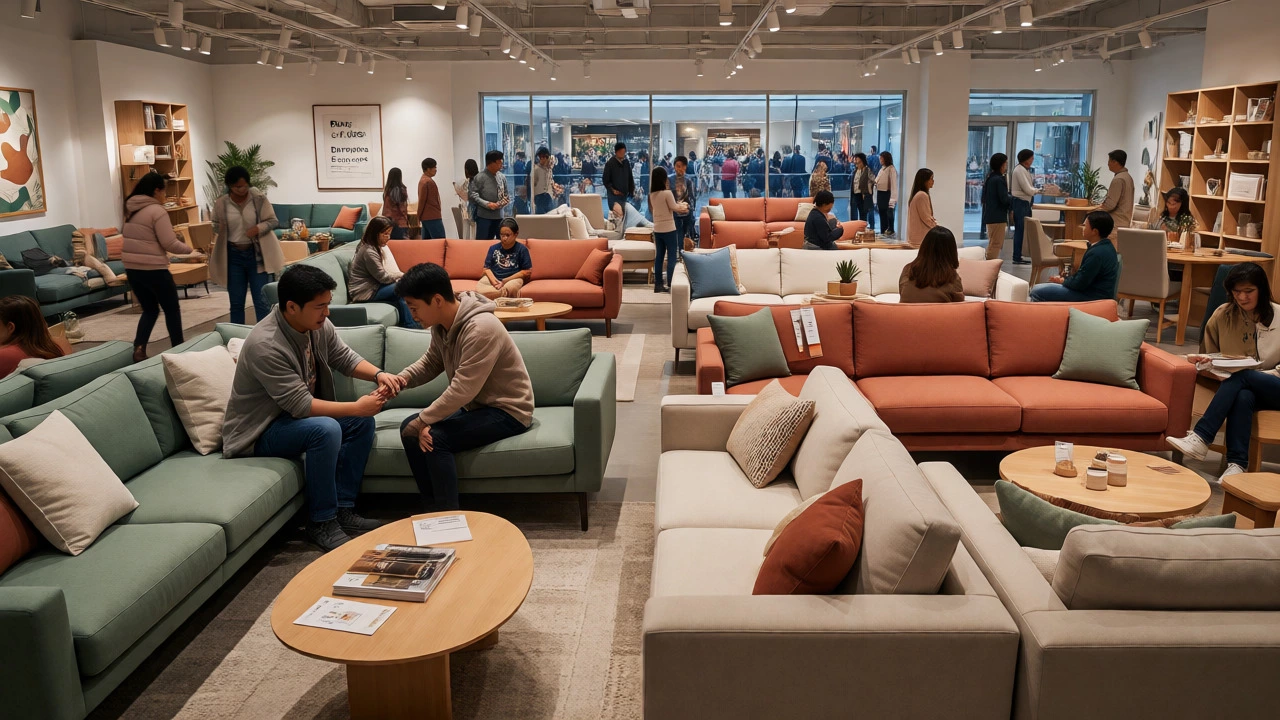
Think about the last time you moved house or redecorated. Did you check out Ashley Homestore? Probably. That’s because they are physically present in over 100 countries with more than 900 stores. This ubiquity creates a sense of trust. When you can touch the fabric and sit on the cushion, the fear of buying online vanishes. Unlike many modern direct-to-consumer brands that started purely online, Ashley built its empire on physical retail first, then expanded digital. This hybrid approach means they capture customers who want the tactile experience but also those who prefer the convenience of delivery.
It’s not just about having stores; it’s about visibility. Their advertising strategy is aggressive. They target broad demographics with relatable scenarios-families eating dinner, couples relaxing, students setting up dorms. You don’t need to be a design expert to understand their ads. You just need to recognize yourself in them. This mass-market appeal ensures that when people think of "new furniture," Ashley is often the first name that pops into their head.
Affordability Without Looking Cheap
Let’s talk money. Most people aren’t spending $5,000 on a sofa unless they have specific tastes or deep pockets. The average household budget for furniture is tighter than ever. Ashley positions itself in the sweet spot: affordable enough for middle-income families, but stylish enough to feel current. How do they pull this off? Vertical integration. Ashley owns its manufacturing facilities. By controlling the production line from raw materials to finished goods, they cut out middlemen. This allows them to offer lower prices while maintaining decent margins.
But cheap doesn’t always mean ugly. Ashley invests heavily in trend forecasting. They watch what’s happening in high-end design magazines and translate those aesthetics into mass-produced items. Want a velvet sectional that looks like it costs thousands? Ashley has one for under $800. It might not last twenty years, but it looks great today. For renters, young professionals, or anyone on a budget, this value proposition is hard to beat. You get the look of luxury without the commitment of a luxury price tag.
| Feature | Luxury Brands | Mid-Range (e.g., West Elm) | Ashley Furniture |
|---|---|---|---|
| Price Point | $2,000+ per sofa | $1,000-$1,500 | $400-$900 |
| Durability | High (10+ years) | Medium (5-7 years) | Low-Medium (3-5 years) |
| Style Variety | Niche/Custom | Curated/Trendy | Broad/Mass Appeal |
| Availability | Special Order | In-Stock/Digital | Immediate Stock/Wide Network |
Fast Fashion for Your Living Room
Furniture used to be a once-in-a-decade purchase. Now, thanks to social media and changing lifestyles, it’s more like fast fashion. We want new things frequently. Ashley leans into this cycle. They release new collections constantly, keeping their inventory fresh. If a certain color palette becomes popular on Instagram-say, sage green or terracotta-you’ll see it in Ashley stores within months. This agility keeps customers coming back. You don’t wait ten years to replace your coffee table; you swap it out when the trend shifts.
This rapid turnover appeals to younger generations, particularly Millennials and Gen Z. These groups prioritize aesthetics and flexibility over heirloom quality. They move apartments often, change jobs, and update their spaces as their lives evolve. Buying a $600 dresser that lasts five years makes financial sense if you’re going to move in three. Ashley understands this transient lifestyle better than traditional heritage brands that focus on lifetime warranties and solid wood construction.

The Psychology of Choice Overload
Walking into an Ashley store can be overwhelming. There are hundreds of options. Why would a company make it harder for you to choose? Actually, it works. When you have too many choices, you often suffer from decision paralysis. But Ashley uses visual merchandising to guide you. They set up complete rooms. You don’t just buy a chair; you buy a "look." This reduces cognitive load. You see a coordinated bedroom set and think, "That’s exactly what I need." It simplifies the process.
Moreover, the sheer volume of SKUs (stock keeping units) means almost everyone finds something. Do you like modern minimalist? They have it. Traditional farmhouse? Check. Industrial chic? Yep. By casting a wide net, they ensure no customer walks away empty-handed. This inclusivity in style is a key driver of their popularity. You don’t need to fit into a specific design tribe to shop there.
Logistics and Convenience
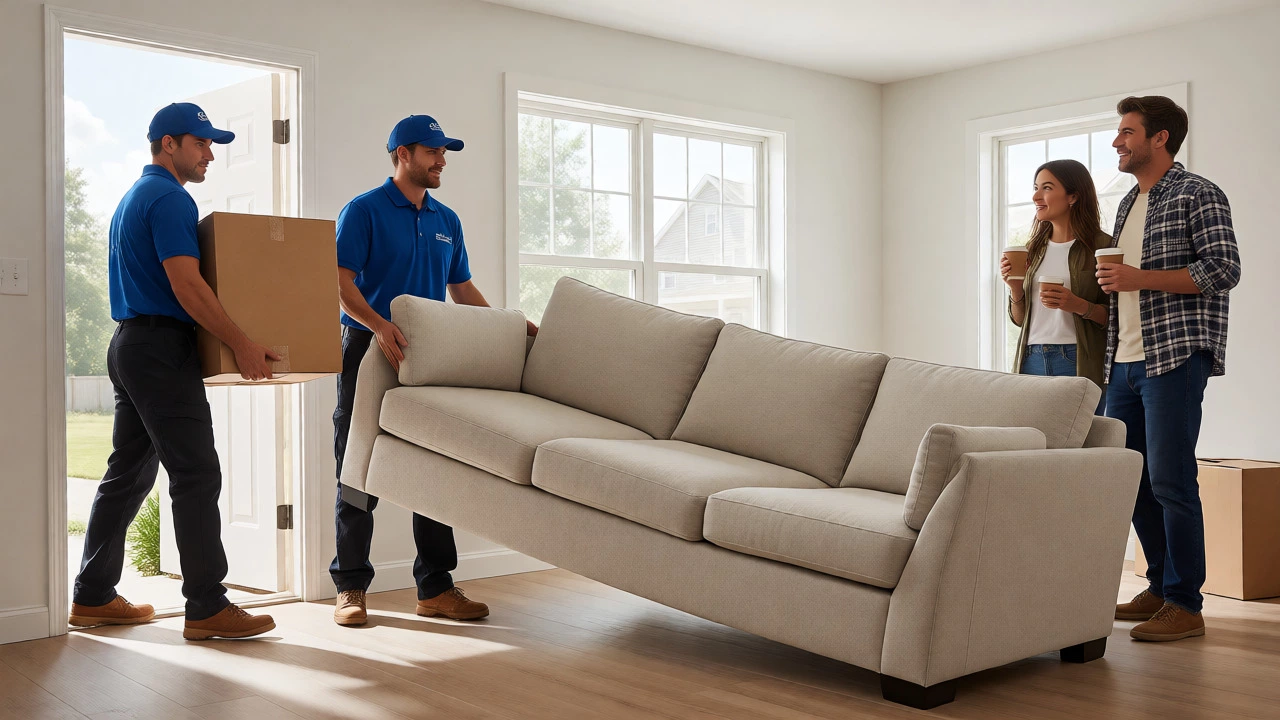
Buying furniture is stressful. Getting it home is worse. Ashley has solved this pain point effectively. They operate one of the largest private trucking fleets in North America. This control over logistics means faster delivery times and fewer damaged goods. Compare this to ordering from a small boutique where shipping takes six weeks and arrives scratched. Ashley promises speed and reliability. In an era where Amazon Prime has trained us to expect next-day delivery, waiting two months for a sofa feels ancient. Ashley bridges that gap by offering quick ship options on popular items.
They also offer financing plans. Many customers don’t have $1,500 cash lying around for a new dining set. By partnering with credit providers, Ashley allows buyers to spread the cost. This lowers the barrier to entry. Suddenly, a full living room upgrade is possible for a monthly payment rather than a lump sum. For many households, this financial flexibility is the deciding factor.
Is It Worth It? The Trade-Offs
We shouldn’t ignore the downsides. Ashley Furniture isn’t built to last forever. If you’re looking for a piece to pass down to your grandchildren, this isn’t it. The materials often include particleboard and veneers rather than solid hardwood. The fabrics are durable enough for daily use but may pill or fade after heavy wear. However, for the majority of consumers, this trade-off is acceptable. You’re paying for style and immediate gratification, not generational durability.
Consider your needs. If you have pets or kids, you might replace furniture every few years anyway. In that case, Ashley’s affordability is a feature, not a bug. If you’re a design purist who values craftsmanship above all else, you might find the quality lacking. But for the average person wanting a nice-looking home without breaking the bank, Ashley hits the mark.
Final Thoughts on the Phenomenon
Ashley Furniture’s popularity isn’t an accident. It’s the result of mastering supply chain efficiency, understanding consumer psychology, and adapting to modern living habits. They removed the friction from buying furniture. You can see it, afford it, and get it quickly. That combination is powerful. While critics argue about quality, the market speaks loudly through sales figures. As long as people want stylish homes on a budget, Ashley will remain a dominant force.
Is Ashley Furniture good quality?
Ashley Furniture offers decent quality for its price range. It is designed for short-to-medium term use (3-7 years). While not heirloom-quality, it provides good value for money for renters and budget-conscious homeowners. Durability varies by product line, with higher-end collections using better materials.
Why is Ashley Furniture so cheap?
The low prices are due to vertical integration. Ashley manufactures its own products, reducing overhead costs associated with third-party suppliers. They also use cost-effective materials like engineered wood and synthetic fabrics, allowing them to compete on price while maintaining profit margins.
Does Ashley Furniture deliver quickly?
Yes, Ashley is known for relatively fast delivery compared to custom furniture makers. They maintain large warehouses and use their own logistics network. Many popular items are available for immediate shipment, often arriving within days or a couple of weeks, depending on location.
Can I return Ashley Furniture?
Return policies vary by region and specific store, but generally, Ashley offers a satisfaction guarantee. Customers can typically return items within a specified window (often 30 days) if they are unsatisfied, though restocking fees may apply. Always check the specific terms at the time of purchase.
Is Ashley Furniture suitable for pets?
Many Ashley fabrics are designed to be durable and easy to clean, making them pet-friendly. Look for performance fabrics or microfiber options. However, sharp claws can still damage softer upholstery. Regular maintenance and protective sprays can help extend the life of the furniture in pet-heavy households.