 29
Mar,2026
29
Mar,2026
Sofa Bed Discomfort Diagnostic Tool
Analyze Your Situation
Recommended Fixes
Immediate Actions:
Complete the diagnostic on the left to see your personalized solution plan.
There is nothing quite as frustrating as trying to get a good night's sleep on furniture meant for two jobs. You bought it because you needed extra seating, and maybe a place for guests to crash occasionally. But lately, every morning you wake up with a stiff back or shoulder pain. You wonder if it's your posture, the room temperature, or the furniture itself. The truth is usually simpler than you think.
A sofa bed is a hybrid piece of furniture that functions as both a couch and a sleeping surface. Also known as a sleeper sofa, these units have come a long way since the days of thin, lumpy mattresses hidden under cushions. Yet, many people still struggle with them. It isn't always that the product is broken. Often, it comes down to design limitations inherent in folding mechanics.
The Hidden Problem With Thin Mats
Most people assume the cushion is the issue, but they overlook the actual sleeping surface underneath. When manufacturers build a sleeper unit, space is at a premium. They have to compress the sleeping mat enough to fit inside the frame when folded. This results in padding that is often thinner than standard bedroom bedding.
Take memory foam, for example. A dedicated mattress might offer five inches of density, providing the body with pressure relief. Inside a compact model, that same material could be shrunk to three inches or less. Without adequate depth, your hips and shoulders sink too far, putting pressure on your spine. If you lie there for eight hours, muscles tighten in response to the uneven support.
Another factor is coil technology. Many older models use inner spring systems similar to box springs. Over time, these coils can sag or pop. Even newer ones use "no-sag" springs, but the wire tension can still feel harsh against skin or light blankets. You end up feeling the wires instead of the cushion. This is a common complaint among those using high-density polyfoam compared to gel-infused options which distribute weight better.
How Mechanisms Create Lumps
The way the bed opens matters more than you realize. There are generally two main mechanisms in play today. The first is the traditional pull-out style where the mattress slides out on rails. The second is the click-clack or fold-out system where sections hinge.
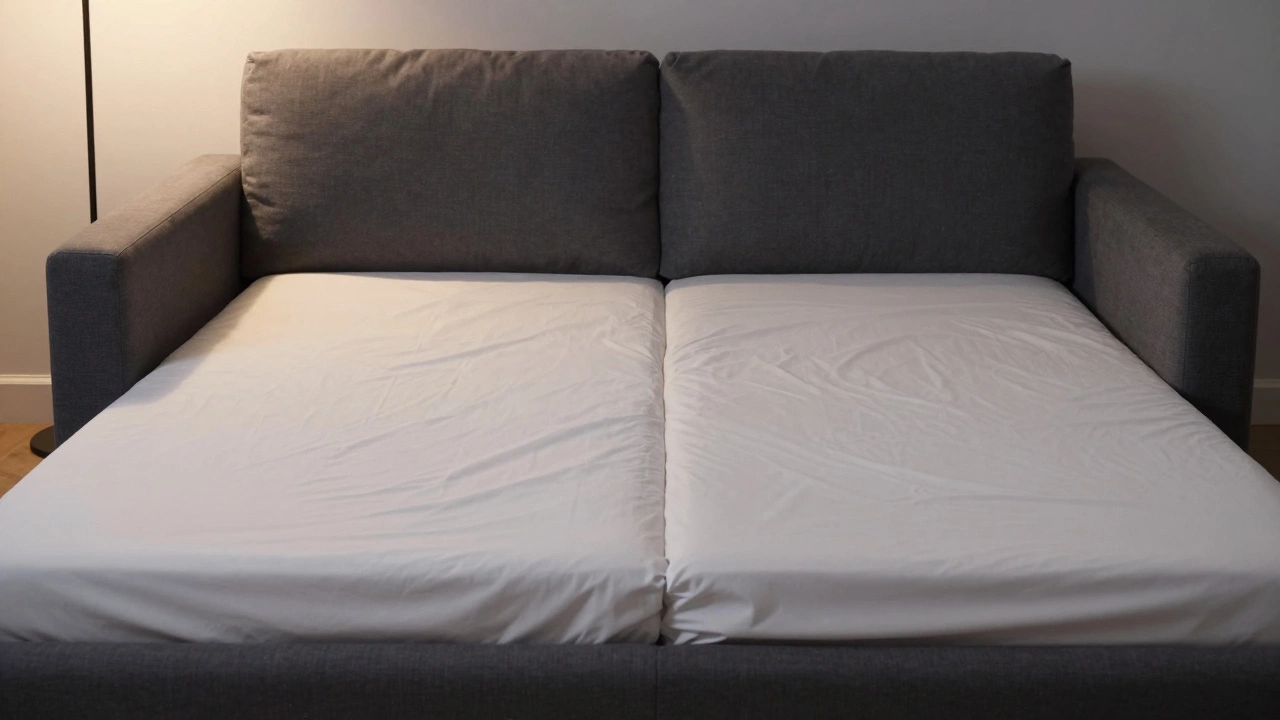
When you extend a pull-out version, you are joining multiple pieces together. Usually, it's one main section and one or two folding overlays. This creates a seam right in the middle of the sleeping area. If the gap between these sections isn't flush, you create a ridge. Sleeping directly on that ridge leads to lower back strain. Manufacturers sometimes use velcro strips or elastic bands to cover the seam, but these stretch out over years of use.
Fold-out styles are worse in some ways. They consist of three distinct panels stacked on top of each other. When opened, the joints between these panels remain visible through the sheet. Unless the padding is extremely thick, you will feel the hard edge of the joint. This is why side sleepers report more discomfort; their bodies conform exactly to the shape of the gaps.
| Mechanism Type | Comfort Level | Durability | Common Flaw |
|---|---|---|---|
| Pull-Out (Trundle) | Medium | High | Creamery Sagging |
| Click-Clack (Fold Out) | Low | Medium | Gaps Between Panels |
| Twin XL Futon | Variable | Medium | Lumbar Pressure Points |
Frame Stability Plays a Role
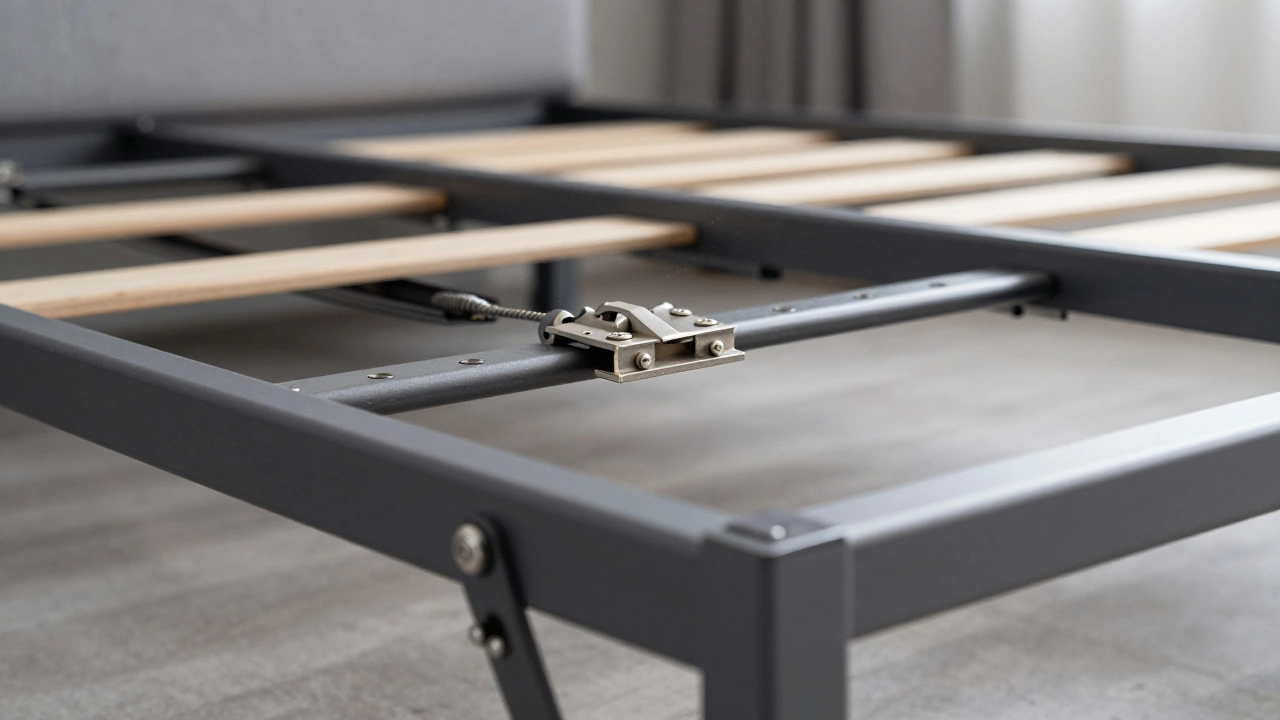
If the foundation shakes, sleep quality drops instantly. A wobbly frame forces your muscles to tense up subconsciously to maintain balance. Most budget-friendly options use particleboard or lightweight metal tubing for legs. These materials flex under the weight of movement during sleep.
In contrast, hardwood frames like oak or maple offer rigid support. Metal legs provide lift but lack the dampening effect of wood. If you hear creaking noises when you shift positions, the structure is absorbing energy incorrectly. This instability transmits vibration to the mattress layers above. For frequent users, replacing a flimsy frame with a reinforced base is often worth the investment.
Ventilation is also tied to the frame. Some designs enclose the bottom of the sleeping surface completely. This traps body heat and moisture. You wake up sweaty or sticky, which ruins deep sleep cycles. Looking for designs with slat bases rather than solid bottoms helps airflow pass through the core.
Practical Fixes for Immediate Relief
Replacing the entire unit costs money you might not want to spend immediately. Before throwing away a perfectly functional piece, consider how accessories change the dynamic.
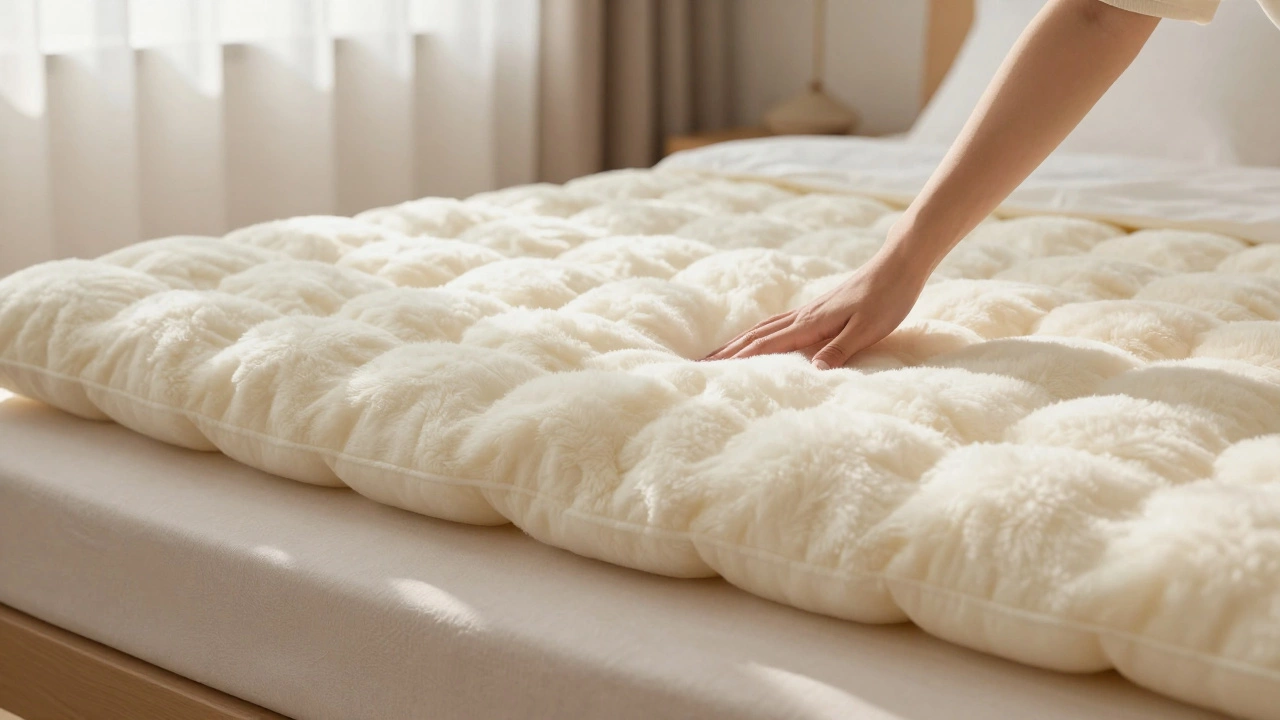
A high-quality mattress topper is an additional layer of padding placed over an existing mattress to improve comfort. Using latex or high-density memory foam here bridges the gap between the rough surface and your body. Aim for a thickness of at least two inches. Anything thinner just shifts the hardness rather than eliminating it. Look for quilted covers that fit securely without sliding off during the night.
You should also check the tension of the hardware. Sometimes, the screws holding the locking bars become loose. Tightening these stops the frame from shifting mid-sleep. Clean the tracks where the mattress pulls out. Dust bunnies and debris jam the sliders, causing the mattress to settle unevenly. A simple vacuum clean can restore smooth operation.
Recognizing Replacement Time
Sometimes, no amount of fixing makes sense. If the mattress shows permanent indentations that do not bounce back after pressing them, the core structure has collapsed. Most warranties cover defects for five to ten years, but they rarely cover normal wear and tear. If you are past year six, diminishing returns apply.
Newer models on the market utilize advanced materials like gel-infused foam or pocketed springs that isolate motion better. Older designs often move as one single block. If you share the bed with a partner and toss and turn causes constant waking, upgrading to a segmented sleeper system helps significantly.
FAQ About Sleeper Furniture Comfort
Can I wash the cushion covers?
Check the label first. Most removable covers can be machine washed on cold settings to prevent shrinking. Non-removable ones need spot cleaning with mild detergent and water.
Is a twin size better for solo sleepers?
Not necessarily. Twin sizes can be too narrow for tossing and turning. Queen sizes in sleeper units allow for better distribution of weight and less edge rolling.
Does rotating the mattress help?
Yes, rotating the mattress 180 degrees every few months evens out wear patterns. This prevents one side from becoming permanently indented over time.
What is the lifespan of a sofa bed?
With moderate use, a well-built model lasts 7 to 10 years. Daily sleep use shortens this to about 5 years due to compression stress on the foam.
Should I buy a brand name?
Brand names often guarantee consistent quality control and easier warranty claims. However, lesser-known brands may offer similar features at a lower cost if reviews are checked thoroughly.
Understanding the mechanics helps you manage expectations. You cannot expect hotel-level luxury from a daily driver that folds away. However, minor tweaks often bring that experience closer than you think. Focus on the padding, check the joints, and secure the frame.