 16
Nov,2026
Bookshelf Style & Styling Assistant
Part 1: Material Matcher
Select your room type or style preference to see the recommended material trend for 2026.
Recommended Material:
Part 2: Styling Quiz
Answer this scenario to receive a professional styling tip.
Walk into any trendy café or browse a high-end interior magazine today, and you’ll notice something interesting: the walls are breathing. For decades, floor-to-ceiling bookshelves were the default way to fill empty space, often resulting in cluttered rooms that felt heavy and dated. But as we move through late 2026, the question isn't just whether bookshelves exist-it's whether they still have a place in a modern, curated home.
The short answer? Yes, but not in the way your grandmother had them. The era of stuffing every inch with mismatched paperbacks is over. Today, bookshelves are about intentionality, architectural integration, and visual lightness. If you’re wondering if investing in a new unit makes sense for your current renovation, let’s break down exactly what works, what’s fading, and how to style yours so it looks fresh rather than like a storage closet.
The Shift from Clutter to Curation
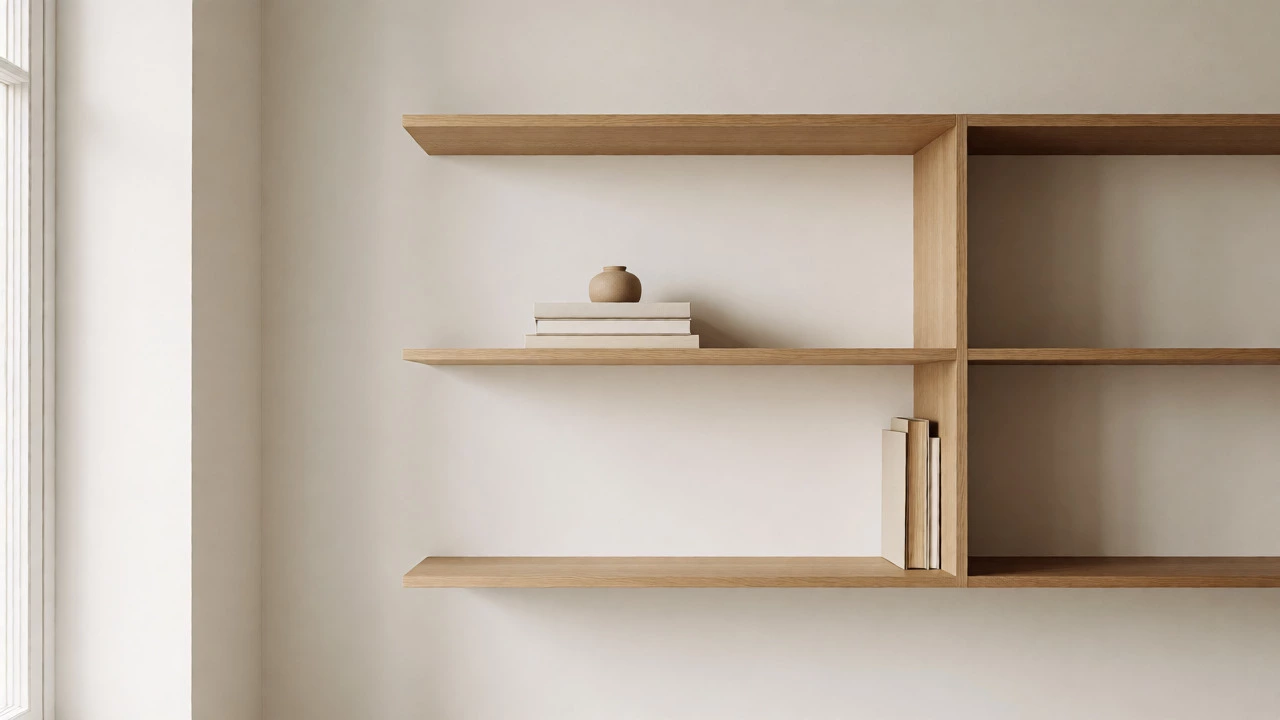
Five years ago, the trend was maximalism-more books, more knick-knacks, more color. Fast forward to now, and the pendulum has swung toward "quiet luxury" and minimalism. This doesn’t mean you throw away your library; it means you edit it. A modern bookshelf is treated less like furniture and more like a piece of art or architecture.
Homeowners in Melbourne and Sydney are increasingly opting for fewer items on display. The goal is negative space. If your shelf is packed tight, it reads as chaos. If it has gaps, it reads as confidence. You don’t need to hide your collection; you just need to let it breathe. Think of your bookshelf as a gallery wall where the books are the exhibits. Would you hang ten paintings on top of each other? Probably not. Apply that same logic here.
Materials That Define Modern Style
The material of your bookshelf dictates its vibe. Heavy, dark oak units from the 90s can make a room feel smaller and darker. In contrast, lighter materials reflect light and create an airy atmosphere. Here is a breakdown of what is currently dominating the market versus what is taking a backseat.
| Material | Style Vibe | Best For | Verdict |
|---|---|---|---|
| Light Oak / Ash | Natural, Warm, Scandinavian | Living rooms, bedrooms | Trending Up |
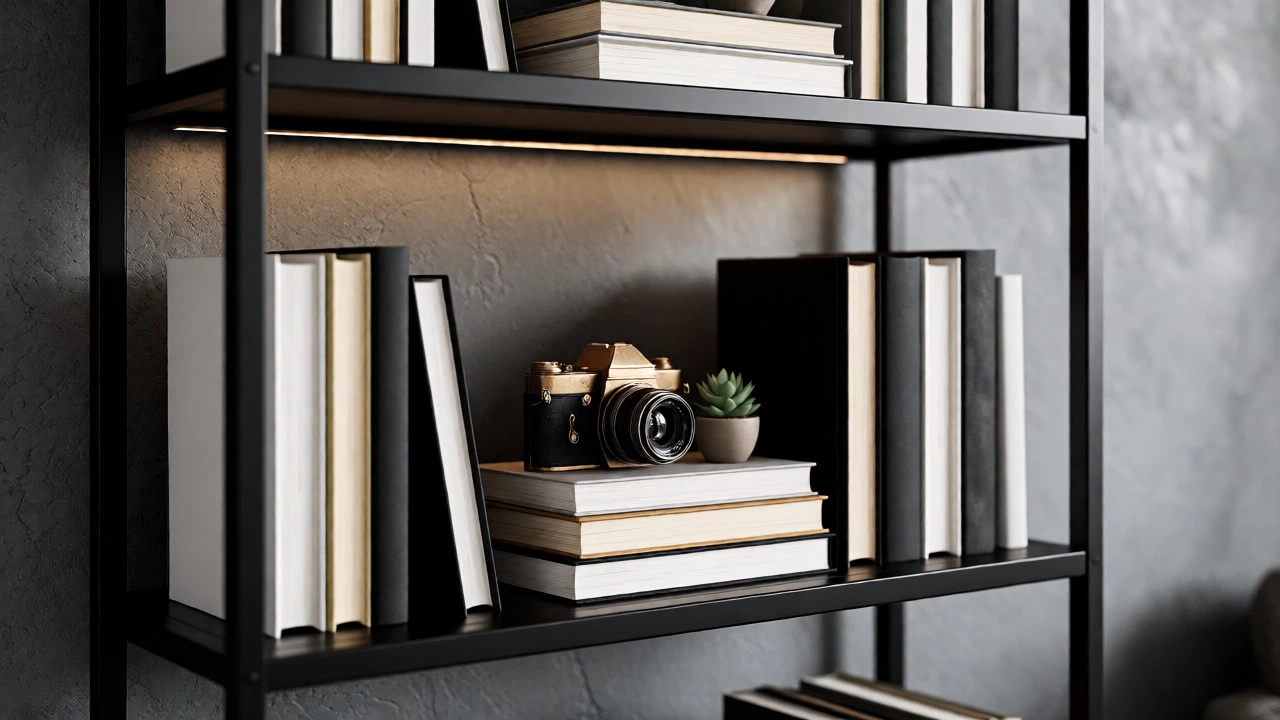
| Black Metal Frames | Industrial, Sleek, Minimal | Home offices, lofts | Stable/Classic |
| Floating Shelves | Airy, Modern, Invisible | Kitchens, small spaces | Very Popular |
| Dark Mahogany | Traditional, Formal, Heavy | Studies, classic homes | Fading |
You might be thinking, "But I love wood." Great! Just swap the dark stains for natural finishes. Light woods pair beautifully with white walls and neutral textiles, creating a cohesive look that feels open. Black metal frames remain a staple because they offer structural strength without visual bulk. They are perfect if you want to keep the focus on the objects you display rather than the furniture itself.
Built-In vs. Freestanding: Which Wins?
This is the biggest debate in interior design right now. Built-in shelving is custom-fitted into the wall, eliminating gaps and dust traps. It looks seamless and expensive. However, it’s permanent. If you rent, or if you like changing your layout every few years, freestanding units offer flexibility.
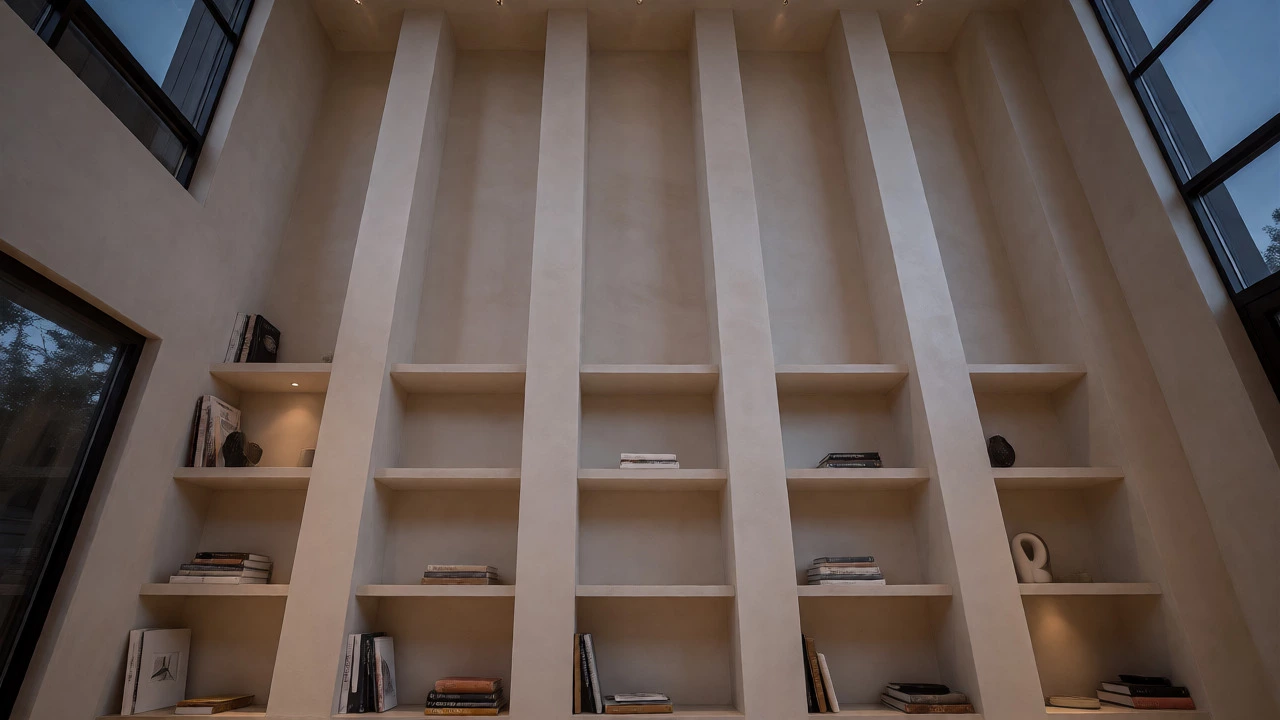
In 2026, we are seeing a hybrid approach. People are buying modular systems that look built-in but can be moved. Brands are designing units with flush sides and adjustable depths that mimic carpentry. If you are renovating, consider installing recessed niches. These are shallow pockets in the wall specifically designed for books and decor. They take up zero floor space and add architectural interest. For renters, tall, narrow freestanding towers are making a comeback because they draw the eye upward, making ceilings appear higher.
How to Style Your Bookshelf Like a Pro
Owning a stylish shelf is only half the battle. How you arrange it determines whether it looks chic or chaotic. Forget the rule that says all books must stand upright. Here are three techniques used by professional stylists:
- Mix Horizontal and Vertical: Stack some books flat. This creates a solid base for placing a vase, a candle, or a sculpture on top. It breaks the monotony of vertical lines.
- Color Block or Go Monochrome: Grouping books by color is controversial. Some designers hate it because it removes the intellectual value of the titles. Instead, try removing jackets for a uniform spine look, or stick to a strict palette (e.g., only black, white, and beige spines). It looks intentional and calm.
- The Rule of Thirds: Don’t fill every shelf evenly. Leave one-third of the space empty. Place larger objects on lower shelves and smaller, delicate items on higher ones. This creates visual balance and prevents the unit from looking top-heavy.
Also, mix in non-book items. A vintage camera, a small potted plant, or a framed photo adds personality. If everything is a book, it looks like a library. If it’s a mix, it looks like a home.
Common Mistakes That Date Your Space
You’ve bought the right shelf, but it still feels off? Check for these common pitfalls. First, dust. Nothing kills a modern look faster than a layer of grey grime on old paperbacks. Commit to regular cleaning, or choose closed cabinets for dusty collections. Second, overcrowding. If you have too many books, store the rest in boxes or digital formats. Display only your favorites or those that match your current aesthetic.
Another mistake is ignoring lighting. A dimly lit bookshelf looks neglected. Install battery-operated LED strip lights under the shelves. It highlights the textures of the covers and adds warmth to the room at night. This small addition transforms a static object into a dynamic feature.
Is Digital Killing the Physical Bookshelf?
With e-readers and audiobooks rising, do we even need physical shelves? Surprisingly, no. Data shows that print book sales have stabilized and even grown in niche markets. Why? Because people want tangible anchors in a digital world. A bookshelf serves as a physical representation of your interests and history. It’s a conversation starter. While you might read on a tablet, you display your identity on the shelf. So, don’t worry about the death of the book. Worry about the death of the bad shelf.
Final Verdict: Buy or Skip?
Bookshelves are absolutely still in style, provided they evolve with your taste. Avoid bulky, ornate designs that fight against clean lines. Opt for simplicity, quality materials, and thoughtful curation. Whether you choose floating shelves for a minimalist apartment or a sleek modular system for a family home, the key is restraint. Less is more, especially when that "less" is carefully chosen and beautifully displayed.
Should I paint my existing bookshelves?
Yes, if they are outdated dark wood. Painting them white, cream, or a soft grey can instantly modernize the piece and make the room feel larger. Ensure you use a durable enamel paint to prevent chipping from books sliding across shelves.
How much space should I leave between books?
Aim for about 10-15% empty space per shelf. This allows your eyes to rest and makes it easier to pull books out without damaging neighboring spines. It also gives you room to rotate decor items.
Are floating shelves strong enough for books?
Modern floating shelves are surprisingly sturdy if installed correctly into wall studs. Look for shelves rated for at least 20-30kg. For heavier hardcovers, ensure the brackets are hidden but robust, or opt for thicker boards (at least 2 inches thick) to prevent sagging.
What is the best height for a bookshelf?
Standard heights range from 180cm to 210cm. Taller shelves (up to 240cm) draw the eye upward and maximize storage in rooms with high ceilings. Keep frequently accessed items between eye level and waist level for ergonomics.
Do I need to organize books by color?
Not necessarily. Color coding can look artificial. A more sophisticated approach is to group by size or subject, or simply mix colors randomly for a relaxed, lived-in feel. If you do color code, avoid rainbow arrangements which can look childish.